
Sancai-style Caparisoned Horse Figurine
Estimated value
$25 - $75Rarity
Common(2/10)Category
Ceramics & PotteryEra
Late 20th century (post-1970)Origin
ChinaVisual assessment
Photo analysis
Save to revisit in your watchlist. This does not add the object to your own collection.
Sancai-style Caparisoned Horse Figurine
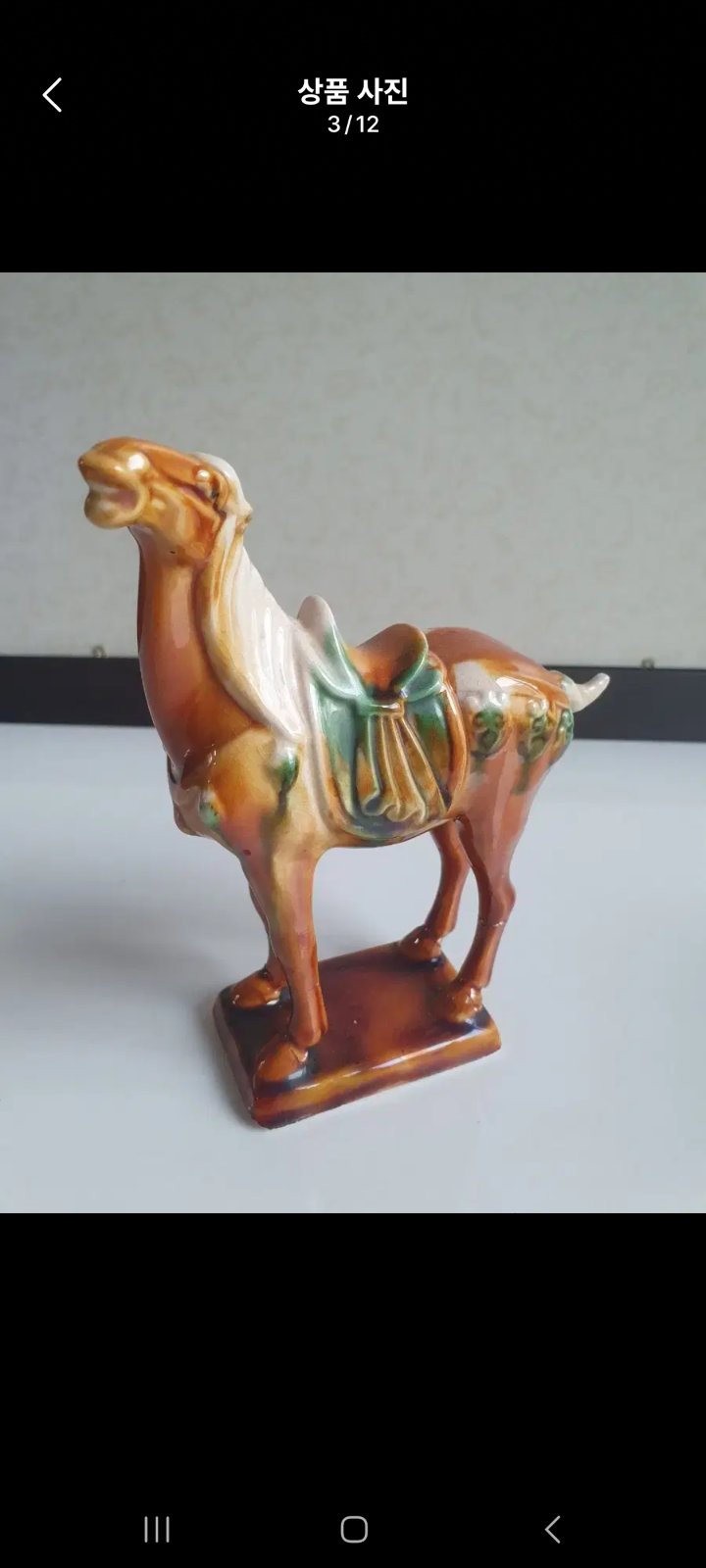
A ceramic figurine of a standing horse in the style of Tang Dynasty funerary art, featuring a lead-based three-color glaze palette of amber, green, and cream. The animal is modeled with a docked tail, an arched neck, and an open mouth, standing on a rectangular plinth. The saddle and decorative trappings are molded in relief, with glaze pooling typical of low-fired earthenware production. The reflective surface indicates a modern glossy finish rather than the weathered degradation usually found on authentic archeological specimens.
Related traditions
Tang Dynasty China
618–907 AD
The Sancai horse remains a central symbol of wealth and military power from the 8th century Silk Road era.
Use and ceremony
8th Century
A sacred servant for the afterlife journey and a status symbol for the nobility.
21st Century
A decorative household object representing 'Chinoiserie' or an appreciation for Chinese history.
Origins and context
The original Sancai (three-color) technique peaked during the Tang Dynasty (618–907 AD) for use in 'mingqi' or burial goods. This specific horse form reflects the Ferghana 'Heavenly Horses' imported via the Silk Road. Production of these figures was revived in the early 20th century in regions like Luoyang, China, to meet archaeological interest and export demand, leading to a prolific modern industry of decorative reproductions.
Further details
The green hue in Sancai glazes is achieved through copper oxide, while the amber tones come from iron oxide fired in an oxidizing atmosphere.
During the Tang Dynasty, the number of ceramic horses allowed in a tomb was strictly regulated by the rank of the deceased, as established in the 711 AD funeral sumptuary laws.
Attribution and evidence
The form and glaze are highly recognizable as modern reproductions of Tang dynasty archeological finds. The high-gloss finish and lack of burial degradation make this a clear modern decorative piece.
Identifying details
- 1Glaze palette limited to standard commercial amber/green/cream Sancai variants
- 2Form is a standard 'Type A' Sancai horse reproduction common in tourist markets
- 3No visible signs of 'irisation' (silvery sheen) caused by long-term lead-glaze degradation
- 4The paste visible at the base appears starkly white and refined rather than the buff-colored loess-heavy clay of ancient Xi'an/Luoyang products
Open questions
- •Uniformly glossy surface suggests modern kiln firing
- •Clean, unweathered underside of the plinth
Photographs that would help
- Examine the underside of the base for kiln spur marks or modern factory stamps
- Inspect under UV light to verify if the glow is consistent with modern synthetic glazes
- Perform a 'lick test' on the unglazed foot to check for high porosity characteristic of low-fired earthenware
Terms in this record
- Sancai
- Literally 'three colors'; a lead-glazed polychrome ceramic technique using copper, iron, and manganese.
- Mingqi
- Chinese burial goods, often ceramic, designed to accompany the deceased into the afterlife.
- Slip-casting
- A technique for mass-producing ceramics by pouring liquid clay into plaster molds.
Wear and preservation
The figurine appears intact with no visible structural cracks; minor glaze skips are present on the saddle area which are artifacts of the manufacturing process rather than post-production damage.
Glaze and painted decoration
Glossy lead-glaze finish with visible pooling and intentional 'dripped' effects; the surface lacks the silvery iridescent patina (irisation) typical of ancient burial ceramics.
Recorded physical details
Estimated weight of 400-600 grams, likely slip-cast earthenware which results in a relatively lightweight, hollow interior.
Scarcity and surviving examples
Common · 2/10 estimated rarity
This is a qualitative collection score, not a measured survival count, market percentile or proof of authenticity.
What the photographs establish
Interpretation of the photographs and supplied context. This does not authenticate the object.
- High-gloss surface finish inconsistent with 1,200 years of burial
- Precise, clean edges on the base indicative of modern slip-casting
- Lack of 'crazing' or fine mineral encrustation common in period pieces
Value and its basis
Estimate recorded: May 11, 2026
How we estimate value
Estimate context (not a documented sale): Similar contemporary Sancai horses regularly sell for $20-$50 on platforms like eBay and Etsy (2024 pricing).
Collectors and interest
Casual home decorators and beginning collectors of Asian-inspired furnishings.
What supports the estimate
- •Intact glaze without significant chipping
- •Visual appeal of the color balance
What could change it
- •Ubiquity of this specific mold in the export market
- •Visible mold seams that lower the artistic quality
Comparing quality
- •Large scale (over 50cm tall)
- •Hand-modeled details rather than slip-cast uniformity
- •Genuine early 20th-century provenance (Luoyang revival era)
The effect of condition
Integrity of the legs (highly prone to breakage) and evenness of the glaze drip patterns.
Market interest
For informational purposes only, not a formal appraisal.
Related objects
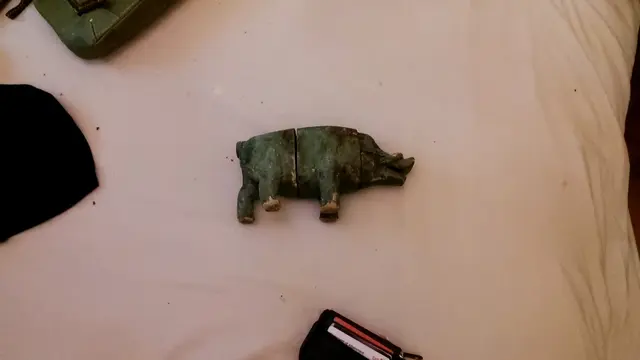
Han Dynasty Style Glazed Ceramic Boar Figurine
Shared title details
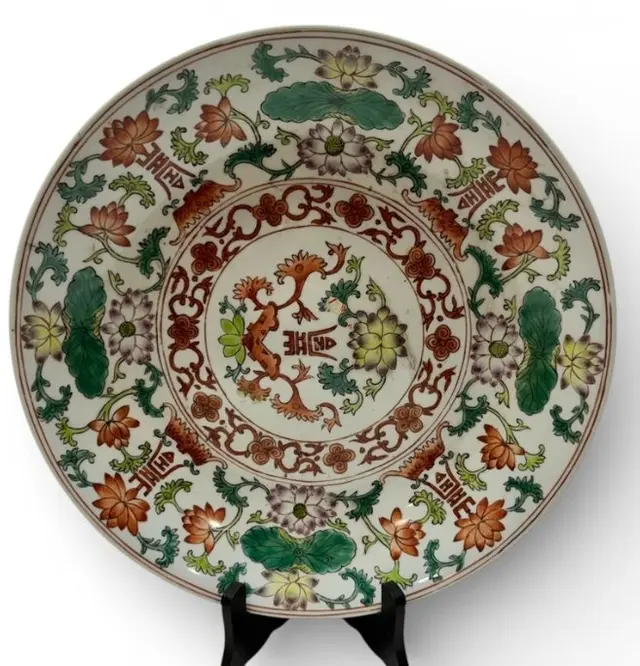
Chinese Wucai-style Famille Verte Porcelain Charger
Same category
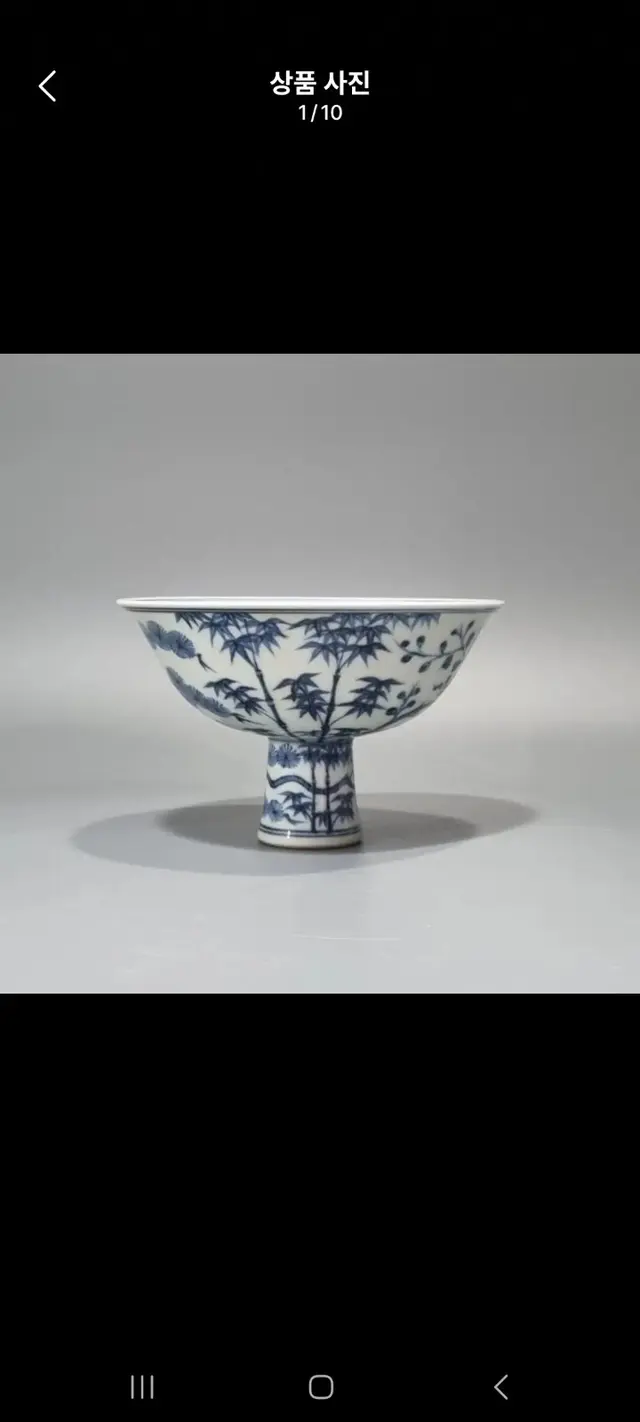
Chinese Blue and White 'Three Friends of Winter' Stem Cup, Ming Style
Same category
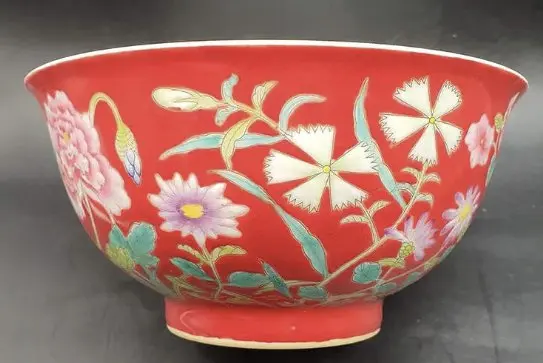
Chinese Falangcai Style Ruby-Ground Floral Bowl with Kangxi Yu Zhi Mark
Same category

Chinese Export Porcelain Spaniel Figurine, Qing Dynasty, late 18th to mid-19th Century
Same category

Austrian Ewer in Neo-Classical Style
Same category
Explore Ceramics & Pottery
Pottery, porcelain, stoneware, earthenware, and kiln-fired objects.
Ceramics & Pottery value and rarity guideShare this find
A place for your ceramics
Keep its photographs, maker’s marks and the story you know in one object record. Start with a photo.
Create an account for 10 free scans. No credit card needed.
Join the conversation