
Sancai-style glazed ceramic horse figurine
Estimated value
$40 - $120Rarity
Common(2/10)Category
Ceramics & PotteryEra
Late 20th century (circa 1970-1990)Origin
ChinaVisual assessment
Photo analysis
Save to revisit in your watchlist. This does not add the object to your own collection.
Sancai-style glazed ceramic horse figurine
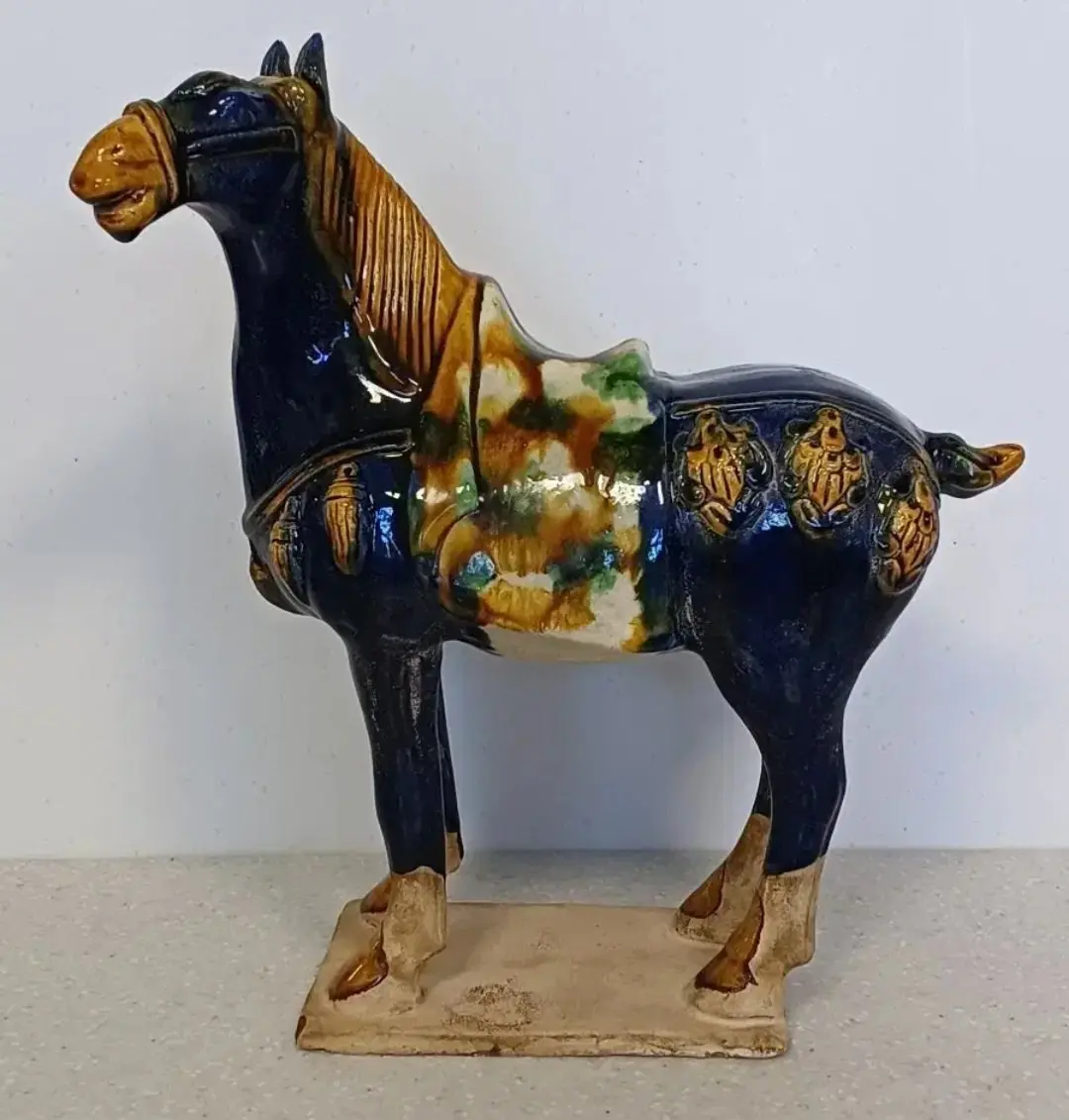
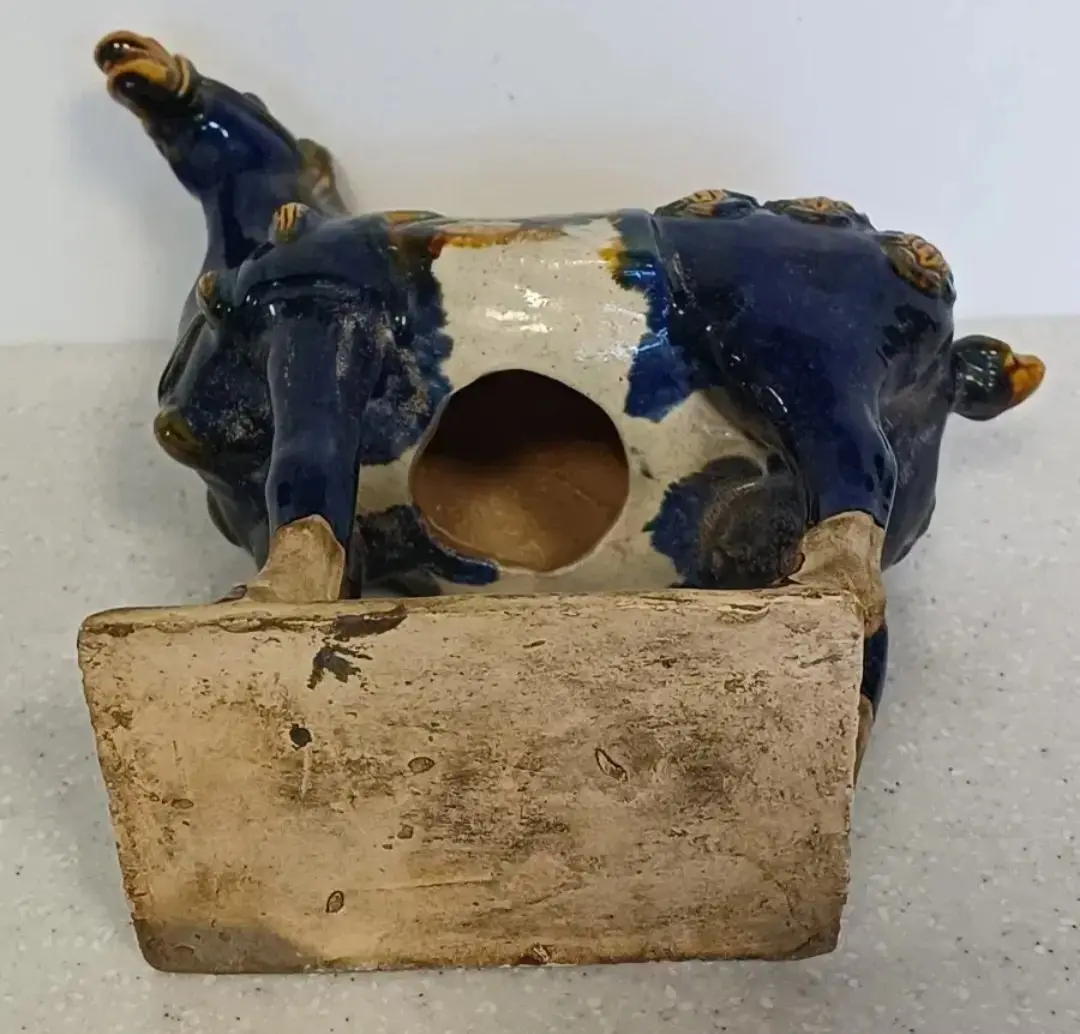
A ceramic equestrian figure standing on a rectangular plinth, featuring a molded body decorated in lead-based glazes of cobalt blue, amber, and green. The piece mimics the Tang Dynasty 'sancai' (three-color) burial tradition, specifically the Ferghana horse type with its characteristic muscular neck and docked tail. A large circular aperture is visible in the underbelly, a common feature in molded ceramic figures to prevent kiln explosions by allowing gases to escape during firing.
Related traditions
Persian Sassanid
7th-9th Century AD
The cobalt pigment used in these glazes originated in Persia, illustrating the Silk Road trade link between the Tang Dynasty and the Middle East.
Use and ceremony
Tang Dynasty
A literal status symbol of military power and imperial connection to Western 'heavenly' horses.
20th Century
A standard decorative 'chinoiserie' element for Western interior design.
Origins and context
This object is a 20th-century reproduction of Tang Dynasty (618–907 AD) tomb furniture. Authentic sancai horses were produced primarily in the Gongxian and Tongchuan kilns for elite burials to symbolize wealth and power. Cobalt blue glaze was particularly expensive during the Tang era, as the pigment was imported from Persia. The export market for these reproductions surged in the late 20th century, particularly from workshops in Henan province that used traditional molds and lead glazes.
Further details
During the Tang Dynasty, blue sancai glaze used imported cobalt, making blue-decorated figures significantly more expensive than standard amber and green ones.
Modern reproductions often use the 'tea-staining' method on the unglazed base to simulate the soil encrustation found on genuine archaeological excavations.
Attribution and evidence
The identification of the style is certain, and the indicators for 20th-century production are consistent across the glaze quality, base treatment, and molding sharpess.
Identifying details
- 1Lead-glaze palette mimicking Tang 'sancai' technique
- 2Slip-cast hollow construction with central firing hole
- 3High-gloss cobalt blue with modern surface tension pooling
- 4Artificially distressed unglazed foot and base
Open questions
- •Absence of 'silvering' or silvery iridescence on the glaze surface typically caused by long-term burial moisture
- •Perfectly preserved molded details on the medallions suggest modern mold production
Photographs that would help
- Perform a UV light test to check for modern adhesive repairs or over-painted glaze
- Inspect the interior of the firing hole with a flashlight to look for modern slip-casting marks (seams)
- Thermoluminescence (TL) testing is the only definitive way to date the firing, though cost-prohibitive for this value range
Terms in this record
- Sancai
- A technique using lead-silicate glazes colored with copper (green), iron (amber), and cobalt (blue) on white earthenware.
- Crazing
- A network of fine cracks in the glaze caused by differing expansion rates between the clay body and the glaze.
- Mingqi
- Chinese burial goods, often ceramic, created to accompany the dead into the afterlife.
Wear and preservation
Minor surface abrasions on the cobalt glaze; the unglazed base shows artificial patination and some chipping consistent with 20th-century decorative use rather than archaeological burial.
Glaze and painted decoration
The glaze shows significant high-gloss reflectivity with localized pooling on the molded medallions and a fine mesh of crazing across the cream-colored saddle areas.
Recorded physical details
Estimated weight 1.5–2.0 kg; the slip-cast earthenware body appears moderately thick-walled but hollow.
Scarcity and surviving examples
Common · 2/10 estimated rarity
This is a qualitative collection score, not a measured survival count, market percentile or proof of authenticity.
What the photographs establish
Interpretation of the photographs and supplied context. This does not authenticate the object.
- Glaze palette lacks the characteristic iridescent degradation seen on 1,000-year-old lead glazes
- Underbelly aperture edges appear sharp and modern rather than showing centuries of mineral accretion
- Base shows uniform 'dirt' application that does not penetrate the ceramic pores naturally
Value and its basis
Estimate recorded: May 11, 2026
How we estimate value
Estimate context (not a documented sale): Etsy and eBay sold listings for 'Vintage Sancai Horse Blue' typically fall between $45 and $95 for this size (approx. 10-12 inches).
Collectors and interest
General antique mall shoppers, interior decorators seeking Asian-style accents, and entry-level Chinese art enthusiasts.
What supports the estimate
- •Use of blue glaze which is aesthetically preferred over standard green/amber
- •Intact legs and ears without significant visible breakage
What could change it
- •Oversupply of 1980s Henan-made reproductions in the secondary market
- •Lack of provenance linking it to an early 20th-century collection
Comparing quality
- •Indication of TL-tested age
- •Evidence of silvery iridescence from centuries of burial
- •Large scale (over 50cm in height)
The effect of condition
Glaze integrity, presence of repairs, and color vibrancy.
Market interest
For informational purposes only, not a formal appraisal.
Related objects
Han Dynasty Style Glazed Ceramic Boar Figurine
Shared title details
Signed glazed ceramic bowl with ring decoration
Shared title details
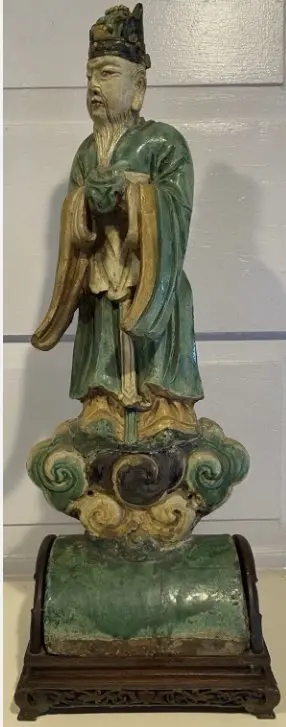
Chinese Shiwan Sancai Glazed Roof Tile Figure
Shared title details
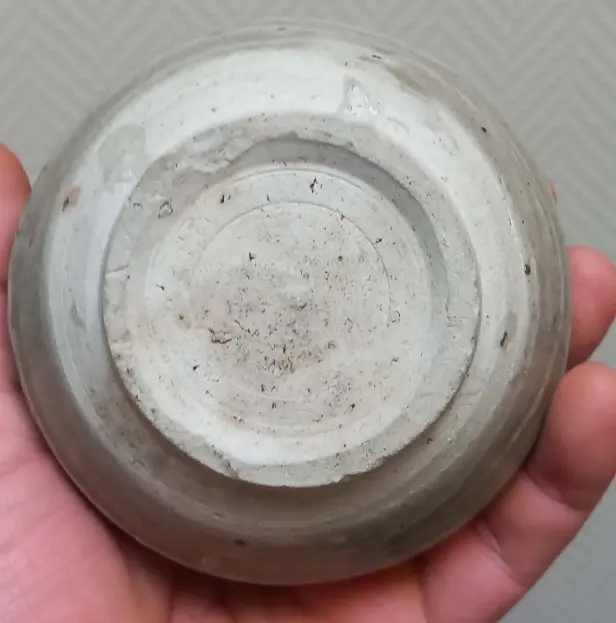
Korean Buncheong-style Glazed Stoneware Jar, Joseon Dynasty Type
Shared title details
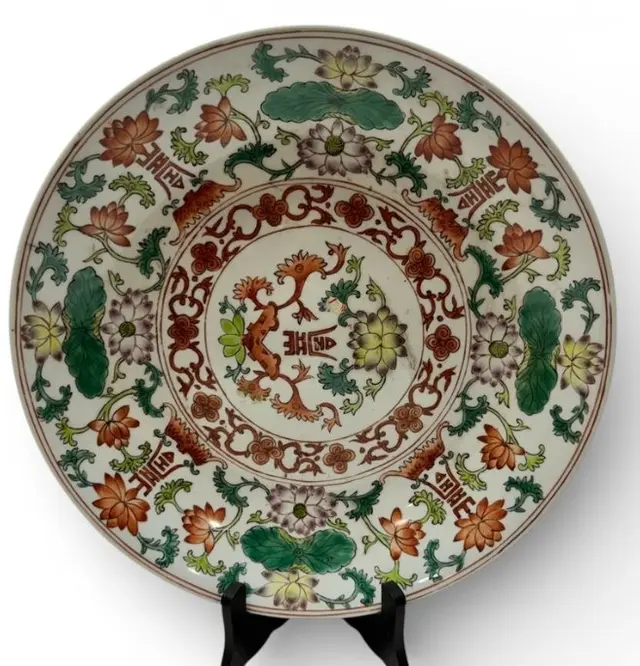
Chinese Wucai-style Famille Verte Porcelain Charger
Same category
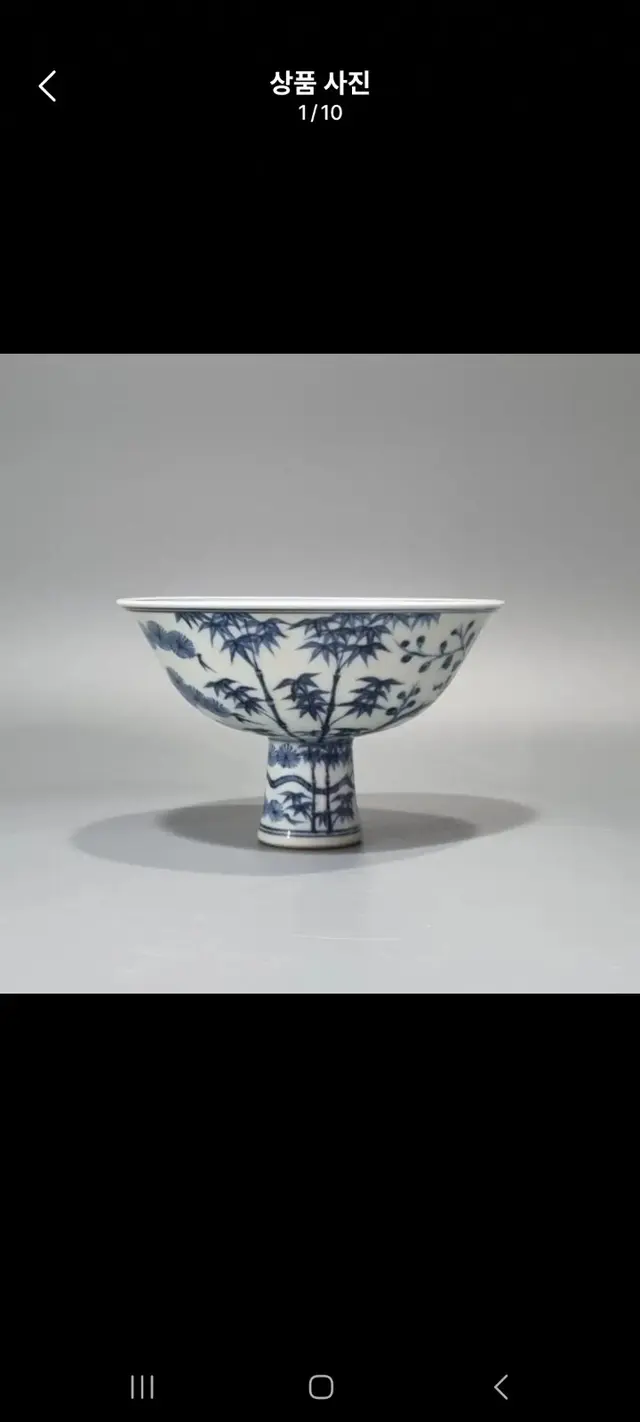
Chinese Blue and White 'Three Friends of Winter' Stem Cup, Ming Style
Same category
Explore Ceramics & Pottery
Pottery, porcelain, stoneware, earthenware, and kiln-fired objects.
Ceramics & Pottery value and rarity guideShare this find
A place for your ceramics
Keep its photographs, maker’s marks and the story you know in one object record. Start with a photo.
Create an account for 10 free scans. No credit card needed.
Join the conversation
Recognise a detail or have a question? Add what you know and cite your source. Suggested corrections stay in the discussion for the owner or a moderator to review.
Sign in to leave a comment
Sign in