Why are sealed Star Wars action figures worth so much?
The original Kenner Star Wars line (1978 to 1985) was produced in vast quantities but rarely preserved unopened. A sealed figure retains its factory-fresh condition and original blister card, which is graded by AFA (Action Figure Authority) on a scale of 0 to 100. A loose Luke Skywalker (1978, first 12-back card) might sell for 200 to 500 dollars; the same figure sealed on card in AFA 85 condition has sold for over 25,000 dollars. The rocket-firing Boba Fett prototype (never commercially released) set the category record at 236,000 dollars. Rarity factors include card-back variations, figure variants (vinyl versus telescoping lightsaber), and regional packaging differences.
What makes a Steiff teddy bear valuable?
Steiff bears are identified by the trademark 'button in ear' system introduced in 1904. Pre-1910 bears with boot-button eyes, elongated muzzles, humped backs, and mohair fur in excellent condition regularly sell for 5,000 to 50,000 dollars. The record price was set in 2000 when a 1905 Steiff bear made for Harrods sold for approximately 171,600 dollars. Value factors include era (pre-1920 is most valuable), condition of mohair and joints, original clothing if present, size (larger bears command more), and color (white and cinnamon are rarer than gold). The Steiff button should be present: a blank button indicates pre-1905, an elephant logo button 1905 to 1950, and a yellow cloth tag is post-1948.
How do I identify valuable vintage LEGO sets?
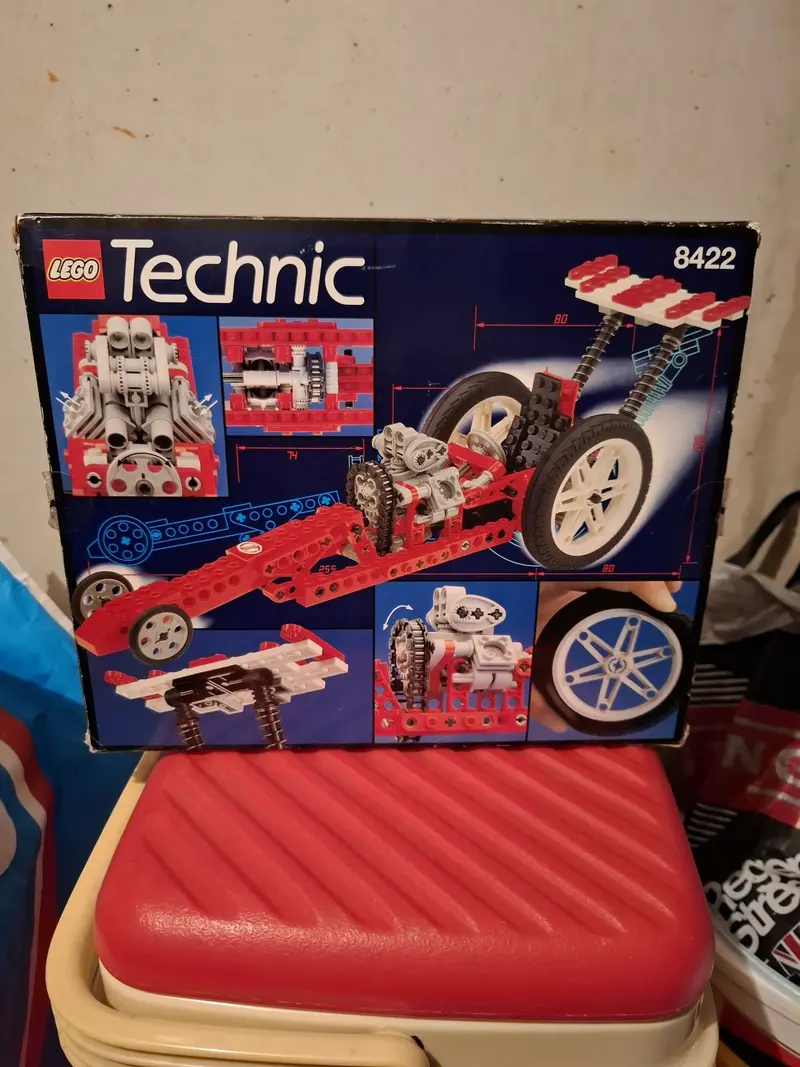
Sealed LEGO sets have become a major collectible category, with certain discontinued sets appreciating faster than stocks. The LEGO Cafe Corner (set 10182, 2007, retired 2008) originally retailed at 139.99 dollars and now sells sealed for 3,000 to 5,000 dollars. The UCS Millennium Falcon (set 10179, 2007) sealed has reached over 7,000 dollars. Key value factors: discontinued status (retired sets appreciate), theme popularity (Star Wars, modular buildings, castle), condition of box seal, and completeness. Used sets with all pieces and instructions retain 40 to 60 percent of sealed values. Minifigures from limited sets (San Diego Comic-Con exclusives) have reached 3,000 dollars individually.
What vintage board games are actually worth money?
Pre-1900 board games with complete pieces and intact lithographed boards are the most valuable, with McLoughlin Brothers games from the 1880s and 90s selling for 500 to 10,000 dollars. Early Monopoly sets (pre-Parker Brothers, hand-made Darrow editions from 1933 to 1934) are exceptionally rare and have sold for over 100,000 dollars. Complete vintage copies of Fireside Game Company's 'Bulls and Bears' or Milton Bradley's 'The Checkered Game of Life' (1860) command 1,000 to 5,000 dollars. For post-war games, completeness is everything: a 1960s Mouse Trap with all original pieces in the box is worth 100 to 300 dollars, while incomplete sets sell for 10 to 20 dollars.
Are Hot Wheels and die-cast cars still collectible?
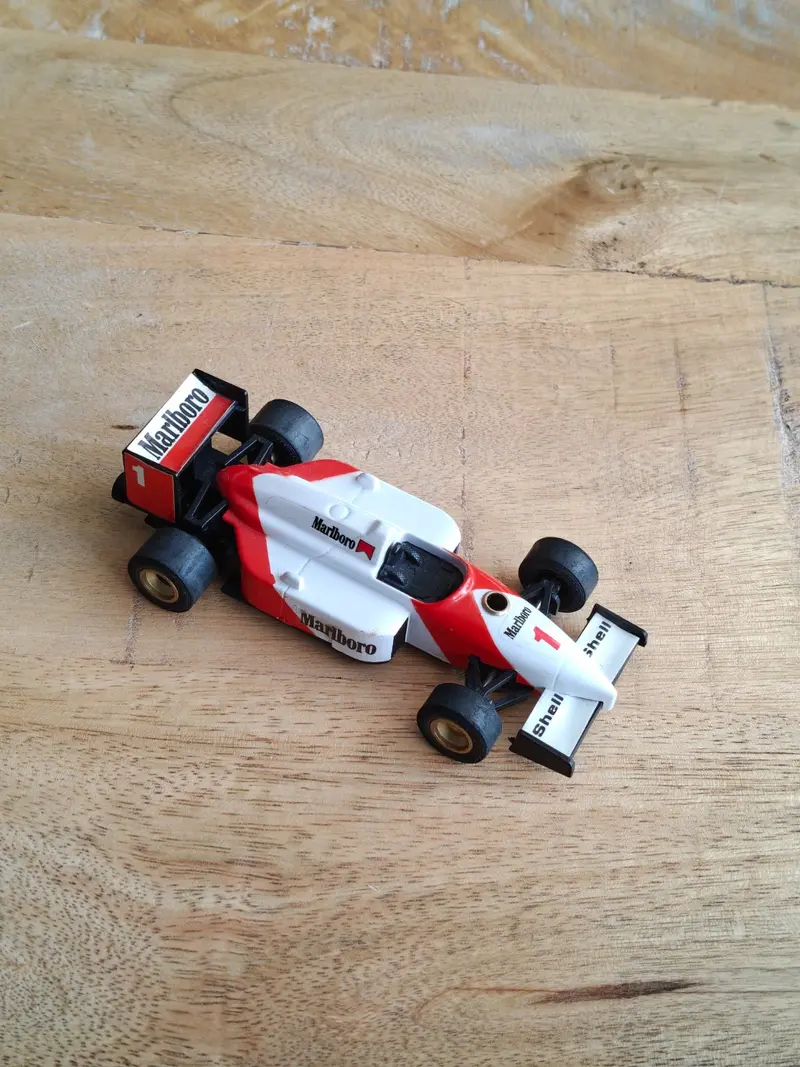
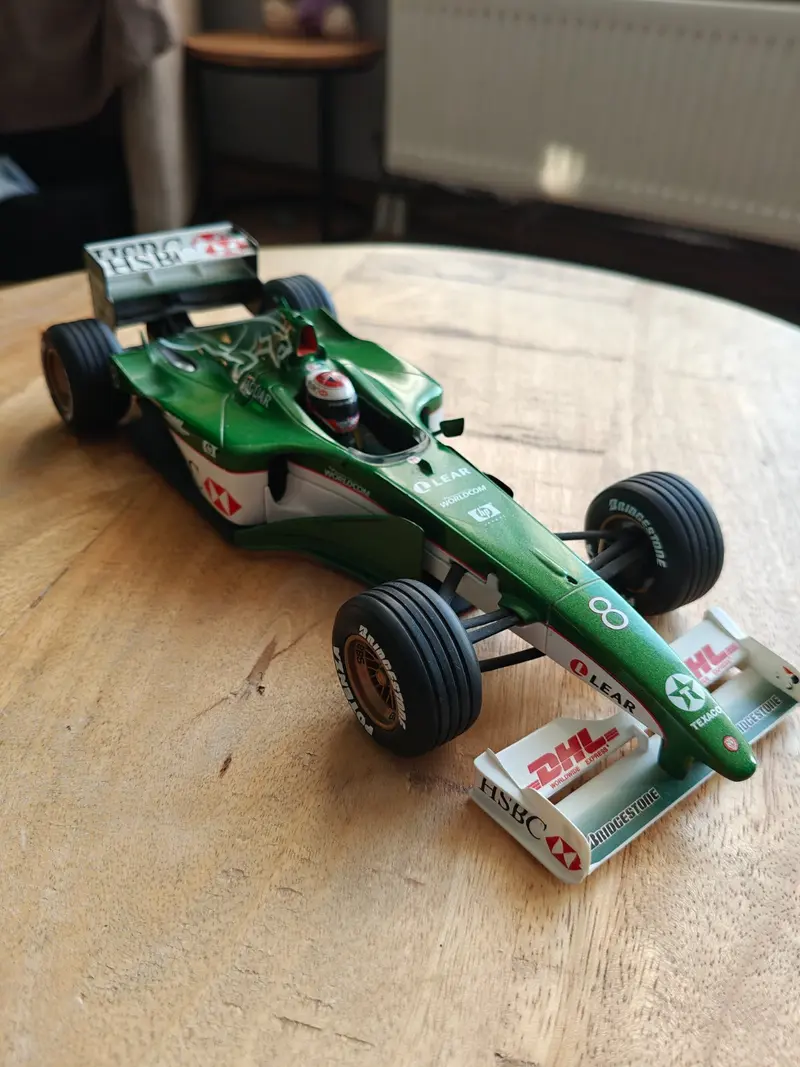
Original Mattel Hot Wheels from 1968 to 1977 (the 'Redline' era, named for the red stripe on the tires) remain collectible. Common Redline cars in good condition sell for 20 to 100 dollars, but rare color variations can reach thousands. The 1969 Pink Rear-Loading Beach Bomb prototype is considered the holy grail, with only two known examples valued at over 150,000 dollars. Dinky Toys and Corgi Toys from the 1950s and 60s in original boxes command 100 to 5,000 dollars. Matchbox cars by Lesney (1953 to 1982) are a more accessible entry point at 10 to 500 dollars for boxed examples.
How has the vintage video game market developed?
The vintage video game market experienced a massive spike in 2021 when a sealed Super Mario Bros. (1985) sold for 2 million dollars, but the market has corrected significantly since. By 2026, sealed NES games have declined 40 to 60 percent from peak prices, though they remain well above pre-pandemic levels. The grading controversy (Wata Games faced allegations of market manipulation in 2022) has shifted collector preference toward Heritage Auctions and independent verification. CIB (complete in box) games have held value better than sealed examples. The retro gaming market for played, complete games at 50 to 500 dollars remains healthy and driven by genuine nostalgia rather than speculation.