
Dutch Interior Scene with Woman Sewing
Estimated value
$1,200 - $3,500Rarity
Uncommon(5/10)Category
PaintingsEra
Late 19th Century to Early 20th Century (1880-1920)Origin
NetherlandsArtist / Creator
Jacob KeverVisual assessment
Photo analysis
Save to revisit in your watchlist. This does not add the object to your own collection.
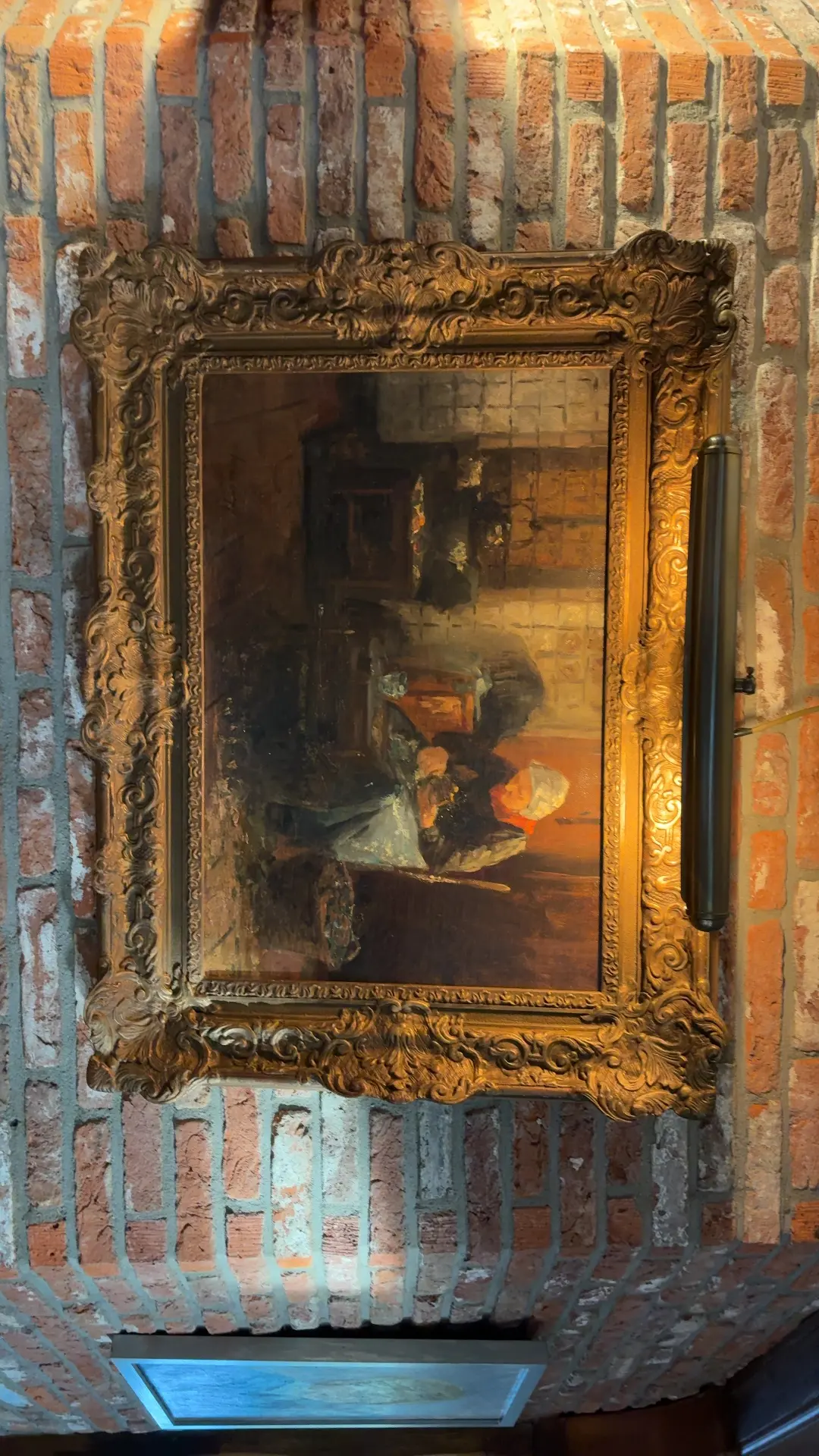
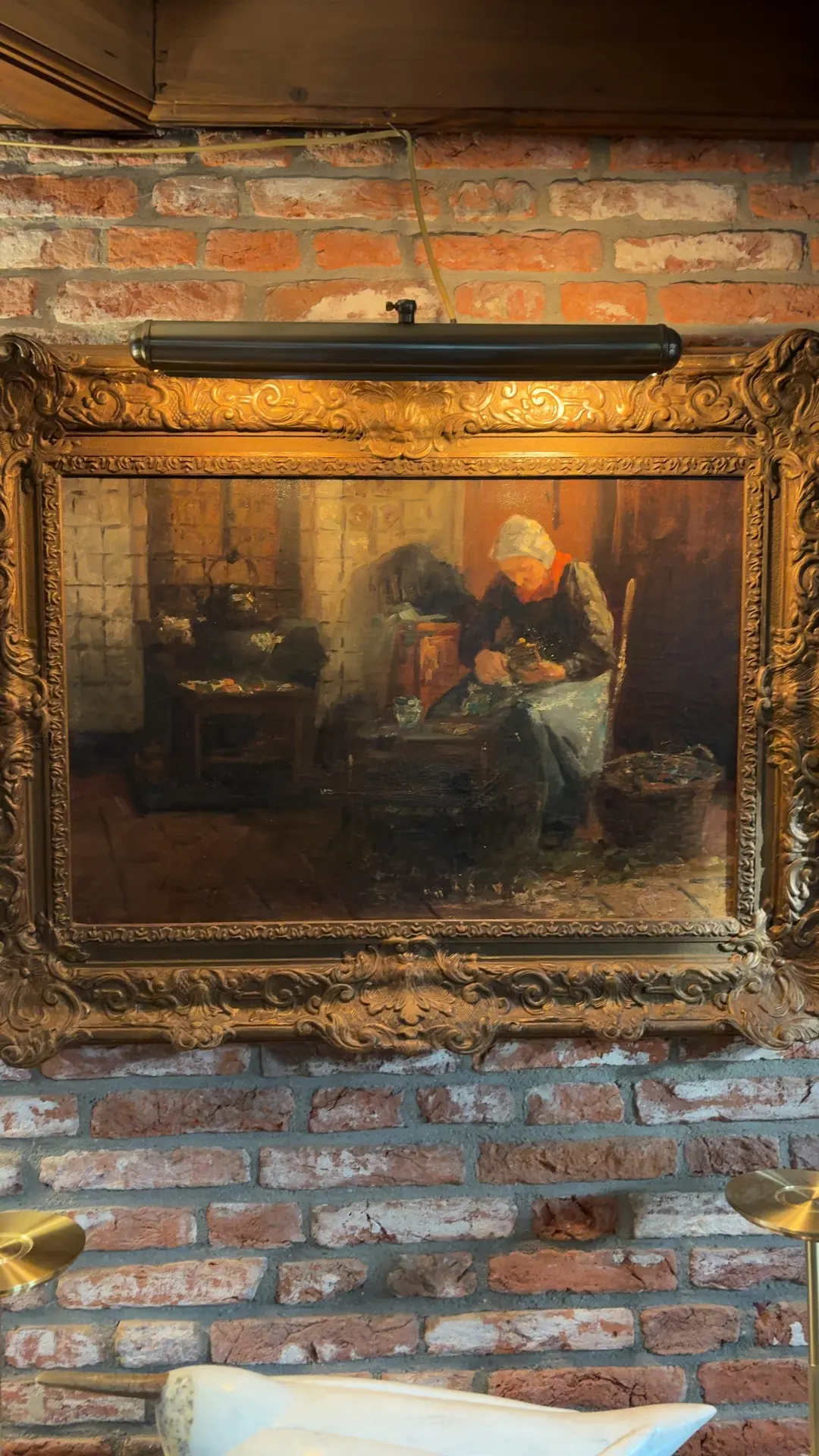
Dutch Interior Scene
This appears to be an oil painting depicting an interior genre scene, likely of Dutch or Flemish origin, featuring a woman engaged in domestic work, possibly sewing or mending. The composition, characterized by soft, warm light emanating from an unseen source, suggests a late 19th or early 20th-century period. The use of rich, earthy tones and visible brushwork is typical of academic realism or the Hague School influence. The painting is housed within a heavily ornate, possibly gilded, frame that is consistent with the stylistic preferences of the era.
Related traditions
Dutch/Flemish Masters
17th Century
The tradition of intimate genre scenes, particularly figures engaged in domestic tasks, can be traced back to 17th-century artists like Jan Vermeer and Pieter de Hooch.
The Hague School (Dutch)
Late 19th Century
This painting shares stylistic similarities, such as muted tones, focus on light, and rendering of everyday life, with works by artists like Jozef Israëls or Anton Mauve.
Use and ceremony
17th Century (Dutch Golden Age)
While seemingly straightforward, domestic scenes often held moralistic or allegorical meanings, quietly commenting on diligence, virtue, or the fleeting nature of life.
19th Century (Academic Realism/Hague School)
These scenes shifted to emphasize realism and an empathetic portrayal of the working class or rural life, valuing authenticity and atmosphere over overt moralizing.
Origins and context
Genre paintings, especially those depicting domestic life and the 'common folk', gained significant popularity in 17th-century Dutch art and saw a revival in the 19th century, particularly through movements like the Hague School in the Netherlands. Artists sought to capture everyday moments, often imbuing them with a quiet dignity and a sense of realism. These works frequently explored themes of domesticity, labor, and the simple virtues of rural or working-class life, serving as cultural reflections of societal values and living conditions of the time.
The muted palette and intimate setting here harken back to the Golden Age of Dutch painting while employing a more impressionistic brushstroke typical of later periods.
Further details
The Hague School, active in the Netherlands during the late 19th century, often depicted similar genre scenes with a focus on light and atmosphere, earning them the moniker 'Dutch Impressionists'.
Genre painting, while capturing everyday life, was also popular for its potential to convey moral messages or allegories through its nuanced depictions of human activity.
Attribution and evidence
Confidence is good based on strong visual cues regarding period and style, material characteristics, and framing. However, the lack of an identifiable signature or clear provenance prevents a higher level of certainty regarding attribution.
Identifying details
- 1Oil on canvas medium with visible brushwork and impasto.
- 2Composition and thematic elements (domestic genre scene, intimate lighting) are consistent with late 19th/early 20th-century European art, especially Dutch/Flemish traditions.
- 3The ornate frame aligns with styles prevalent in the late 19th century, indicating period appropriateness.
- 4Presence of craquelure suggests age and natural drying of oil paint.
Open questions
- •No discernible signature or artist's mark provides concrete attribution.
- •The lighting conditions in the photographs make it difficult to ascertain fine details of brushwork and potential subtle restorations.
Photographs that would help
- High-resolution photographs of the entire painting and close-ups, especially around the lower corners and along the bottom edge, to search for a signature.
- Photographs of the reverse of the canvas, stretcher, and frame to look for gallery labels, exhibition stickers, or inventory numbers.
- Examination under UV light to reveal any significant overpainting or repairs, which could impact value and attribution.
- A professional condition report to assess the integrity of the canvas and paint layers.
Terms in this record
- Craquelure
- The network of fine cracks that forms on the surface of paint or varnish layers, typically indicating age and the natural drying and shrinking of materials.
- Impasto
- Paint applied thickly on a canvas or panel, such that the brushstrokes remain visible, adding texture and three-dimensionality to the surface.
- Genre Painting
- A style of painting depicting scenes from everyday life, often focusing on domestic settings, market scenes, or other ordinary human activities.
- Hague School
- A group of Dutch painters who worked in The Hague in the late 19th century, known for their realistic and often melancholic depictions of Dutch life and landscapes, influenced by the French Barbizon School.
Wear and preservation
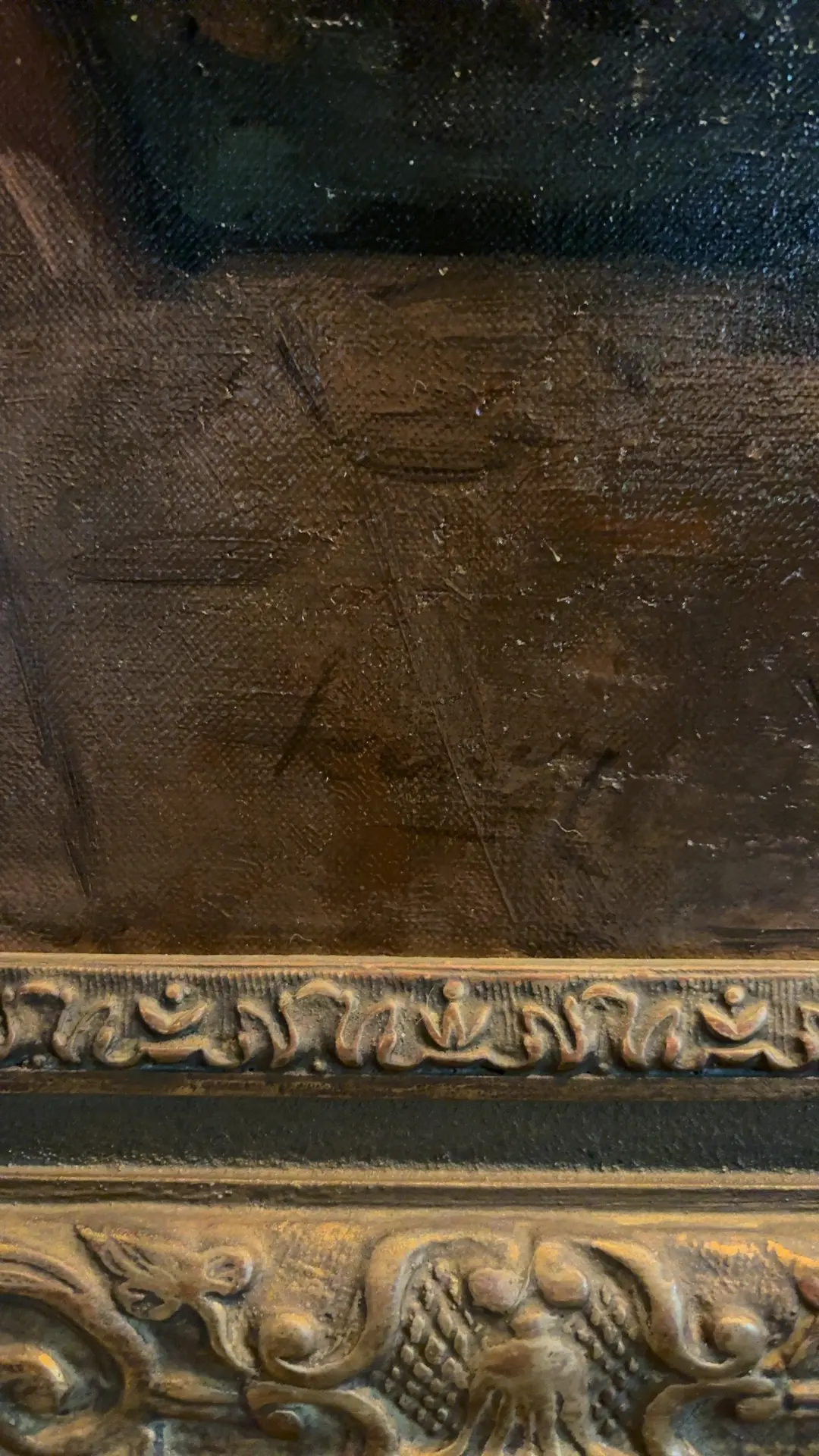
The painting shows signs of age consistent with a work from its estimated period, including some darkening of the varnish and likely surface grime. No significant tears or major paint losses are immediately apparent from the provided images, though a small area of potential loss or abrasion is noted in the lower right quadrant in the closer detail shot. The frame appears to be in good, aged condition with possible minor losses to the gilding or gesso, which is expected.
Scarcity and surviving examples
Uncommon · 5/10 estimated rarity
This is a qualitative collection score, not a measured survival count, market percentile or proof of authenticity.
What the photographs establish
Interpretation of the photographs and supplied context. This does not authenticate the object.
- Lack of visible signature or artist's mark in clear detail.
- Genre scenes were frequently copied or created by 'school of' artists.
- Image quality limits detailed examination of brushwork and substrate.
Value and its basis
Estimate recorded: Feb 27, 2026
How we estimate value
- No documented comparable sales are shown for this estimate
- Condition, completeness & craftsmanship
- Demand assumptions may not reflect current transactions
- The range is an estimate, not an asking price or sale result
For informational purposes only, not a formal appraisal.
Related objects
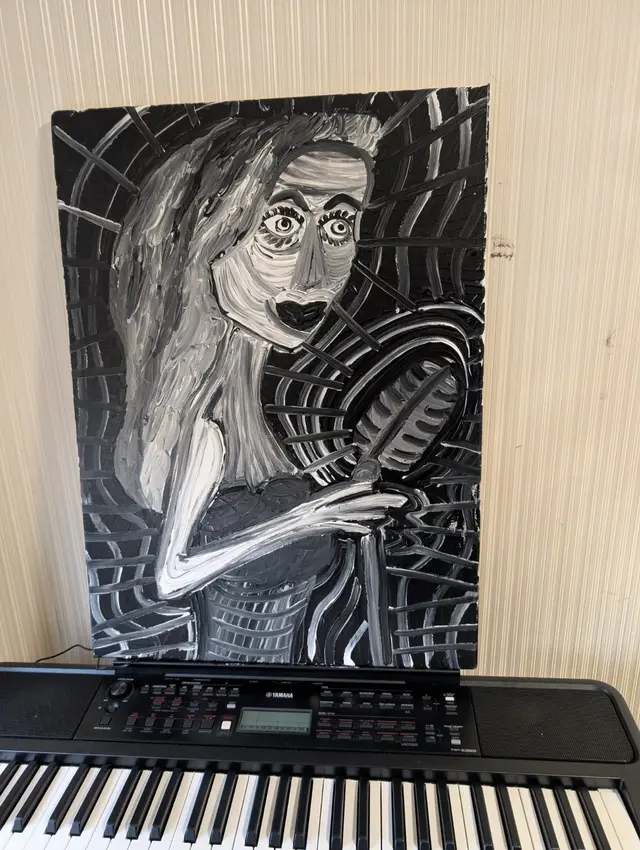
Contemporary Figurative Painting of a Woman with a Microphone
Same category
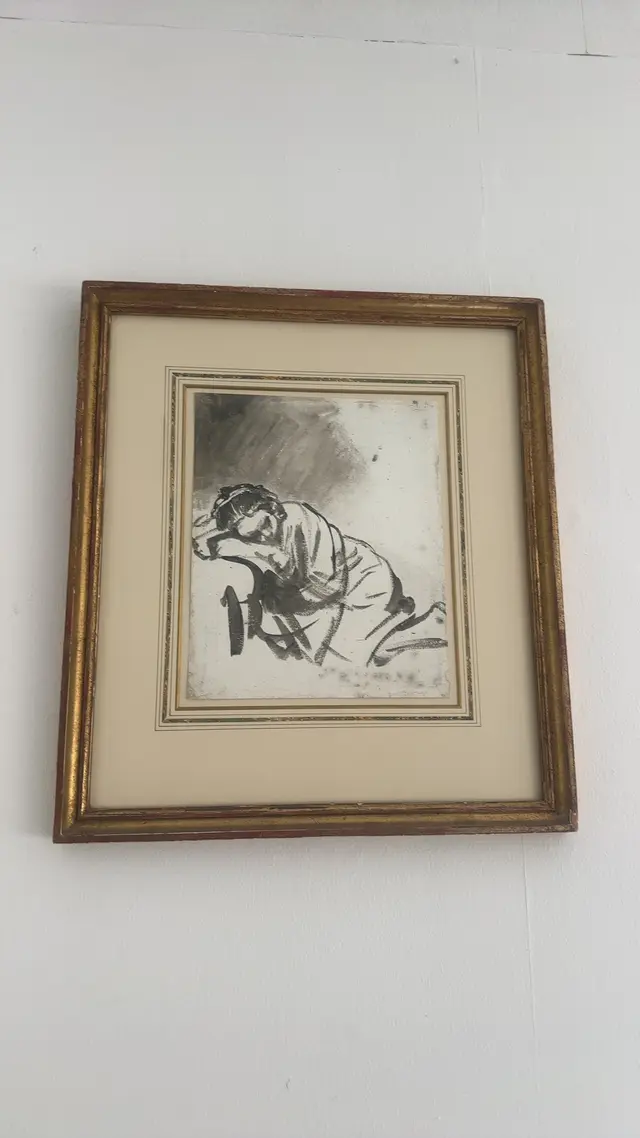
Manner of Rembrandt van Rijn - A Young Woman Sleeping, Pen and Brush in Bistre (Ink Wash Drawing)
Same category
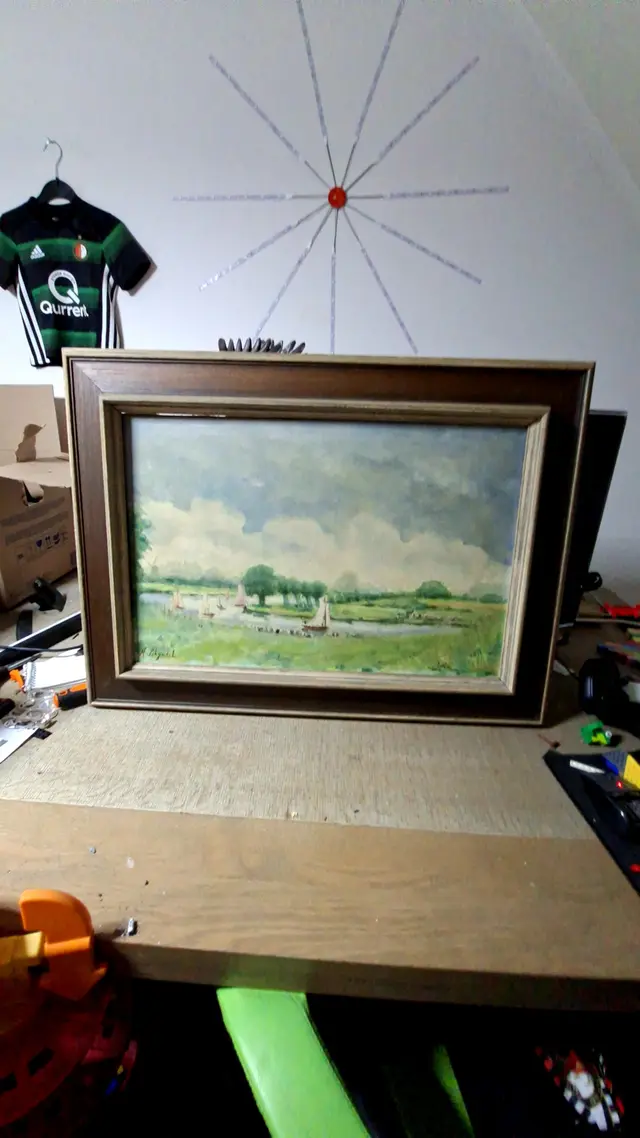
Dutch River Landscape Oil Painting by M. Schijndel
Same category
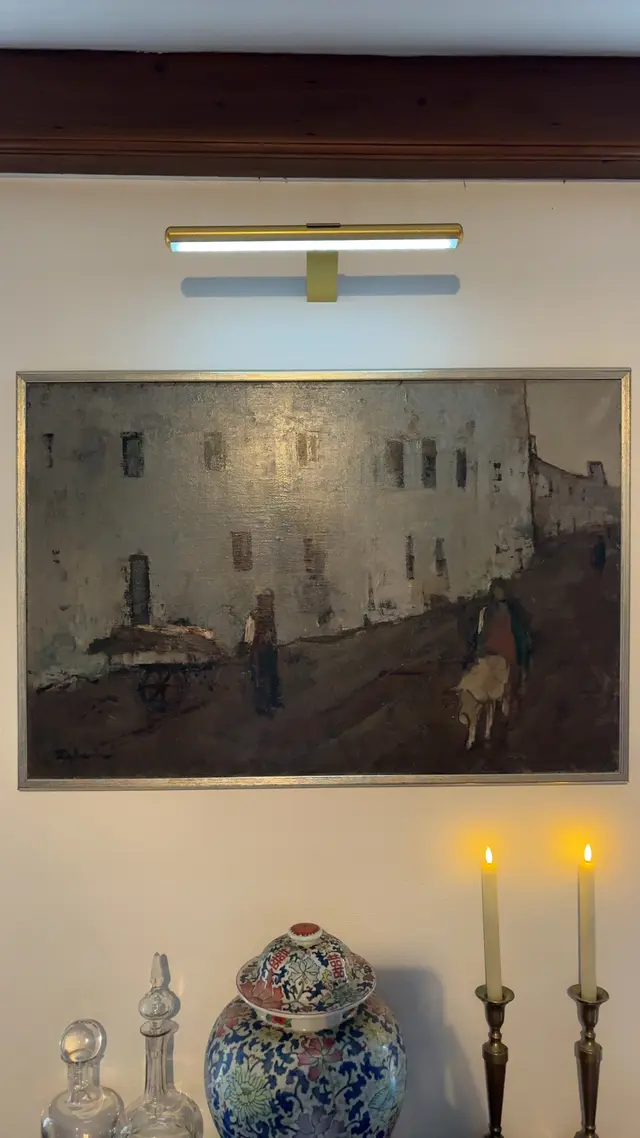
Impressionistic Street Scene with Figures
Same category
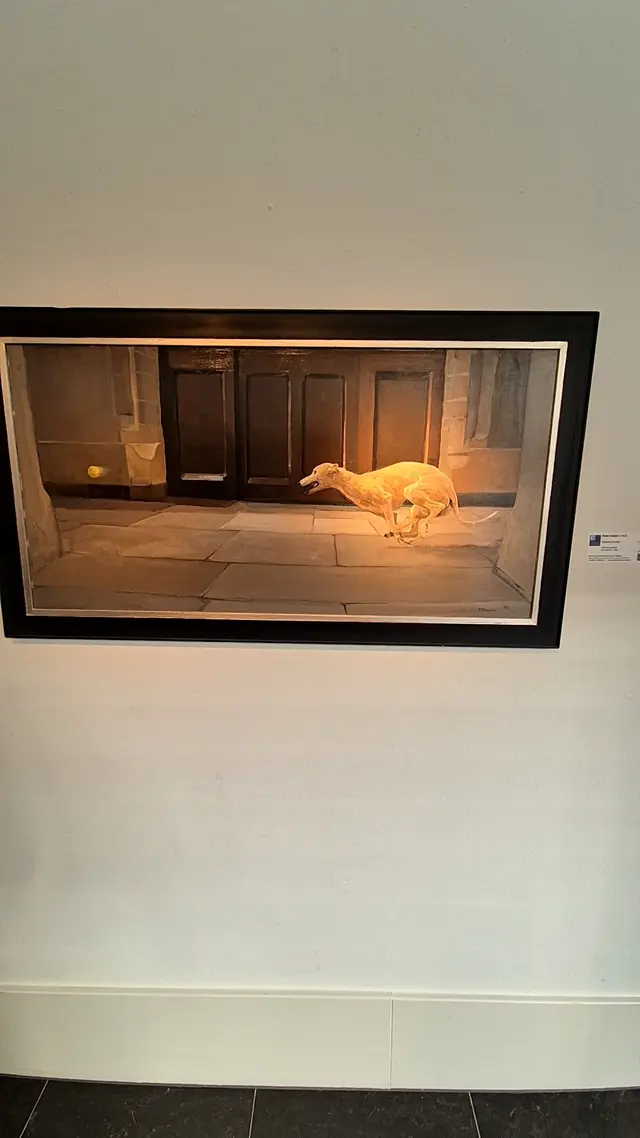
Contemporary Oil Painting of a Running Whippet or Greyhound
Same category
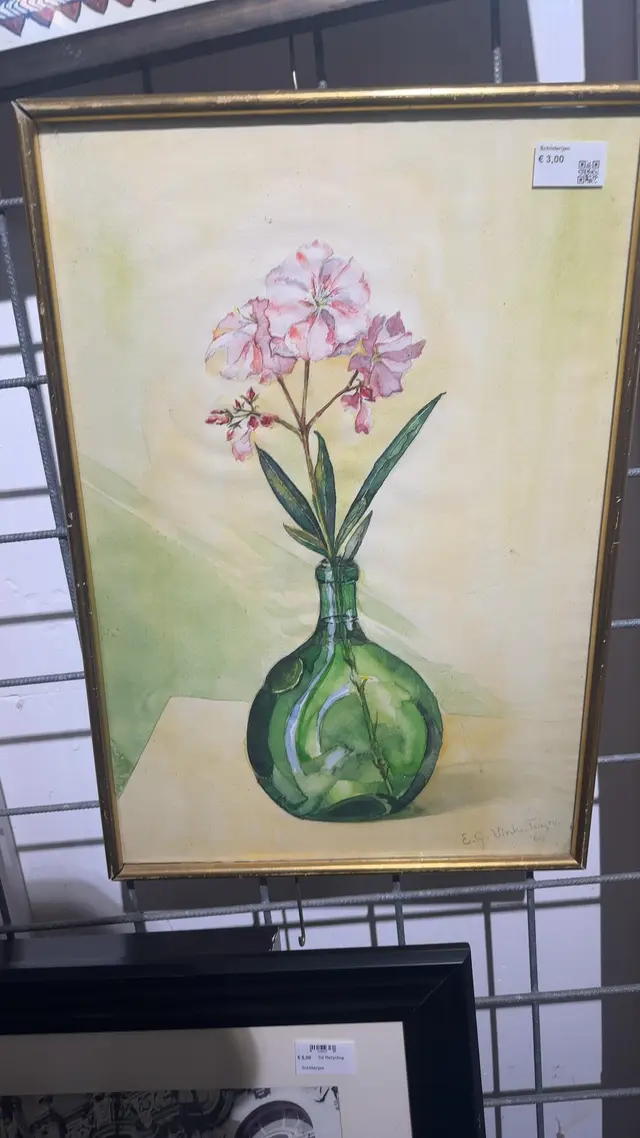
Floral Still Life in Green Bottle, Watercolor
Same category
Explore Paintings
Oil paintings, watercolors, acrylics, and painted works on canvas, panel, and paper.
Paintings value and rarity guideShare this find
A place for your paintings
Keep its photographs, maker’s marks and the story you know in one object record. Start with a photo.
Create an account for 10 free scans. No credit card needed.
Join the conversation