What makes a 1959 Gibson Les Paul Standard so valuable?
The 1958 to 1960 Les Paul Standard (approximately 1,700 made total) is the most electric guitar in existence. The 1959 model year is considered the peak due to a specific neck profile (a slightly thicker C-shape), PAF (Patent Applied For) humbucking pickups with unmatched tone, and premium flame maple tops. Prices in 2026 range from 250,000 to over 500,000 dollars for well-preserved examples with original finish. A 1959 Standard owned by Peter Green and later Gary Moore sold privately for a reported 2 million dollars. Key authentication points: original Kluson tuners, ABR-1 bridge, long tenon neck joint, and specific pot date codes. Refinished examples sell for 50,000 to 100,000 dollars.
How do I identify a pre-CBS Fender guitar?
CBS acquired Fender in January 1965, and guitars made before this date (pre-CBS) are significantly more valuable. Identification markers: pre-CBS Fenders use a spaghetti-style logo (thin, cursive) rather than the later transition logo. Neck dates are penciled on the heel. Serial numbers on the bridge plate (pre-1954) or neckplate follow specific ranges documented in reference books. The body contours, pickguard shape, and wiring changed subtly across years. A 1964 Fender Stratocaster in original condition sells for 25,000 to 60,000 dollars. The pre-CBS premium is significant: an identical 1966 Stratocaster (post-CBS) sells for 8,000 to 15,000 dollars.
Are vintage synthesizers still appreciating?
The analog synthesizer market peaked around 2019 to 2020 and has stabilized since. A Moog Minimoog Model D (produced 1970 to 1981) sells for 8,000 to 15,000 dollars, down from peaks of 20,000 dollars but well above the 3,000 dollar levels of 2015. The ARP 2600 (1971 to 1981) remains strong at 10,000 to 20,000 dollars. Roland TR-808 drum machines have settled around 5,000 to 8,000 dollars. The market correction was driven partly by affordable modern reissues (Moog, Korg, Behringer all produced faithful reproductions). Modular synthesizers by Buchla and Serge maintain strong values due to their rarity and lack of reissue. The Sequential Prophet-5 (1978 to 1984) is a consistent performer at 6,000 to 12,000 dollars.
What makes a Stradivarius violin worth millions?
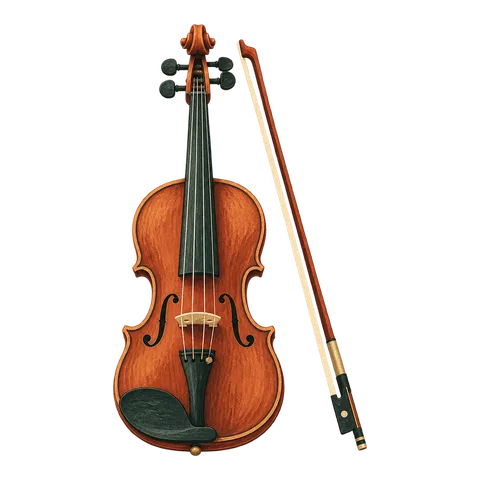
Antonio Stradivari made approximately 1,100 instruments in Cremona, Italy, between roughly 1666 and 1737. About 650 are known to survive. The combination of unique tonal quality (debated by scientists but consistently preferred by elite performers), extreme rarity, and nearly 350 years of provenance creates value. The 'Lady Blunt' Stradivarius sold in 2011 for 15.9 million dollars. Concert-quality Stradivari violins range from 3 to 20 million dollars. Authentication requires dendrochronological dating (tree ring analysis of the spruce top), expert examination of construction details, and provenance tracking through published references. Other Cremonese makers (Guarneri del Gesù, Amati) also command millions.
How do I start collecting vintage audio equipment?
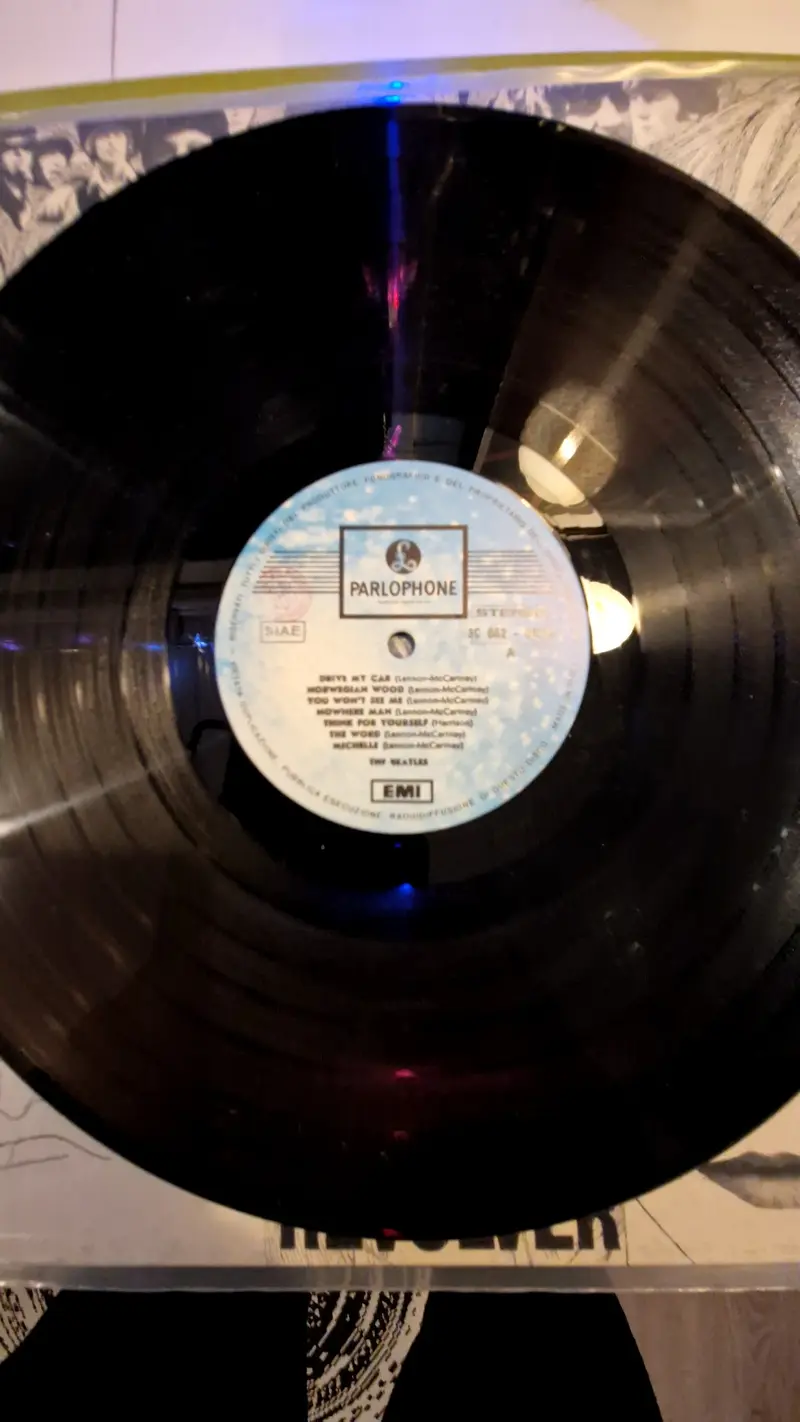
Begin with a focus: tube amplifiers, turntables, or speakers. For amplifiers, McIntosh (MC275, MC240), Marantz (Model 9, 8B), and Fisher (500C) represent the blue-chip names with prices from 2,000 to 20,000 dollars. Vintage Thorens (TD-124, TD-150) and Garrard (301, 401) turntables sell for 1,000 to 5,000 dollars. JBL (Paragon, L100), Altec Lansing (604), and Klipsch (Klipschorn) speakers have strong collector bases. Condition is critical: recap (replacing electrolytic capacitors) is standard maintenance for tube equipment and costs 200 to 500 dollars. Original tubes are preferred, particularly Mullard, Telefunken, and Amperex. Vintage equipment should be tested by a qualified technician before powering up to prevent damage.
What acoustic guitars are most valuable?
Pre-war Martin guitars dominate the acoustic market. The 1930s D-45 (91 made before 1942) is the holy grail at 200,000 to over 500,000 dollars. The D-28 'Herringbone' (pre-1947) sells for 30,000 to 80,000 dollars. Gibson acoustics from the 1930s and 40s (Advanced Jumbo, J-45, J-200) sell for 10,000 to 50,000 dollars. For classical guitars, Torres (19th century, 20,000 to 200,000 dollars), Hauser (1930s to 50s, 30,000 to 150,000 dollars), and Fleta (1960s to 70s, 20,000 to 80,000 dollars) are the most collected makers. Key factors: wood quality (Brazilian rosewood is most and CITES-restricted since 1992), structural integrity, neck reset history, and whether the top has been refinished.