
ORUS Lapis Lazuli Rosary-Style Chain Necklace
Visual assessment
Photo analysis
Save to revisit in your watchlist. This does not add the object to your own collection.
ORUS Lapis Lazuli Rosary-Style Chain Necklace
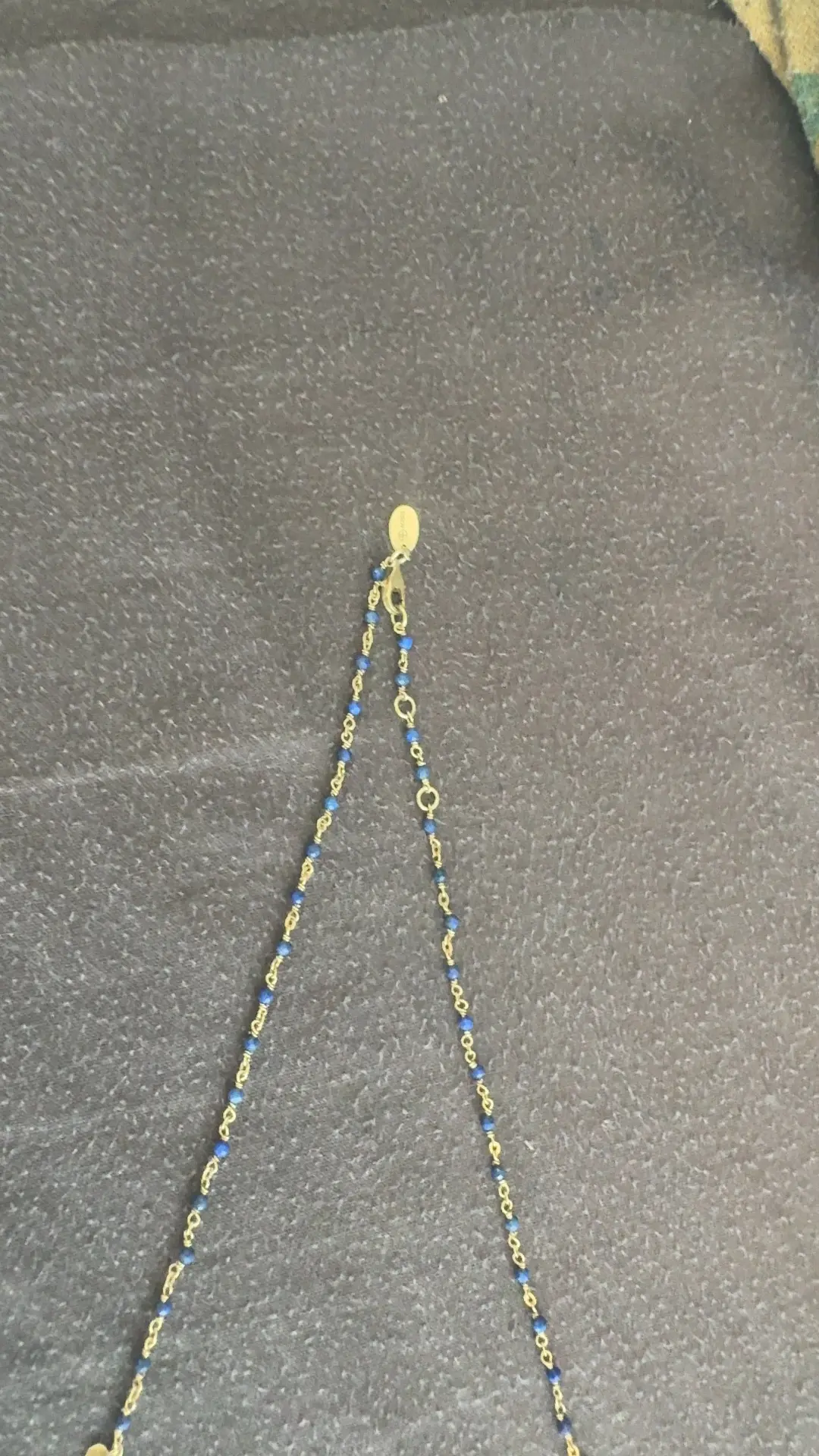
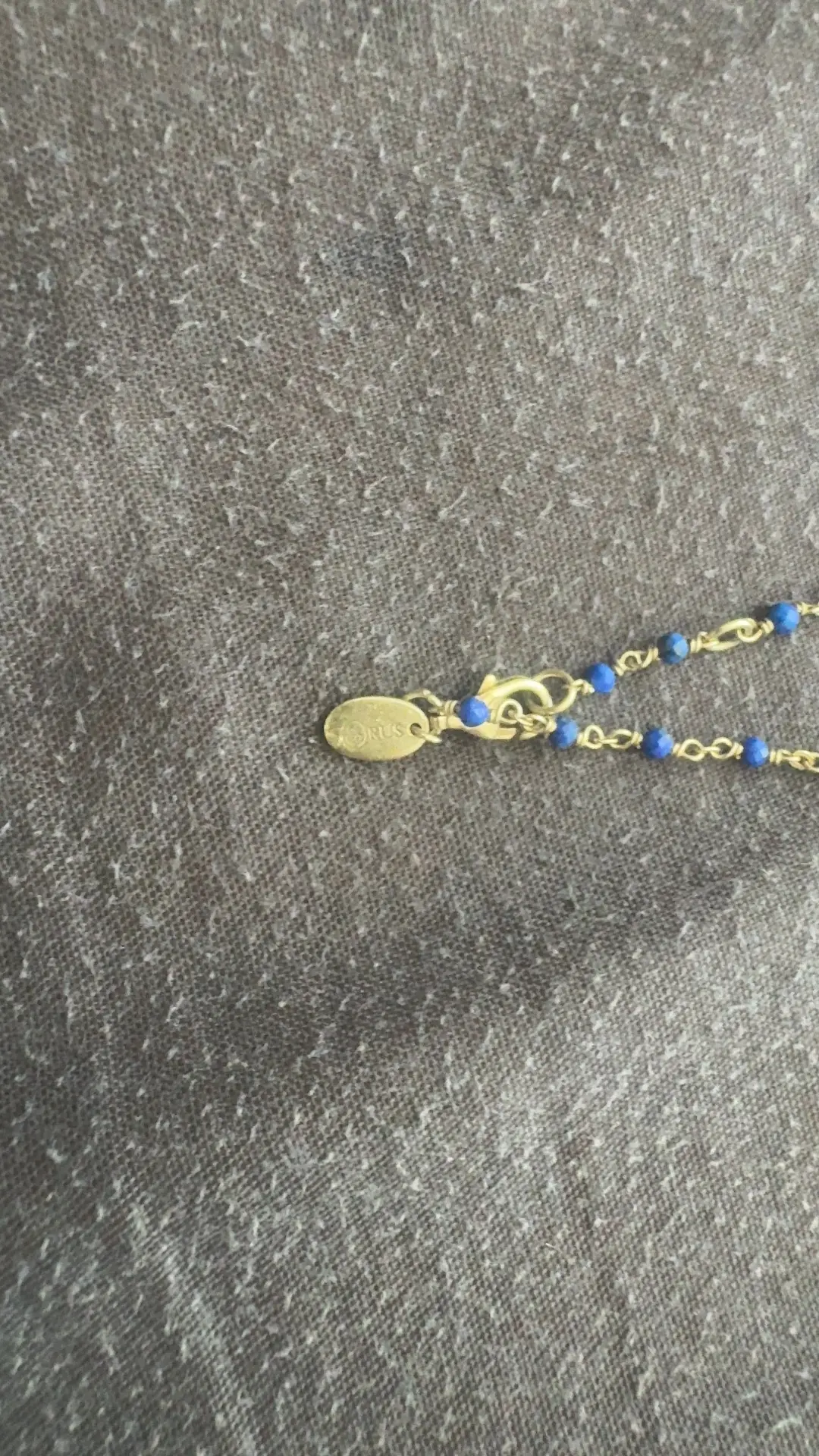
A fine-gauge rosary-style necklace featuring faceted lapis lazuli beads measuring approximately 2-2.5mm each. The beads are wire-wrapped in a station-link configuration with a yellow-toned metal chain. The terminal features a lobster claw clasp and a signature oval hang tag stamped with the 'ORUS' brand name and logo.
Related traditions
French Contemporary Design
Post-2007
ORUS represents the 21st-century trend of 'rebellious chic' jewelry originating from the Marais district of Paris
Use and ceremony
Medieval
The wired-bead style was strictly religious, used for counting prayers in rosaries
21st Century
The rosary form has been fully secularized as a bohemian jewelry staple
Origins and context
The 'ORUS' brand, founded in 2007, focuses on artisanal jewelry techniques including the 'chaine chapelet' (rosary chain) style which gained significant popularity in the late 2010s. This specific construction mimics traditional liturgical bead-stringing but is adapted for contemporary fashion jewelry. The brand often uses 925 sterling silver with 18k gold plating (vermeil) as its primary medium.
Further details
The 'chaine chapelet' design is achieved by individually looping metal wire through each bead, a technique that prevents the entire necklace from unravelling if one link breaks.
Lapis Lazuli has been mined in the Sar-i Sang mines of Afghanistan for over 6,000 years, providing the same pigment used for ultramarine paint in Renaissance masterpieces.
Attribution and evidence
Confidence is high due to the clear branding stamp and specific construction style which aligns perfectly with the identified manufacturer's catalog.
Identifying details
- 1Presence of 'ORUS' stamped oval authenticity tag near the clasp
- 2Use of faceted lapis lazuli in a 2mm micro-scale characteristic of the 2010-2020 era
- 3Rosary-style hand-wrapping of wire links rather than machine-cast links
- 4Lobster claw clasp with appropriate tension and lack of surface oxidation
Photographs that would help
- Check for a '925' stamp on the back of the tag or clasp to confirm sterling silver base metal
- Test the lapis lazuli with a damp swab to ensure the blue color is natural and not surface-dyed
Terms in this record
- Station necklace
- A jewelry design where beads or gemstones are placed at intervals along a chain rather than being adjacent
- Wire-wrapping
- A technique using jewelry wire to create loops that connect components without the use of solder
- Vermeil
- High-quality gold plating over a base of sterling silver
Wear and preservation
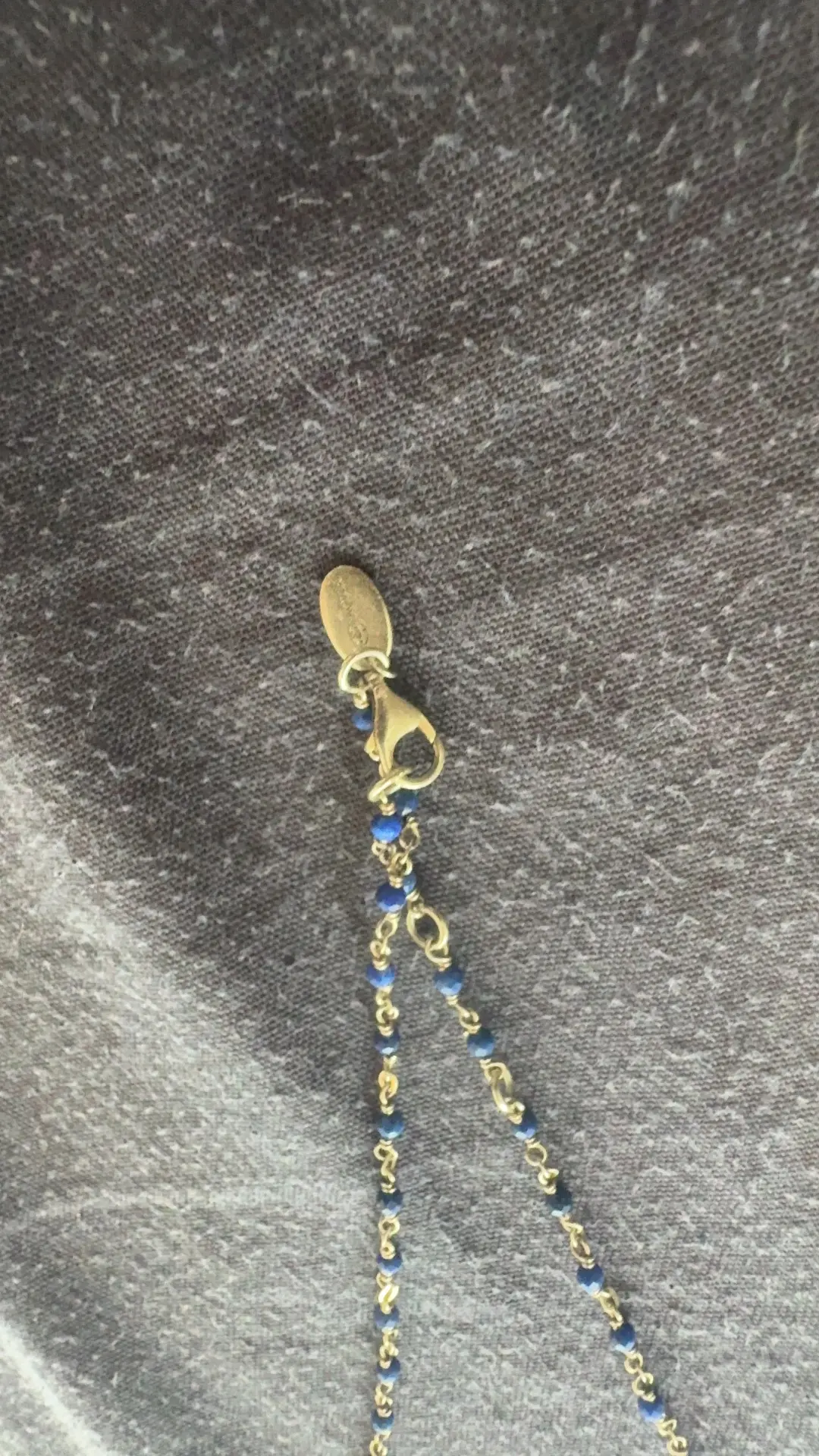
Plating is intact without brassing; the lobster clasp functions smoothly; beads show consistent color saturation and no surface abrasions.
The item appears in pristine condition with no visible loss of gold plating on the jump rings or tag. Facets on the lapis beads are sharp and free of chips; wire wraps are uniform and tight.
Materials and construction
Small, hand-faceted lapis lazuli beads showing characteristic deep blue hue with slight calcite or pyrite inclusions. The metal exhibits a bright, polished yellow-gold finish consistent with high-grade plating.
Recorded physical details
Estimated between 5-10 grams; typical for fine-gauge station necklaces designed for light daily wear.
Scarcity and surviving examples
Average · 4/10 estimated rarity
This is a qualitative collection score, not a measured survival count, market percentile or proof of authenticity.
What the photographs establish
Interpretation of the photographs and supplied context. This does not authenticate the object.
- Branded hang tag with distinct ORUS logo matches known contemporary retail examples
- Construction technique is consistent with high-end costume/vermeil jewelry brands
Value and its basis
Estimate recorded: Jul 18, 2026
How we estimate value
Estimate context (not a documented sale): Similar ORUS lapis lazuli necklaces currently retail between €120-€150 on European boutique sites.
Collectors and interest
Collectors of contemporary French designer jewelry and individuals looking for high-quality everyday bohemian-style accessories.
What supports the estimate
- •Clarity and saturation of the lapis lazuli beads
- •Presence of the ORUS hallmark which increases retail secondary value
- •Consistency of the gold plating color
What could change it
- •Gold-plated items lose value rapidly if the plating shows wear (brassing)
- •Kinks in the delicate wire-wrapped links can lead to breakage
Comparing quality
- •Deep indigo stones with visible gold-colored pyrite specks
- •Uniformity in the hand-wrapped metal loops
The effect of condition
Metal plating integrity, stone security in wire wraps, and clarity of the hallmark stamp.
Market interest
For informational purposes only, not a formal appraisal.
The collector’s account
Supporting details
- User stated 'Mint' condition - visual inspection shows no wear to plating or stone damage
- User stated 'Original/Authentic' - branding stamps and construction align with genuine ORUS production
Related objects
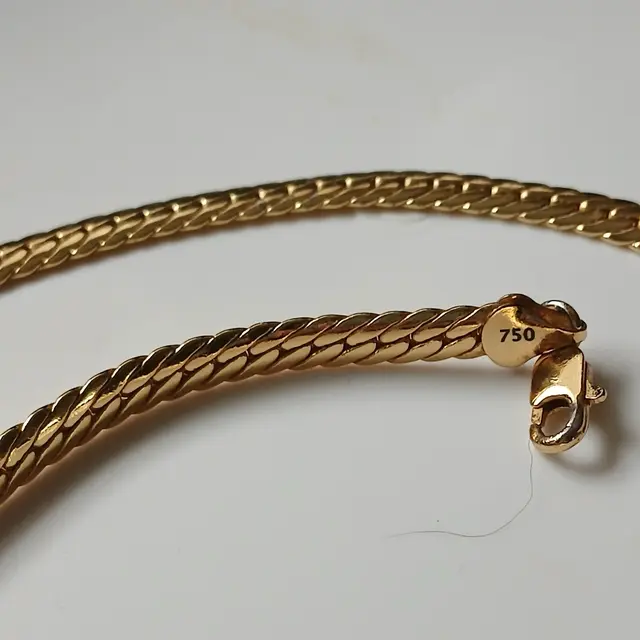
Italian 750 Gold Omega-Style Chain Necklace
Shared title details
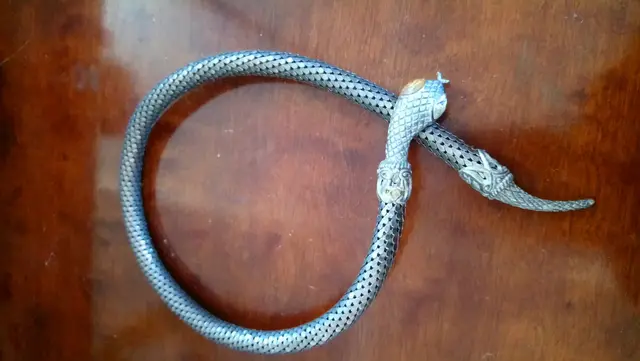
Victorian Style Silver Plate Snake Mesh Belt or Necklace c.1960-1980
Shared title details
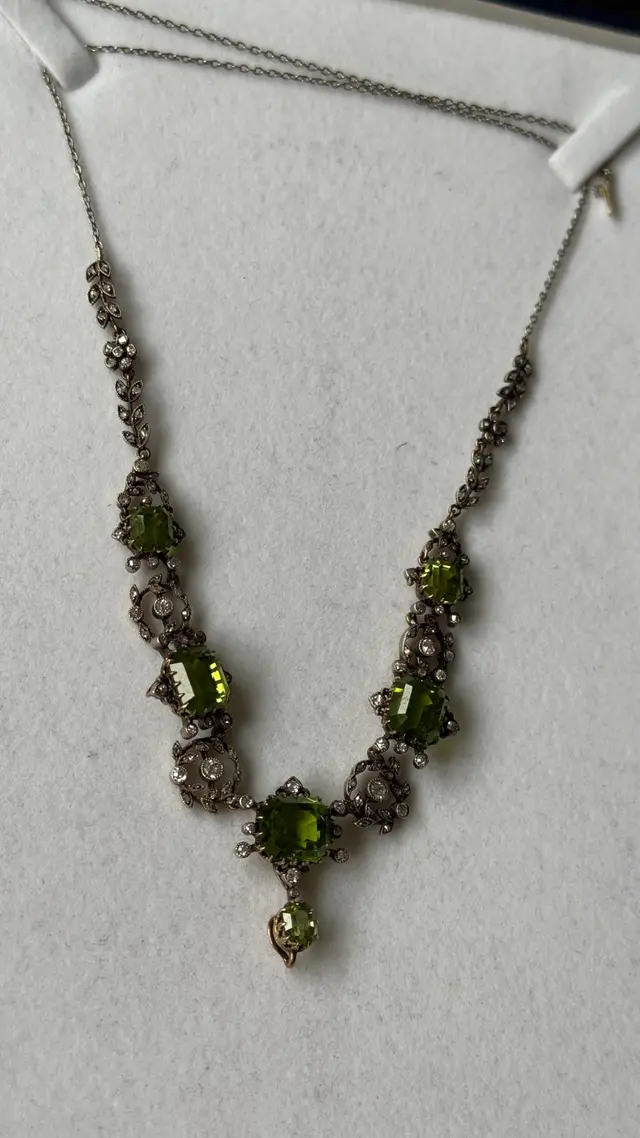
Edwardian Style Peridot and Diamond Festoon Necklace
Shared title details
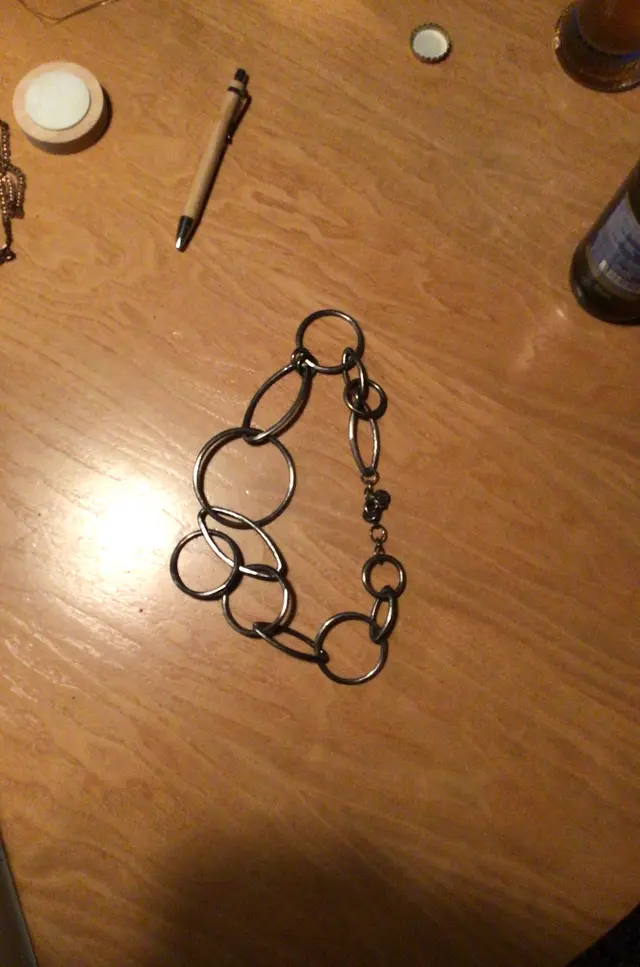
Contemporary Link Chain Necklace
Shared title details
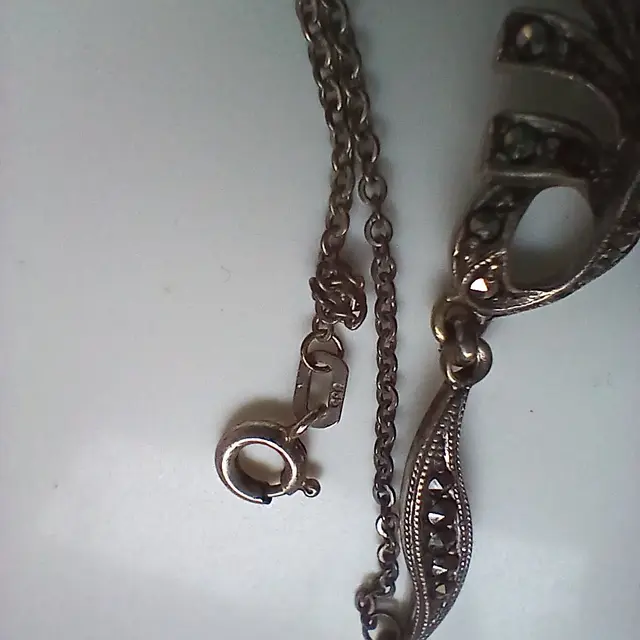
Art Deco Style Marcasite Sterling Silver Necklace
Shared title details
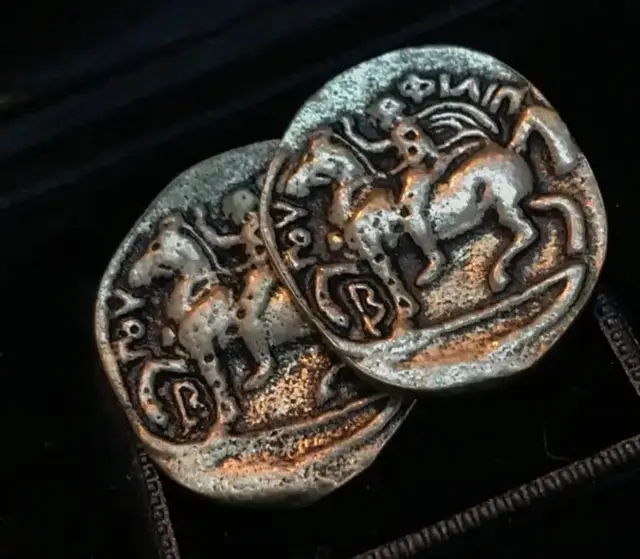
Philip II of Macedon Tetradrachm-Style Cufflinks
Same category
Explore Jewelry
Fine jewelry, costume pieces, rings, necklaces, bracelets, and brooches.
Jewelry value and rarity guideShare this find
A place for your jewelry
Keep its photographs, maker’s marks and the story you know in one object record. Start with a photo.
Create an account for 10 free scans. No credit card needed.
Join the conversation
Recognise a detail or have a question? Add what you know and cite your source. Suggested corrections stay in the discussion for the owner or a moderator to review.
Sign in to leave a comment
Sign in