
Louis XV Style Reproduction Accent Chair
Visual assessment
Photo analysis
Save to revisit in your watchlist. This does not add the object to your own collection.
Louis XV Style Reproduction Accent Chair
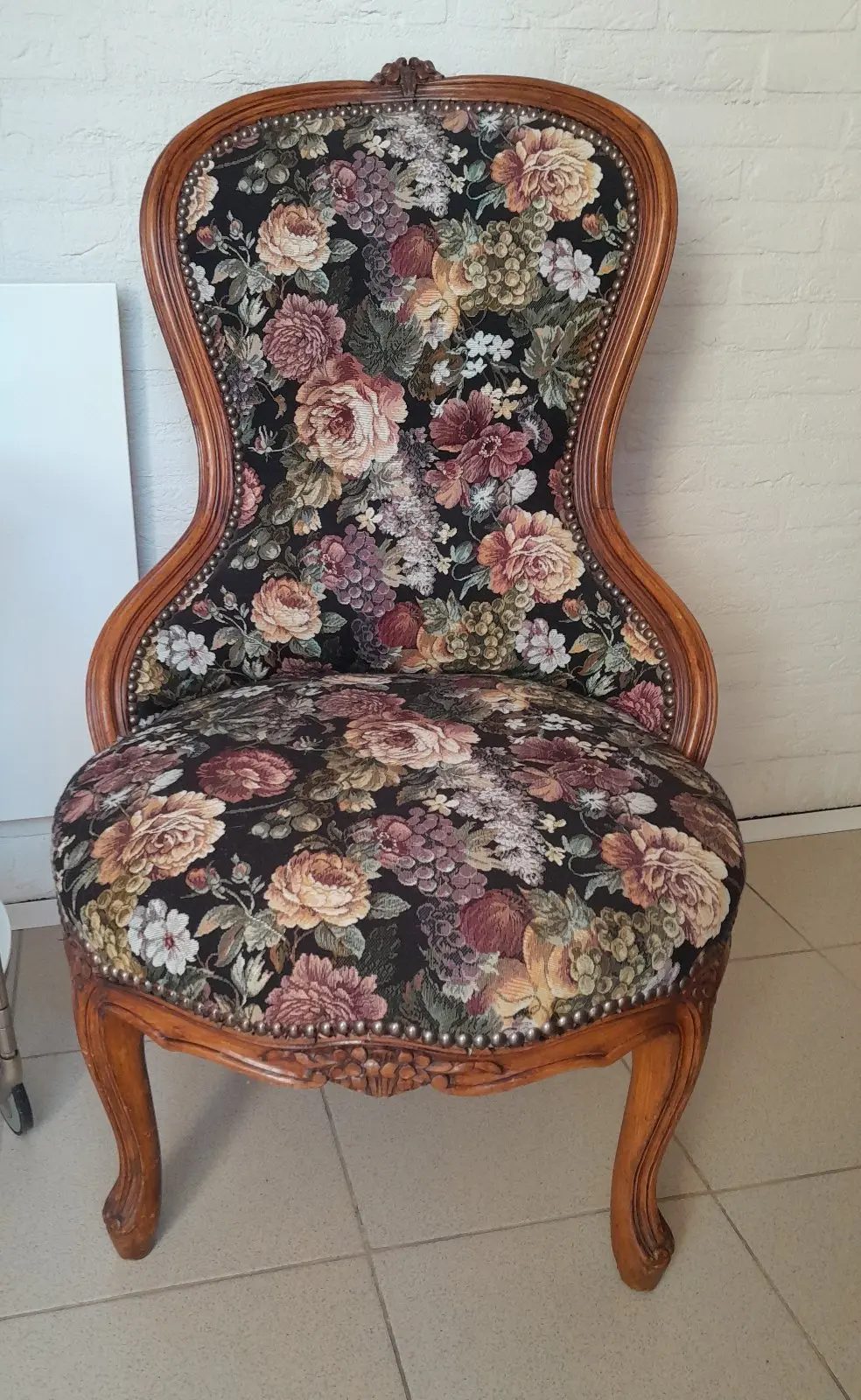
A rococo-style accent chair featuring a stained hardwood frame with cabriole legs, a contoured fiddle-back, and floral tapestry-style upholstery. The frame incorporates machined shell and floral motifs carved into the crest and front apron. Underside construction reveals striped synthetic-blend webbing secured with modern pneumatic wire staples over contemporary spring systems.
Related traditions
Mid-20th Century Hollywood Regency
1930s-1960s
The mass adoption and simplification of ornate French rococo curves to fit modern, scaled-down residential interiors.
Use and ceremony
Late 20th Century
Shifted from a handcrafted luxury item of the French aristocracy to a mass-produced, accessible symbol of traditional domesticity.
Origins and context
The aesthetic of this chair mimics the Louis XV period of 1730 to 1770, which abandoned rigid symmetry in favor of flowing C-scrolls and naturalistic motifs. However, the exact construction methods visible—specifically the pneumatic stapling and flawless secondary wood—indicate it was manufactured between 1980 and 2010 for the traditional retail furniture market.
Further details
The original 18th-century versions of these armless, low-seated chairs, known as 'chauffeuses,' were designed to allow the sitter to get as close as possible to a fireplace.
The widespread adoption of the pneumatic staple gun in the 1950s completely revolutionized factory upholstery, replacing thousands of individually hammered iron tacks with rapid-fire wire staples.
Attribution and evidence
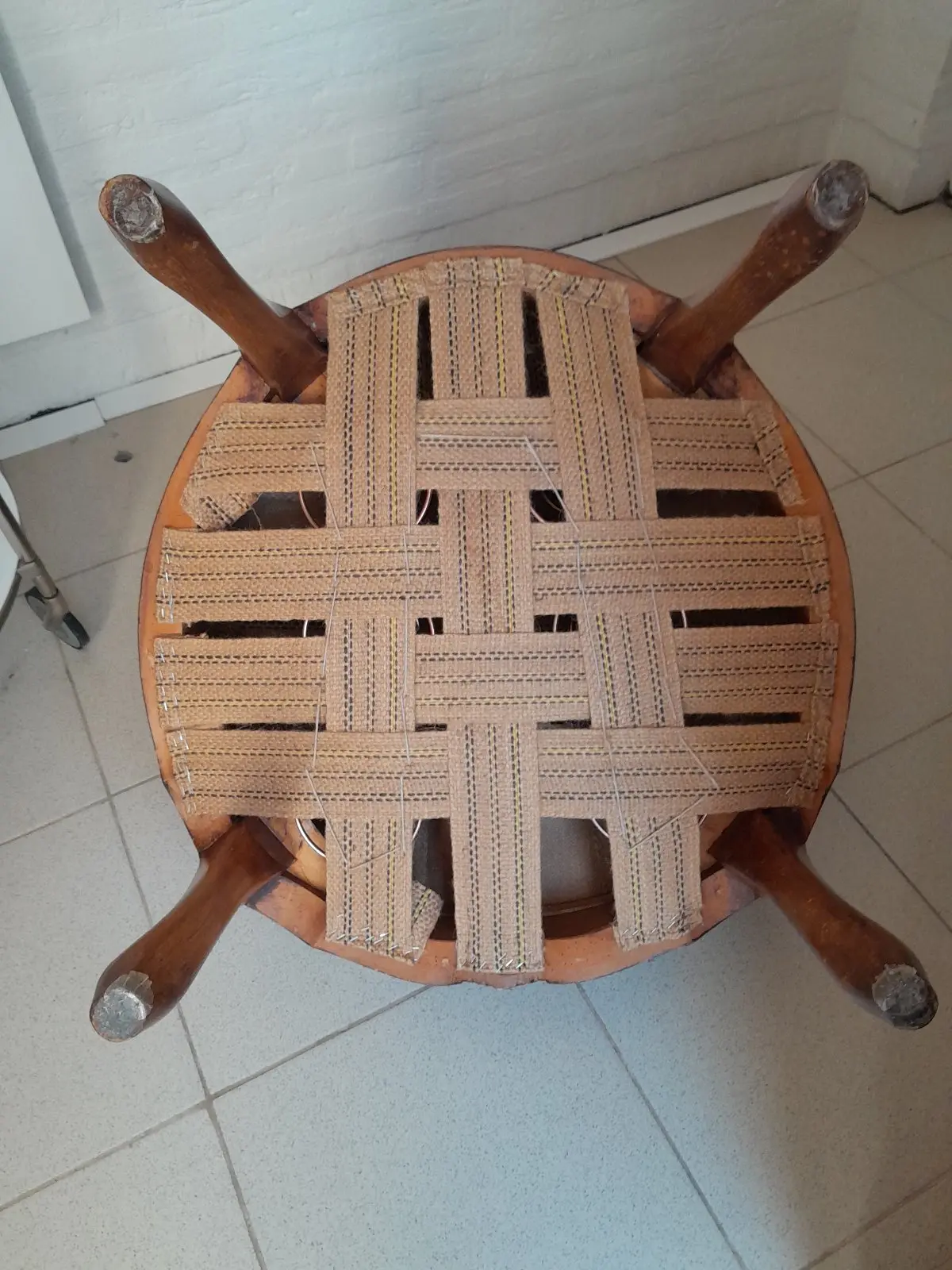
The detailed photograph of the underside provides definitive proof of modern manufacturing techniques, specifically the pneumatic staples and unaged secondary wood, leaving no ambiguity about its era of production.
Identifying details
- 1Pneumatic wire staples holding the jute-pattern webbing on the underside (post-1950s technology).
- 2Bright, unoxidized appearance of the raw interior frame wood beneath the seat.
- 3Lack of 'ghost' tack holes from previous upholstery applications.
- 4Flat, machine-profiled relief carvings on the crest rail.
- 5Modern metallic/plastic glides hammered into the feet.
Open questions
- •The flawless state of the hidden structural wood contradicts an attribution to the 18th or 19th centuries.
Photographs that would help
- Dismantle a small section of the dust cover (if added later) to inspect the specific spring variants used above the webbing.
- Examine the joinery at the knees to check for modern dowels versus traditional mortise and tenon construction.
Terms in this record
- Pneumatic Staples
- Wire staples fired by a compressed air gun, easily identifiable by their uniform rectangular crowns and identical spacing, introduced to furniture making in the mid-20th century.
- Secondary Wood
- The structural, unseen wood used inside a piece of furniture (like the seat blockings). Its oxidation and tool marks are critical for dating a piece.
- Chauffeuse
- A low-seated French fireside chair, a form often copied in modern accent chairs.
Wear and preservation
The chair exhibits no visible structural damage, wood shrinkage, or fabric wear. The underside webbing remains perfectly taut with no signs of dry rot, sagging, or oxidation around the fasteners.
Materials and construction
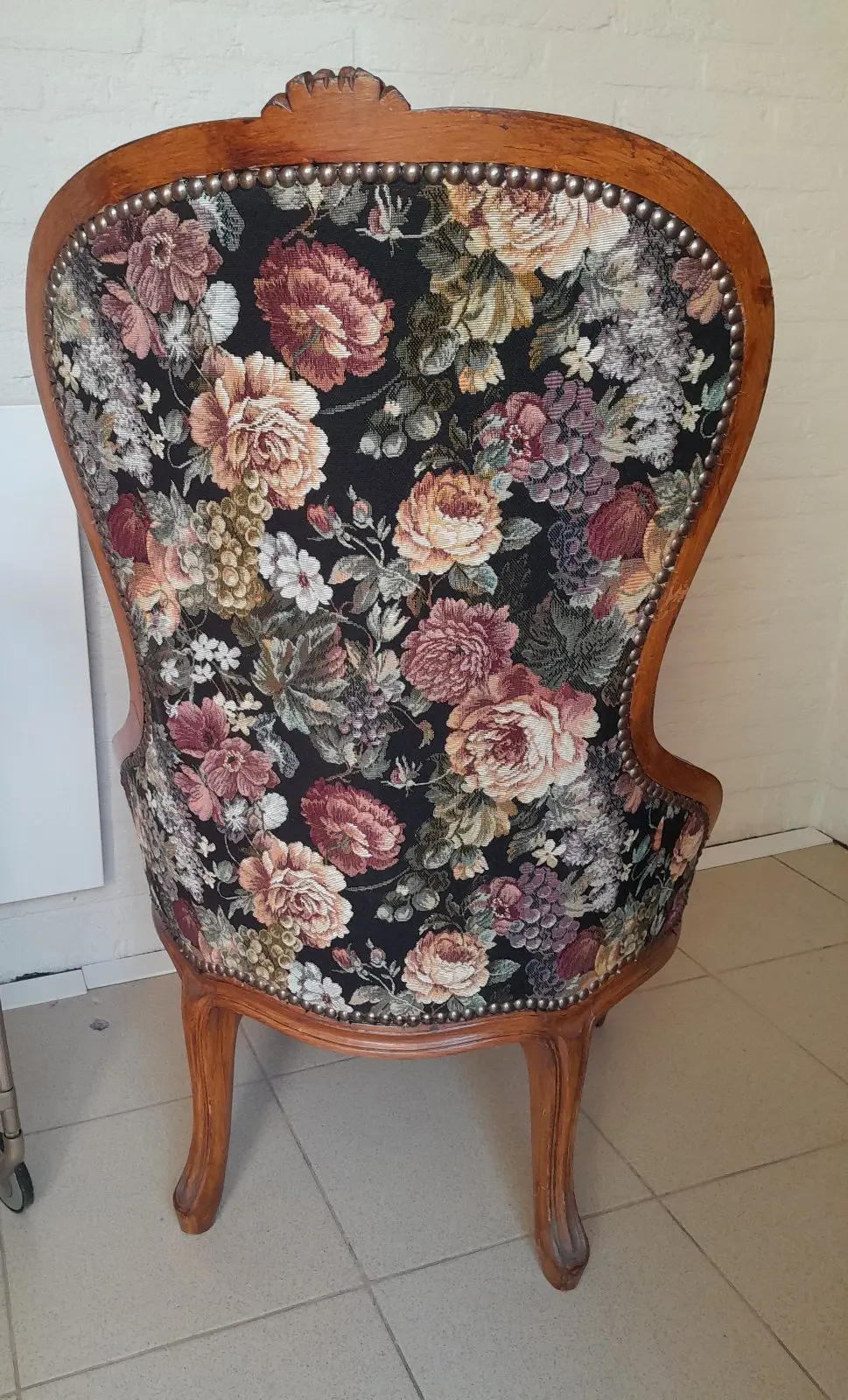
The wooden frame exhibits a uniform, sprayed lacquer finish lacking the natural wear patterns, hand-rubbed depth, and variegated patina found on 18th or 19th-century finishes. The upholstery fabric is a crisp, machine-woven textile with uniformly applied decorative brass-toned nailheads.
Recorded physical details
Substantial enough for daily use, likely weighing approximately 8 to 12 kg, constructed from a dense commercial hardwood such as beech or rubberwood.
Scarcity and surviving examples
Ordinary · 3/10 estimated rarity
This is a qualitative collection score, not a measured survival count, market percentile or proof of authenticity.
What the photographs establish
Interpretation of the photographs and supplied context. This does not authenticate the object.
- Underside utilizes modern pneumatic wire staples rather than hand-forged or cut iron tacks
- Secondary wood on the inner frame is brightly colored and shows zero natural oxidation from age
- Complete absence of empty hardware holes that would indicate previous reupholstery jobs over 200 years
- Carved elements on the crest and apron show shallow, machine-assisted routing paths rather than deep hand-chiseling
Value and its basis
Estimate recorded: May 24, 2026
How we estimate value
Estimate context (not a documented sale): Local estate clearance auctions and platforms like Facebook Marketplace routinely clear late-20th-century reproduction accent chairs between $50 and $150.
Collectors and interest
Homeowners and interior decorators looking for affordable, traditional-style seating for immediate functional use.
What supports the estimate
- •Pristine upholstery condition that requires no immediate textile investment
- •Sturdy, damage-free frame suitable for daily seating
What could change it
- •Abundant supply of similar modern reproductions depresses resale value
- •Highly specific floral upholstery limits the buyer pool to precise aesthetic matches
Comparing quality
- •Actual 18th-century period examples with pegged joinery and hand-carved details command significantly higher premiums.
The effect of condition
Frame stability, absence of fabric stains, and intact spring/webbing systems dictate pricing for secondary-market reproductions.
Market interest
For informational purposes only, not a formal appraisal.
The collector’s account
Supporting details
- User's assessment of 'Mint' condition is accurate; the upholstery, modern finish, and suspension system show virtually no wear or degradation.
Where the account differs
- User believes the item is 'Original/Authentic'; however, pneumatic wire staples, pristine unoxidized inner wood, and zero prior tack holes definitively prove it is a modern factory reproduction, not an 18th-century antique.
Related objects
Pink Panton-style miniature chair
Shared title details
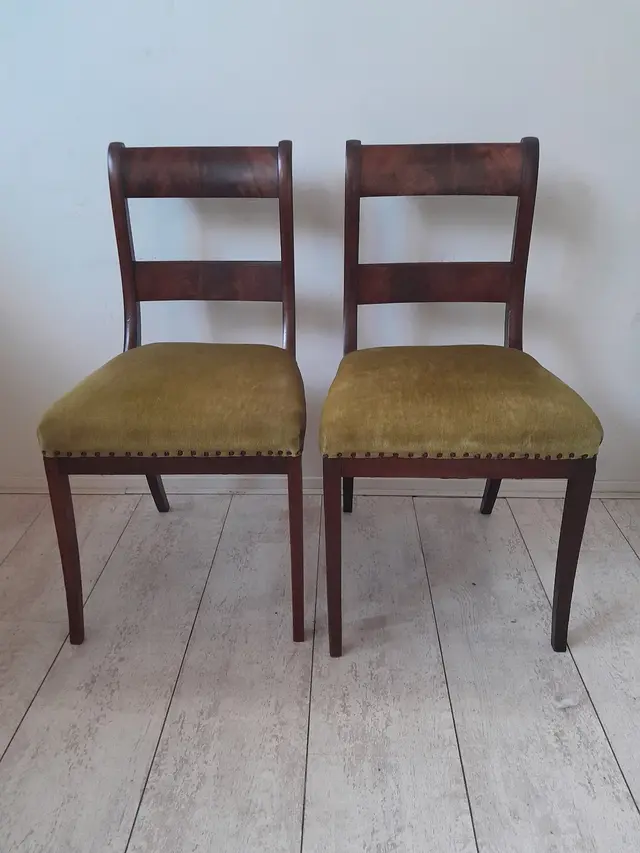
Pair of Regency/Biedermeier Style Side Chairs
Same category
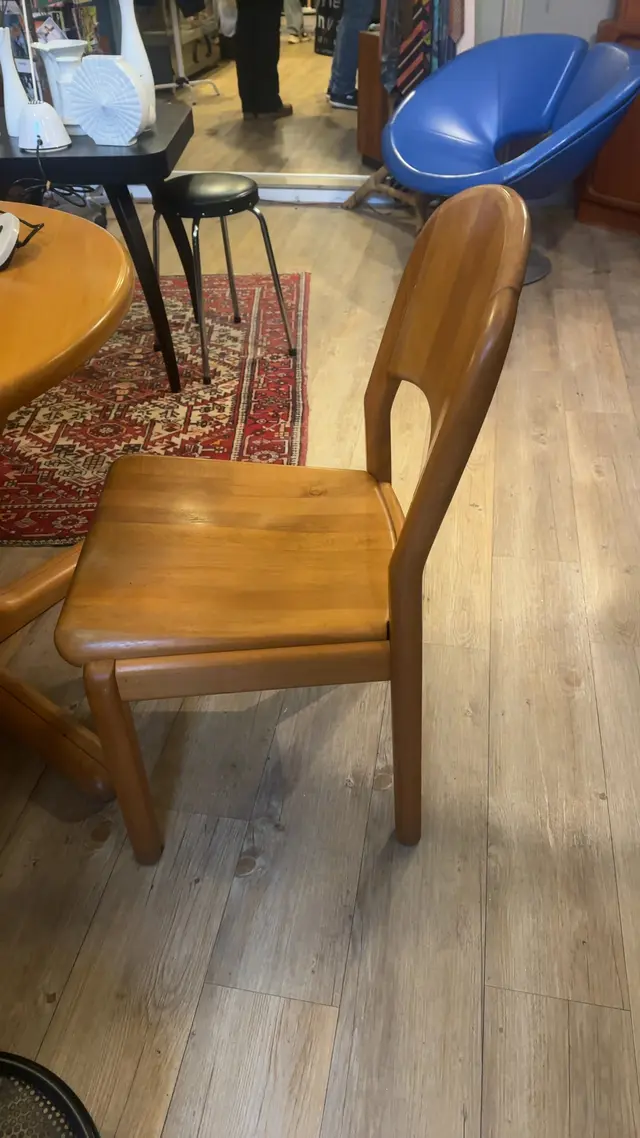
Mid-Century Modern Wooden Dining Chair
Same category
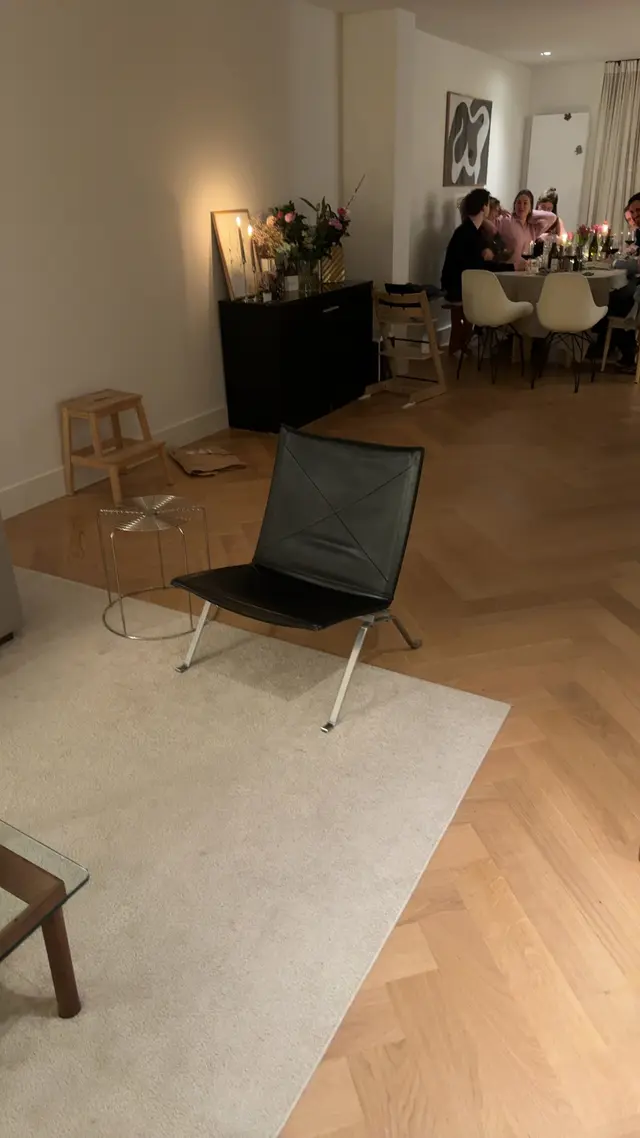
PK22 Lounge Chair
Same category

Wrought Iron and Carved Wood Rocking Chair
Same category
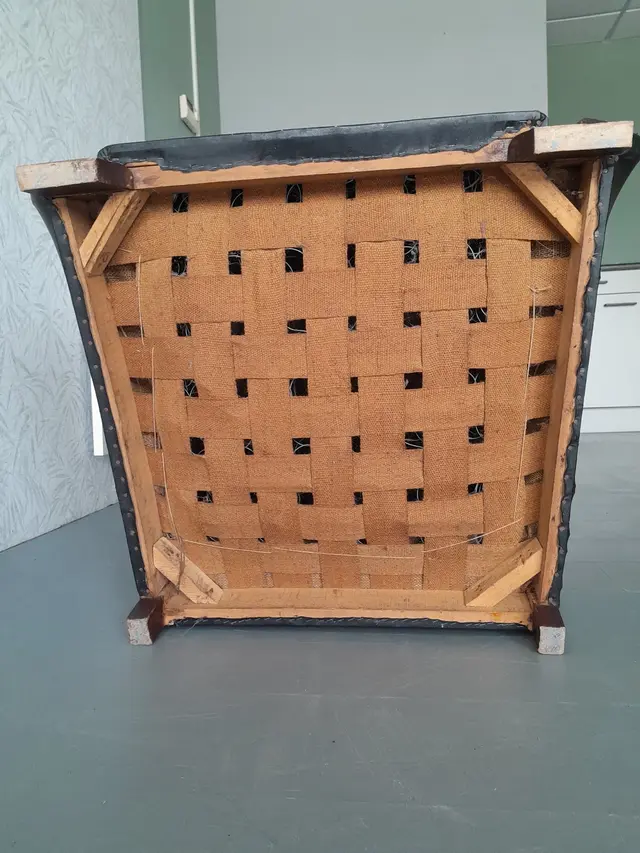
Art Deco Club Chair
Same category
Explore Interior
Furniture, lamps, lighting, chandeliers, decorative objects for the home.
Interior value and rarity guideShare this find
A place for your interior
Keep its photographs, maker’s marks and the story you know in one object record. Start with a photo.
Create an account for 10 free scans. No credit card needed.
Join the conversation
Recognise a detail or have a question? Add what you know and cite your source. Suggested corrections stay in the discussion for the owner or a moderator to review.
Sign in to leave a comment
Sign in