Botanical Still Life Wall Hanging (Print on Aged Paper)
Estimated value
$20 - $60Rarity
Common(2/10)Category
Decorative ObjectsEra
Mid-Late 20th Century (Reproduction Style)Origin
InternationalAuthenticity
BOTANICAL STILL LIFE WALL HANGING (PRINT ON AGED PAPER): IDENTIFICATION
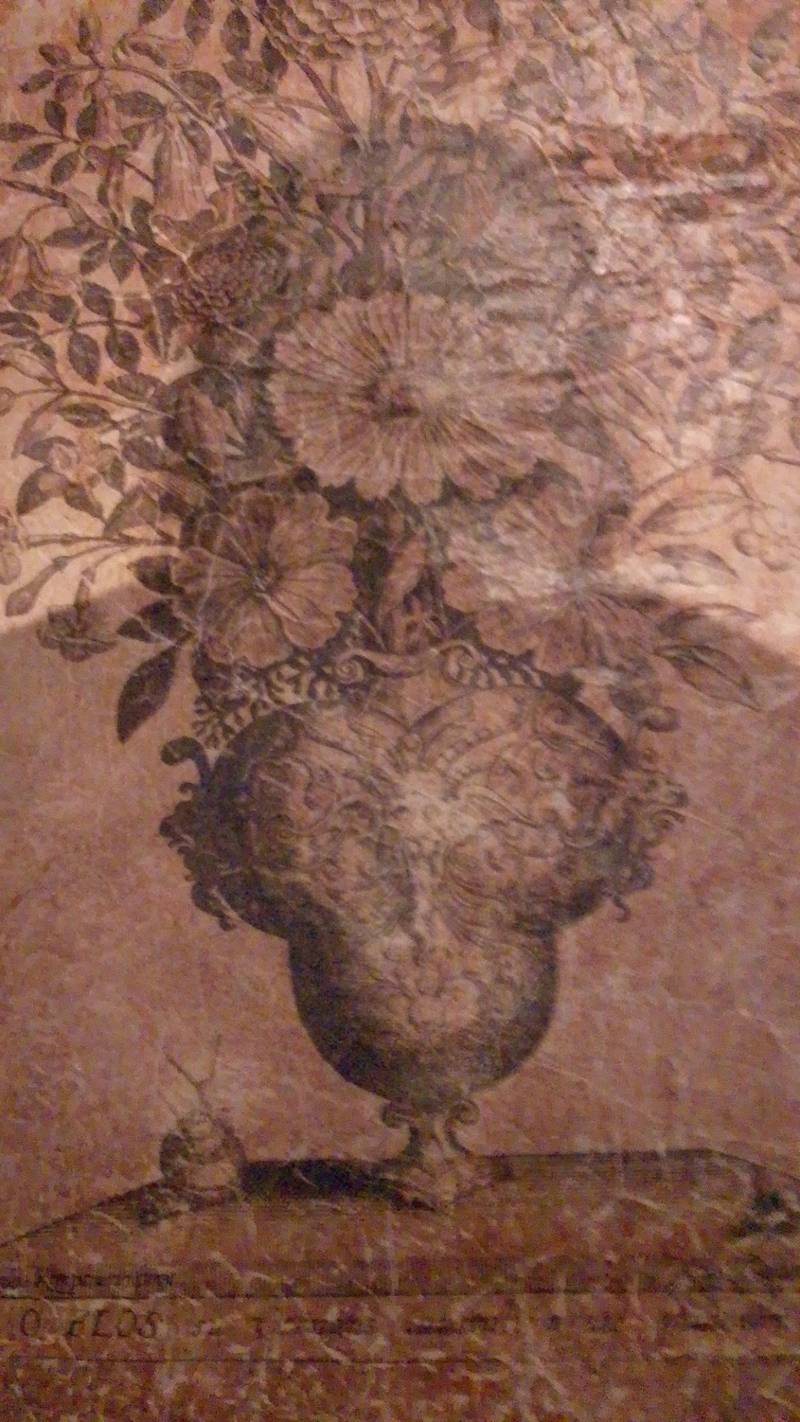
This appears to be a decorative wall hanging, likely a print or reproduction on paper, featuring a botanical still life. The central image is a neoclassical-style urn overflowing with various flowers and foliage, depicted in a monochrome, etched or engraved style. The paper has been intentionally aged or distressed to give it an antique appearance, characterized by a brownish hue and simulated crinkling or foxing.
SCARCITY
Older mass-produced items still widely available. Easy to find on eBay, antique malls, and estate sales in large quantities.
Typical Characteristics
- Mass produced historically
- High survival rate
- Readily available everywhere
Confidence Factors
- The item is a clear reproduction meant to appear antique, not a genuine antique print.
- The aging technique (uniformity of color and 'crinkling') is characteristic of modern mass-produced decorative items.
- Lack of genuine artist signature, specific edition numbering, or publisher marks suggests it is a decorative reproduction.
Expert review recommended. Consider consulting a specialist before making purchasing decisions.
DECORATIVE ARTS EXPERT'S TAKE
Decorative Arts Specialist
The visual characteristics, particularly the uniform aging and typical modern hanging format, strongly suggest this is a commercially produced decorative print from the mid to late 20th century, designed to appear older. My confidence is high based on these indicators, despite the limited detail of the image.
KEY EVIDENCE
- 1The overall appearance and hanging mechanism (wooden dowels with string) are typical of mass-produced decorative wall hangings from the latter half of the 20th century.
- 2The uniform 'aged' color and simulated cracking/wrinkling of the paper indicate intentional distressing, rather than genuine age.
- 3The monochrome print style, while mimicking historical etchings, likely lacks the nuanced detail and impression marks of original antique prints.
- 4The lower left corner appears to have a partial inscription that looks like 'O FLOS', possibly 'O FLOS SANCTORUM' (O Flower of Saints), which could be a devotional or symbolic reference often found in older works, but in this context, it reinforces the reproduction's attempt at an antique feel.
UNCERTAINTIES
- •The 'aged' condition is too uniform and typical of mass-market reproductions, suggesting it's not a genuine antique print.
- •The lack of clear, identifiable artist or publisher marks on the print itself generally points away from an original or limited edition print.
WHAT WOULD IMPROVE CERTAINTY
- →A high-resolution close-up image of the print surface to examine dot patterns or print texture, which can help determine the printing method (e.g., offset lithography vs. more traditional methods).
- →Examine the edges of the paper and reverse side for any watermarks, publisher's marks, or modern manufacturing indicators.
- →Check for any visible text or marks on the wooden dowels or hanging cord, which might provide brand or origin information.
CONDITION & GRADE
Condition
The condition appears to be good for its intended aged aesthetic. The 'distress' of the paper is decorative rather than true damage. The wooden dowels and string hanger seem intact, with no obvious breaks or major wear, although the image quality does not allow for a close inspection for minor scuffs.
DECORATIVE ARTS VALUATION
Updated: Feb 27, 2026
- Market comparables from auctions & retail
- Condition, completeness & craftsmanship
- Current collector demand & trends
- Low = quick sale, high = patient seller
For informational purposes only, not a formal appraisal.
ABOUT DECORATIVE OBJECTS
Silver, glassware, metalwork, enamelwork, and decorative arts.
Decorative Objects value and rarity guideSHARE THIS CURIOSITY
Have your own curiosities to discover?
Scan Your Curiosity
COMMENTS