Hand-Carved Wooden Milk Churn or Vessel with Rope
Estimated value
$80 - $250Rarity
Average(4/10)Category
Decorative ObjectsEra
Early 20th CenturyOrigin
InternationalAuthenticity
HAND-CARVED WOODEN MILK CHURN OR VESSEL WITH ROPE: IDENTIFICATION
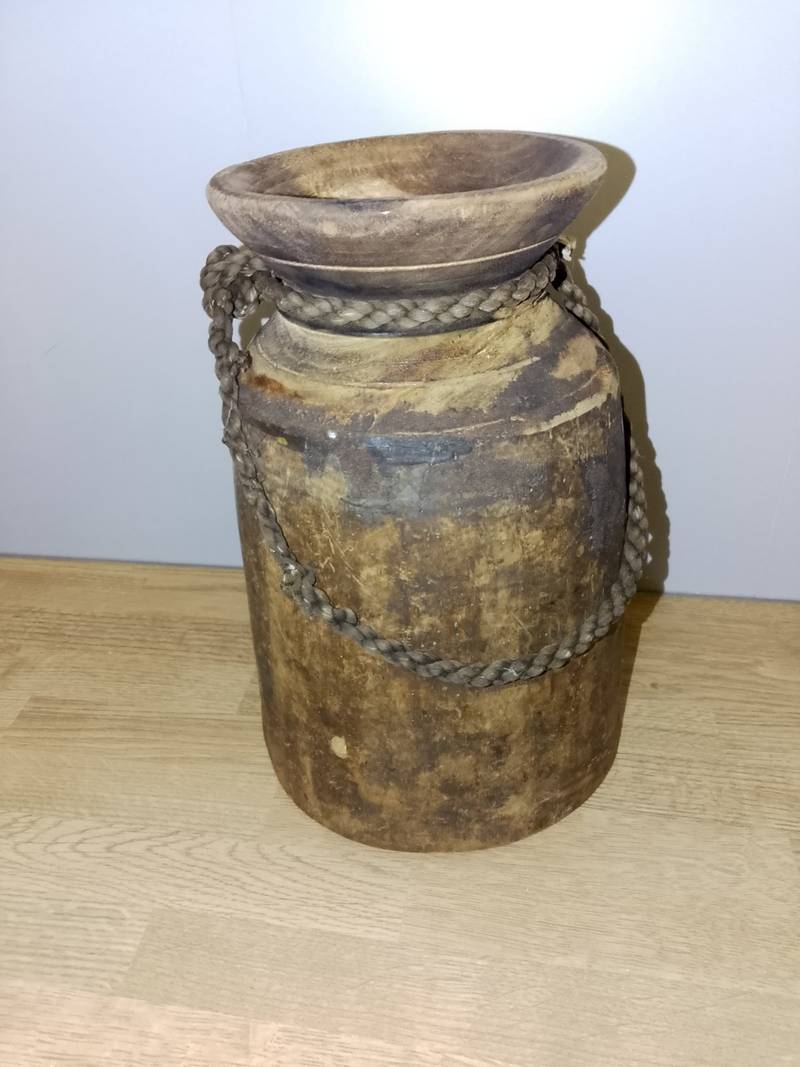
This appears to be a hand-carved cylindrical wooden vessel, likely intended for containing liquids such as milk, with a distinctive flared rim that suggests a churn or storage function. The construction indicates a traditional, rustic method of creation, with a rope tied around its upper shoulder, possibly for transport or securing a lid. The wood shows significant age and wear, consistent with utilitarian use over an extended period.
CROSS-CULTURAL PARALLELS
Where This Object Echoes
Similar carved wooden vessels for domestic use are a staple of folk art traditions across Eastern and Western Europe.
Many African cultures have a history of crafting wooden containers for milk and other perishables, often featuring intricate carving or strong functional forms.
Ritual & Ceremonial Use
- •Daily domestic routines involving food preparation and storage in rural or agrarian communities.
- •The traditional process of churning milk into butter, a common household activity.
Meaning Through Time
An indispensable tool for survival and sustenance in the home and farm.
An antique decorative object, symbolizing rustic charm, heritage, or a connection to a simpler, agrarian past.
SCARCITY
Typical antique shop fare. Requires some searching but regularly available. This is where most genuine antiques fall.
Typical Characteristics
- Standard antique shop items
- Regularly available
- Moderate collector interest
Confidence Factors
- Construction and wear patterns are consistent with traditional wooden utilitarian articles.
- The aged patina is natural and difficult to artificially replicate convincingly.
- This type of item is not typically a target for high-value forgery.
DECORATIVE ARTS EXPERT'S TAKE
Decorative Arts Specialist
The visual evidence clearly indicates an aged, hand-carved wooden vessel designed for practical use. The general form and material characteristics contribute to a solid identification, though specific regional origin and precise age remain somewhat broad without additional context or marks.
KEY EVIDENCE
- 1Material is solid wood exhibiting significant age-related patination.
- 2Construction shows hand-carved elements, typical of traditional craftsmanship.
- 3Form suggests a functional purpose, likely for liquid storage or processing (e.g., milk churn).
- 4Wear patterns, particularly around the rim and body, indicate utilitarian use.
UNCERTAINTIES
- •Lack of any identifying marks makes attribution to a specific region or maker impossible without further context.
- •The exact wood species cannot be identified from images alone, which could inform origin.
WHAT WOULD IMPROVE CERTAINTY
- →Examine the interior for any residues or marks that might suggest its original contents or further historical context.
- →Carefully inspect the base and any hidden areas for faint maker's marks or date inscriptions.
- →Attempt to ascertain the type of wood through a qualified wood specialist.
- →If possible, a UV light inspection could help reveal any modern repairs or finishes.
CONDITION & GRADE
Condition
The object shows considerable wear including surface abrasions, minor cracks indicative of wood drying and age, and significant darkening from use. The rope lashing also appears aged and frayed in places. No obvious structural damage or repairs are immediately apparent.
DECORATIVE ARTS VALUATION
Updated: Feb 27, 2026
- Market comparables from auctions & retail
- Condition, completeness & craftsmanship
- Current collector demand & trends
- Low = quick sale, high = patient seller
For informational purposes only, not a formal appraisal.
ABOUT DECORATIVE OBJECTS
Silver, glassware, metalwork, enamelwork, and decorative arts.
Decorative Objects value and rarity guideSHARE THIS CURIOSITY
Have your own curiosities to discover?
Scan Your Curiosity
COMMENTS