
Sancai-style Ceramic Horses
Estimated value
$150 - $450Rarity
Ordinary(3/10)Category
Ceramics & PotteryEra
Late 20th Century (circa 1970-1990)Origin
ChinaVisual assessment
Photo analysis
Save to revisit in your watchlist. This does not add the object to your own collection.
Sancai-style Ceramic Horses
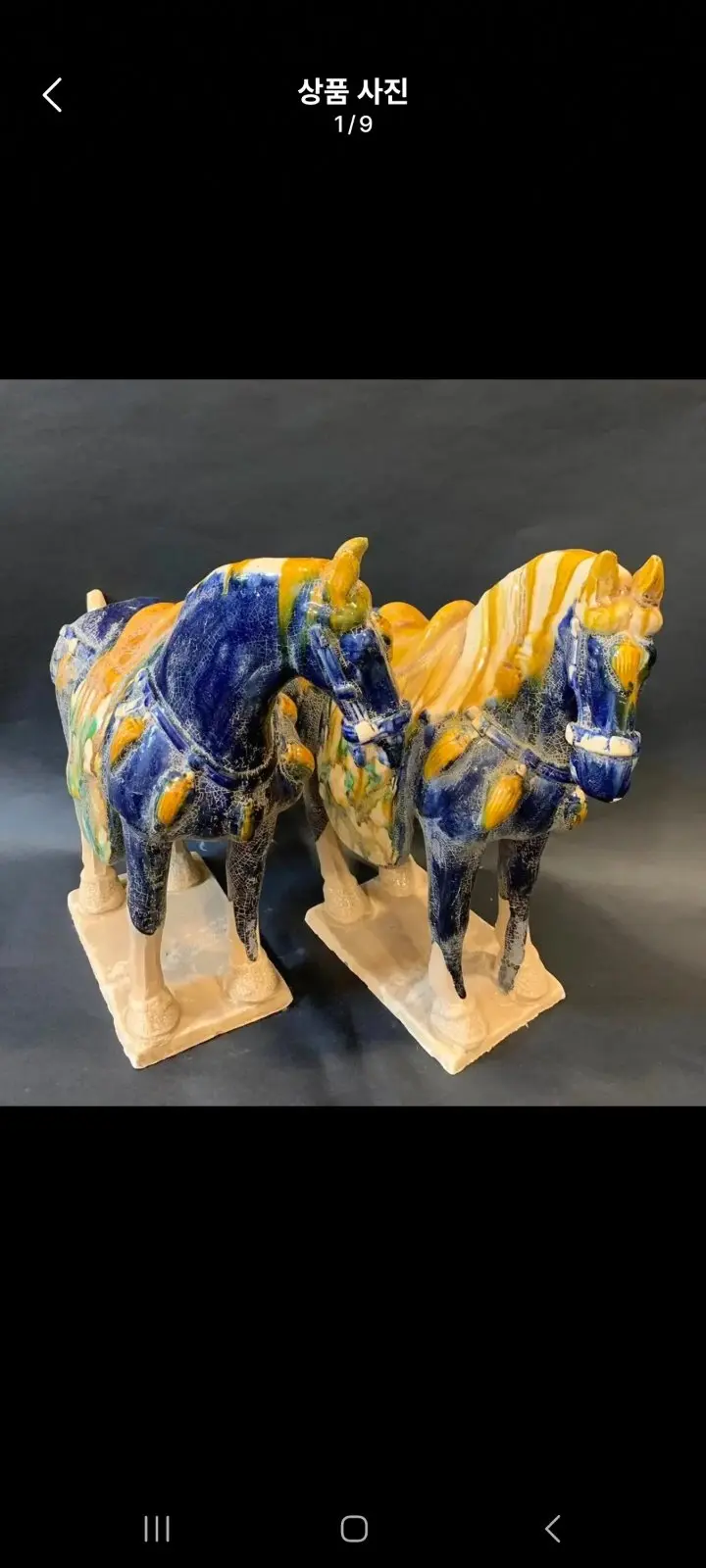
A pair of ceramic horse figures executed in the Tang Dynasty Sancai (three-color) style. The sculptures feature lead-based glazes in cobalt blue, amber, and cream applied over a pale earthenware body. Each horse stands on a rectangular plinth with harnessed features including bridles and decorative breastplates. The surface displays a prominent network of crackle throughout the glaze layers.
Related traditions
Chinese Tang Dynasty
618–907 AD
Horses were symbols of power, speed, and celestial connection, vital for the military expansion of the empire.
Use and ceremony
Tang Dynasty
Vessels for the soul and indicators of high bureaucratic rank.
Late 20th Century
Upper-middle-class decorative accents symbolizing cosmopolitan taste and an appreciation for Silk Road history.
Origins and context
The original Sancai (three-color) glazing technique reached its zenith during the Tang Dynasty (618–907 AD) in China, primarily for funerary goods (mingqi) intended to accompany the deceased. Cobalt blue was the most expensive pigment of that era, often imported from Central Asia. These specific examples are mid-to-late 20th-century reproductions made for the export market, reflecting the 1970s and 80s global interest in Chinese archaeological aesthetics following major excavations in Shaanxi province.
Further details
During the Tang Dynasty, the use of cobalt blue glaze was strictly regulated and reserved for items of the highest social status due to the high cost of importing the mineral from Persia.
Reproduction Sancai horses became globally popular in the late 20th century, following the 1973 'Genius of China' exhibition which toured internationally and showcased authentic Zhangshanying tomb finds.
Attribution and evidence
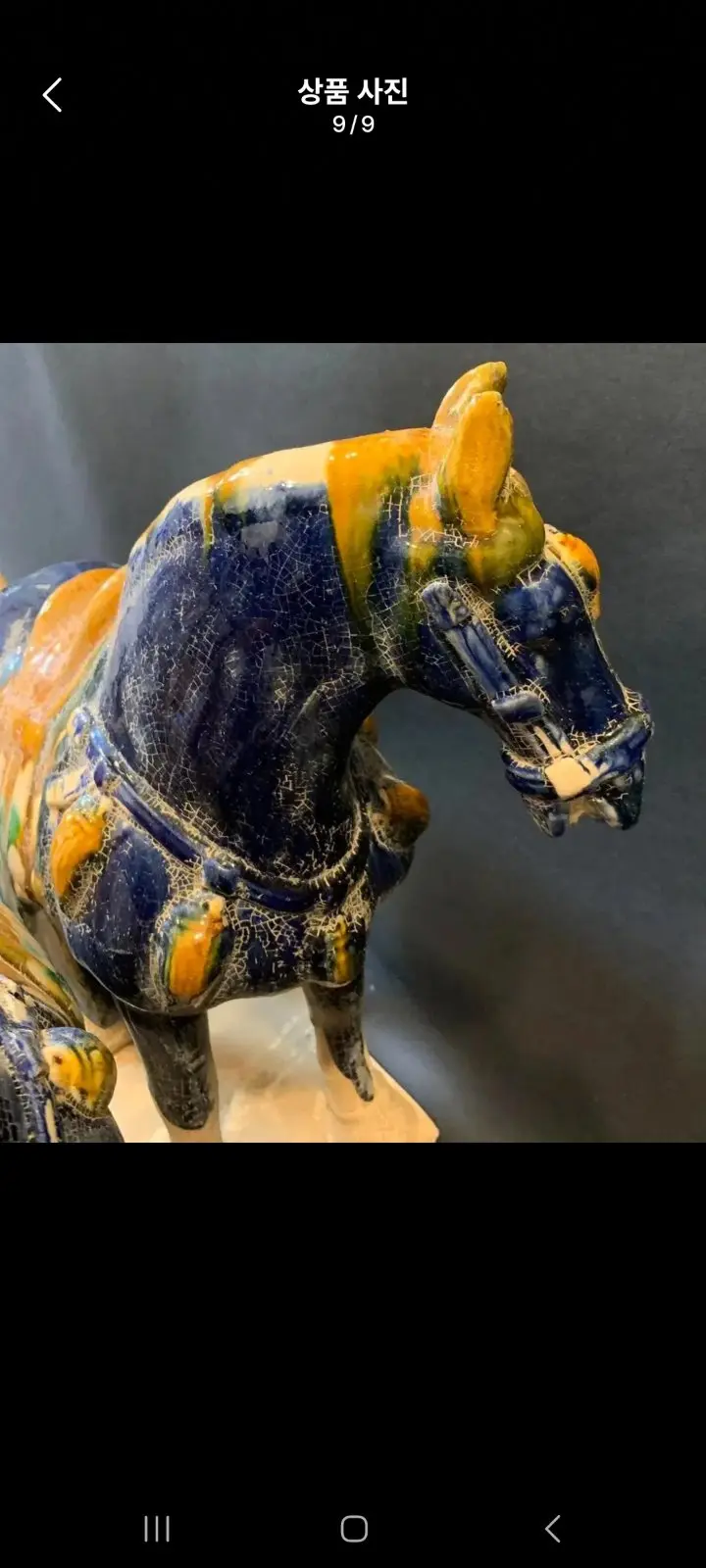
The style and material are clearly identifiable as Sancai-type earthenware, but the visual indicators for modern reproduction (glaze uniformity, paste color) are strong enough to rule out an 8th-century origin with high confidence.
Identifying details
- 1Lead-glaze palette (Sancai) including cobalt, amber, and cream
- 2Slip-cast earthenware body visible at the foot and unglazed legs
- 3Intentional heavy crazing used to simulate archaeological distress
- 4Traditional Tang-style harness and saddle configuration
- 5Rectangular plinths typical of mid-20th-century reproductions
Open questions
- •Uniformity of crackle suggests chemical inducement rather than burial stress
- •Pristine condition of the unglazed earthenware legs is inconsistent with ancient burial contexts
- •Lack of 'earth encrustation' or calcification often found on authentic mingqi
Photographs that would help
- Examine the interior of the hollow base for slip-casting lines or modern finger marks
- Use UV light to check for recent glaze repairs or overpainting
- Inspect the weight; authentic Tang pieces are often lighter and more porous than modern equivalents
Terms in this record
- Sancai
- Literally 'three colors'; a lead-glazed polychrome earthenware technique using copper, iron, and cobalt pigments.
- Crazing
- A network of fine cracks in the glaze surface caused by the glaze shrinking more than the clay body during cooling.
- Mingqi
- Chinese burial goods, often ceramic, placed in tombs to provide for the deceased in the afterlife.
Wear and preservation
Ceramic figures of this type are generally evaluated on the integrity of the glaze and absence of structural repairs rather than a formal grade scale.
Significant glaze crazing is visible, which appears to be an intentional 'antique' effect rather than age-related degradation. The unglazed portions of the legs and plinths show minor surface soiling consistent with domestic display.
Glaze and painted decoration
Glossy lead-glaze finish with intentional heavy crazing/crackle across the blue and amber pigments; the underlying ceramic paste appears to be a light-colored, low-fire earthenware.
Recorded physical details
Each figure likely weighs between 1.5 to 2.5 kg, feeling substantial but typical of hollow-cast earthenware slip-molding.
Scarcity and surviving examples
Ordinary · 3/10 estimated rarity
This is a qualitative collection score, not a measured survival count, market percentile or proof of authenticity.
What the photographs establish
Interpretation of the photographs and supplied context. This does not authenticate the object.
- Glaze crackle appears highly uniform and 'forced' to mimic age
- Cobalt blue saturation is unnaturally consistent compared to authentic 8th-century examples
- Sharpness of the molded details suggests modern industrial production methods
- The unglazed earthenware on the hooves lacks the mineral mineralization expected of Tang-era burial items
Value and its basis
Estimate recorded: May 11, 2026
How we estimate value
Estimate context (not a documented sale): Similar vintage reproduction sets frequently sell on eBay and at regional estate auctions (e.g., Leland Little, Hindman) for $200-$500 depending on size.
Collectors and interest
Interior designers and collectors of Asian-themed decorative arts seeking the Tang aesthetic without the cost of museum-quality antiquities.
What supports the estimate
- •The use of cobalt blue glaze (traditionally the most desirable Sancai color)
- •Large scale and matching pair status
- •Visual integrity of the glaze surface without chips
What could change it
- •Market saturation of 1970s/80s reproductions
- •Noticeable damage to ears or legs (common in earthenware figures)
- •Lack of specific maker or export mark
Comparing quality
- •Presence of authentic mineral mineralization on unglazed areas
- •Hand-modeled rather than slip-cast construction
- •Known provenance from a mid-century estate or specialized Asian art gallery
The effect of condition
Completeness of the sculpture, vibrancy of the blue glaze, and lack of modern fractures.
Market interest
For informational purposes only, not a formal appraisal.
Related objects
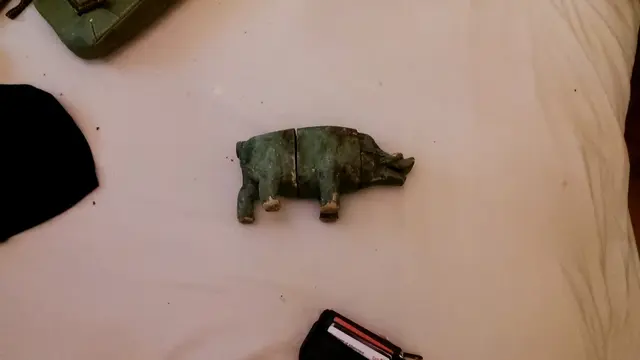
Han Dynasty Style Glazed Ceramic Boar Figurine
Shared title details
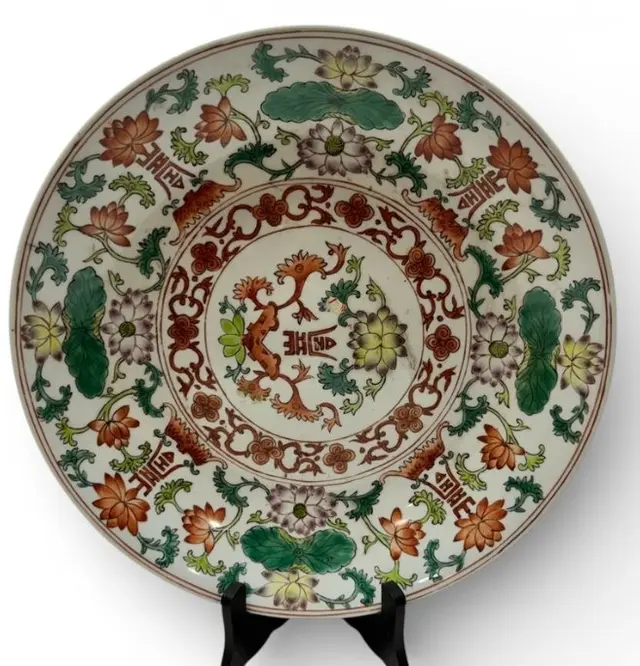
Chinese Wucai-style Famille Verte Porcelain Charger
Same category
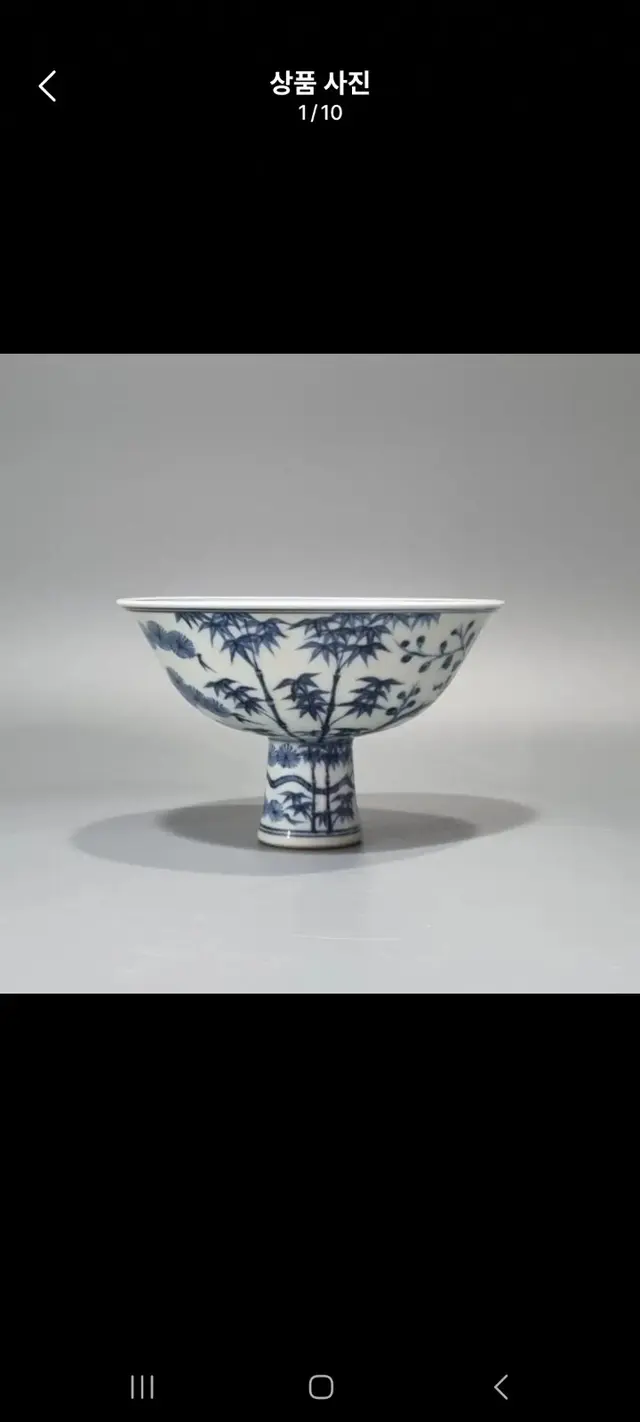
Chinese Blue and White 'Three Friends of Winter' Stem Cup, Ming Style
Same category
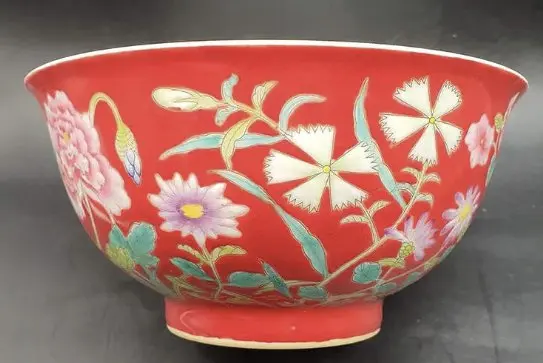
Chinese Falangcai Style Ruby-Ground Floral Bowl with Kangxi Yu Zhi Mark
Same category
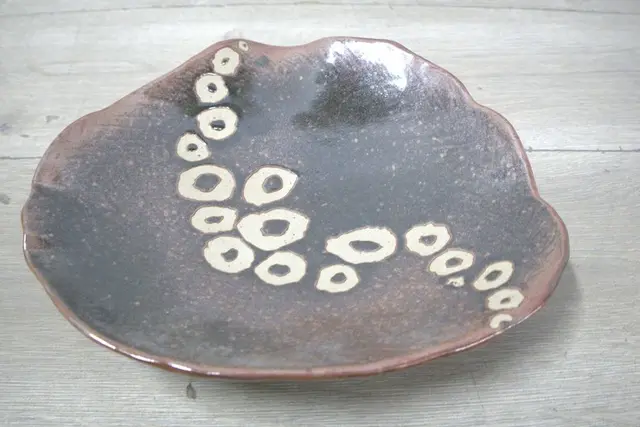
Signed glazed ceramic bowl with ring decoration
Same category
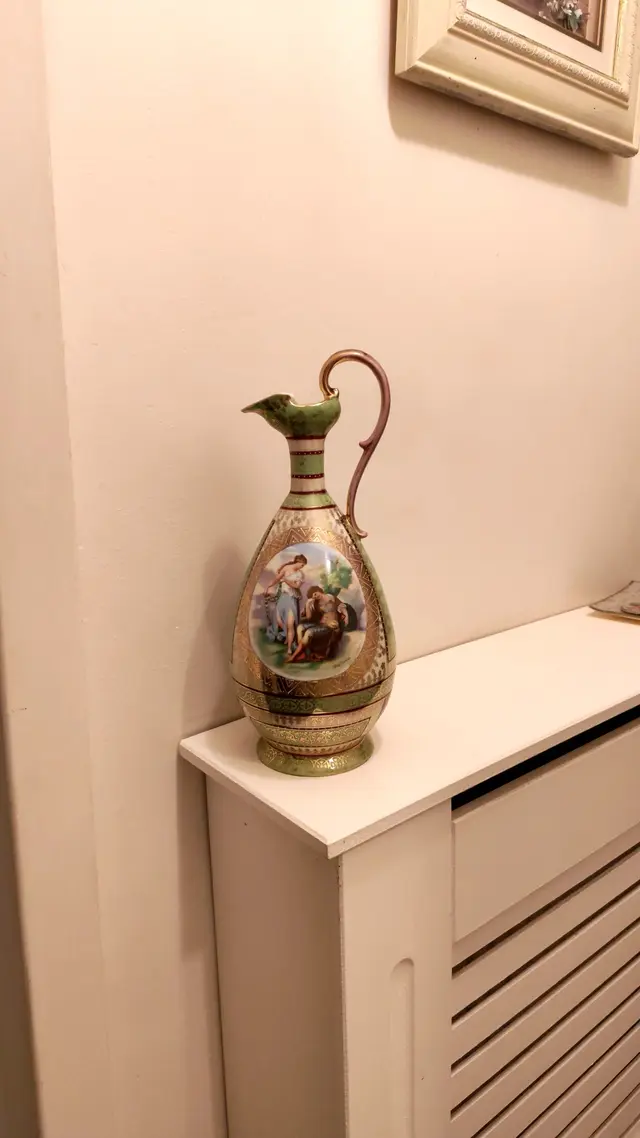
Austrian Ewer in Neo-Classical Style
Same category
Explore Ceramics & Pottery
Pottery, porcelain, stoneware, earthenware, and kiln-fired objects.
Ceramics & Pottery value and rarity guideShare this find
A place for your ceramics
Keep its photographs, maker’s marks and the story you know in one object record. Start with a photo.
Create an account for 10 free scans. No credit card needed.
Join the conversation
Recognise a detail or have a question? Add what you know and cite your source. Suggested corrections stay in the discussion for the owner or a moderator to review.
Sign in to leave a comment
Sign in