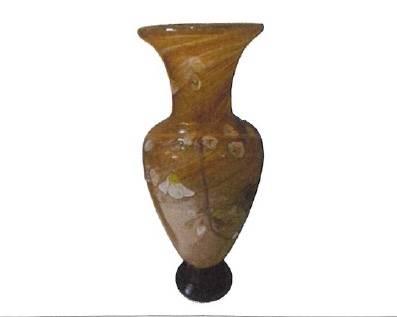
Gallé Acid-Etched Cameo Glass Vase - Floral Motif c.1900
Estimated value
$800 - $2,500Rarity
Uncommon(5/10)Category
Ceramics & PotteryBrand
GalléEra
circa 1890-1920Origin
FranceArtist / Creator
Émile GalléAuthenticity
GALLÉ ACID-ETCHED CAMEO GLASS VASE - FLORAL MOTIF C.1900: IDENTIFICATION
Multi-layered cased glass vase featuring acid-etched cameo relief of floral blossoms. The vessel utilizes an amber-toned translucent glass body with white and green vitreous overlays. The baluster form tapers to a circular foot, characteristic of the Nancy School's botanical realism.
CROSS-CULTURAL PARALLELS
Where This Object Echoes
The asymmetrical botanical compositions of Gallé glass were directly influenced by 19th-century Japanese ukiyo-e prints.
Ritual & Ceremonial Use
- •The 'Belle Époque' domestic ritual of displaying nature-inspired art glass as a symbol of scientific and artistic sophistication.
Meaning Through Time
Symbolized the 'Language of Flowers' and the organic vitality of the Art Nouveau movement.
PRODUCTION & FIRING
Émile Gallé founded the École de Nancy in 1901, leading the French Art Nouveau movement with glasswork inspired by Japanese aesthetics and botanical science. Following his death in 1904, the factory continued production of 'industrial' cameo glass until 1936, often marked with a star to indicate posthumous production.
COLLECTOR NOTES
The factory employed over 300 workers by 1900, utilizing hydrofluoric acid baths to etch away glass layers and reveal hidden colors.
SCARCITY
Genuine antiques with fewer examples on the market. Named makers, documented provenance, or early production examples.
Typical Characteristics
- Limited production
- Named makers
- Growing collector demand
Confidence Factors
Expert review recommended. Consider consulting a specialist before making purchasing decisions.
CERAMICIST'S ASSESSMENT
Decorative Arts Specialist
The object perfectly matches the Gallé aesthetic, but the high volume of sophisticated reproductions in this specific style necessitates a more cautious confidence level until the signature and etching texture are verified.
KEY EVIDENCE
- 1Form is characteristic of Nancy School baluster shapes from the 1900 period.
WHAT WOULD IMPROVE CERTAINTY
- →Check for a small star symbol next to the name, indicating production between 1904 and 1906.
CONDITION & GRADE
Grading breakdown
Glass is typically not graded on a numerical scale, but 'Mint' indicates absence of flea bites, internal clouding, or base scratches.
Condition
Visually consistent with 'Mint' status provided by user; no visible chips to the delicate cameo edges or bruising to the foot.
Weight & feel
Estimated 800-1200g; typical Gallé cameo glass of this scale has a dense, substantial hand-feel due to multiple thick layers of cased glass.
CERAMICS MARKET VALUE
Updated: Sep 3, 2026
- Market comparables from auctions & retail
- Condition, completeness & craftsmanship
- Current collector demand & trends
- Low = quick sale, high = patient seller
For informational purposes only, not a formal appraisal.
YOUR INPUT VS. SCAN
How your provided context compares with Curiosa.com scanner findings.
What Aligned
- User attribution to Gallé is consistent with the Art Nouveau floral cameo style and amber/white color palette seen in Nancy glass.
- User's 'Mint' condition assessment aligns with the clean silhouette and lack of visible structural damage in the provided image.
ABOUT CERAMICS & POTTERY
Pottery, porcelain, stoneware, earthenware, and kiln-fired objects.
Ceramics & Pottery value and rarity guideSHARE THIS CURIOSITY
Have your own curiosities to discover?
Scan Your Curiosity
COMMENTS