
Sancai-style Ceramic Mandarin Duck Water Dropper
Estimated value
$85 - $250Rarity
Average(4/10)Category
Ceramics & PotteryEra
Late 19th to early 20th centuryOrigin
ChinaVisual assessment
Photo analysis
Save to revisit in your watchlist. This does not add the object to your own collection.
Sancai-style Ceramic Mandarin Duck Water Dropper
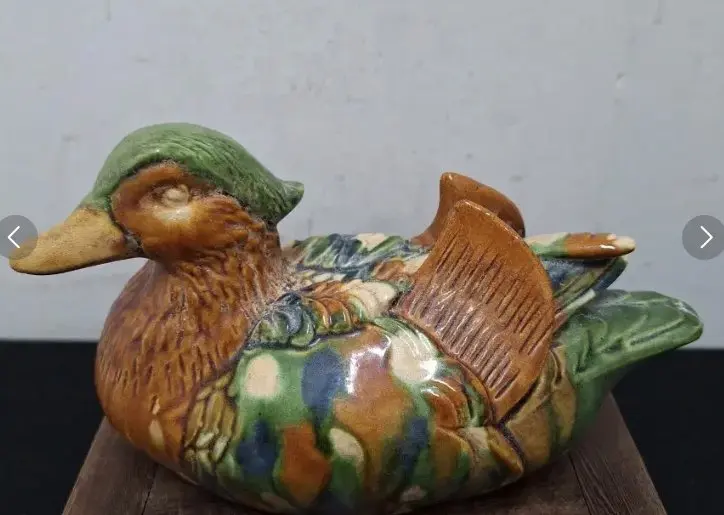
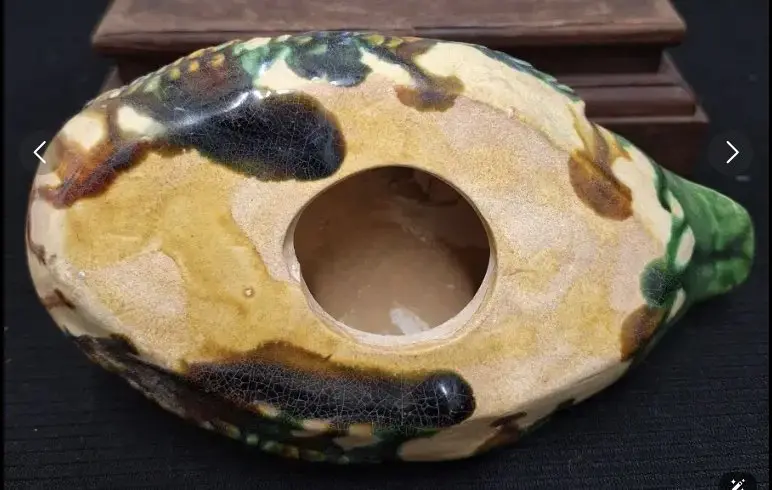
Glazed earthenware water dropper (suitei) modeled as a mandarin duck, featuring a three-color lead flux glaze palette of green, amber, and cream. The vessel exhibits an unglazed flat base with a circular filling hole, revealing a buff-colored, porous earthenware body. Surface decoration includes incised feather details on the wings and breast, with glaze pooling typical of low-fire sancai techniques.
Related traditions
Japanese Edo Period
18th-19th Century
Similar suitei (water droppers) in the form of animals were popularized in Kyoto's Kiyomizu pottery traditions.
Use and ceremony
Tang Dynasty
Primarily used as mortuary 'mingqi' to provide for the deceased in the afterlife.
20th Century
Transitioned into a decorative 'scholar's taste' export for Western and Japanese collectors.
Origins and context
This object follows the Sancai (three-color) tradition revived during the late Qing Dynasty and into the early 20th century, specifically referencing Tang Dynasty burial wares (618–907 AD). Mandarin ducks in Chinese ceramic history represent marital fidelity and have been a consistent motif in scholar's desk items since the Ming Dynasty.
Further details
The lead-based glaze used here matures at approximately 800 to 1000 degrees Celsius, which allows the colors to run and mingle into the mottled pattern visible on the duck's flanks.
Water droppers of this shape were essential tools for 19th-century calligraphers to control the exact amount of water added to an inkstone while grinding solid ink sticks.
Attribution and evidence
The object is clearly identified as a Sancai-style dropper, but distinguishing between a genuine late 19th-century export piece and a mid-20th-century decorative copy is difficult without physical examination of the paste texture.
Identifying details
- 1Unglazed buff earthenware base is characteristic of northern Chinese kilns.
- 2Classic 'Sancai' (three-color) glaze palette: Copper (green), Iron (amber), and Antimony (cream).
- 3Anatomical modeling fits late Qing/Republic period decorative style.
- 4Internal glaze splashing visible within the filling hole indicates a dipping production method.
Open questions
- •Lack of 'earth encrustation' or calcification often found on authenticated excavated Tang wares.
- •The sharpness of the incised lines suggests 19th or 20th-century metal tools rather than bamboo styluses.
Photographs that would help
- Check for translucency under high-intensity light (though unlikely for earthenware).
- Verify if the glaze exhibits 'iridescence' or a silvery sheen common in buried lead glazes.
- Perform a 'lick test' on the unglazed base; high porosity and immediate moisture absorption confirm earthenware body.
Terms in this record
- Sancai
- A versatile 'three-color' glazing technique using lead-oxide as a flux.
- Crazing
- A network of fine cracks in the glaze caused by the glaze shrinking more than the clay body during cooling.
- Paste
- The clay mixture used to form the body of the ceramic piece.
Wear and preservation
Condition is 'Very Good' for a scholar's object; the absence of major chips to the beak or tail improves its standing compared to average excavated or heavily used examples.
Presence of fine surface crazing throughout the glaze layer, which is expected for low-fire lead glazes of this age. Minor glaze flakes are visible near the tail tip and beak, with kiln soot traces near the base opening.
Glaze and painted decoration
Glossy lead glaze with significant mechanical crazing (crackle) visible on the underside; clear amber pooling in the wing recesses and a matte, unglazed buff paste base.
Recorded physical details
Estimated at 350 to 450 grams; feels relatively dense due to the thick-walled earthenware construction required for water vessels.
Scarcity and surviving examples
Average · 4/10 estimated rarity
This is a qualitative collection score, not a measured survival count, market percentile or proof of authenticity.
What the photographs establish
Interpretation of the photographs and supplied context. This does not authenticate the object.
- High volume of 20th-century reproductions of Tang-style sancai wares
- Pristine condition of the interior paste as seen through the base hole suggests later production
- Crazing appearing uniform rather than naturally weathered
Value and its basis
Estimate recorded: May 11, 2026
How we estimate value
Estimate context (not a documented sale): Similar Sancai duck water droppers frequently appear at regional auction houses like Christie's South Kensington or specialized Asian art sales, often fetching between $150 and $400 depending on age verification.
Collectors and interest
Collectors of Chinese scholar's objects and enthusiasts of late Qing/Republic period export ceramics.
What supports the estimate
- •Subject matter (Mandarin ducks are highly collectible for their symbolic meaning)
- •Integrity of the beak and tail tips
- •Vibrancy of the green glaze highlights
What could change it
- •Identification as a modern mass-market tourist souvenir from the 1970s-90s
- •Hidden cracks detectable only by 'ringing' (tap test)
Comparing quality
- •Presence of a visible maker's mark or studio stamp on the base
- •Historical provenance linking it to a known 19th-century collection
The effect of condition
Glaze loss, chips to extremities, and cleanliness of the internal vessel.
Market interest
For informational purposes only, not a formal appraisal.
Related objects
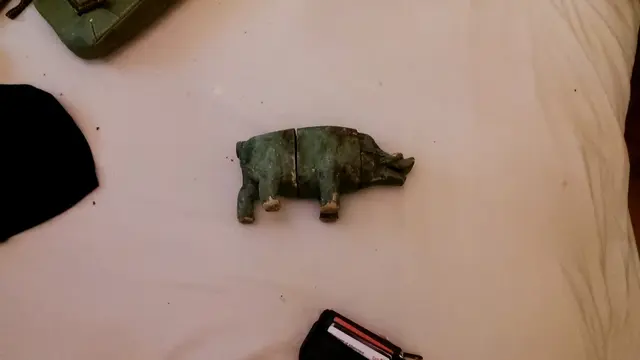
Han Dynasty Style Glazed Ceramic Boar Figurine
Shared title details
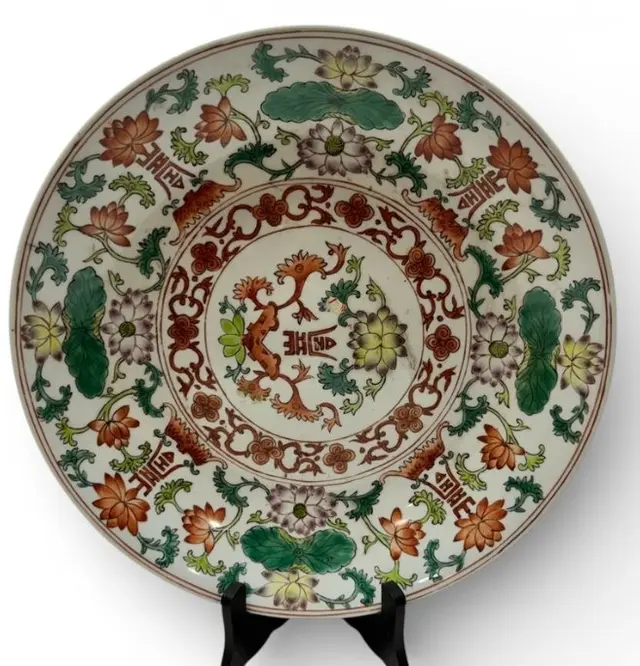
Chinese Wucai-style Famille Verte Porcelain Charger
Same category
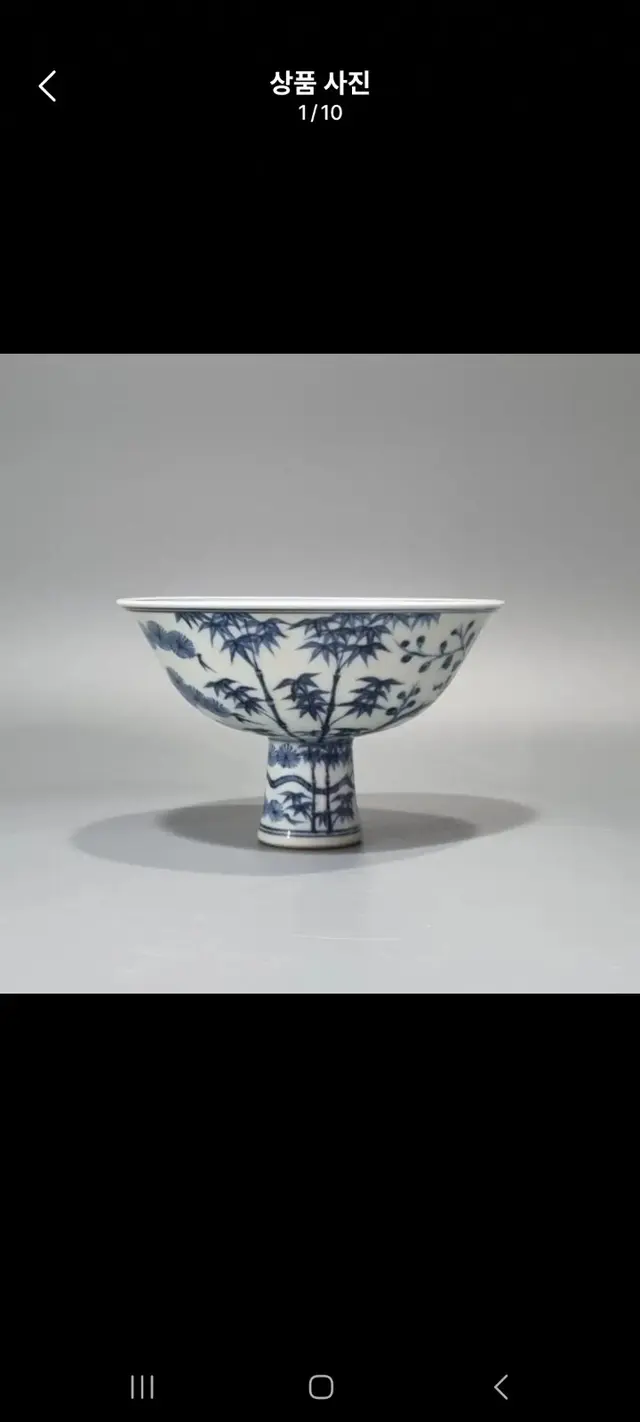
Chinese Blue and White 'Three Friends of Winter' Stem Cup, Ming Style
Same category
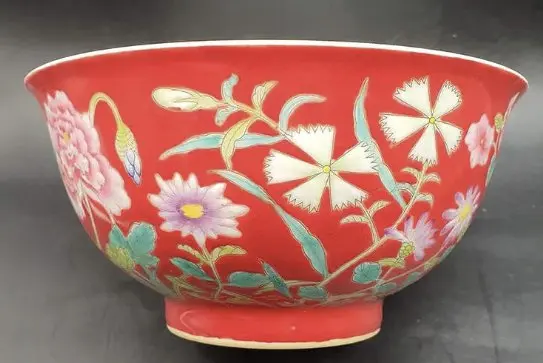
Chinese Falangcai Style Ruby-Ground Floral Bowl with Kangxi Yu Zhi Mark
Same category
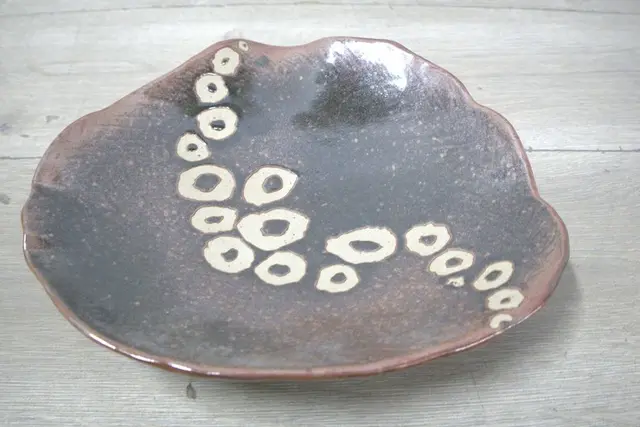
Signed glazed ceramic bowl with ring decoration
Same category
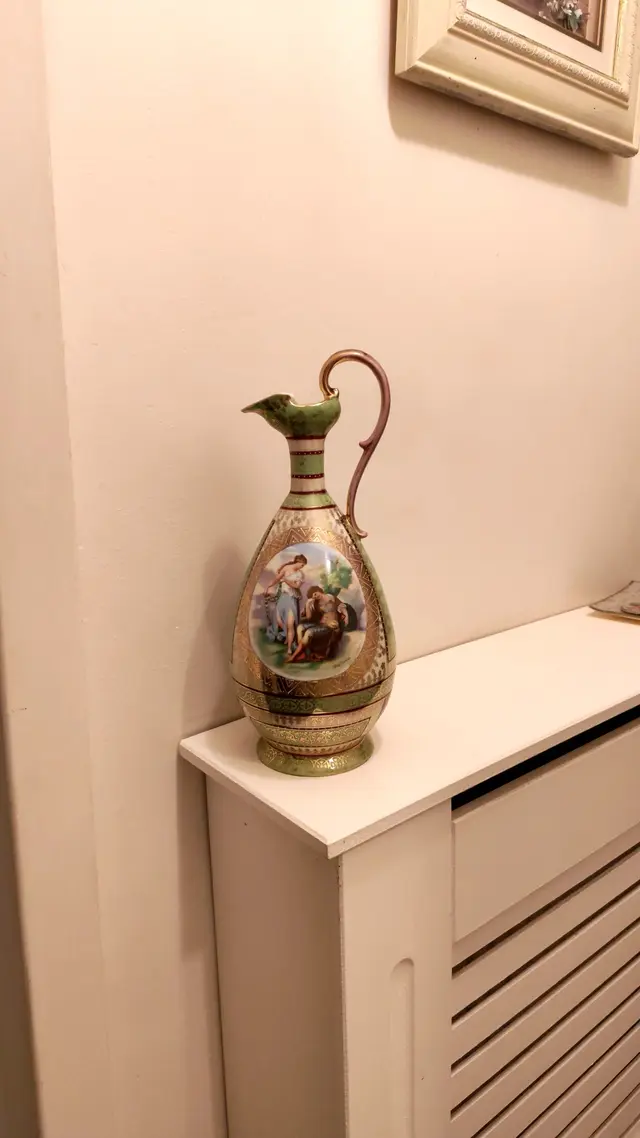
Austrian Ewer in Neo-Classical Style
Same category
Explore Ceramics & Pottery
Pottery, porcelain, stoneware, earthenware, and kiln-fired objects.
Ceramics & Pottery value and rarity guideShare this find
A place for your ceramics
Keep its photographs, maker’s marks and the story you know in one object record. Start with a photo.
Create an account for 10 free scans. No credit card needed.
Join the conversation
Recognise a detail or have a question? Add what you know and cite your source. Suggested corrections stay in the discussion for the owner or a moderator to review.
Sign in to leave a comment
Sign in