
Contemporary Impasto Seascape with Pilings
Estimated value
$100 - $500Rarity
Average(4/10)Category
ArtEra
Post-2000Origin
InternationalArtist / Creator
Constantijn MolenkampVisual assessment
Photo analysis
Save to revisit in your watchlist. This does not add the object to your own collection.
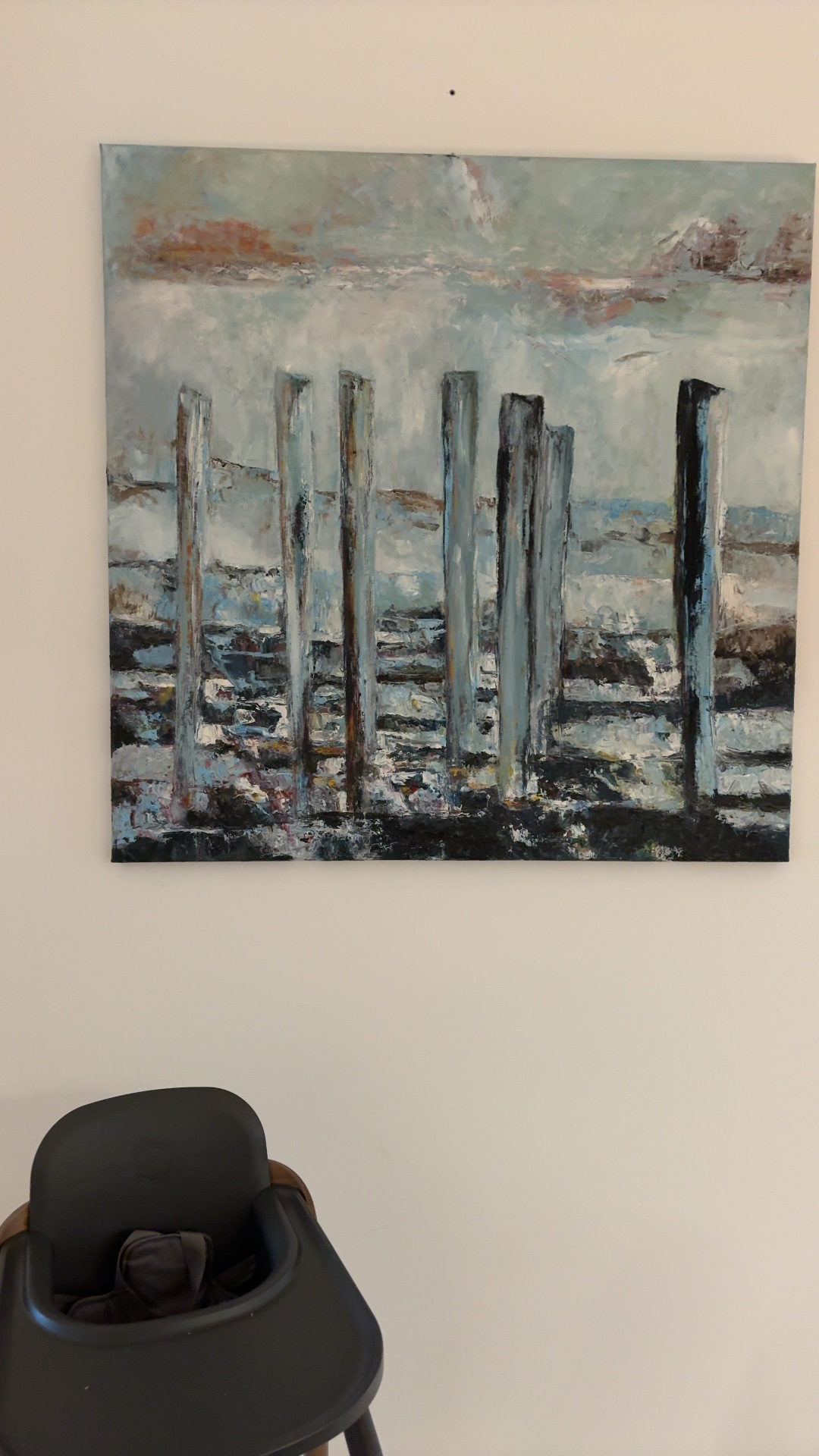
Contemporary Impasto Seascape
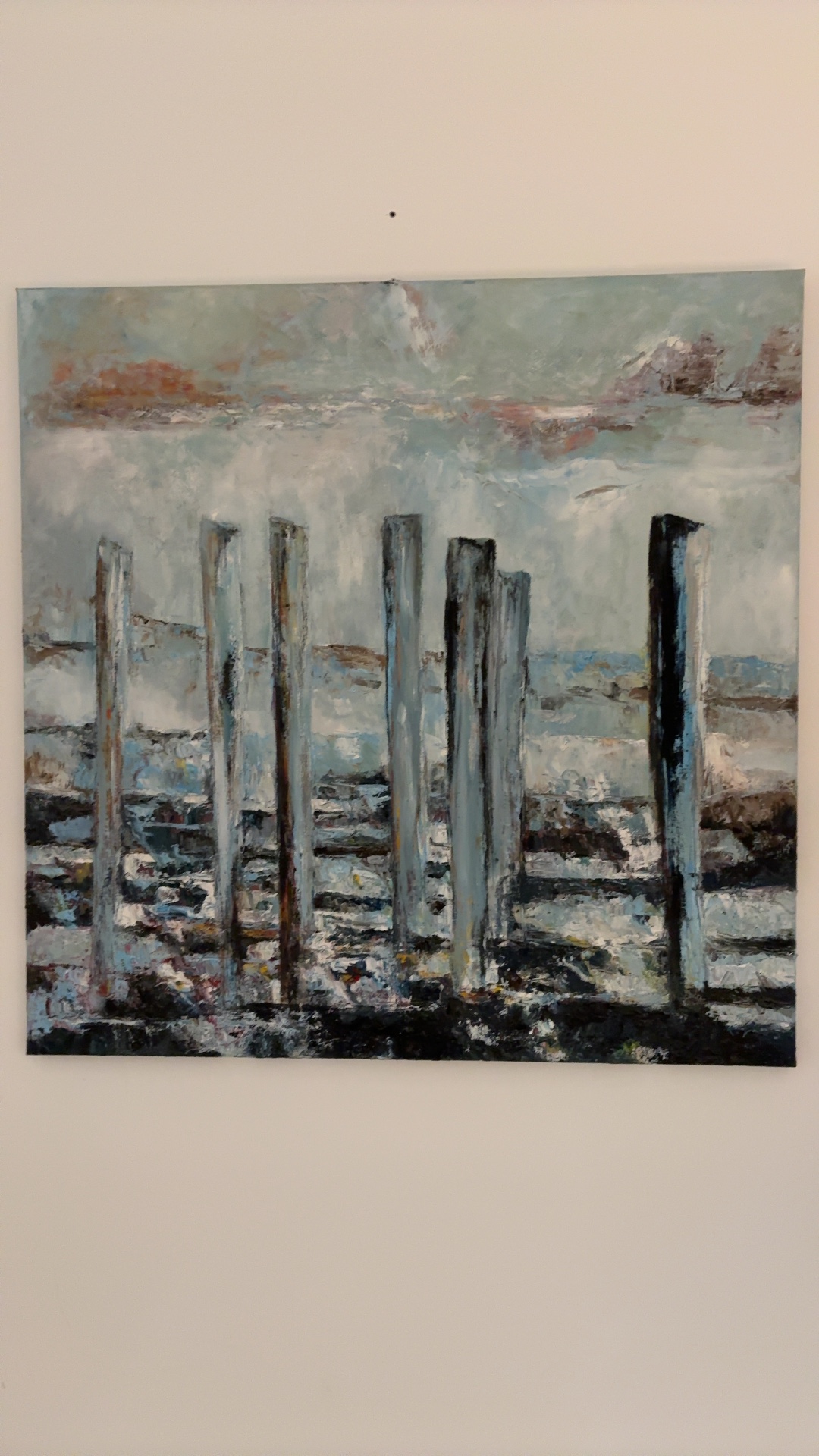
This appears to be a contemporary oil or acrylic painting depicting a seascape with prominent wooden pilings or posts. The artist has utilized a strong impasto technique, where paint is applied thickly, creating a textural surface that suggests the ruggedness of the sea and the weathered nature of the structures. The palette is predominantly cool, with blues, grays, and whites dominating, accented by warmer earth tones in the distant landscape or sky, suggesting a dynamic, perhaps stormy, atmosphere.
Related traditions
Post-Impressionism
Late 19th Century
The use of bold, visible brushstrokes and thick paint to convey emotional content and light, as pioneered by artists like Vincent van Gogh.
Abstract Expressionism
Mid-20th Century
The emphasis on surface texture and the emotive quality of paint application, creating a sensory experience beyond mere representation.
Contemporary Landscape Painting
Late 20th - 21st Century
Current trends often blend representational elements with abstract qualities, utilizing texture to enhance the atmospheric impact of natural scenes.
Use and ceremony
19th Century Academic Art
Paintings were expected to be smooth and highly polished, with brushstrokes minimized to create an illusion of reality.
Impressionist & Post-Impressionist Eras (late 19th - early 20th C.)
Visible brushwork became a tool for capturing fleeting light, atmosphere, and the artist's subjective experience, challenging academic norms.
Contemporary Art (late 20th - 21st C.)
Texture and surface quality are embraced as integral elements of the artwork itself, contributing to its decorative and conceptual value.
Origins and context
Impasto techniques have been used throughout art history, notably by artists like Rembrandt and Van Gogh to convey emotion and texture. In the contemporary art market, textural abstract and semi-abstract landscapes, particularly seascapes, remain perennial favorites for their decorative appeal and ability to evoke mood. This piece aligns with modern trends favoring expressive brushwork and substantial texture over precise realism.
Further details
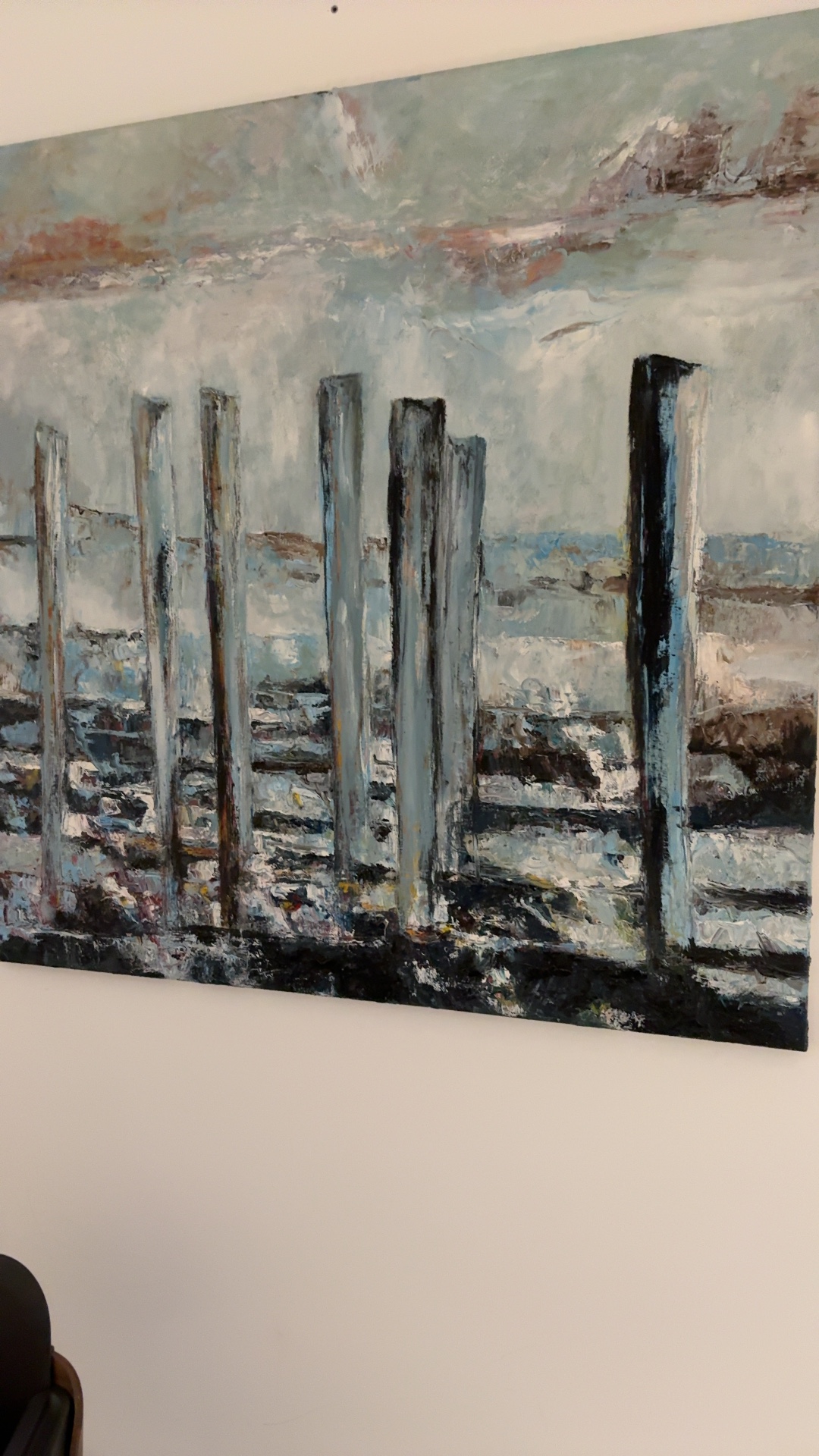
The use of impasto not only adds visual texture but can also influence how light interacts with the painting, creating shifting shadows and highlights depending on the viewing angle.
Seascapes with prominent structural elements like pilings or jetties often symbolize stability amidst change or the interaction between man-made and natural environments.
Attribution and evidence
Confidence is good regarding the painting being a contemporary, impasto seascape due to clear visual evidence of paint application and style. However, the lack of signature or provenance information limits further attribution or precise dating.
Identifying details
- 1The visible, thick application of paint (impasto) is a defining characteristic.
- 2The subject matter, a seascape with vertical posts, is a common contemporary decorative motif.
- 3The color palette uses cool tones with atmospheric qualities.
- 4Absence of signature or clear artist identification suggests it was purchased for decorative appeal rather than specific attribution.
Open questions
- •Lack of visible signature or artist's mark prevents attribution.
- •Only front views are provided; examination of the reverse (stretcher, canvas verso) is needed for labels or inscriptions.
- •Specific dating could be refined with knowledge of the pigment type or canvas preparation.
Photographs that would help
- Examine the painting's reverse for any labels, inscriptions, or gallery stickers.
- Take detailed close-up photographs of corners and edges to check for signatures or monograms.
- Inspect the stretcher bars for any stamps or markings indicating manufacturer or framer.
- Consider a UV light examination to detect any old repairs or overpainting, though unlikely for a modern decorative piece.
Terms in this record
- Impasto
- A technique used in painting where paint is laid on an area of the surface in very thick layers, usually thick enough that the brushstrokes or palette knife marks are visible, creating physical texture.
- Stretcher bars
- The wooden frame over which a canvas is stretched and stapled or tacked, providing support and tension to the painting surface.
- Palette
- The range of colors used by an artist in a particular work or throughout their body of work.
Wear and preservation
Visually, the painting appears to be in good condition, with no obvious signs of distress such as tears, significant abrasions, or paint loss. The thick impasto areas seem to be stable. There are no clear indications of past repairs or restoration from the provided images.
Scarcity and surviving examples
Average · 4/10 estimated rarity
This is a qualitative collection score, not a measured survival count, market percentile or proof of authenticity.
What the photographs establish
Interpretation of the photographs and supplied context. This does not authenticate the object.
- This is likely an original decorative artwork, not attributed to a famous artist.
- The style is broadly contemporary and not overtly attempting to mimic a specific artist's work.
- Reproduction of such textured works is generally less common for this price point.
Value and its basis
Estimate recorded: Feb 27, 2026
How we estimate value
- No documented comparable sales are shown for this estimate
- Condition, completeness & craftsmanship
- Demand assumptions may not reflect current transactions
- The range is an estimate, not an asking price or sale result
For informational purposes only, not a formal appraisal.
Related objects

Contemporary Mixed Media Resin Assemblage with Samurai Silhouette and Steampunk Elements, c. 2020-2026
Same category
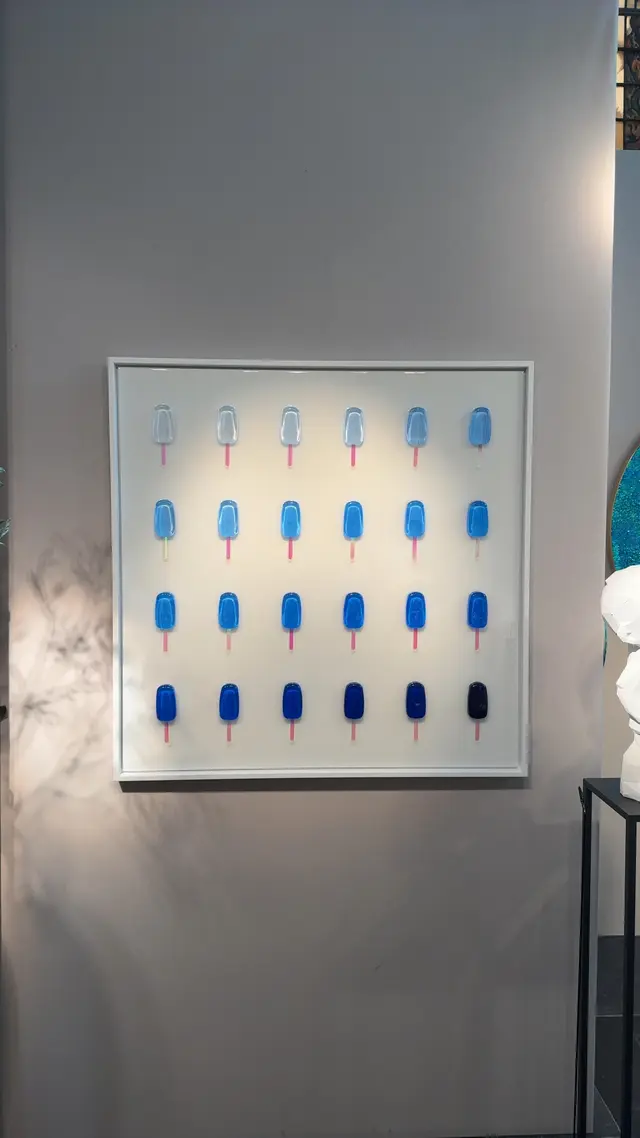
Contemporary Mixed Media 'Popsicle' Wall Sculpture
Same category
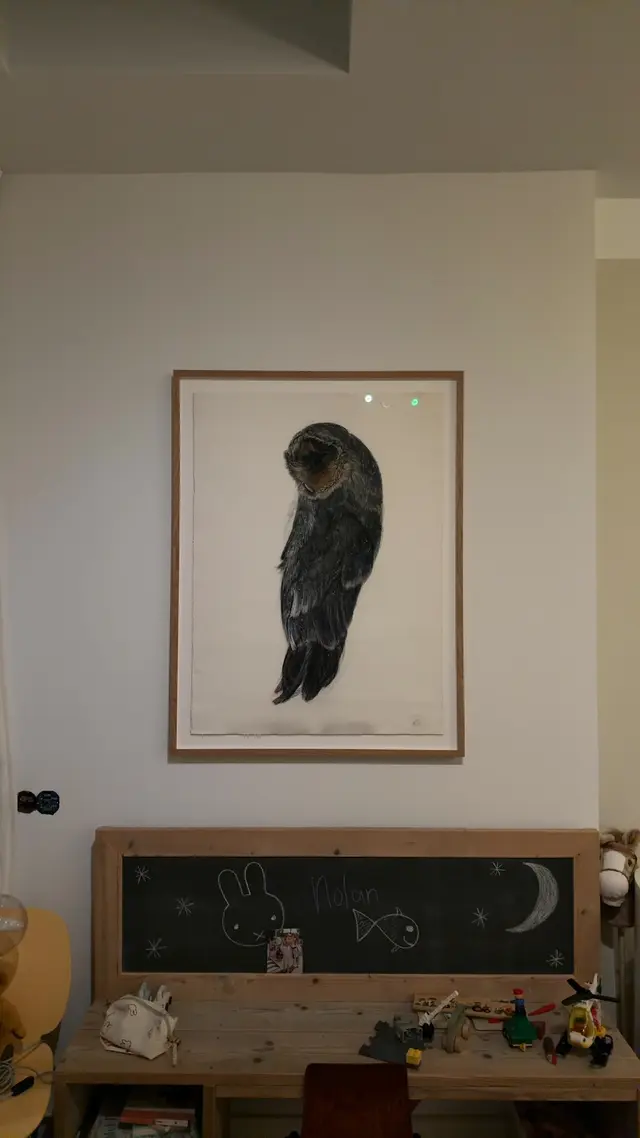
Contemporary Drawing of an Owl
Same category
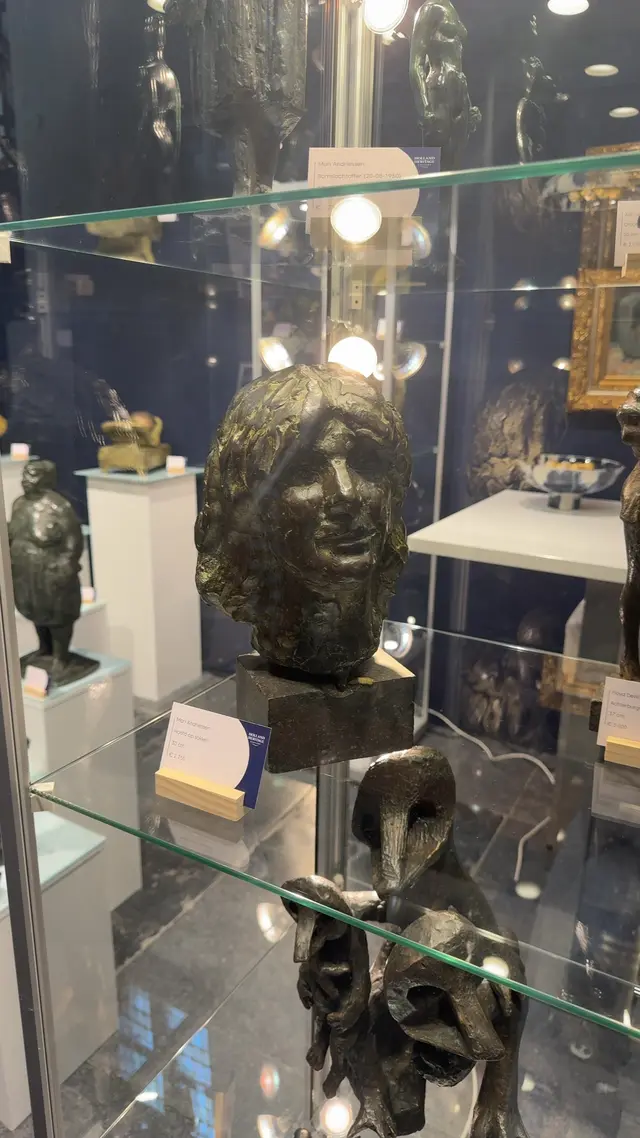
Mari Andriessen (Dutch, 1897-1979) - Hoofd op Sokkel, Bronze, c. 1950-1970
Same category

Dash Rodgerz Mixed-Media Blacklight Sculpture with Ukulele and Mushroom Motif
Same category
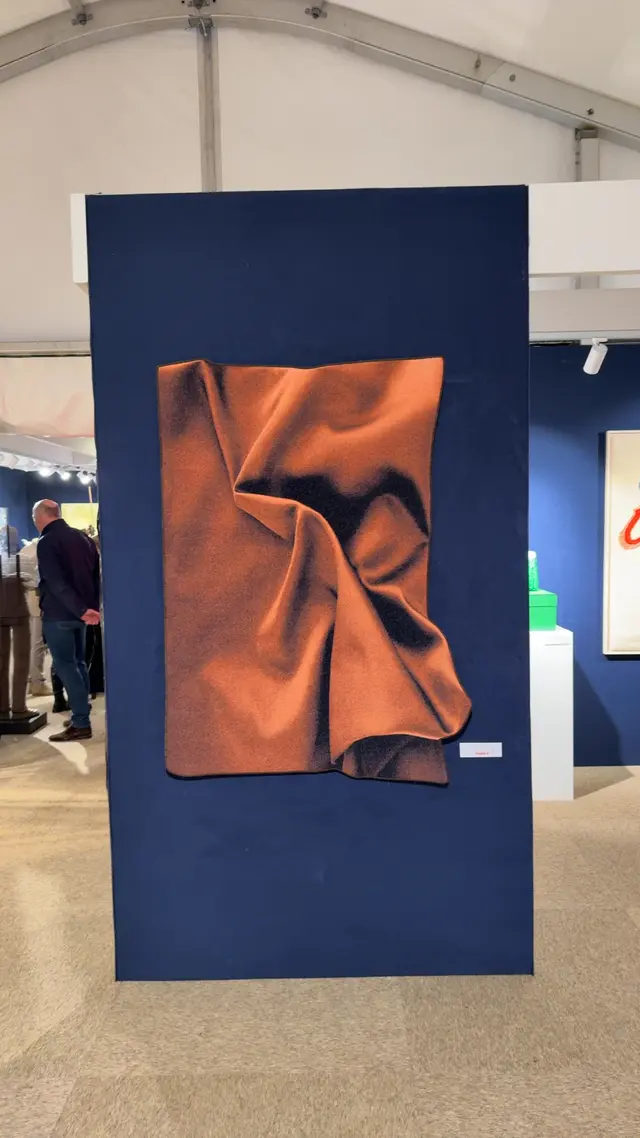
Canela Brown, textile wall artwork, labeled Celia Hadeler
Same category
Share this find
A place for your art
Keep its photographs, maker’s marks and the story you know in one object record. Start with a photo.
Create an account for 10 free scans. No credit card needed.
Join the conversation