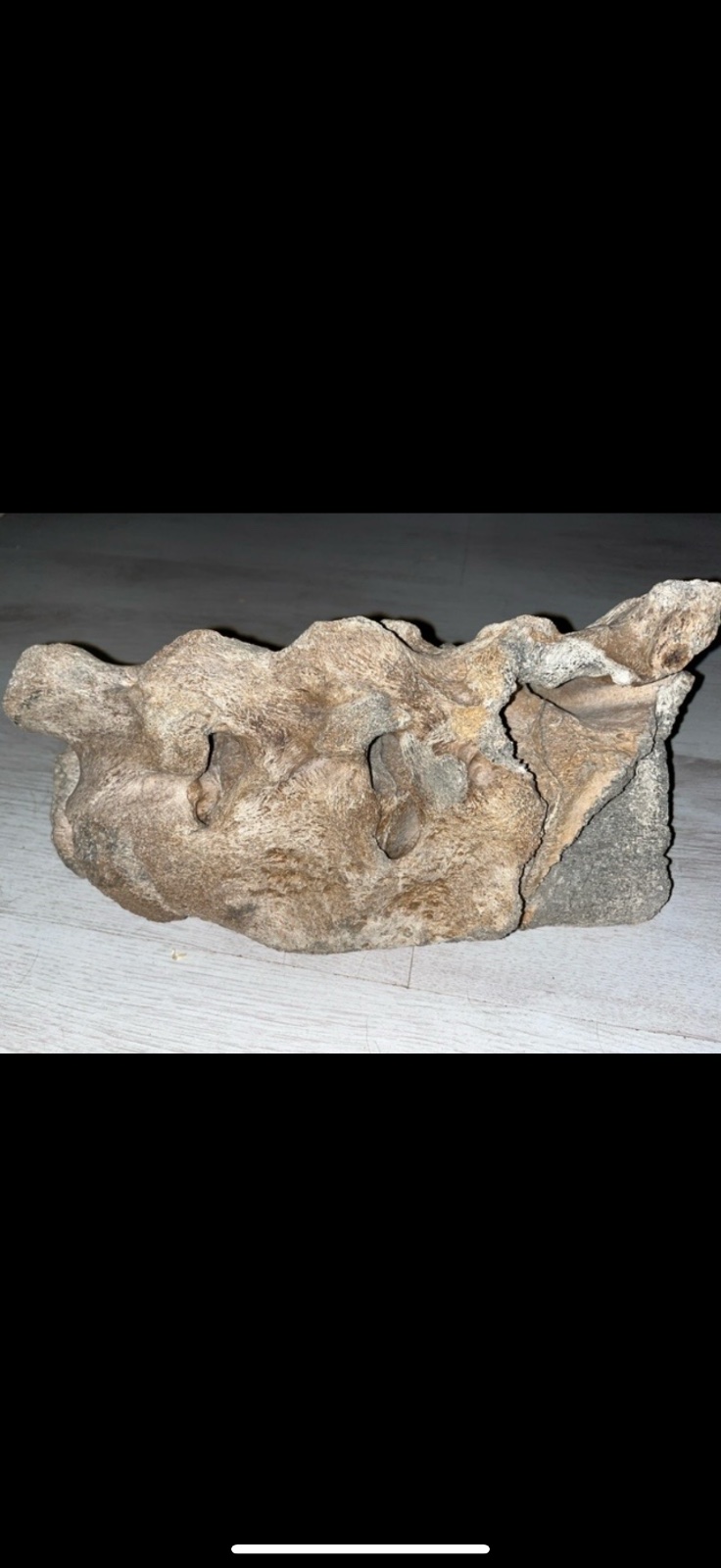
Fossilized Vertebra/Bone Fragment (Possibly Cetacean or other large mammal)
Estimated value
$75 - $250Rarity
Average(4/10)Category
FossilsEra
Cenozoic Era (Tertiary to Quaternary Period), potentially 2.5 - 66 million years agoOrigin
🇳🇱 NetherlandsAuthenticity
FOSSILIZED VERTEBRA/BONE FRAGMENT (POSSIBLY CETACEAN OR OTHER LARGE MAMMAL): IDENTIFICATION
This appears to be a large, weathered fossilized bone fragment, likely a vertebra or a section of a larger bone from a significant vertebrate. The spongy internal structure (cancellous bone) is visible in areas, indicative of a bone structure solidified through permineralization. The overall shape, particularly the robust nature and the presence of what might be neural arch remnants or transverse processes, suggests an origin from a large animal, possibly a marine mammal like a whale (cetacean), or another large terrestrial mammal.
Compare with other fossils in the archive: Trilobite - Drotops megalomanicus (Devonian, Ma'der Basin, Morocco) 11cm, Prepared, Fossil Fish Positive/Negative - Vinctifer comptoni (Cretaceous, Santana Formation, Brazil), Megalodon Tooth - Otodus megalodon (Miocene to Pliocene).
SCARCITY
Typical antique shop fare. Requires some searching but regularly available. This is where most genuine antiques fall.
Rarity 4/10. Curiosa currently catalogues 11 fossils items at rarity 4 or higher.
Typical Characteristics
- Standard antique shop items
- Regularly available
- Moderate collector interest
Confidence Factors
- Lack of visible matrix or geological context makes locality verification impossible from images alone.
- Specific identification of genus/species is not possible without closer examination, raising risk for misattribution.
- Weathered state could mask minor repairs or composite constructions, though none are externally obvious.
PALEONTOLOGIST'S TAKE
Paleontology Specialist
The visual evidence strongly points to a genuine fossilized bone fragment due to its texture, structure, and weathered appearance, but the lack of scale, precise morphological features for identification, and provenance information limits a higher confidence in taxonomic assignment.
KEY EVIDENCE
- 1Presence of porous, cancellous bone structure, typical of vertebrate bone.
- 2Overall robust and irregular shape consistent with a large animal's vertebra or bone fragment.
- 3Mineralized appearance and weathered surface indicate fossilization over geological time.
- 4No visible modern cuts or tool marks, suggesting natural dislodgement and weathering.
UNCERTAINTIES
- •Precise taxonomic identification is currently not possible from isolated images.
- •No indication of geological formation or provenance, which is crucial for full scientific assessment and value.
- •Scale is difficult to assess accurately without a reference object.
WHAT WOULD IMPROVE CERTAINTY
- →Provide clear images with a scale bar or common object (e.g., ruler or coin) for size reference.
- →Examine under UV light to check for recent repairs or composite materials.
- →Seek an in-hand examination by a qualified paleontologist to confirm origin and potentially identify the animal group more precisely.
- →If known, provide precise locality information (geological formation and geographic location).
CONDITION & GRADE
Condition
The specimen is in a naturally weathered state. It appears to be an incomplete fragment, not a complete, articulated bone. There are no obvious signs of restoration or repair, though the natural erosional features could mask some minor interventions. The overall preservation indicates a robust fossil, albeit one with significant surface wear.
SPECIMEN MARKET VALUE
Updated: Feb 27, 2026
- Market comparables from auctions & retail
- Condition, completeness & craftsmanship
- Current collector demand & trends
- Low = quick sale, high = patient seller
For informational purposes only, not a formal appraisal.
SIMILAR CURIOSITIES
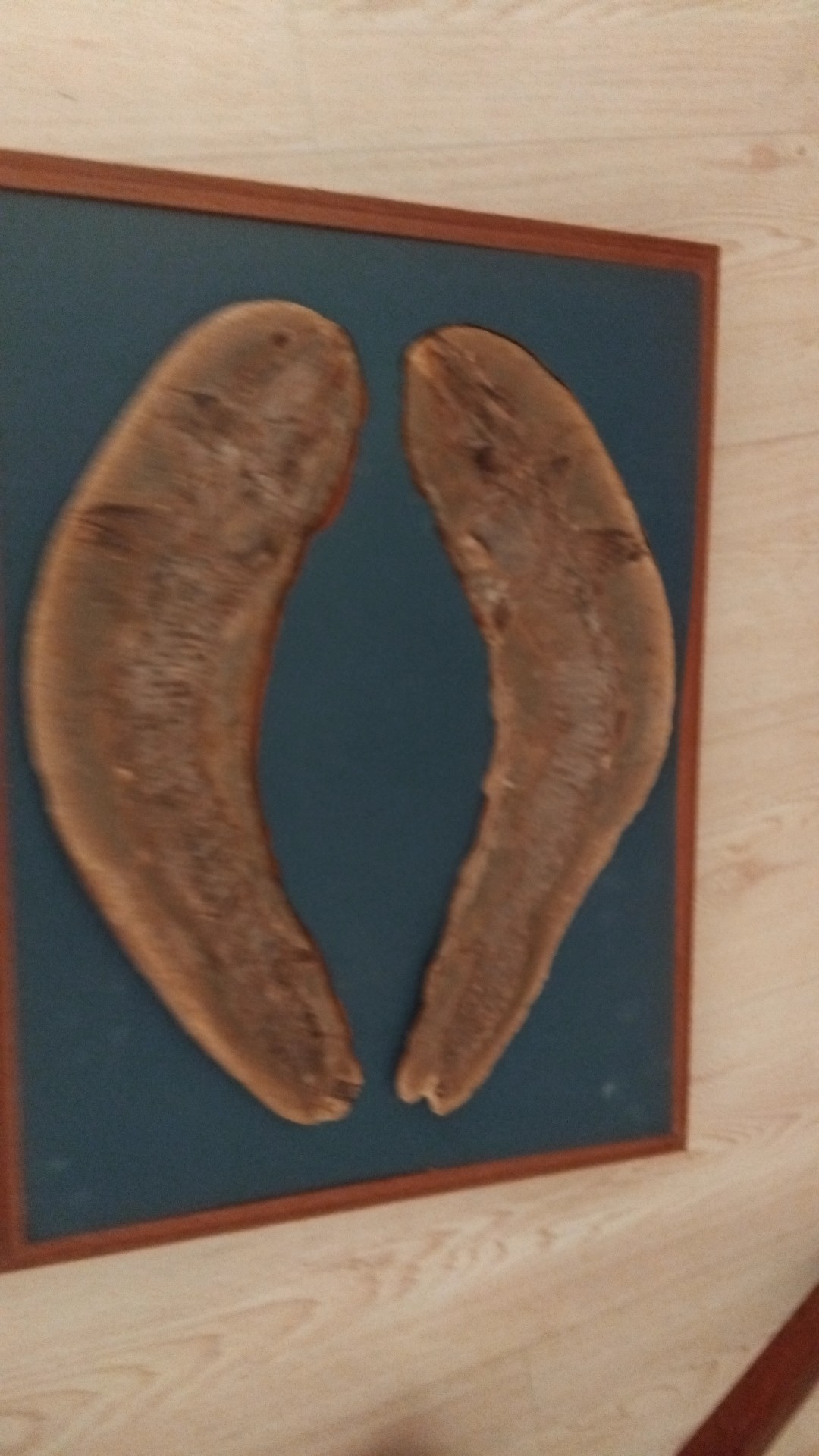
Fossil Fish Positive/Negative - Vinctifer comptoni (Cretaceous, Santana Formation, Brazil)
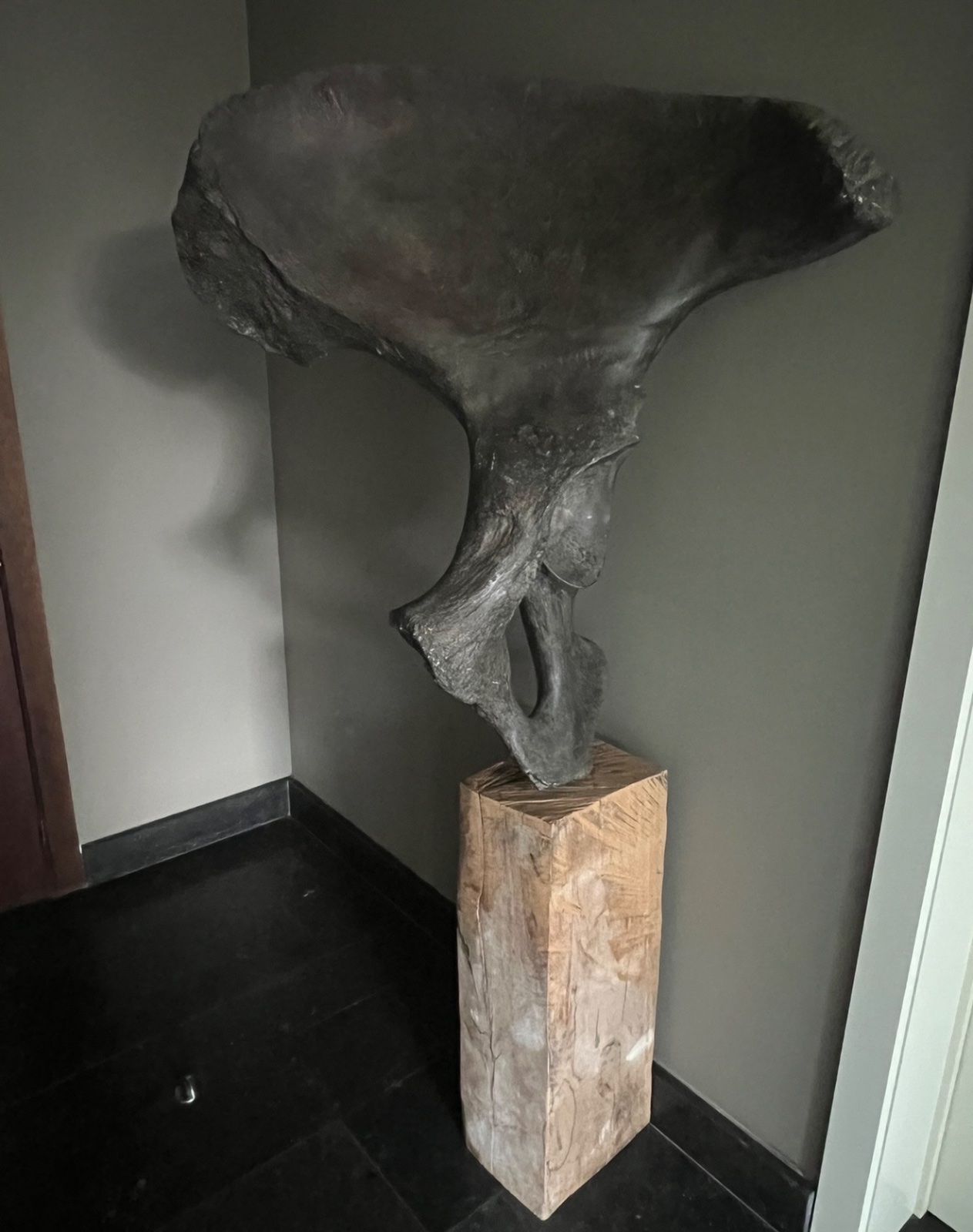
Proboscidean Innominate (Fossilized Elephant or Mammoth Pelvis)
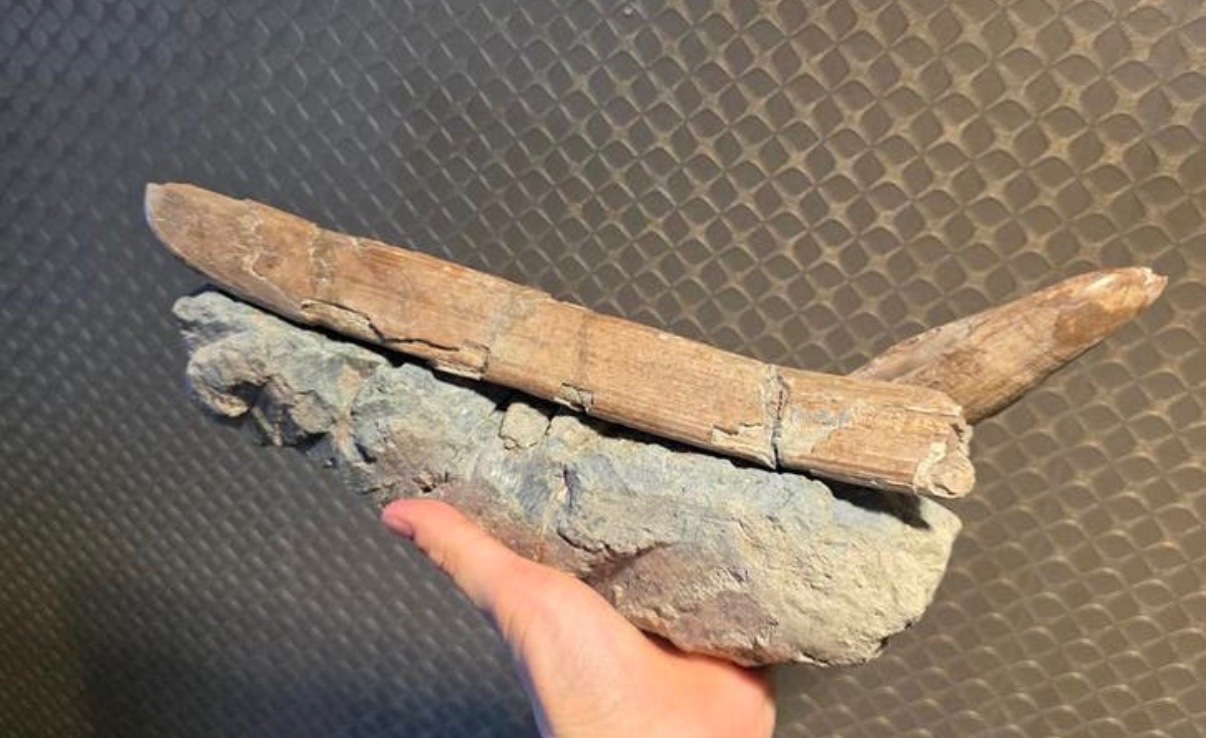
Spinosaurid Tooth in Matrix - Spinosaurus aegyptiacus (Cretaceous, Kem Kem Group, Morocco), 5-6 inches
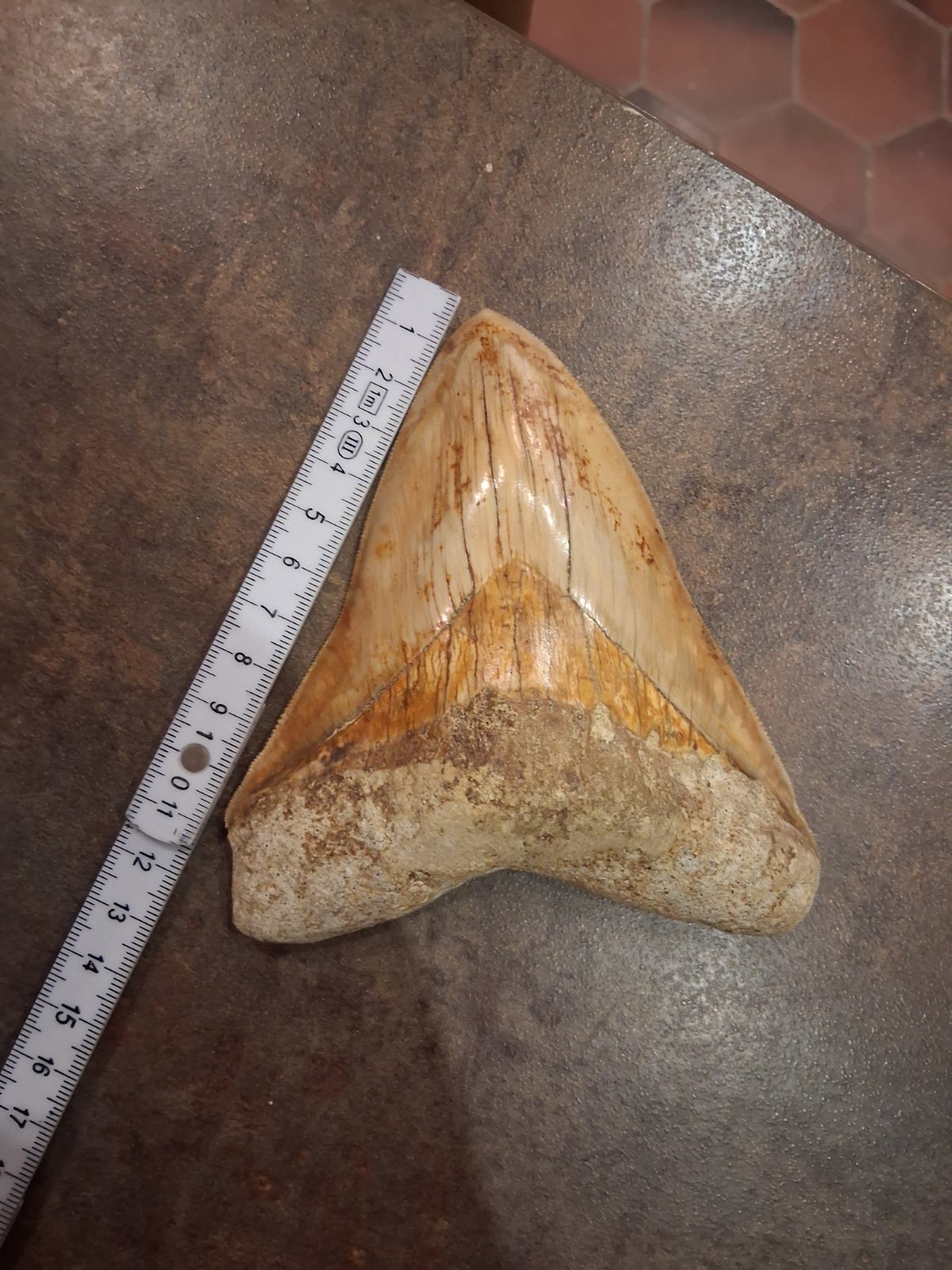
Megalodon Tooth - Otodus megalodon (Miocene to Pliocene)
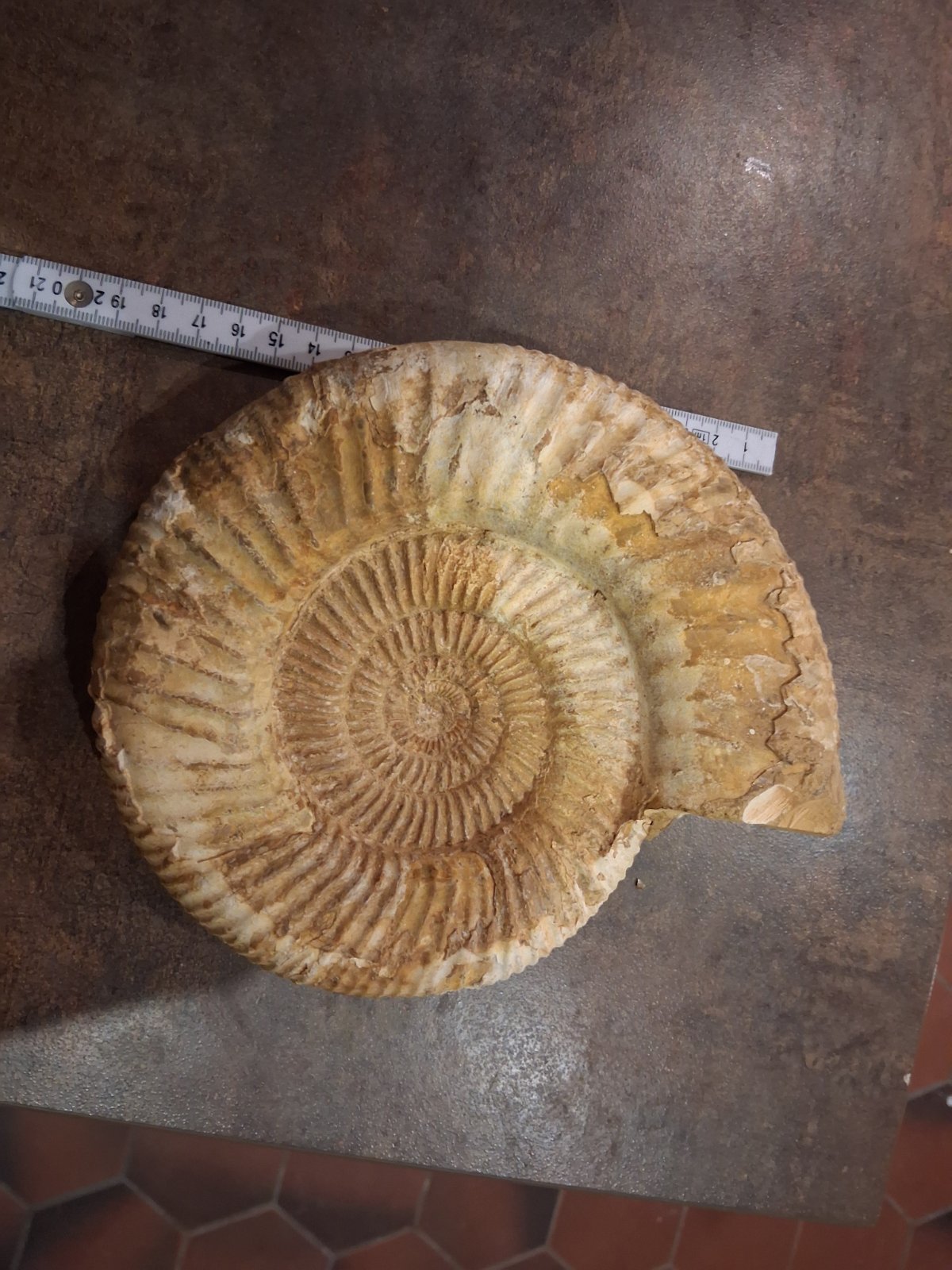
Ammonite Fossil - cf. Perisphinctes (Jurassic, approx. 160 Ma)
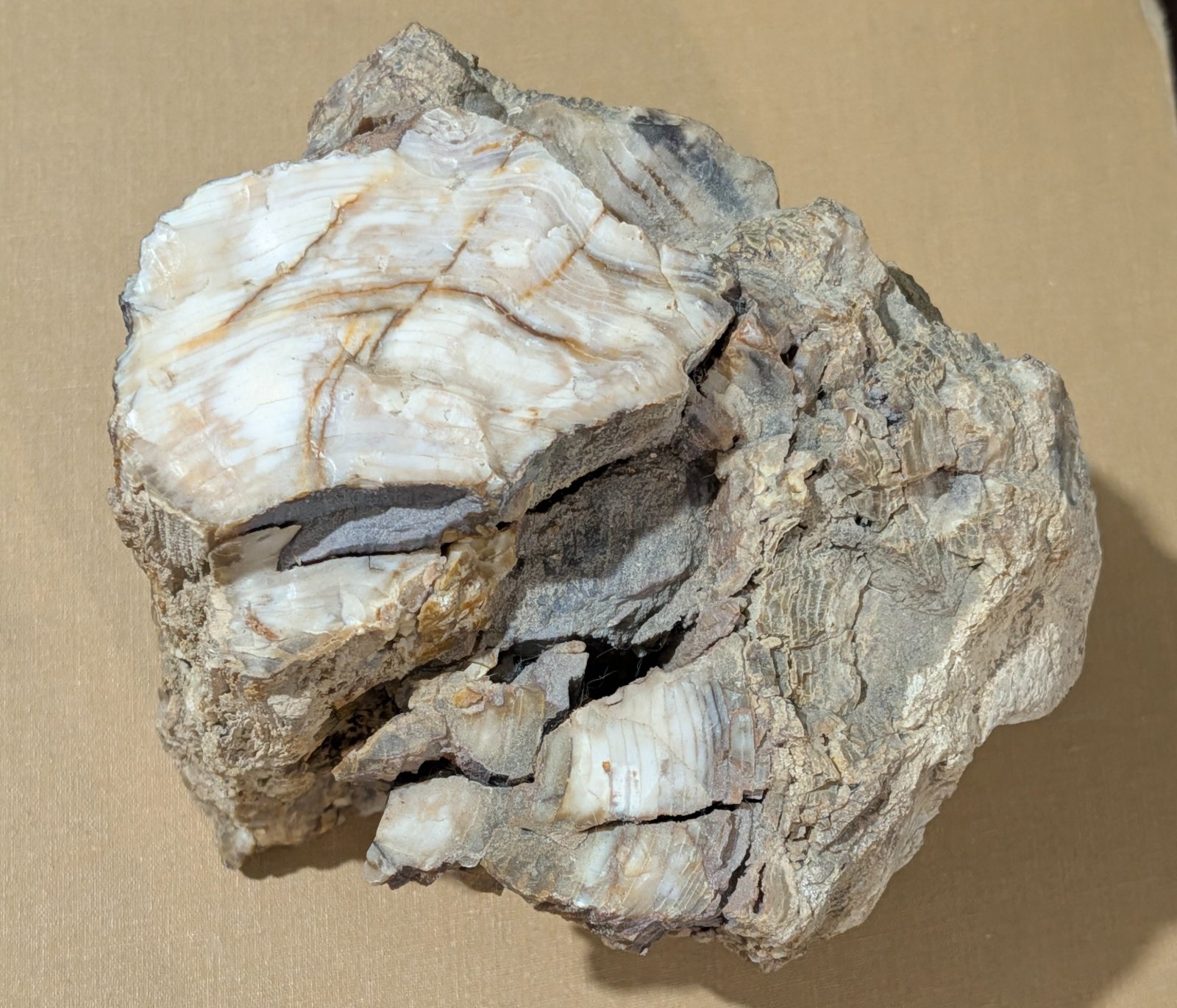
Petrified Wood (Silicified)
ABOUT FOSSILS
Prehistoric specimens, dinosaur fossils, amber inclusions, and ancient life forms.
Fossils value and rarity guideSHARE THIS CURIOSITY
Have your own curiosities to discover?
Scan Your Curiosity
COMMENTS
No comments yet. Be the first to share your thoughts!
Sign in to leave a comment