Petrified Wood (Silicified)
QUICK FACTS
Categories
Era
Mesozoic Era (Triassic to Cretaceous)
Origin
🇺🇸 United States
Rarity
Average (4/10)
Discovered
Feb 12, 2026
2 weeks ago
DESCRIPTION
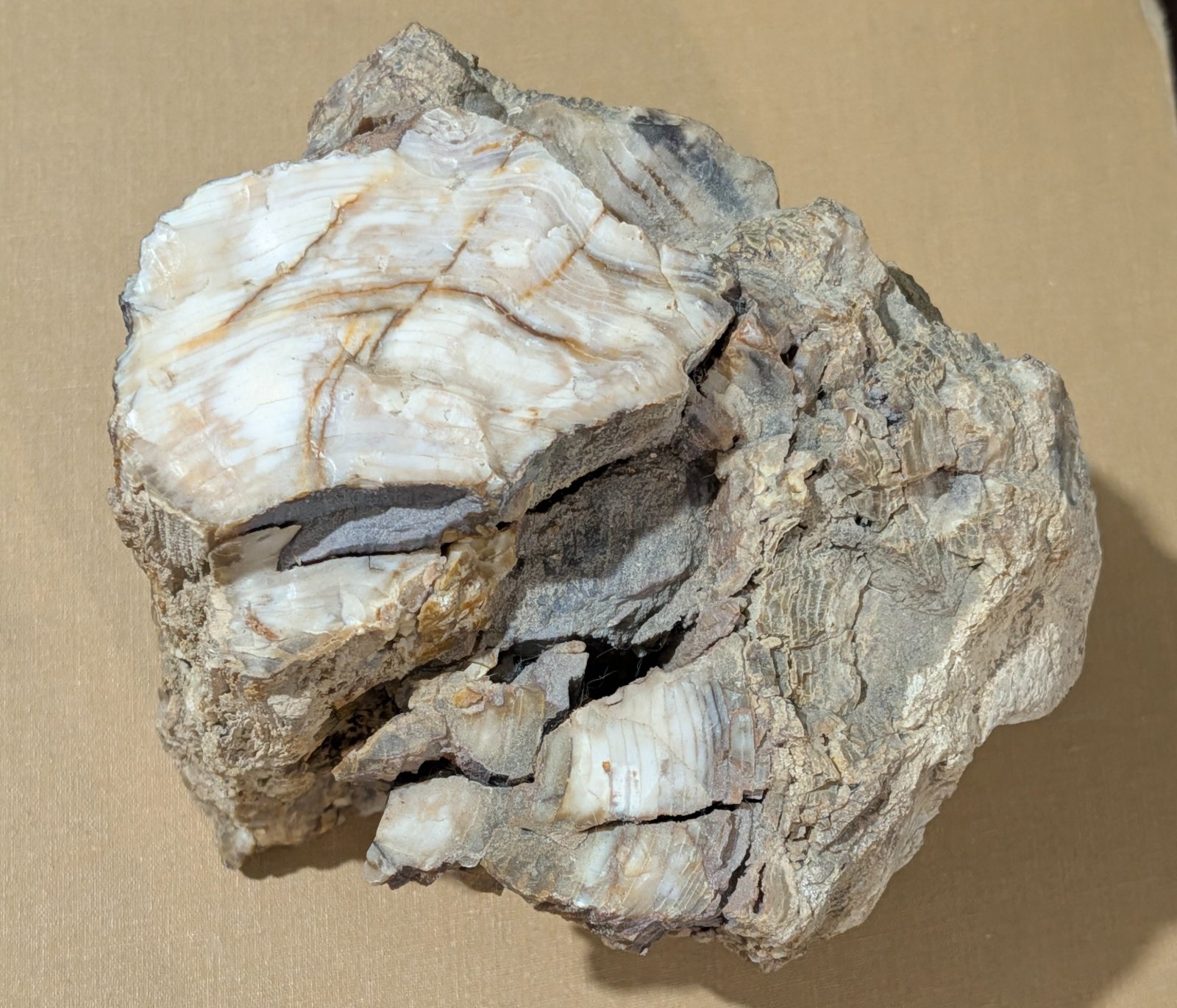
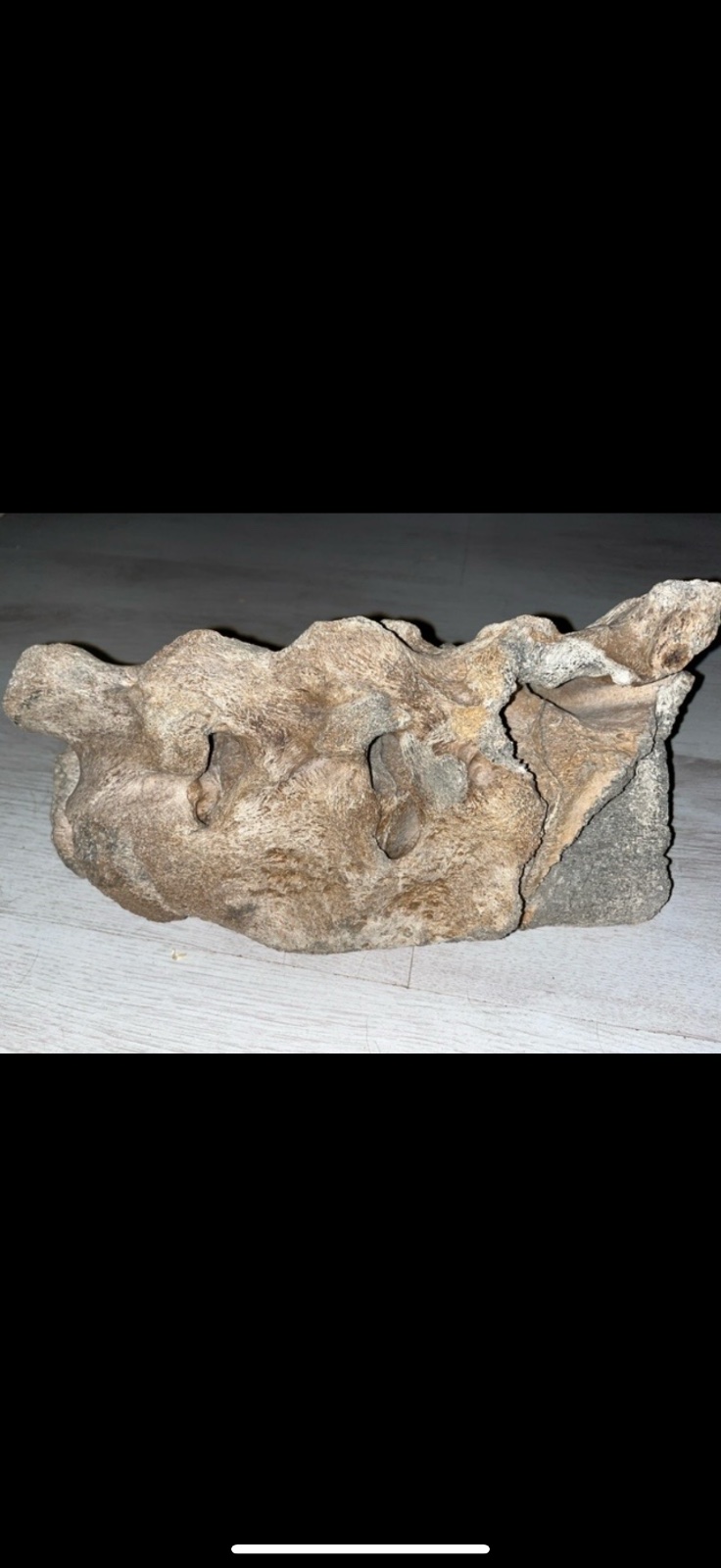
This appears to be a large specimen of petrified wood, showcasing excellent preservation of the original wood grain and growth rings. The silicification process has replaced the organic material with chalcedony or opal, resulting in the distinct glassy fracture and variegated coloration, ranging from opaque white to shades of brown and dark grey. The specimen presents a mix of natural exterior weathering and polished or fractured interior surfaces revealing the internal structure.
CULTURAL ECHOES
Where This Object Echoes
Various ancient cultures, including Native American tribes, revered petrified wood, often incorporating it into tools, jewelry, or using fragments in spiritual practices, recognizing its unique transformation from living material to stone.
Ritual & Ceremonial Use
- •Collectors and enthusiasts often display petrified wood as a natural art piece or a geological specimen, appreciating its aesthetic qualities and its link to deep time and ancient ecosystems.
- •In some modern spiritual or New Age practices, petrified wood is thought to carry grounding energies and facilitate connection to ancient wisdom.
Meaning Through Time
Regarded as sacred, sometimes believed to be fossilized mythical creatures or divine remnants, or simply prized for its hardness in tool-making.
Became a subject of scientific inquiry, contributing to early geological and paleontological understanding of Earth's history and processes.
Valued as a decorative item, natural art, and a collectible fossil, particularly specimens with vivid colors and striking preservation.
HISTORICAL STORY
DID YOU KNOW?
The vibrant colors often seen in petrified wood specimens are due to trace minerals like iron, manganese, and copper introduced during the permineralization process, acting as natural pigments.
The Petrified Forest National Park in Arizona is one of the world's most famous localities for petrified wood, known for its extensive deposits of beautifully preserved fossilized trees, primarily from the Triassic Period.
MATERIAL & CONDITION
Surface
The surface exhibits both weathered, rough bark-like textures and smoother, fractured faces revealing the silicified internal structure. The colors vary, with shades of white, cream, tan, and dark brown/black, indicating the presence of various mineral impurities in the chert or chalcedony.
Weight & Feel
Based on its apparent density (silica replacing wood), this specimen would feel substantial and heavy for its size, likely dense and stony, weighing several pounds.
Condition
The specimen appears to be in good, stable condition for a fossil of this type. The fractures visible are inherent to the break of the rock and appear natural, rather than recent damage. The surfaces show some natural weathering, which is typical for excavated petrified wood.
RARITY ANALYSIS
Typical antique shop fare. Requires some searching but regularly available. This is where most genuine antiques fall.
Typical Characteristics
- Standard antique shop items
- Regularly available
- Moderate collector interest
EXPERT ANALYSIS
Paleontology Specialist
The visual evidence strongly points to genuine petrified wood due to the clear preservation of wood structures and characteristic mineral replacement textures. The images are clear and show multiple angles.
KEY EVIDENCE
- 1Clear preservation of wood grain structure and growth rings visible on both smooth and fractured surfaces.
- 2Varied and natural color palette (whites, browns, grays) consistent with silicified wood mineral replacement.
- 3Characteristic conchoidal or splintery fracture pattern on exposed surfaces, typical of chert/chalcedony.
- 4Overall morphology and texture are consistent with large sections of ancient tree trunks that have undergone permineralization.
WHAT WOULD IMPROVE CERTAINTY
- →A precise locality (geological formation and geographic region) would greatly enhance the scientific and market value.
- →Close-up photography of microstructural details to further confirm wood anatomy and mineral composition.
- →UV light examination can sometimes reveal subtle repairs or areas of artificial enhancement, though unlikely for this type of specimen.
ESTIMATED VALUE
Updated: Feb 27, 2026
- Market comparables from auctions & retail
- Condition, completeness & craftsmanship
- Current collector demand & trends
- Low = quick sale, high = patient seller
For informational purposes only, not a formal appraisal.
ABOUT FOSSILS
Prehistoric specimens, dinosaur fossils, amber inclusions, and ancient life forms.
Browse all FossilsSHARE THIS CURIOSITY
Have your own curiosities to discover?
Scan Your Curiosity
COMMENTS
No comments yet. Be the first to share your thoughts!
Sign in to leave a comment