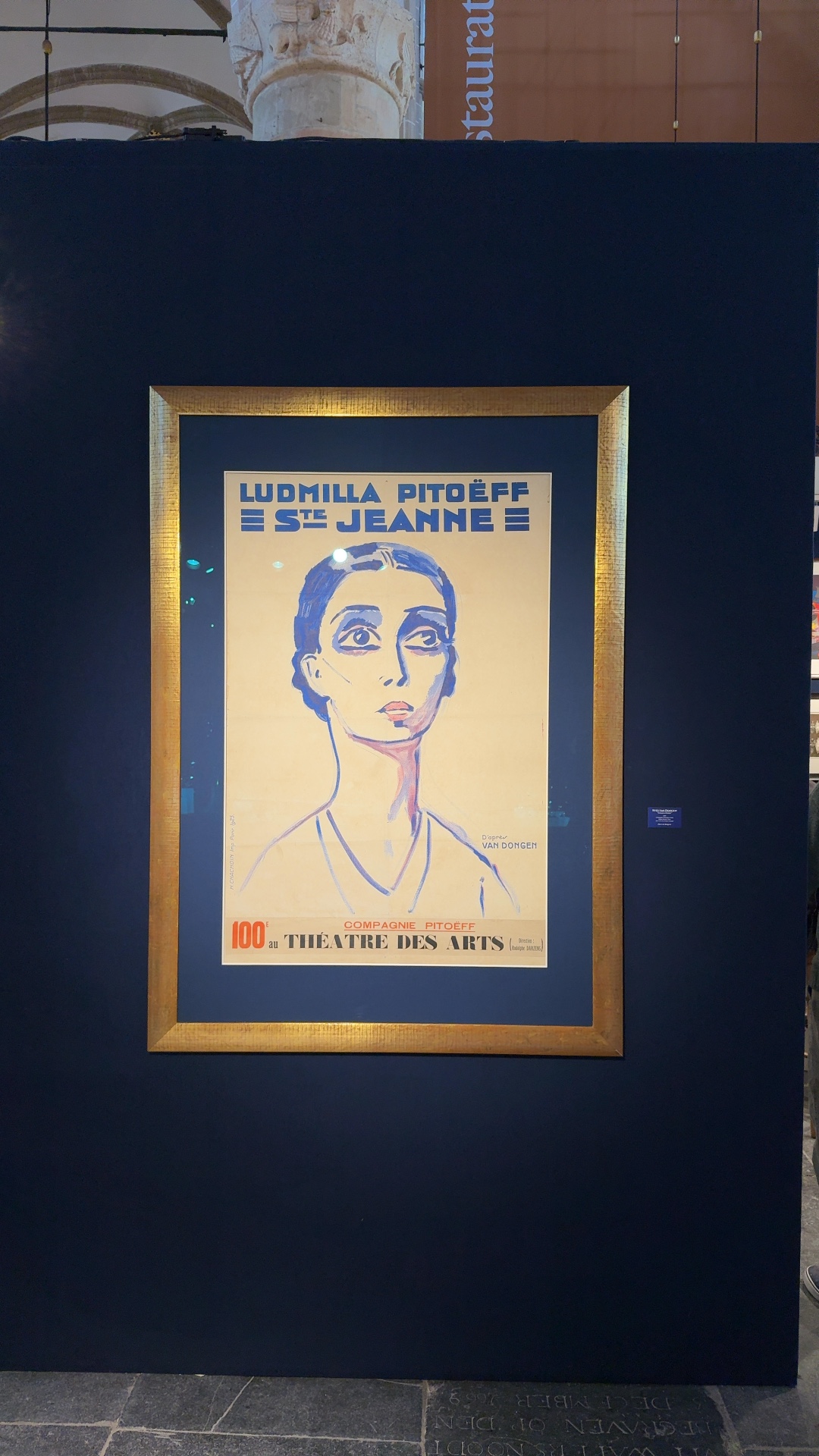
Kees van Dongen (after) - Ludmilla Pitoëff in 'Sainte Jeanne', 1925
Estimated value
$3,000 - $5,000Rarity
Scarce(6/10)Type
Museum ObjectCategory
Prints & PostersBrand
Théâtre des ArtsEra
1925Origin
🇫🇷 FranceArtist / Creator
Kees van DongenAuthenticity
KEES VAN DONGEN (AFTER) - LUDMILLA PITOËFF IN 'SAINTE JEANNE', 1925: IDENTIFICATION
This is a superb example of a 1920s Parisian theatre poster, notable for its synthesis of a Fauvist figural style with bold Art Deco typography. The design, after a work by the artist Kees van Dongen, captures the intense, spiritual portrayal of Joan of Arc by the actress Ludmilla Pitoëff. The artist uses a strikingly limited palette—primarily a vibrant blue with sparse magenta accents—to render Pitoëff's face, focusing on her famously large, expressive eyes. This is not just an advertisement, but a significant work of graphic art from the height of the 'Années folles'.
Compare with other prints in the archive: "Marcelle Léoni" Color Lithograph by Kees van Dongen, Abstract Mixed Media Print ('Monoprint'), Abstract Chromatic Lithograph by A. Vrede.
CROSS-CULTURAL PARALLELS
Where This Object Echoes
The portrait's use of non-naturalistic color and expressive, fluid lines is a direct echo of the Fauvist movement, of which Van Dongen was a key member.
The intense psychological focus and stark, emotive depiction of the face shares sensibilities with German Expressionist portraiture of the same era, such as the work of the Brücke group.
Ritual & Ceremonial Use
- •The cultural ritual of Parisian theatre-going during the 'Années folles' (Roaring Twenties), where premiere performances were major social and artistic events.
Meaning Through Time
Joan of Arc as a religious martyr and military leader, condemned for heresy.
Re-canonized and embraced as a potent symbol of French nationalism and Catholic piety.
Reinterpreted as a modern figure: a rational mystic, a proto-Protestant, and a proto-feminist challenging established feudal and religious authority.
PRINT LINEAGE
SCARCITY
Genuinely harder to find. Perhaps only dozens come to market annually. Collectors actively watch for these pieces.
Rarity 6/10. Curiosa currently catalogues 4 prints items at rarity 6 or higher.
Typical Characteristics
- Dozens per year at market
- Documented provenance valued
- Active collector pursuit
Confidence Factors
- This is a well-documented and known poster design.
- The visible printer's mark ('H. CHACHOIN Imp. Paris. 1925') is correct for the period and style.
- The primary risk for such an item is a later, high-quality reproduction, but visual indicators point towards an original period printing.
PRINT SPECIALIST'S TAKE
Museum-Trained Art Historian
Confidence is high due to the clear presence of the printer's name and date (H. Chachoin, 1925), which aligns perfectly with the artist, subject matter, and Art Deco style. The only minor reservation is the inability to examine the object outside its frame.
KEY EVIDENCE
- 1The explicit printer's mark 'H. CHACHOIN Imp. Paris. 1925' which precisely dates and locates the production.
- 2The attribution 'D'après VAN DONGEN' correctly identifies the design's source from a major Fauvist artist.
- 3The subject matter relates to the historically significant 1925 Paris premiere production of Shaw's 'Sainte Jeanne' starring Ludmilla Pitoëff.
- 4The visual style, combining Fauvist portraiture and Art Deco typography, is entirely consistent with the artistic milieu of mid-1920s Paris.
UNCERTAINTIES
- •The assessment is limited by the inability to inspect the paper stock and reverse side out of the frame.
- •Minor spotting/foxing is visible, which could potentially be more extensive than it appears through the glass.
WHAT WOULD IMPROVE CERTAINTY
- →Examination by a professional paper conservator, including careful de-framing to assess the full sheet.
- →Inspection of the paper's edges and reverse for any collectors' marks, watermarks, or condition issues.
- →Confirmation of dimensions against catalogue raisonné data for this specific poster (typically around 159 x 120 cm).
CONDITION & GRADE
Condition
Viewed through glazing, the sheet appears to be in very good condition with strong, seemingly unfaded color. There are a few scattered, minor spots of what appears to be foxing, consistent with its age, but no apparent major folds, tears, or repairs. An out-of-frame examination would be necessary for a definitive assessment.
PRINT MARKET VALUATION
Updated: Feb 27, 2026
- Market comparables from auctions & retail
- Condition, completeness & craftsmanship
- Current collector demand & trends
- Low = quick sale, high = patient seller
For informational purposes only, not a formal appraisal.
SIMILAR CURIOSITIES
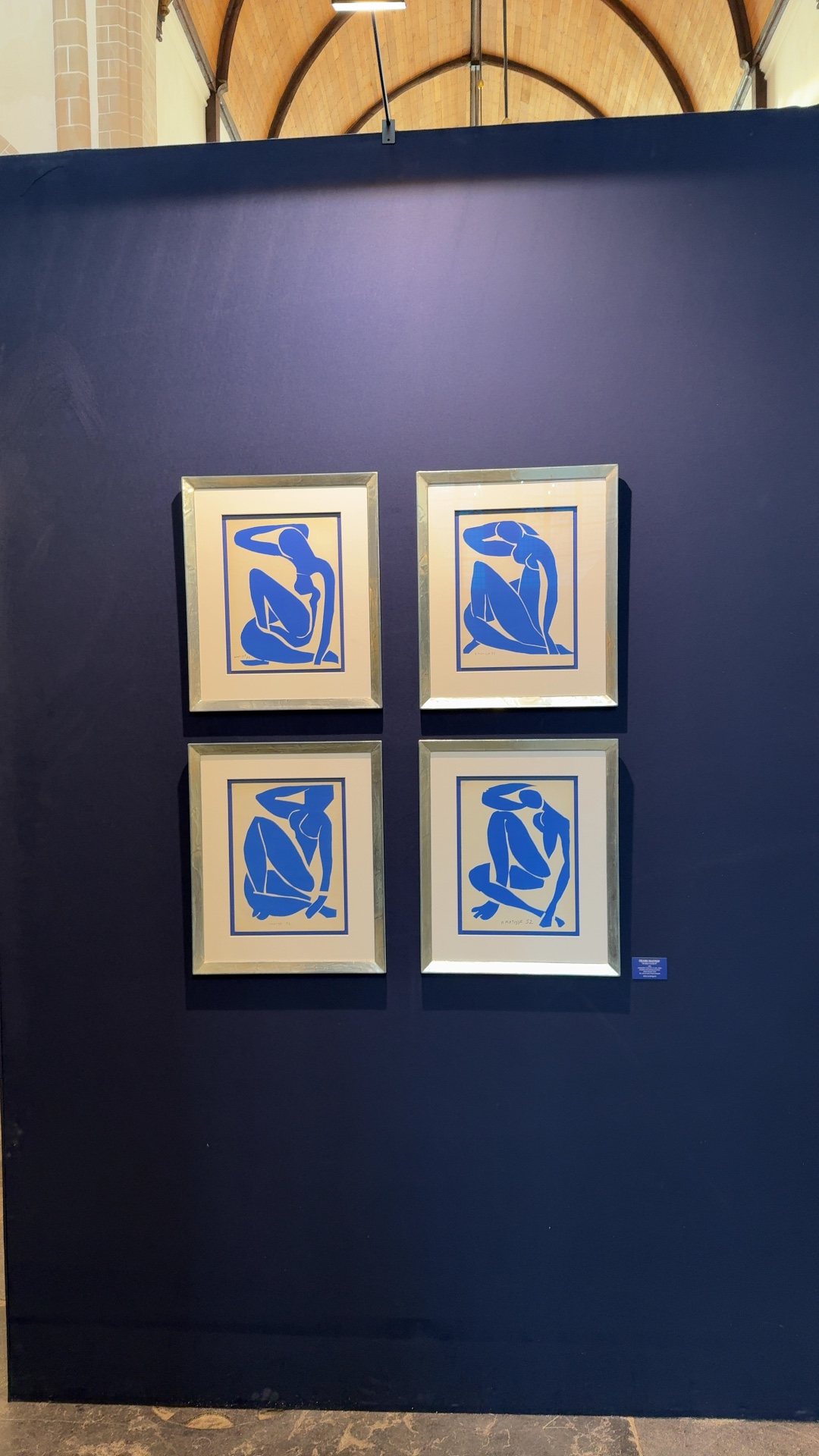
Set of Four Prints after Henri Matisse's "Blue Nudes" (Nus Bleus I-IV)
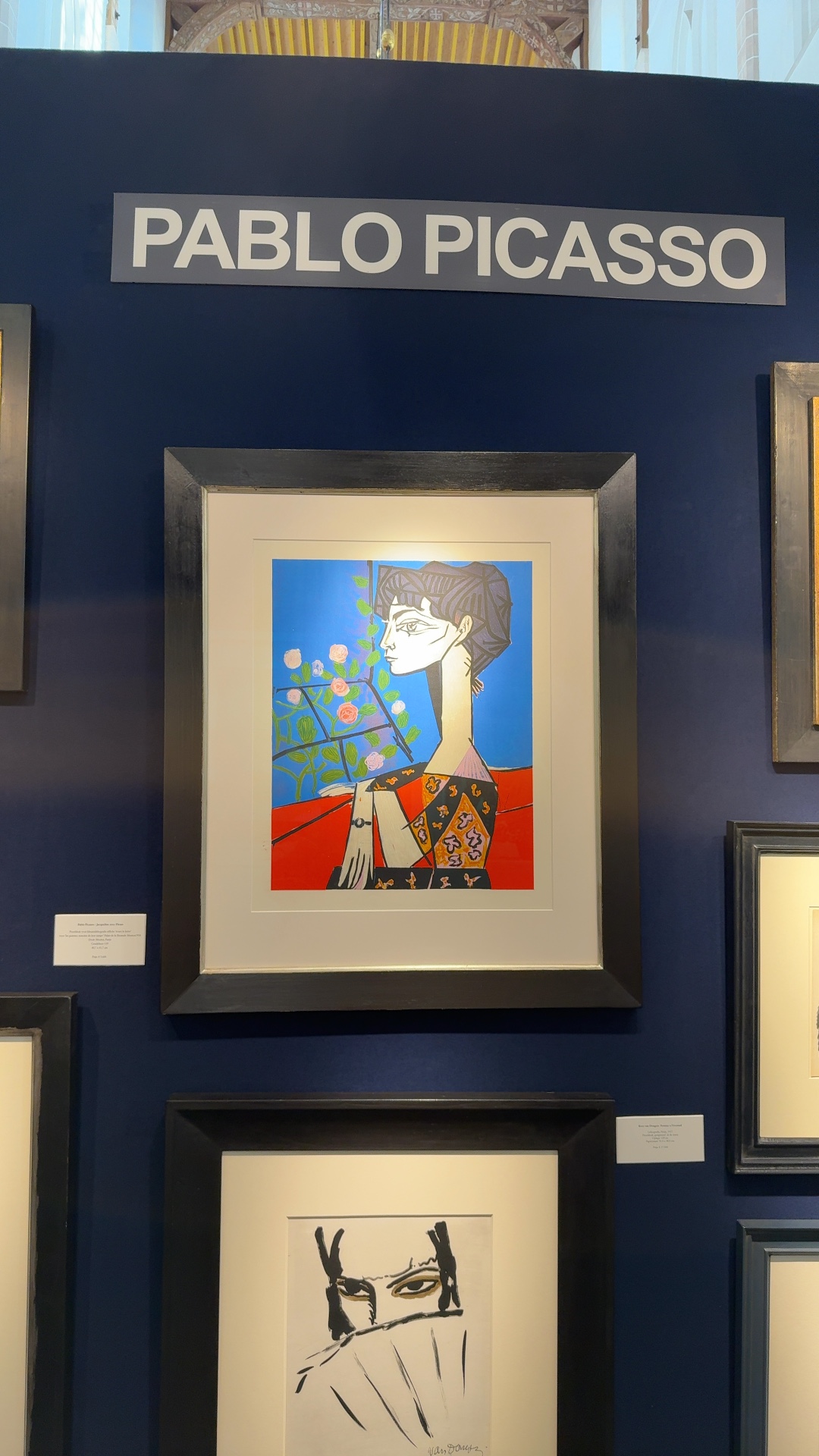
Femme à la Fenêtre (Woman at the Window), after Pablo Picasso
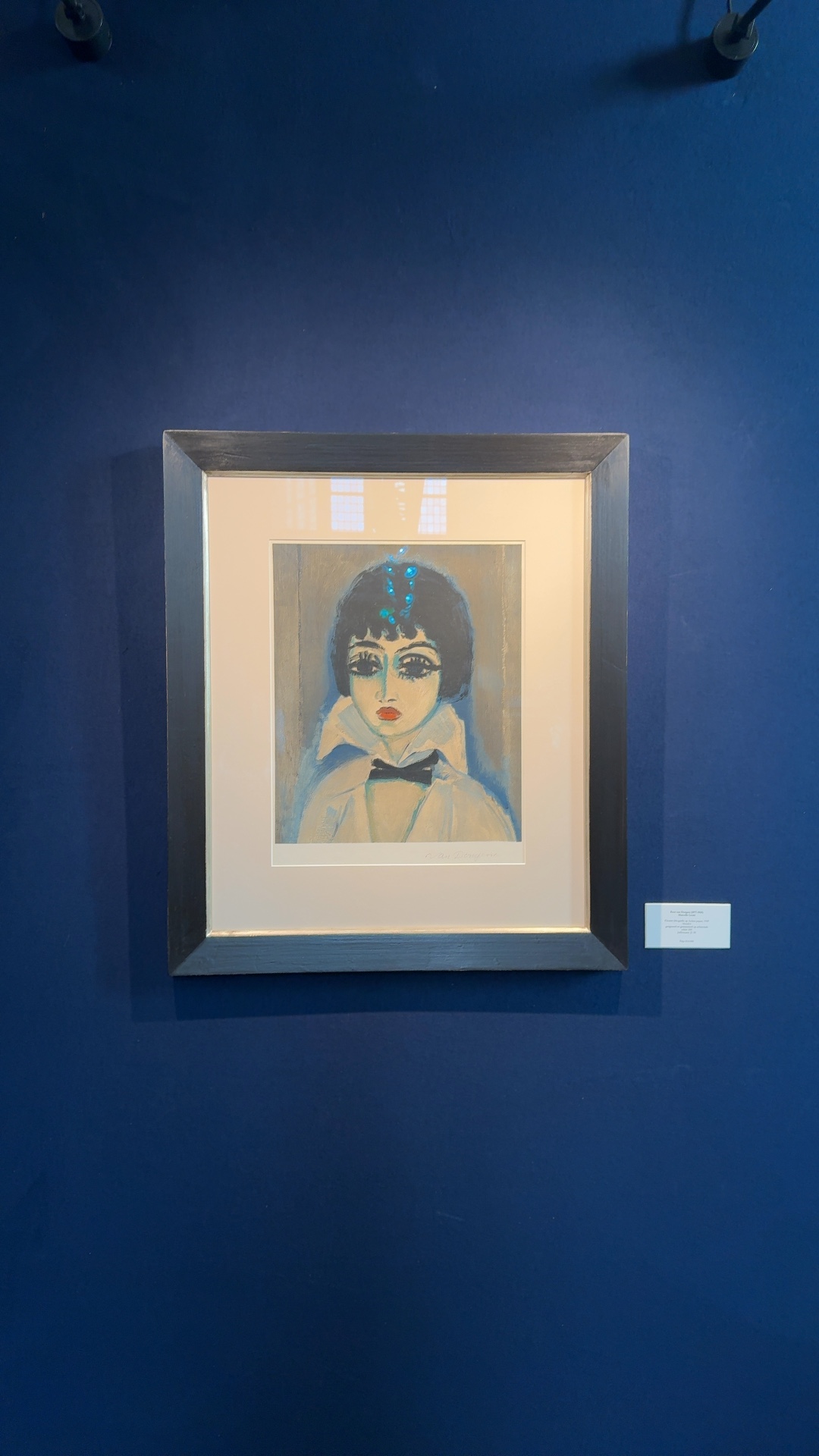
"Marcelle Léoni" Color Lithograph by Kees van Dongen
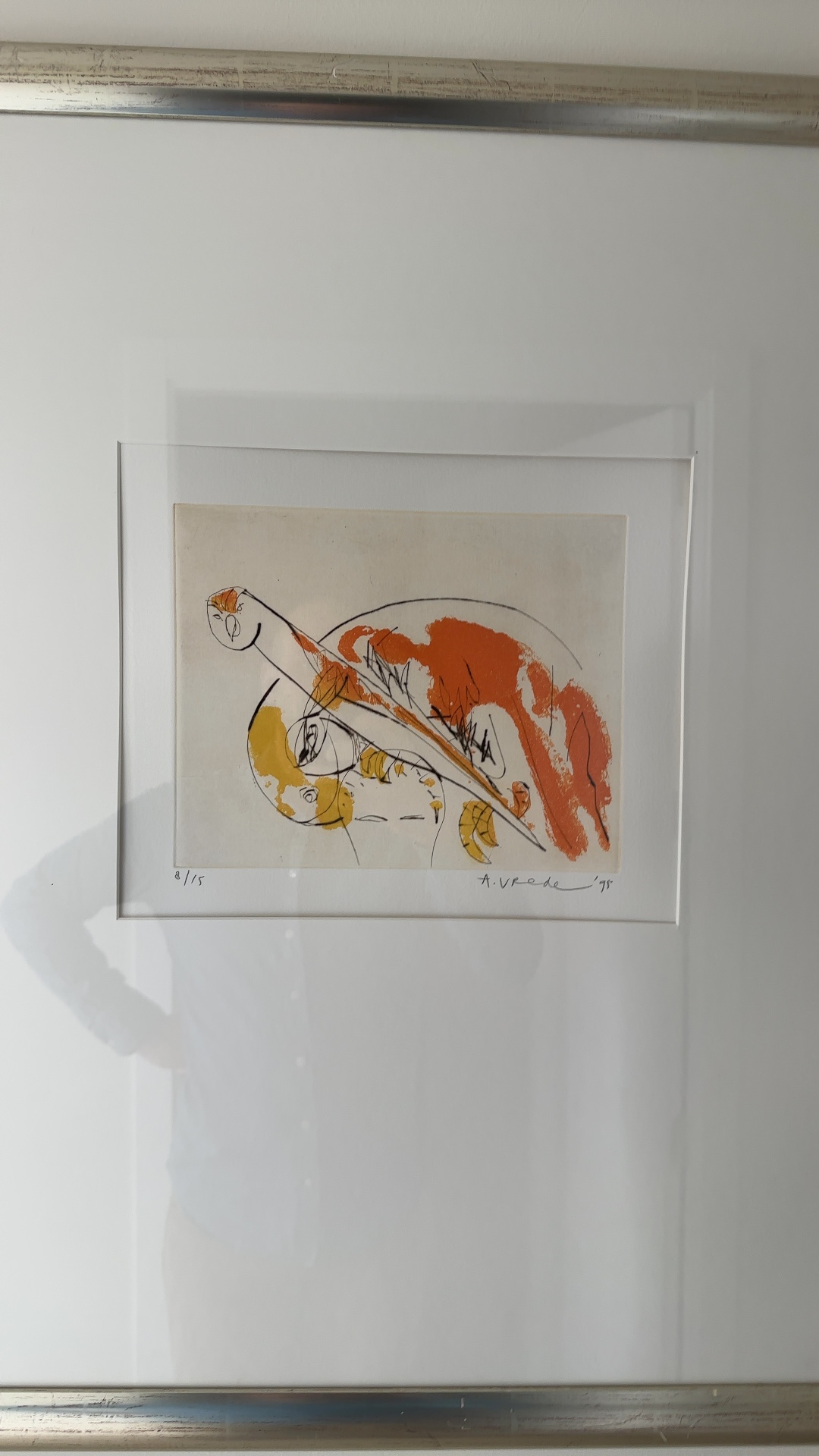
Abstract Chromatic Lithograph by A. Vrede
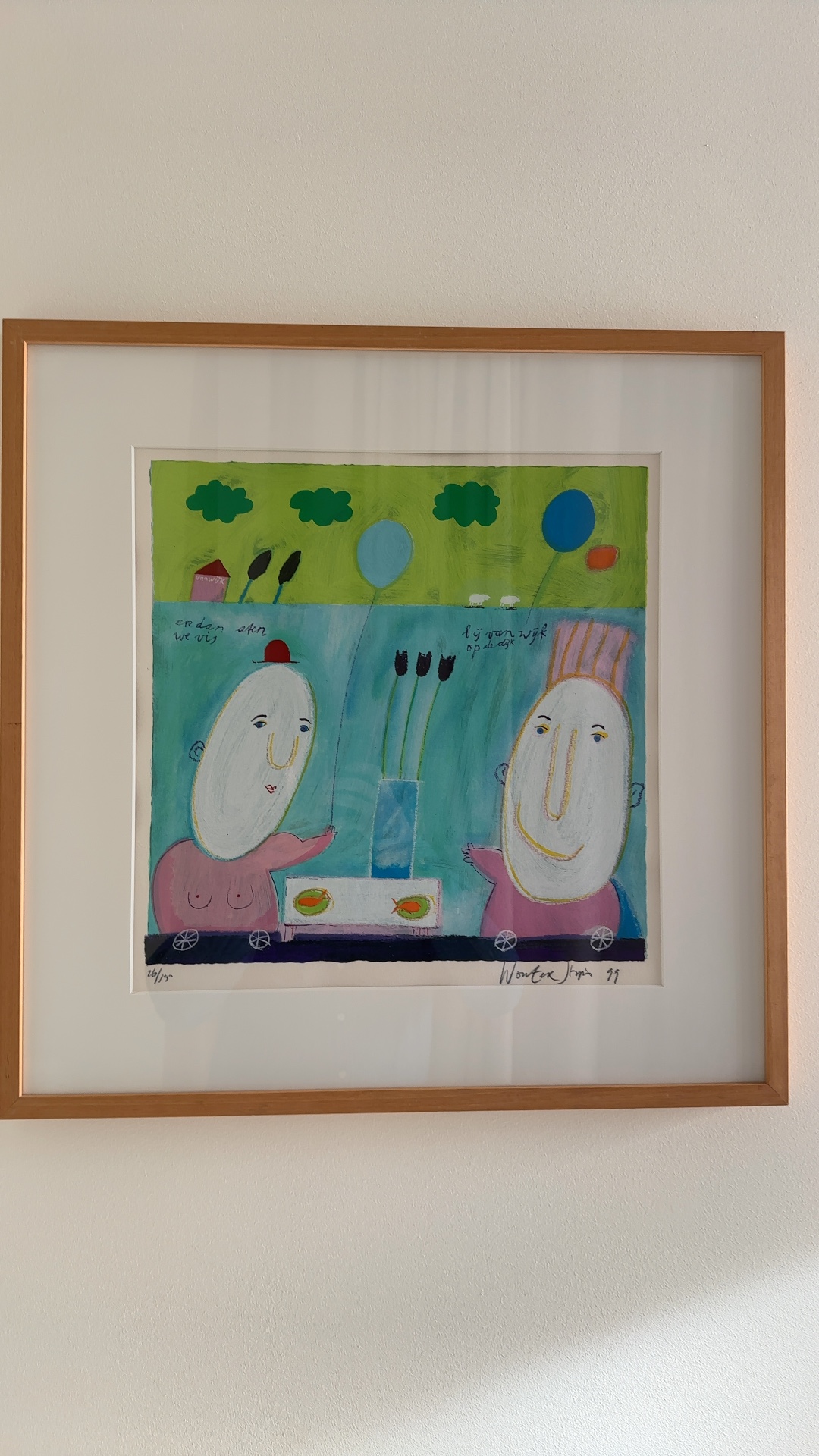
Wouter Tulp, 'Erden aan wie wij zijn' (We are what we are), Print, 1999
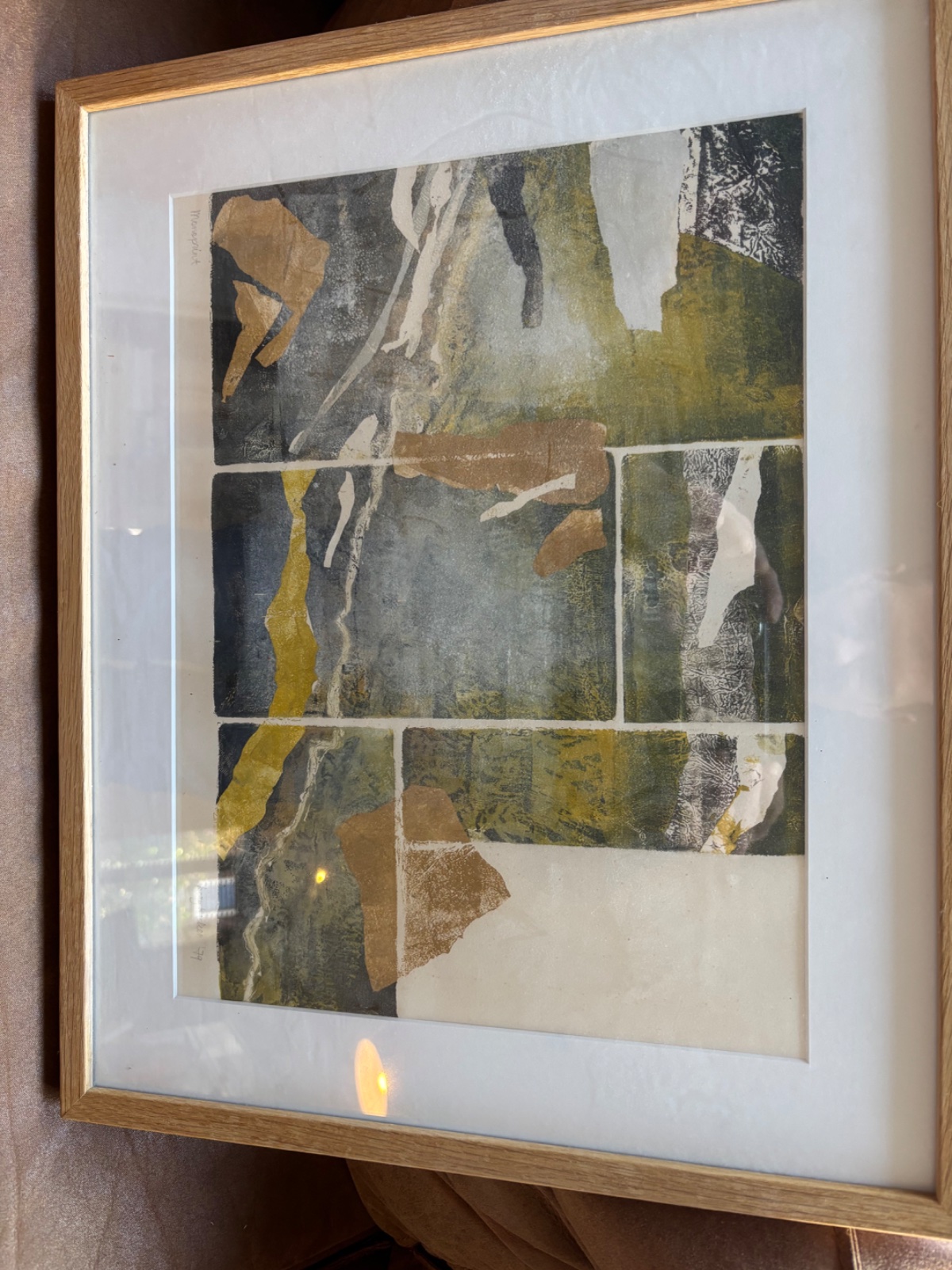
Abstract Mixed Media Print ('Monoprint')
MORE BY KEES VAN DONGEN
View all works by Kees van DongenABOUT PRINTS & POSTERS
Vintage prints, posters, advertising signs, and graphic art.
Prints & Posters value and rarity guideSHARE THIS CURIOSITY
Have your own curiosities to discover?
Scan Your Curiosity
COMMENTS
No comments yet. Be the first to share your thoughts!
Sign in to leave a comment