Vintage Keyhole Saw
QUICK FACTS
Categories
Era
Mid-20th Century
Origin
null
Rarity
Ordinary (3/10)
Discovered
Jan 14, 2026
1 months ago
DESCRIPTION
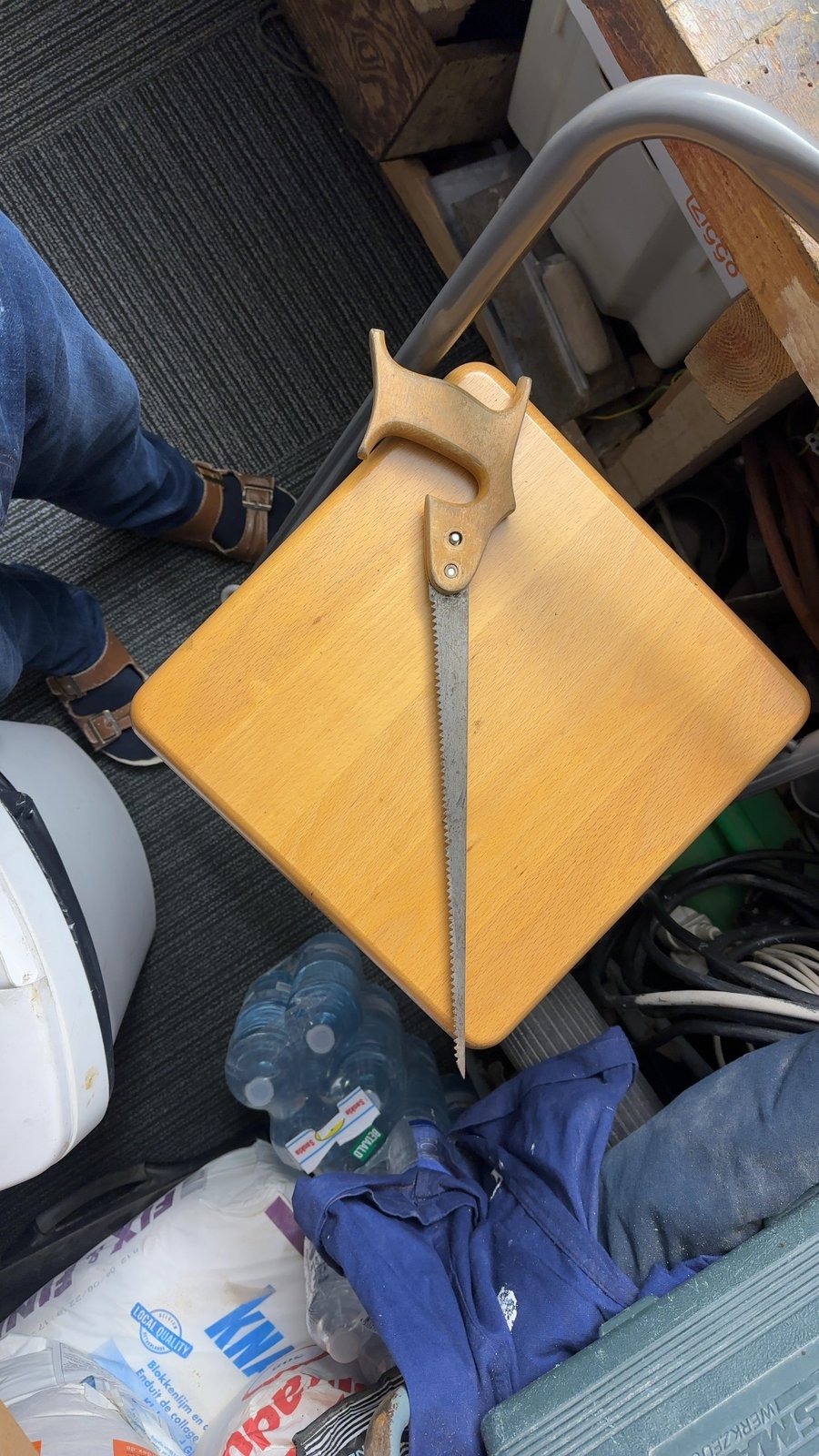
This appears to be a vintage keyhole saw, characterized by its narrow, tapering blade designed for cutting curves or small apertures where a larger saw cannot reach. The handle is made of wood, likely beech or a similar hardwood, shaped for a firm grip. The blade is steel, presenting significant surface corrosion and wear, indicative of age and use. Its design suggests a period when hand tools were prevalent for detailed woodworking tasks.
CULTURAL ECHOES
Where This Object Echoes
Similar designs for hand saws have been consistently used across these cultures for centuries, reflecting universal principles of cutting and ergonomics.
Ritual & Ceremonial Use
- •The craft of detailed joinery and intricate carpentry, where this tool would execute final cuts and shaping.
- •The practice of 'making do' or repair, where specific hand tools were indispensable for household and workshop tasks.
Meaning Through Time
A fundamental, everyday tool for skilled craftsmen and DIYers alike, symbolizing self-sufficiency and manual skill.
Increasingly viewed as a specialized tool for traditional crafts or as a collectible, as power tools became more accessible and common.
HISTORICAL STORY
DID YOU KNOW?
Before electric jigsaws, keyhole saws were the primary tool for cutting curved lines and internal holes in wood, often used by cabinetmakers and boat builders.
The 'keyhole' in its name comes from its common use for cutting keyholes in wooden doors, though its utility extended to all sorts of interior cutouts.
MATERIAL & CONDITION
Surface
The wooden handle exhibits a well-worn, patinated surface with typical signs of handling, including darkening and some minor scuffs, but no major cracks. The steel blade shows pervasive surface rust and pitting, indicating exposure to moisture and lack of consistent maintenance, with some teeth appearing dulled or missing.
Weight & Feel
This tool would feel lightweight and maneuverable in hand, typical of a tool designed for precision work rather than heavy-duty cutting. The wooden handle would provide a comfortable, ergonomic grip.
Condition
The overall condition is fair for its age, though the blade has significant surface rust and appears to have some damaged teeth, which would impact its cutting efficiency. The wooden handle, while showing wear, seems structurally sound. The fastening mechanism for the blade to the handle appears intact.
RARITY ANALYSIS
Standard antiques commonly found at estate sales and flea markets. Plentiful supply meets modest demand.
Typical Characteristics
- Moderate production runs
- Common at estate sales
- Entry-level collectibles
EXPERT ANALYSIS
Vintage Technology Restorer & Historian
The visible design, materials, and wear patterns strongly align with typical vintage keyhole saws, providing good confidence in its identification, despite the absence of manufacturer details.
KEY EVIDENCE
- 1Wooden 'pistol grip' style handle, common for hand saws of this type.
- 2Narrow, tapering steel blade, characteristic of a keyhole or compass saw.
- 3Blade fastened with two rivets or screws, a typical construction method.
- 4Significant surface rust and wear on the blade indicate age and use.
- 5Lack of obvious brand markings, suggesting a mass-produced or generic tool from its era.
UNCERTAINTIES
- •Lack of visible maker's marks or identifying stamps makes precise attribution impossible.
WHAT WOULD IMPROVE CERTAINTY
- →Examine the blade and handle more closely for any faint maker's marks, patent numbers, or user-applied etchings.
- →Consider gentle cleaning of the blade to reveal any obscured details or assess the extent of pitting corrosion.
ESTIMATED VALUE
Updated: Feb 26, 2026
- Market comparables from auctions & retail
- Condition, completeness & craftsmanship
- Current collector demand & trends
- Low = quick sale, high = patient seller
For informational purposes only, not a formal appraisal.


ABOUT MECHANICAL & INDUSTRIAL
Vintage machines, industrial objects, tools, and mechanical curiosities.
Browse all Mechanical & IndustrialSHARE THIS CURIOSITY
Have your own curiosities to discover?
Scan Your Curiosity
COMMENTS
No comments yet. Be the first to share your thoughts!
Sign in to leave a comment