Italian 750 Gold Omega-Style Chain Necklace
QUICK FACTS
Categories
Era
Late 20th Century (1970s-1990s)
Origin
🇮🇹 Italy
Rarity
Average (4/10)
Discovered
Jan 24, 2026
1 months ago
DESCRIPTION
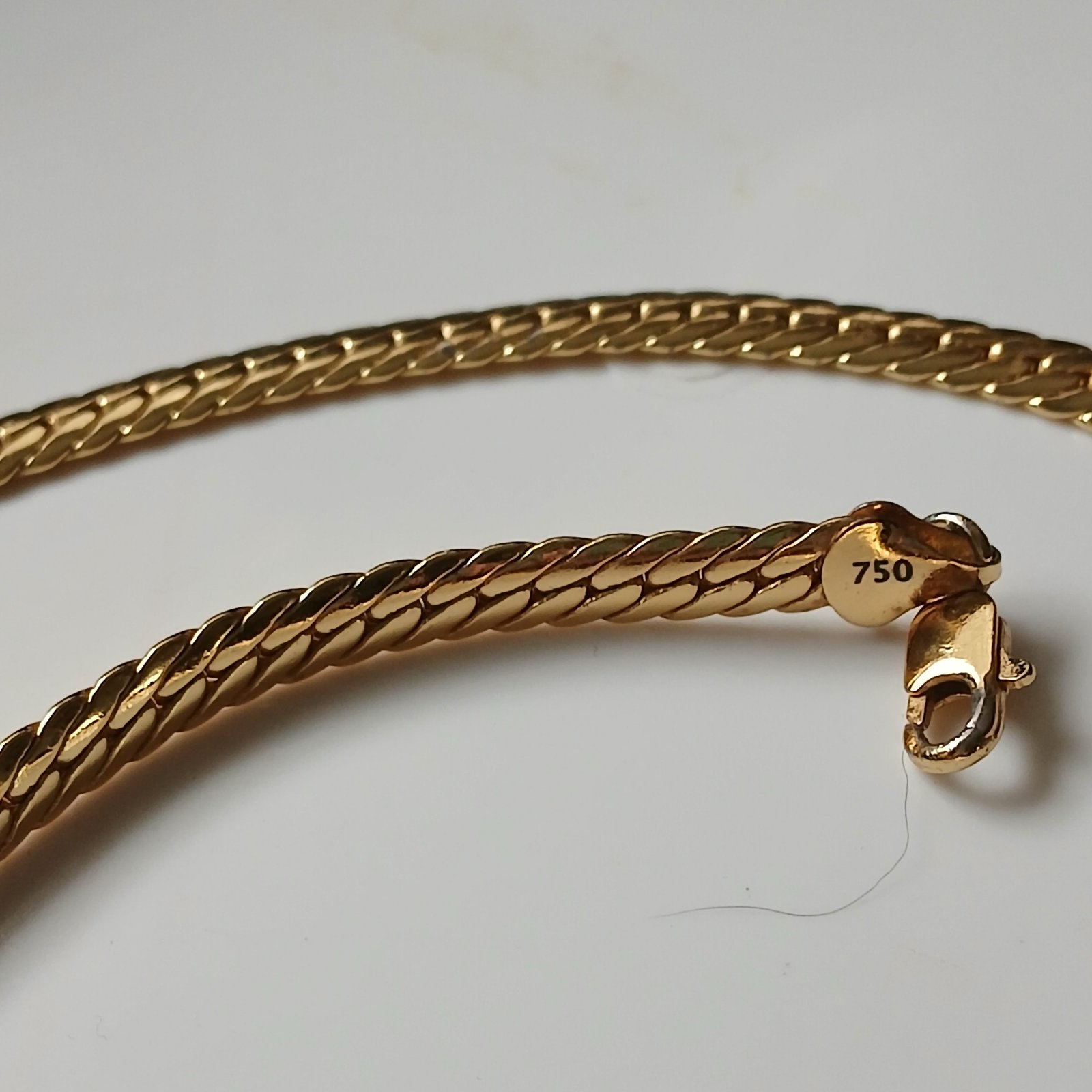
This appears to be a flexible, gold omega-style chain necklace, characterized by its flat, smooth, and often reflective surface. The links are tightly woven, creating a continuous, snakeskin-like texture. Omega chains typically offer a sleek, modern aesthetic and are often worn as stand-alone pieces or with a pendant. The clasp is a lobster claw type, which is a common and secure mechanism.
CULTURAL ECHOES
Where This Object Echoes
While design is modern, Italy's tradition of exquisite gold craftsmanship dates back centuries, influencing its reputation for fine jewelry.
The clean lines and sculptural form of the omega chain align with modernist aesthetic principles emphasizing form and material over ornate embellishment.
Ritual & Ceremonial Use
- •Personal adornment for everyday wear or special occasions
- •Gift-giving for milestones or celebrations, embodying lasting value
Meaning Through Time
Gold represented divinity, eternal life, and immense wealth, often reserved for royalty or religious artifacts.
Gold was a widespread material for personal jewelry, reflecting social status and sentimentality through intricate designs.
Gold jewelry, particularly in bolder, simpler forms like the omega chain, became a symbol of contemporary elegance and accessible luxury.
HISTORICAL STORY
DID YOU KNOW?
The name 'omega chain' comes from its resemblance to the capital Greek letter Omega (Ω), due to its curved, flat profile when worn.
Despite their smooth appearance, omega chains are constructed from many tiny, interconnected links over a core, making them surprisingly flexible yet prone to kinking if not stored properly.
MATERIAL & CONDITION
Surface
The surface of the chain exhibits a high polish, reflecting light evenly. The tightly interlocked links create a sense of fluidity and a continuous, almost seamless appearance. The gold color appears rich and consistent throughout.
Weight & Feel
Given the '750' assay and the solid appearance of the omega chain, this piece likely has a substantial, yet flexible, weight that drapes well.
Condition
The chain appears to be in good condition with a bright, reflective surface. No obvious kinks or severe damage are visible, which is crucial for omega chains. A solitary hair tangled near the clasp is a minor cosmetic issue, easily removed.
RARITY ANALYSIS
Typical antique shop fare. Requires some searching but regularly available. This is where most genuine antiques fall.
Typical Characteristics
- Standard antique shop items
- Regularly available
- Moderate collector interest
EXPERT ANALYSIS
Jewelry Historian & Gemologist-Informed Appraiser
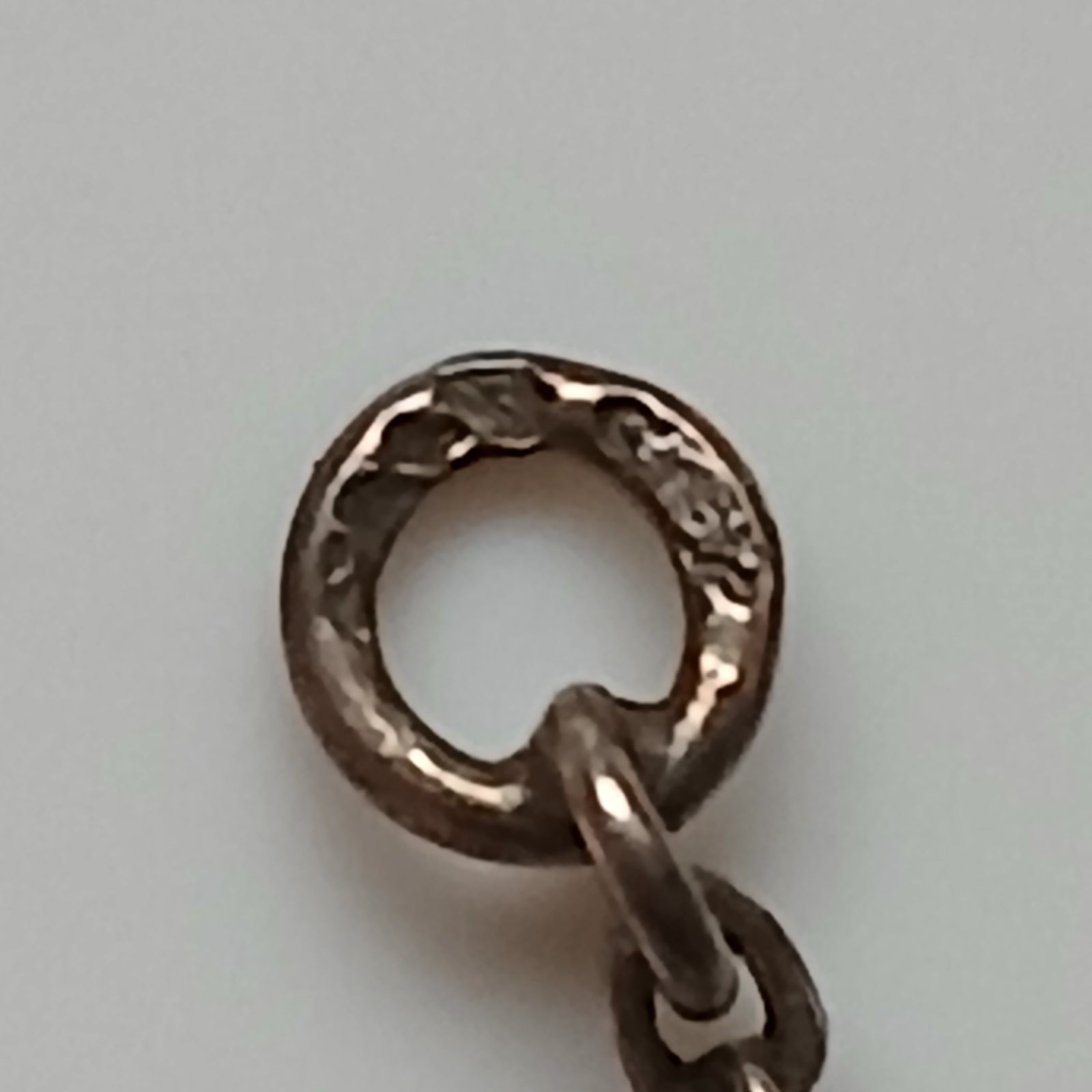
Confidence is high due to the clear '750' and 'Italy' hallmarks, which are strong indicators for gold purity and origin, combined with the characteristic appearance of an omega chain. However, definitive metal assay requires professional testing.
KEY EVIDENCE
- 1The '750' hallmark clearly indicates 18-karat gold purity.
- 2The 'Italy' stamp, commonly found on high-quality gold chains produced in Italy during its peak manufacturing period.
- 3The overall construction points to an omega-style chain, known for its flat, supple profile.
- 4The lobster claw clasp is a standard and secure finding for such necklaces.
UNCERTAINTIES
- •The primary risk lies in the possibility of a cleverly applied fake hallmark on a gold-plated or gold-filled item.
- •Exact weight of the chain is unknown, which is a critical factor for true intrinsic value.
WHAT WOULD IMPROVE CERTAINTY
- →A close-up photograph of the entire 'Italy' stamp for clearer legibility and any potential maker's marks.
- →A precise weight measurement of the chain in grams.
- →An X-Ray Fluorescence (XRF) test to confirm actual metal composition and purity.
- →A visual inspection with magnification to check for any hidden repairs or damage to the links.
ESTIMATED VALUE
Updated: Feb 27, 2026
- Market comparables from auctions & retail
- Condition, completeness & craftsmanship
- Current collector demand & trends
- Low = quick sale, high = patient seller
For informational purposes only, not a formal appraisal.
ABOUT JEWELRY
Fine jewelry, costume pieces, rings, necklaces, bracelets, and brooches.
Browse all JewelrySHARE THIS CURIOSITY
Have your own curiosities to discover?
Scan Your Curiosity
COMMENTS
No comments yet. Be the first to share your thoughts!
Sign in to leave a comment