Mid-20th Century Gold Ring with Coral Cabochons
Authenticity
MID-20TH CENTURY GOLD RING WITH CORAL CABOCHONS: IDENTIFICATION
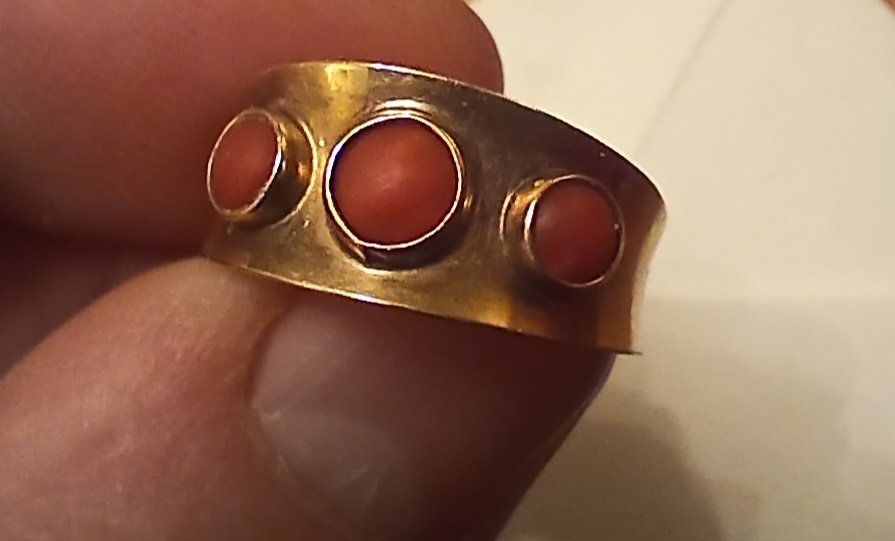
This appears to be a gold band-style ring featuring three bezel-set coral cabochons. The design is broad and relatively simple, suggesting a mid-20th century aesthetic, possibly leaning towards the 1940s-1960s. The coral has an attractive, uniform reddish-orange hue, characteristic of Mediterranean coral or similar varieties. The bezels are well-formed, holding the cabochons securely. The interior of the band shows some hallmarks, which are crucial for determining metal purity and origin.
Compare with other jewelry in the archive: 14-Karat Gold Pendant Bail with Geometric Maker's Mark, 14K White Gold Cluster Pendant, 18K Two-Tone Gold Double Halo Pendant by RI.
SCARCITY
Typical antique shop fare. Requires some searching but regularly available. This is where most genuine antiques fall.
Rarity 4/10. Curiosa currently catalogues 17 jewelry items at rarity 4 or higher.
Typical Characteristics
- Standard antique shop items
- Regularly available
- Moderate collector interest
Confidence Factors
- Hallmarks are somewhat obscured, preventing clear identification of metal fineness and maker.
- While the coral appears natural, distinguishing between natural, dyed, or composite coral requires closer examination.
- The relatively simple design allows for easier reproduction, though the age of the piece suggests originality.
GEMOLOGIST'S ASSESSMENT
Jewelry Historian & Gemologist-Informed Appraiser
Confidence is high for the general type and era based on the visible design elements and the presence of hallmarks. However, exact material authenticity (gold karat, coral type) and definitive origin are somewhat limited by image resolution.
KEY EVIDENCE
- 1Three bezel-set cabochon coral stones suggest a mid-century design aesthetic.
- 2The broad band and uniform gold tone are consistent with solid gold construction.
- 3Visible, albeit faint, hallmarks on the interior band surface confirm the presence of official markings, including a fineness mark (likely for gold) and a maker's mark or assay office mark which appears to be Italian based on its rectangular shape and typical content.
- 4The slight wear and patina indicate genuine age, aligning with a vintage piece.
UNCERTAINTIES
- •Specific metal purity cannot be confirmed without a clearer view or testing of the hallmark (e.g., 14K or 18K).
- •The exact identification of the coral's origin (e.g., Mediterranean, deep-sea) or if it's natural and untreated, requires closer gemological examination.
- •The maker's mark is too indistinct to attribute to a specific artisan or brand.
WHAT WOULD IMPROVE CERTAINTY
- →Obtain high-resolution macrophotographs of the hallmarks on the interior of the band to discern fineness and maker's marks.
- →Consult a certified gemologist to confirm the identity and natural origin of the coral via magnification, refractive index, and other suitable tests.
- →Perform an acid test by a professional jeweler or appraiser to verify the gold purity without damaging the piece.
- →Measure the ring's weight in grams to estimate gold content, which impacts value.
CONDITION & GRADE
Condition
The ring appears to be in good overall condition with some minor surface wear and scratching to the gold, commensurate with age and use. The coral cabochons appear intact and well-seated, without apparent chips or cracks. The hallmarks are somewhat worn but still discernible, which points to a certain amount of handling over time.
GEMSTONE & METAL VALUE
Updated: Feb 27, 2026
- Market comparables from auctions & retail
- Condition, completeness & craftsmanship
- Current collector demand & trends
- Low = quick sale, high = patient seller
For informational purposes only, not a formal appraisal.
SIMILAR CURIOSITIES
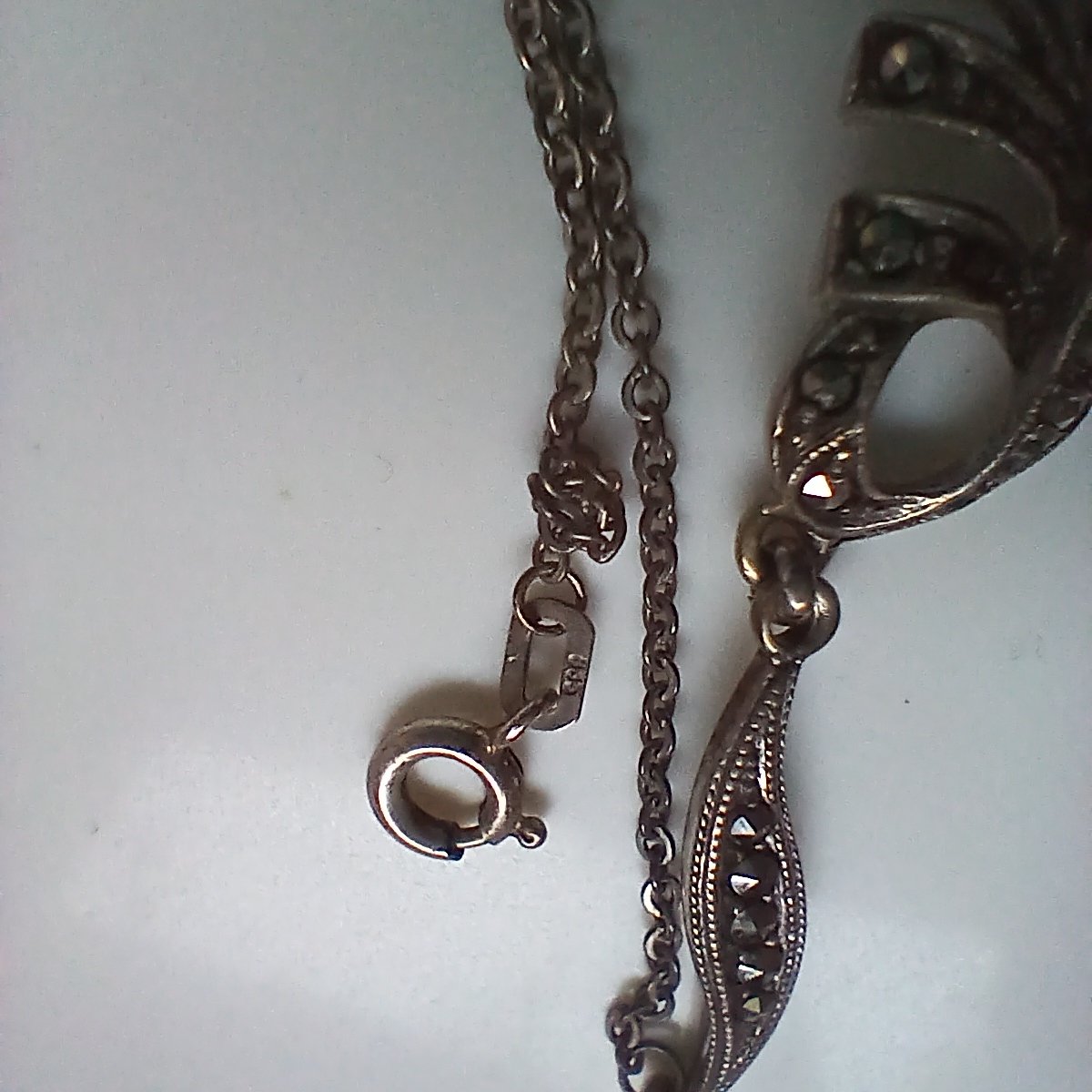
Art Deco Style Marcasite Sterling Silver Necklace
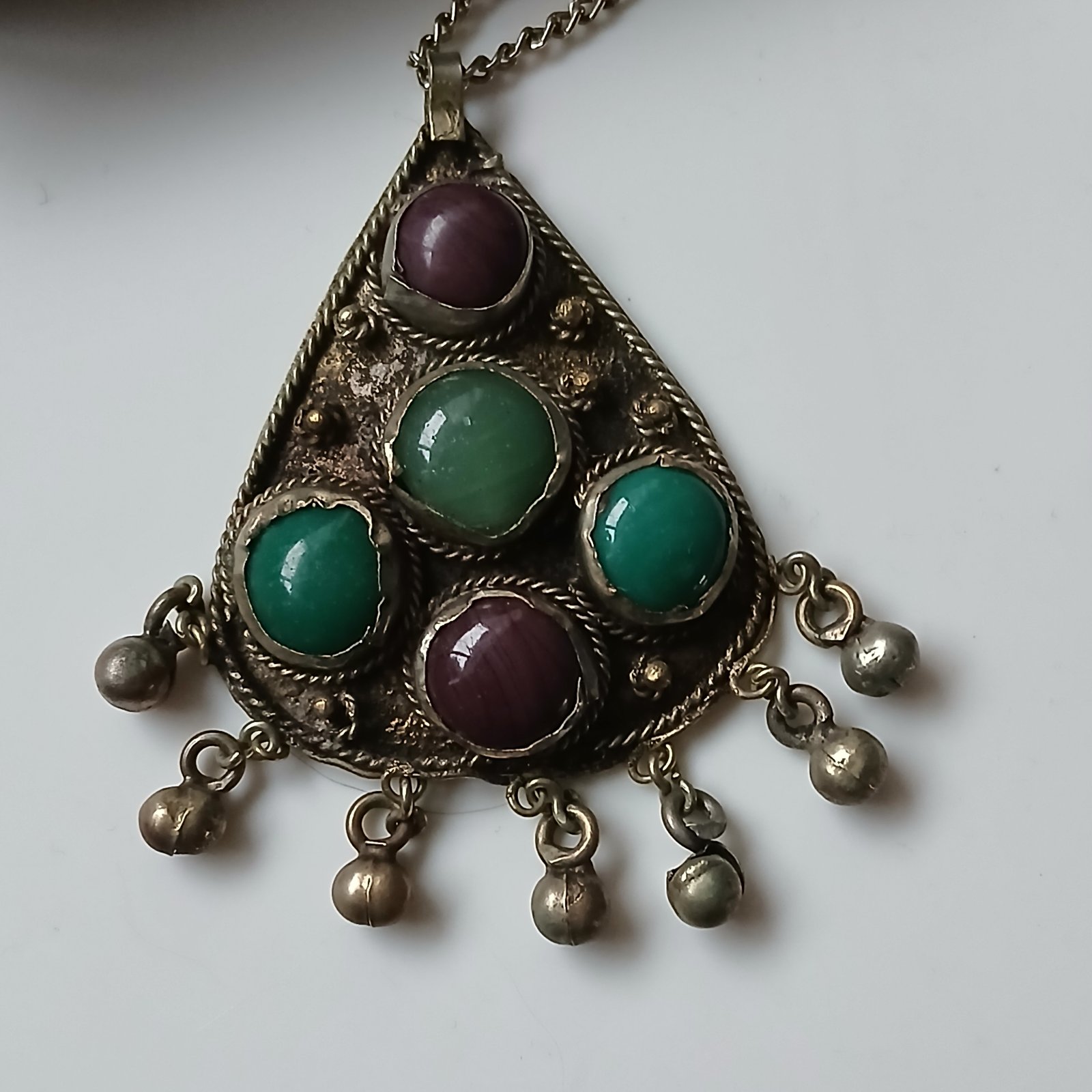
Tribal-Inspired Metal Pendant Necklace with Cabochon 'Stones'
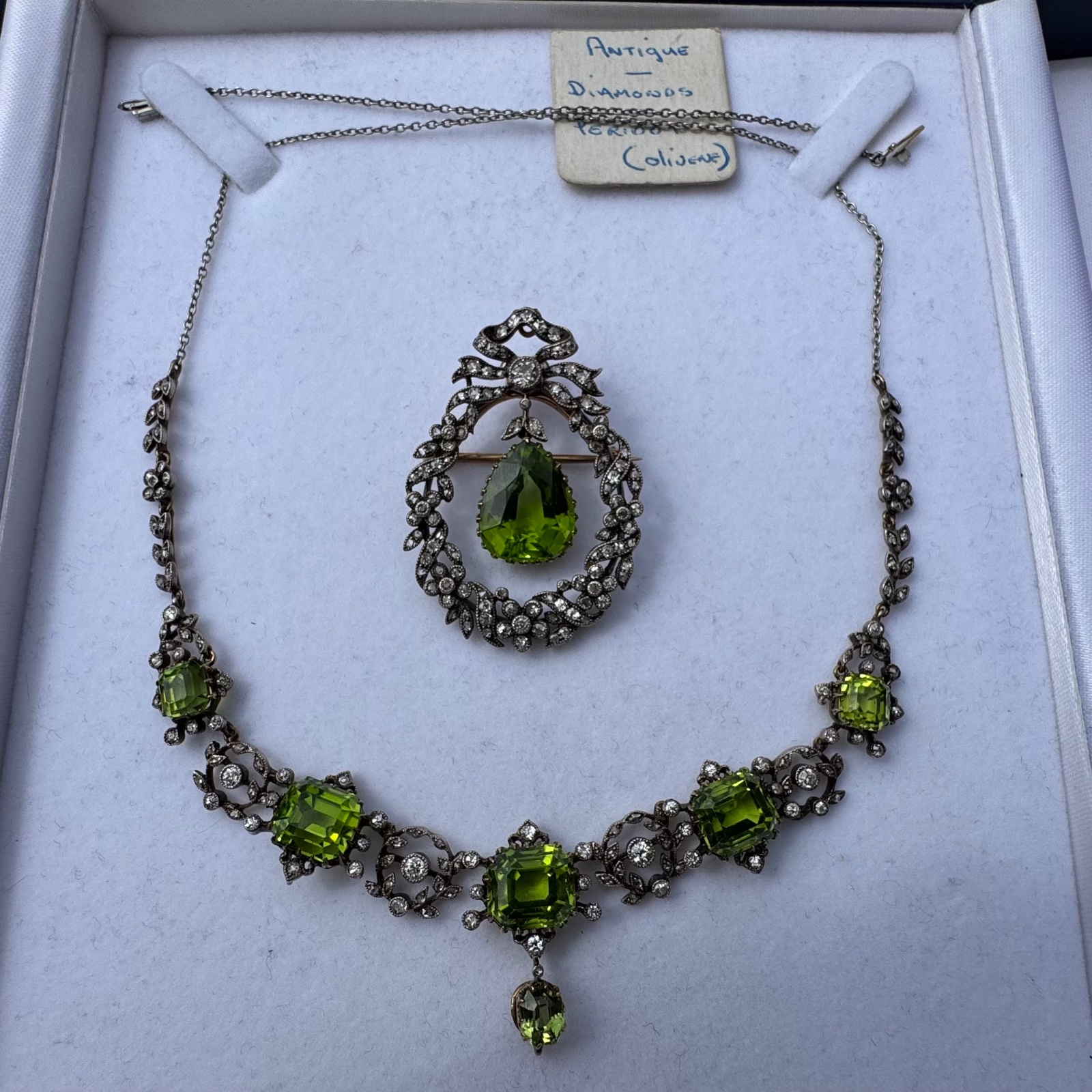
Late Victorian Peridot and Diamond Necklace and Brooch Suite c.1890
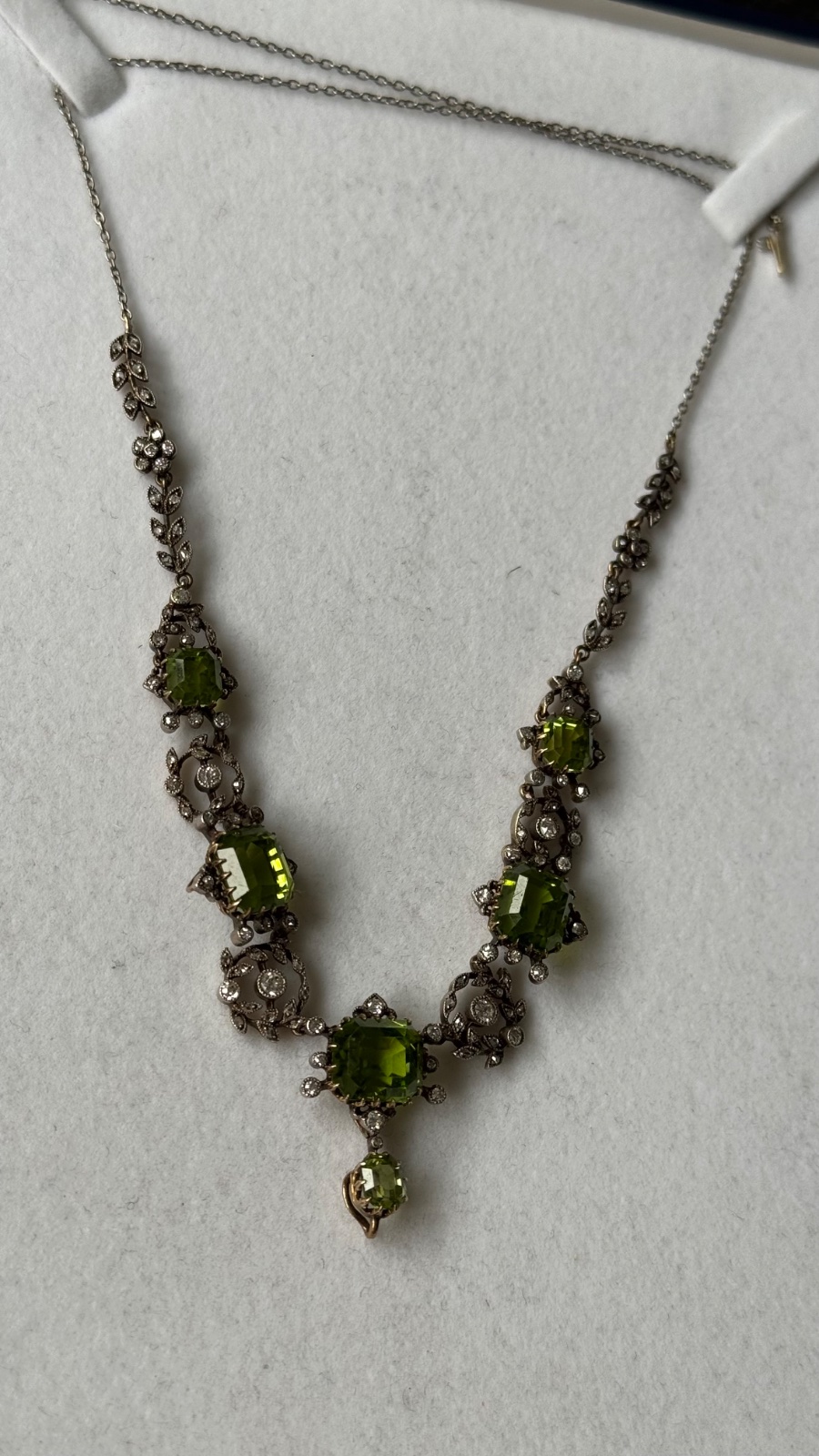
Edwardian Style Peridot and Diamond Festoon Necklace
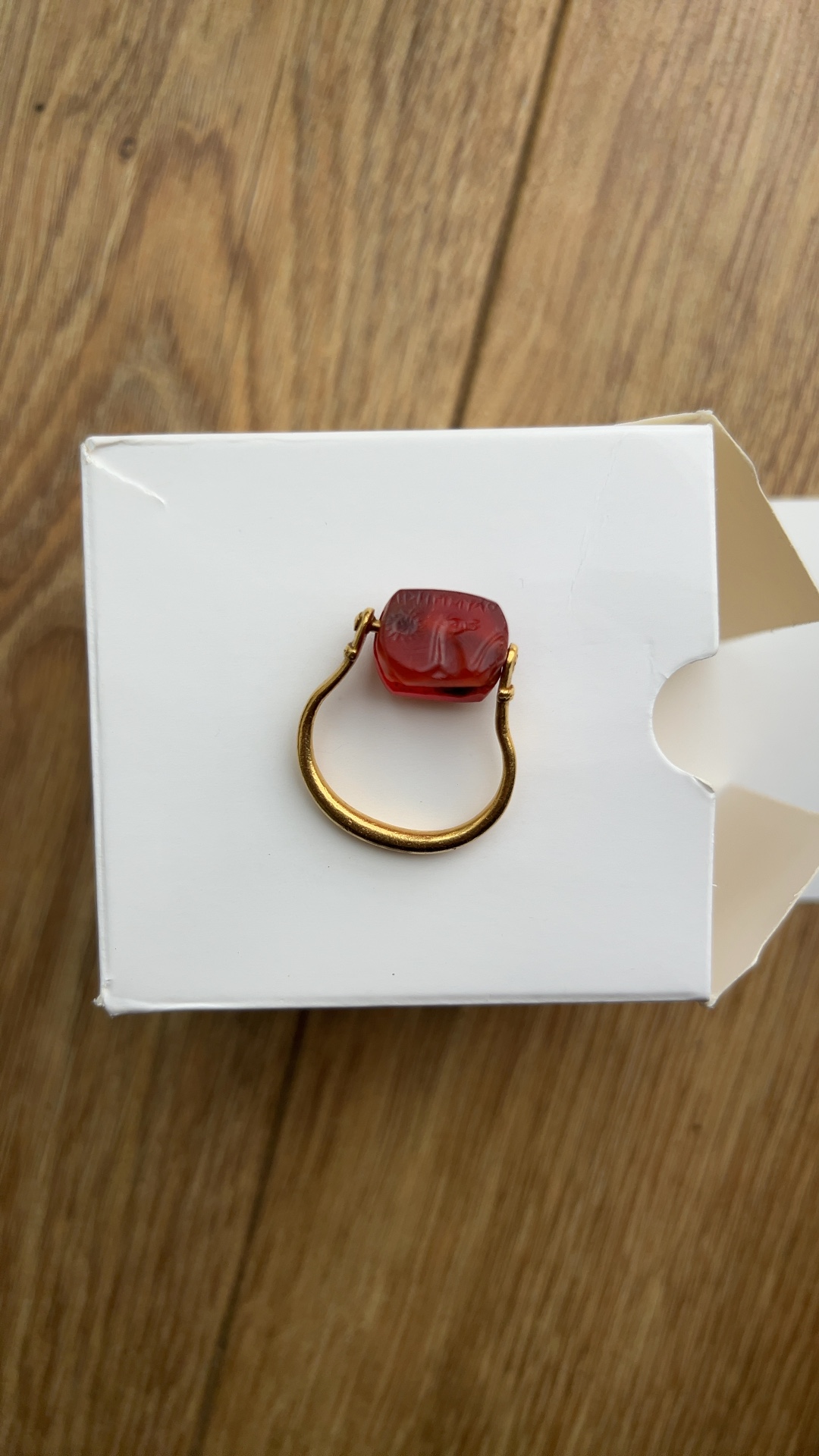
Sasanian Style Carnelian Swivel Intaglio Ring
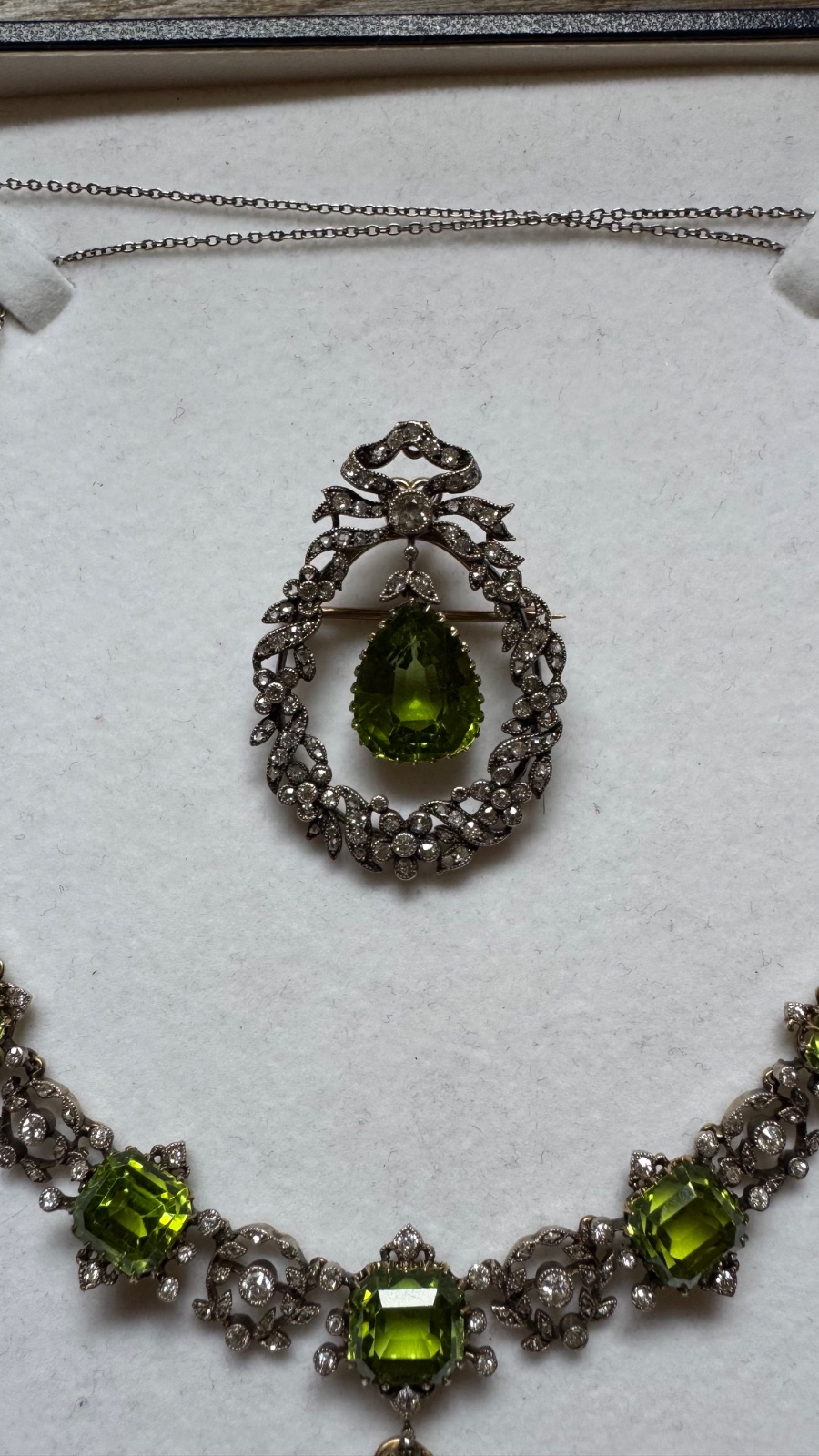
Edwardian Peridot & Diamond Garland Brooch/Pendant c.1905
ABOUT JEWELRY
Fine jewelry, costume pieces, rings, necklaces, bracelets, and brooches.
Jewelry value and rarity guideSHARE THIS CURIOSITY
Have your own curiosities to discover?
Scan Your Curiosity
COMMENTS
No comments yet. Be the first to share your thoughts!
Sign in to leave a comment