Tribal-Inspired Metal Pendant Necklace with Cabochon 'Stones'
Estimated value
$40 - $120Rarity
Average(4/10)Category
JewelryEra
Mid-20th Century to Contemporary (1950s-Present)Origin
🌍 InternationalAuthenticity
TRIBAL-INSPIRED METAL PENDANT NECKLACE WITH CABOCHON 'STONES': IDENTIFICATION
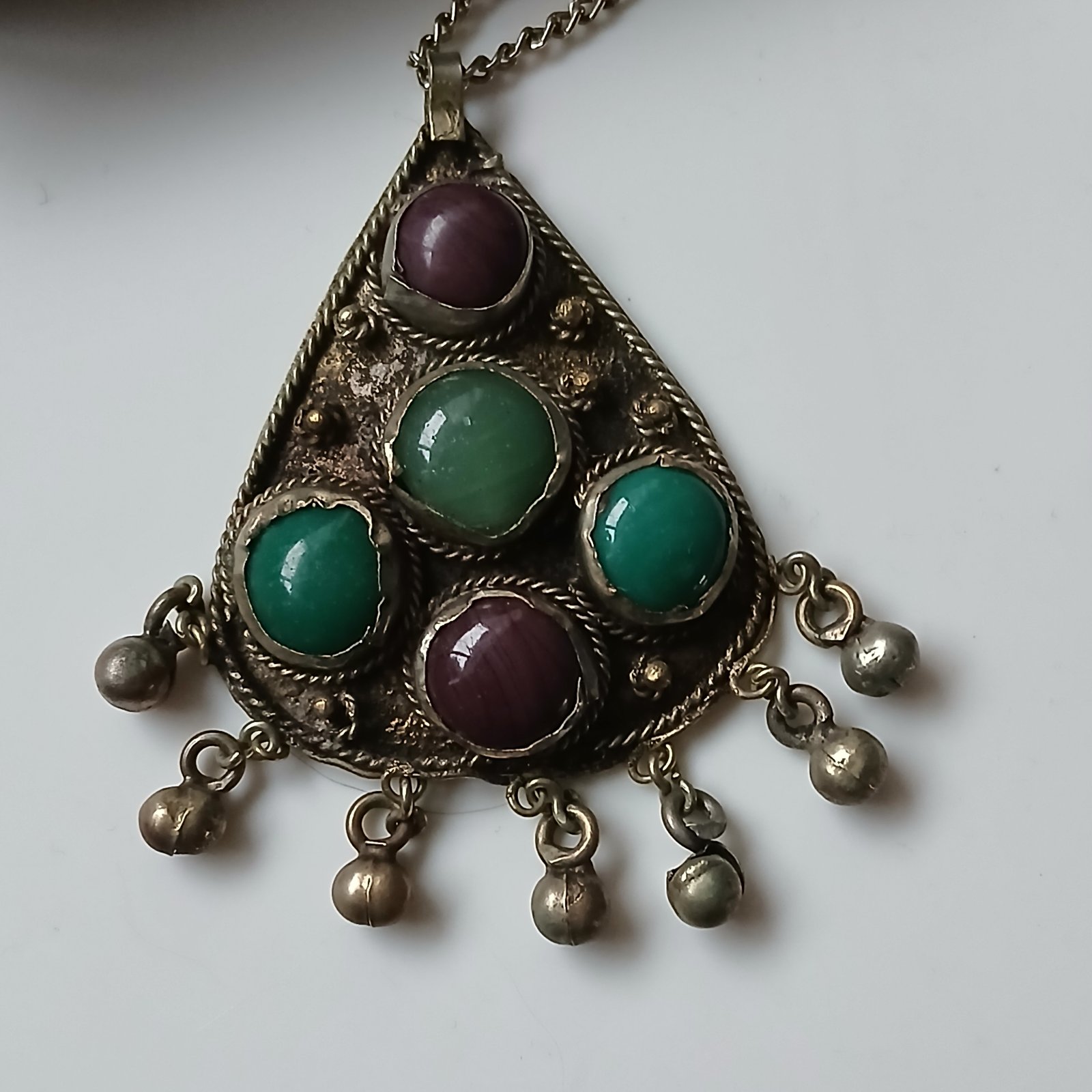
This appears to be a necklace featuring a large, triangular-shaped pendant crafted from an aged base metal, possibly brass or a similar alloy, given its oxidized appearance. The front of the pendant is adorned with five cabochon-cut 'stones' in alternating green and purple hues, securely bezel-set within twisted wire frames. Small hanging bell-like charms are suspended from the lower edge of the pendant, creating a decorative, perhaps even acoustic, element. The reverse shows a solid, unadorned backplate with a distinct patina. The pendant is suspended from a simple curb chain, secured by a spring-ring clasp.
Compare with other jewelry in the archive: Edwardian Peridot & Diamond Garland Brooch/Pendant c.1905, Victorian / Edwardian Era Floral Lapel Pin with Chain and Pendant, Art Deco Style Marcasite Sterling Silver Necklace.
SCARCITY
Typical antique shop fare. Requires some searching but regularly available. This is where most genuine antiques fall.
Rarity 4/10. Curiosa currently catalogues 16 jewelry items at rarity 4 or higher.
Typical Characteristics
- Standard antique shop items
- Regularly available
- Moderate collector interest
Confidence Factors
- Lack of visible hallmarks or maker's marks, common for this style of jewelry.
- Difficulty in definitively identifying the 'stones' from images alone (could be natural, dyed, or synthetic material).
- Broad production range of similar tribal or ethnic-inspired jewelry, making precise attribution challenging.
GEMOLOGIST'S ASSESSMENT
Jewelry Historian & Gemologist-Informed Appraiser
Confidence is good as the visual characteristics strongly suggest a tribal-inspired, possibly vintage, base metal necklace. The uncertainty lies primarily in the exact material identification of the cabochons and metal, which cannot be definitively assessed without physical examination.
KEY EVIDENCE
- 1Pendant's triangular form with dangling elements typical of tribal-inspired jewelry.
- 2Bezel-set cabochons with twisted wire detailing, common in artisan and folk jewelry.
- 3Dark, even patination on the base metal, indicating age or intentional antiquing.
- 4Absence of discernable maker's marks or purity stamps on the pendant or chain.
- 5Simple curb chain and spring-ring clasp, widely used in various periods.
UNCERTAINTIES
- •The specific identity of the green and purple cabochons cannot be determined from photographs alone; they could be natural stones, dyed chalcedony, glass, or plastic.
- •The metal composition is uncertain; while it appears to be a base metal, without testing, its exact alloy or plating status remains unknown.
WHAT WOULD IMPROVE CERTAINTY
- →A close-up examination of the cabochons under magnification to assess their internal characteristics for identification (e.g., inclusions, growth patterns).
- →Conducting 'scratch' or 'specific gravity' tests on the cabochons to aid in material identification.
- →Testing of the metal for composition (e.g., acid testing for precious metals, or XRF analysis for base metal alloys) if further information is desired beyond visual assessment.
- →Inspection of the chain and clasp for any faint hallmarks that might be obscured by wear or patina.
CONDITION & GRADE
Condition
The necklace appears to be in good, wearable condition with typical signs of age-related wear. The metal surfaces show an attractive, uncleaned patina, which is desirable for such pieces. There are no obvious breaks or missing elements, and the cabochon 'stones' are all present and appear secure. The spring-ring clasp on the chain seems functional.
GEMSTONE & METAL VALUE
Updated: Feb 27, 2026
- Market comparables from auctions & retail
- Condition, completeness & craftsmanship
- Current collector demand & trends
- Low = quick sale, high = patient seller
For informational purposes only, not a formal appraisal.
SIMILAR CURIOSITIES
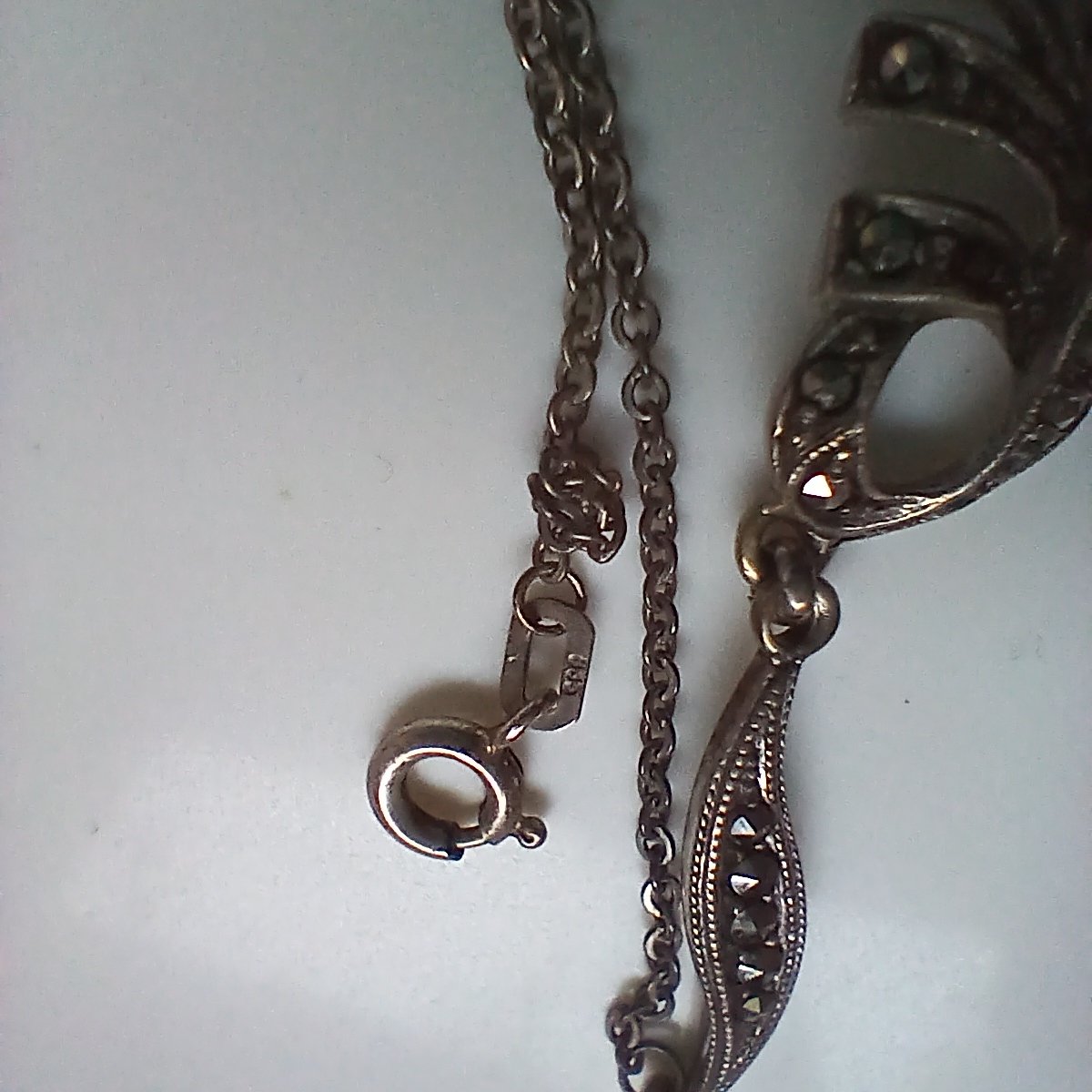
Art Deco Style Marcasite Sterling Silver Necklace
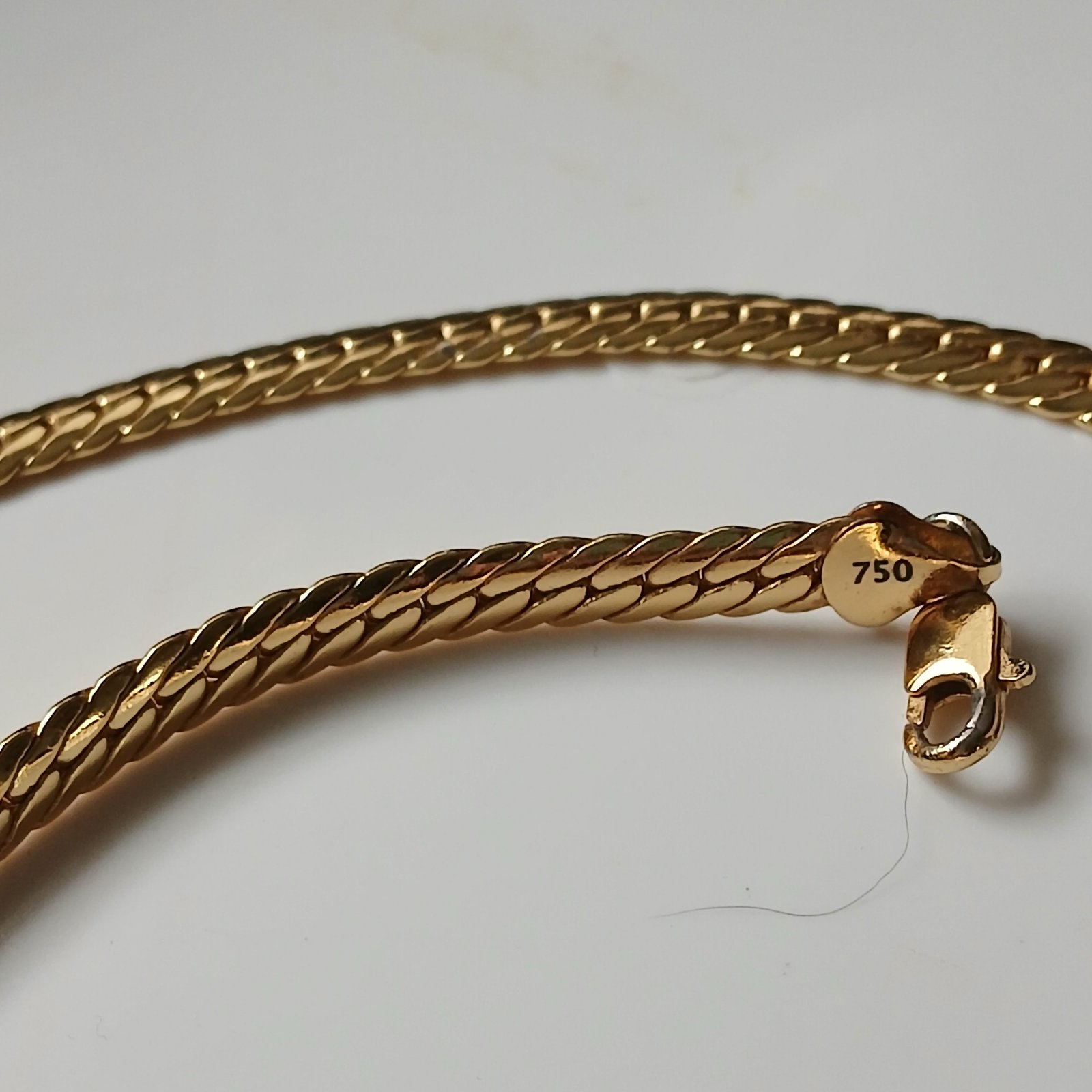
Italian 750 Gold Omega-Style Chain Necklace
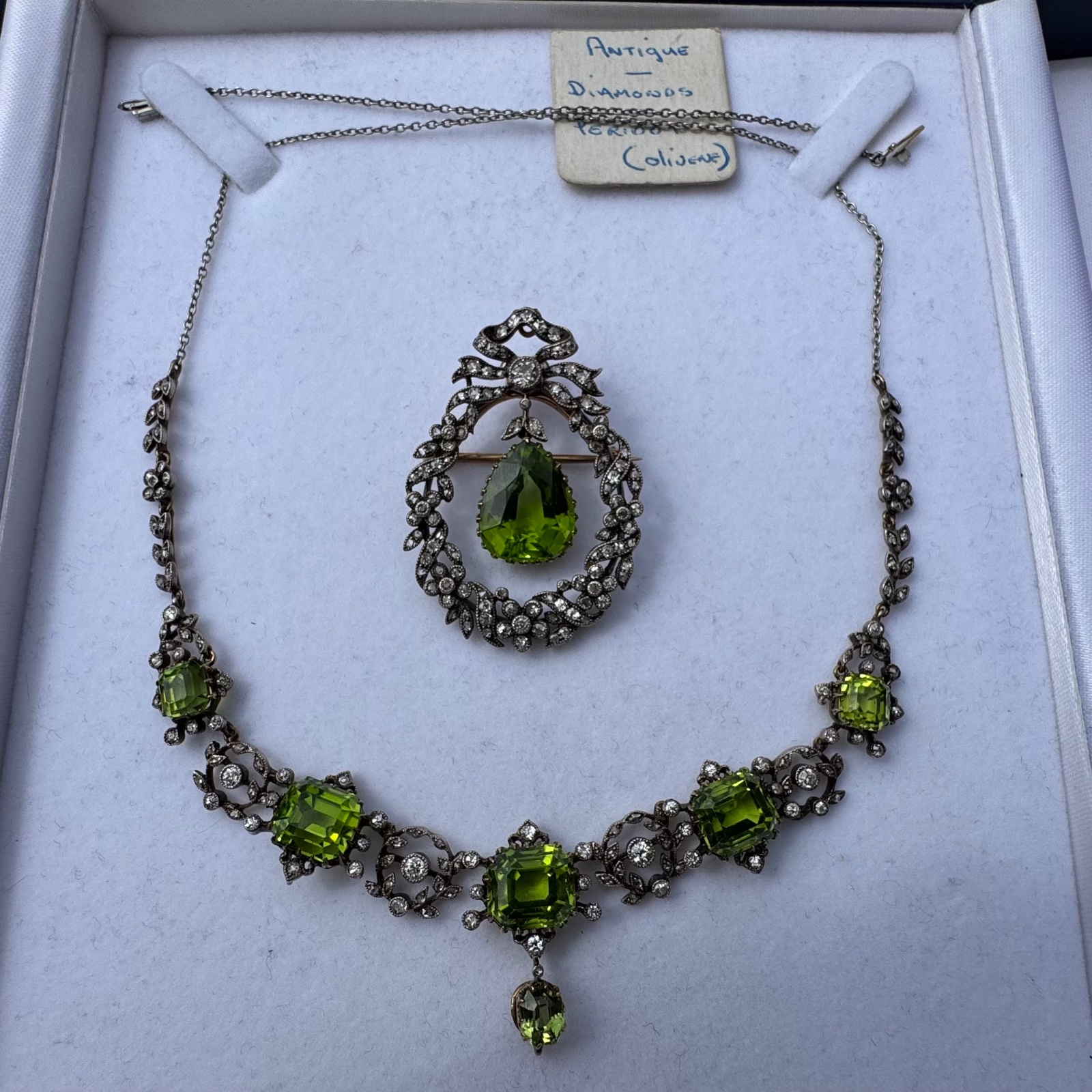
Late Victorian Peridot and Diamond Necklace and Brooch Suite c.1890
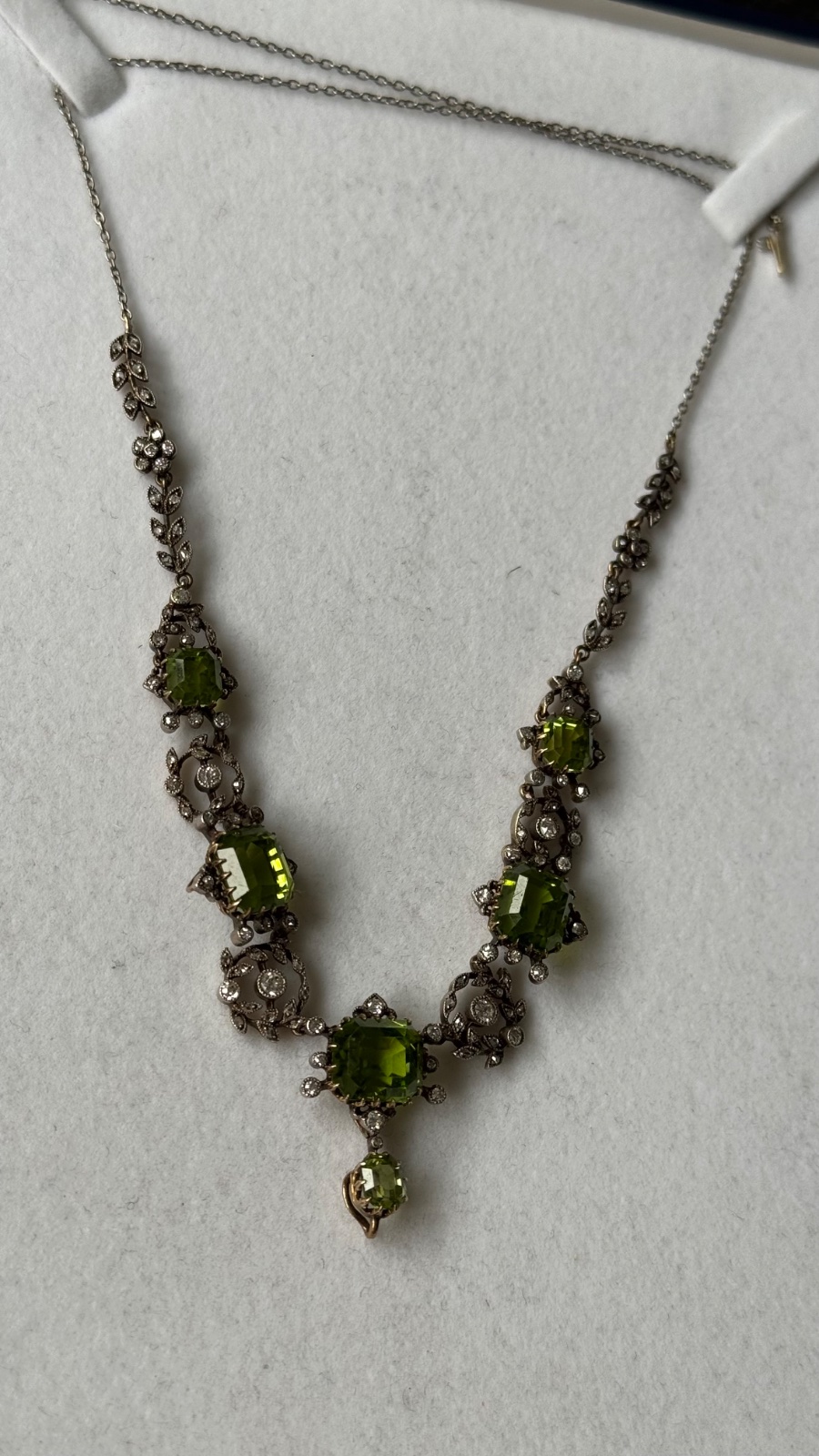
Edwardian Style Peridot and Diamond Festoon Necklace
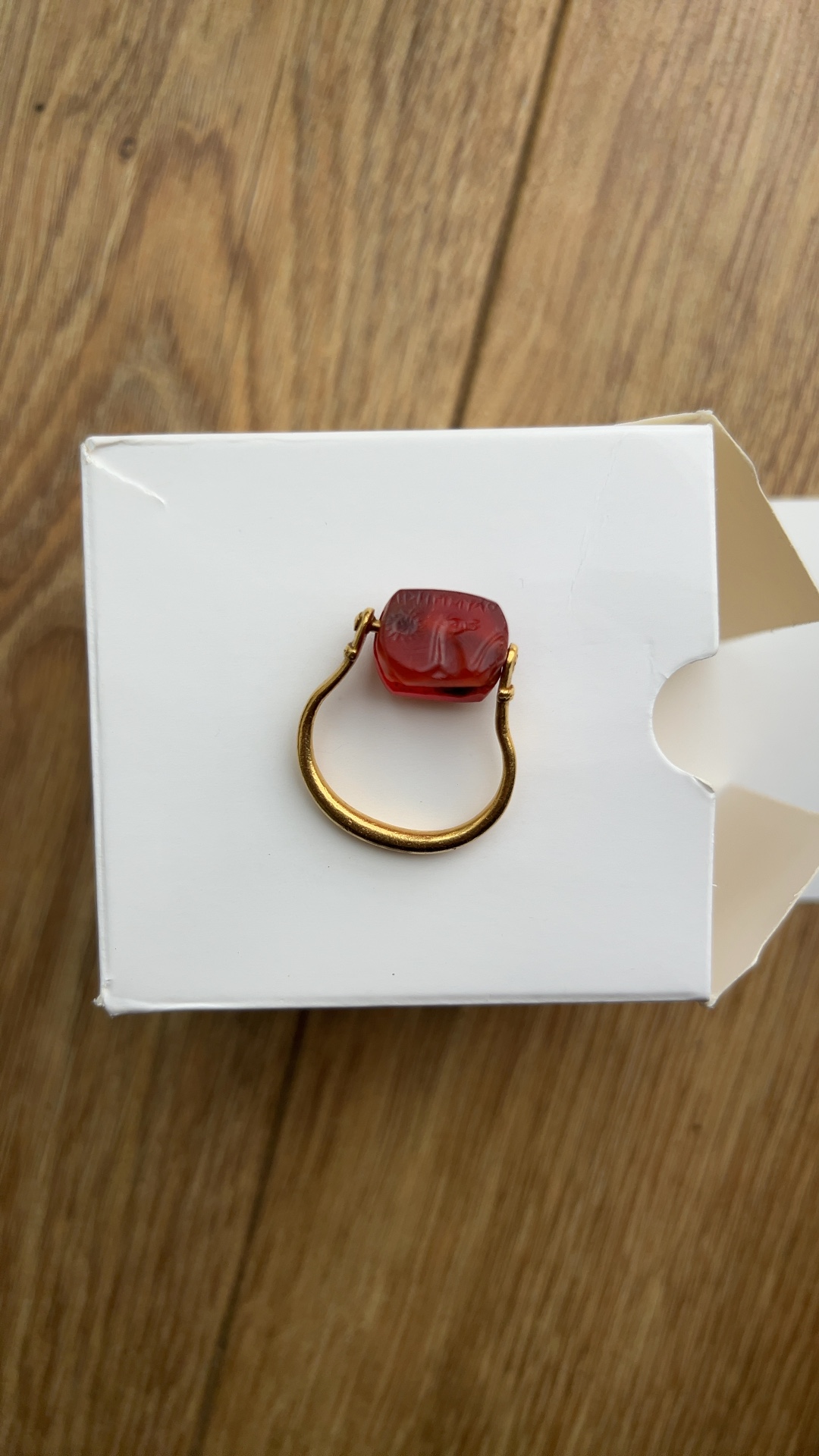
Sasanian Style Carnelian Swivel Intaglio Ring
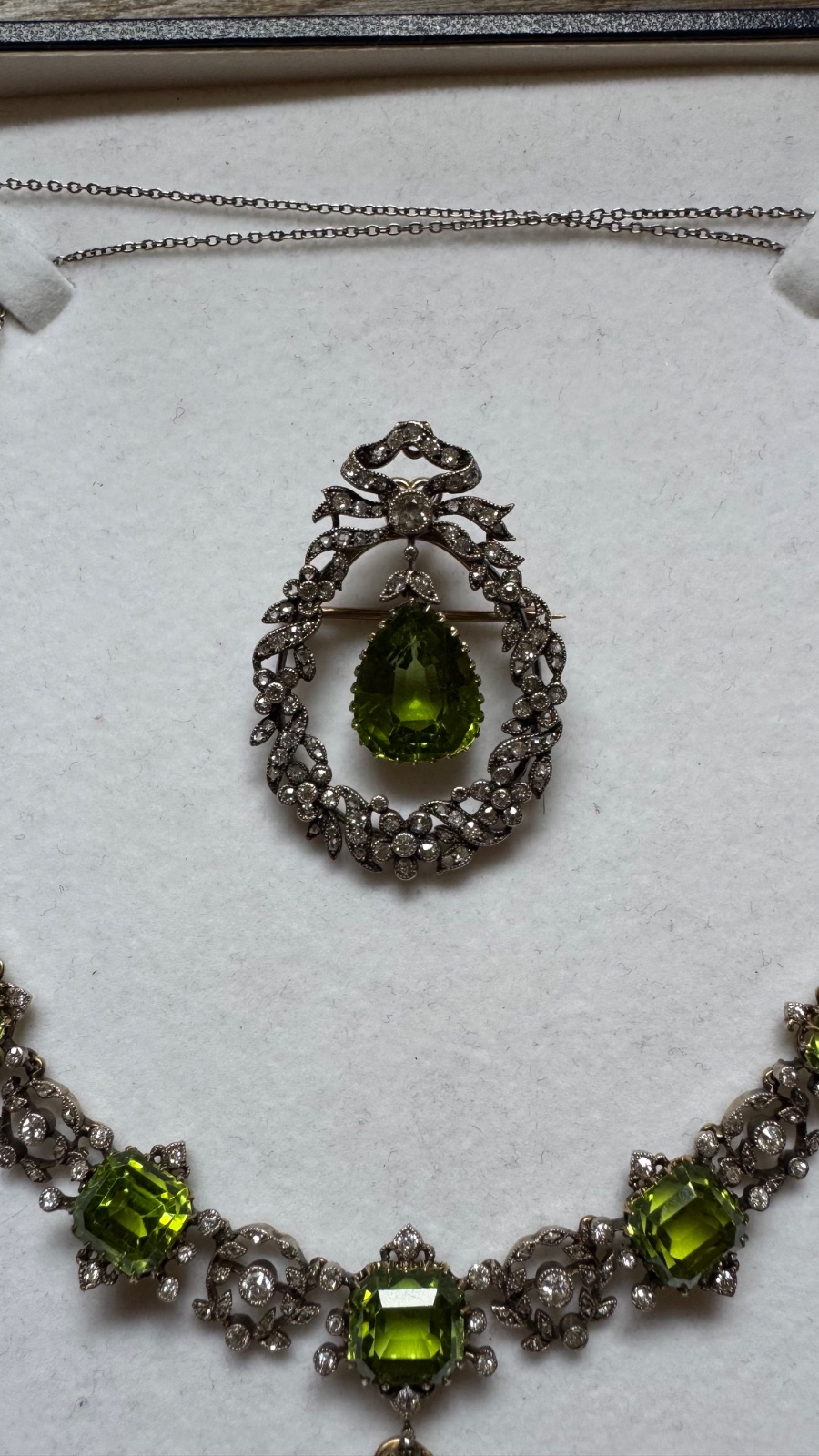
Edwardian Peridot & Diamond Garland Brooch/Pendant c.1905
ABOUT JEWELRY
Fine jewelry, costume pieces, rings, necklaces, bracelets, and brooches.
Jewelry value and rarity guideSHARE THIS CURIOSITY
Have your own curiosities to discover?
Scan Your Curiosity
COMMENTS
No comments yet. Be the first to share your thoughts!
Sign in to leave a comment