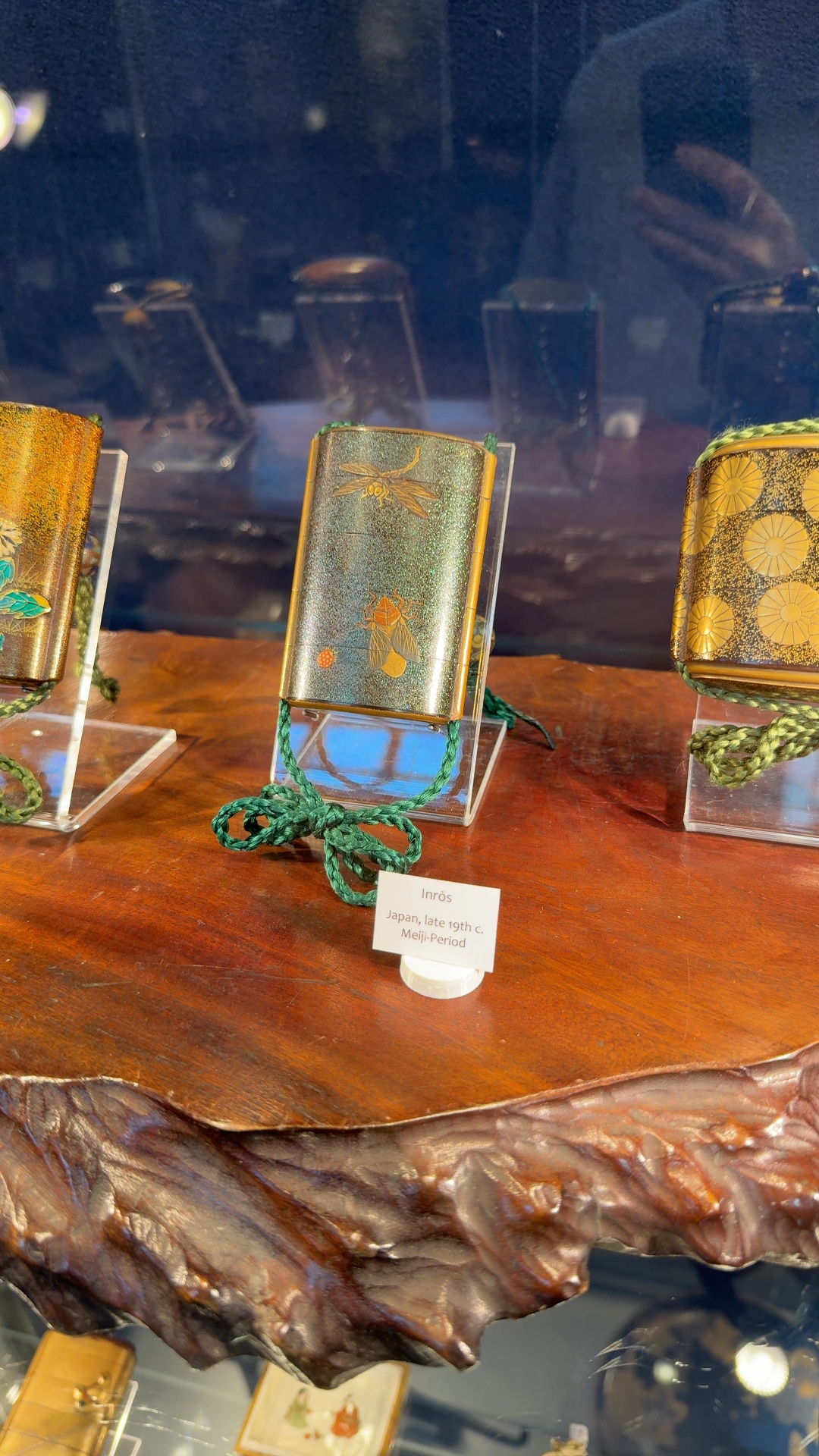
Japanese Lacquer Inrō with Dragonfly and Insect Motif
Estimated value
$1,200 - $3,000Rarity
Scarce(6/10)Type
Museum ObjectCategory
Asian ArtEra
Late Meiji Period, c. 1880-1912Origin
🇯🇵 JapanAuthenticity
JAPANESE LACQUER INRŌ WITH DRAGONFLY AND INSECT MOTIF: IDENTIFICATION
My focus is drawn to the technical execution of the lacquerwork. This is a multi-case inrō, likely with four or five compartments, from Japan's Meiji period. The ground is a fine nashiji or a similar technique involving sprinkled metal flakes, creating a deep, shimmering surface. The decoration, executed in high-relief takamaki-e, depicts a dragonfly (tonbo) and another insect, likely a cicada (semi), both classic autumnal motifs symbolizing perseverance and transience. The precision of the lacquer application is characteristic of the highly skilled workshops producing for the Western export market at the turn of the 20th century.
Compare with other Asian art pieces in the archive: Chinese Archaistic Carved Jade Figure, Hongshan/Shang Style, Balinese Art Deco Wooden Sculpture of a Winged Celestial (Kinnari), Chinese Archaistic 'Taotie' and 'Chilong' Jade Pendant.
CROSS-CULTURAL PARALLELS
Where This Object Echoes
Similar in function to the European 'étui' or small decorative personal cases from the 18th century, which held necessities like needles, pencils, or snuff, and signaled the owner's status and taste.
Ritual & Ceremonial Use
- •The act of wearing sagemono, including the inrō, was part of the daily ritual of dressing for samurai and merchants, a public display of status, fashion consciousness, and personal taste.
Meaning Through Time
A functional status symbol for men, part of a required ensemble for a pocketless society.
Shifted from a functional domestic item to an object of high art, primarily created for export and appreciation by Western collectors.
A highly antique and work of art, studied and collected for its craftsmanship and historical significance, with no remaining functional role.
SCARCITY
Genuinely harder to find. Perhaps only dozens come to market annually. Collectors actively watch for these pieces.
Rarity 6/10. Curiosa currently catalogues 5 asian items at rarity 6 or higher.
Typical Characteristics
- Dozens per year at market
- Documented provenance valued
- Active collector pursuit
Confidence Factors
- Displayed in a professional, museum-like setting, suggesting prior vetting.
- The style, materials, and quality are highly consistent with known Meiji-period lacquerware.
- The motif and execution do not show signs of modern reproduction techniques.
ASIAN ART SCHOLAR'S TAKE
Asian Art Specialist
Confidence is high due to the clear visibility of a classic form, distinctive Japanese artistic techniques, and a museum label that corroborates the visual evidence. The lack of a view of the signature or base prevents near-certainty regarding artist and precise value.
KEY EVIDENCE
- 1The object is a classic, multi-tiered inrō, a form unique to Japan.
- 2The lacquer technique, likely a nashiji ground with takamaki-e (raised lacquer) decoration, is characteristic of high-quality Meiji-period work.
- 3The choice of motifs—dragonfly and cicada—are classic themes in Japanese art, deeply connected to seasonal and symbolic meanings.
- 4The display context, alongside other similar objects in a protective case, suggests it's part of a valued collection.
- 5The on-site label confirms the object type, origin, and period, aligning perfectly with visual analysis.
UNCERTAINTIES
- •The artist's signature is not visible; value and attribution are heavily dependent on this.
- •The ojime (sliding bead) and netsuke (toggle) are not shown; a complete, original set is far more valuable than a standalone inrō.
WHAT WOULD IMPROVE CERTAINTY
- →Photograph the base of the inrō to check for an artist's signature.
- →Carefully open the inrō to photograph the interior compartments, which should have a uniform nashiji or red lacquer finish.
- →Examine the cord channels (himotoshi) for signs of wear.
CONDITION & GRADE
Condition
From this distance, the condition appears excellent. I see no obvious cracks (nyu), chips, or significant wear to the primary surfaces or the rims (fundame) of the compartments. The silk cord also appears to be in good, stable condition.
ASIAN ART VALUATION
Updated: Feb 27, 2026
- Market comparables from auctions & retail
- Condition, completeness & craftsmanship
- Current collector demand & trends
- Low = quick sale, high = patient seller
For informational purposes only, not a formal appraisal.

SIMILAR CURIOSITIES
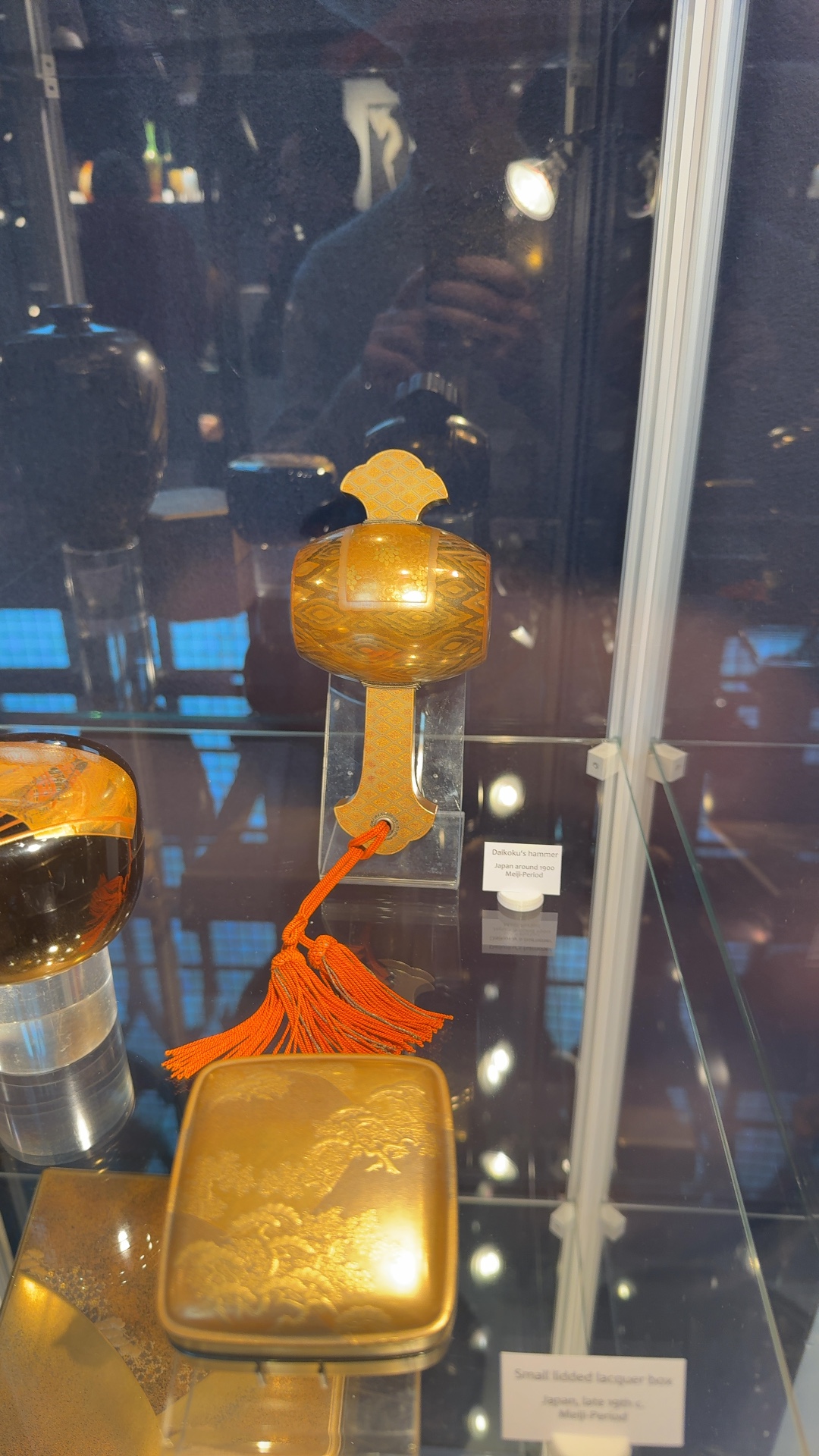
Japanese Lacquer 'Magic Wealth Mallet' (Uchide-no-kozuchi)
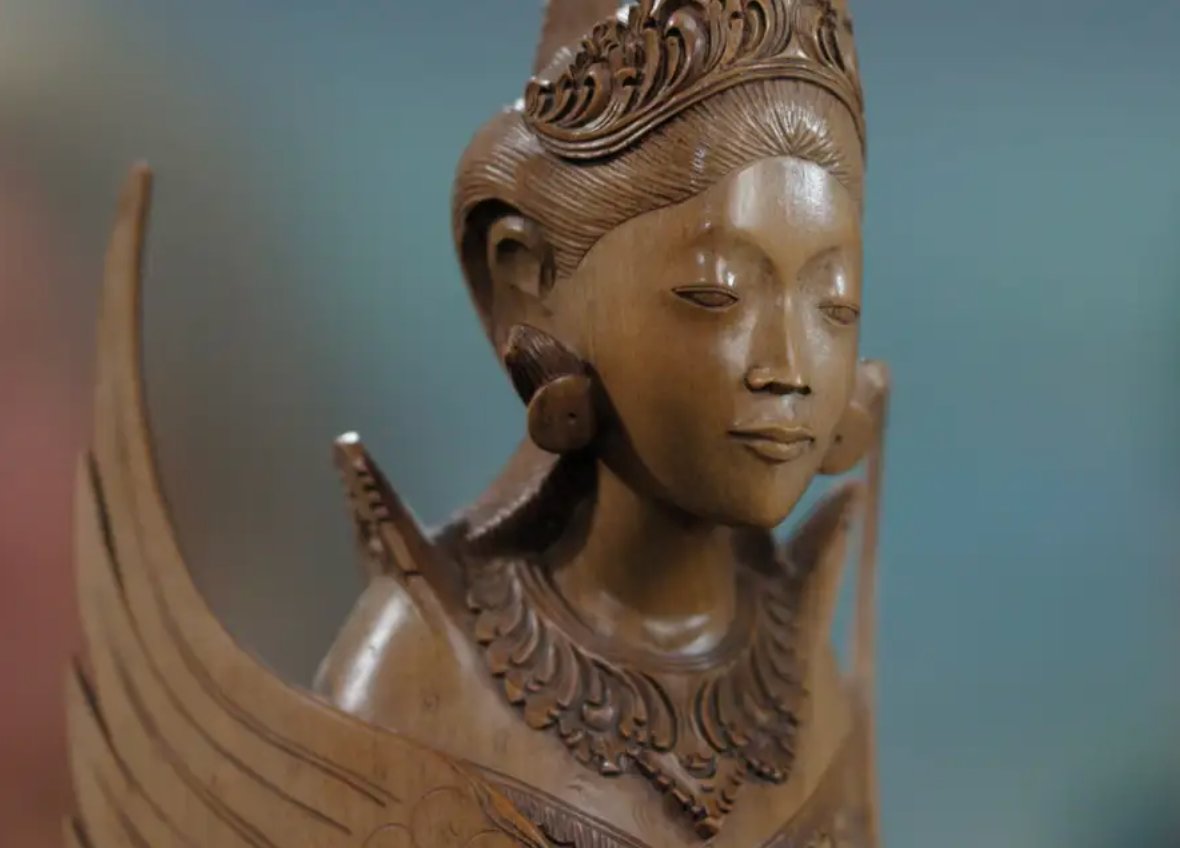
Balinese Art Deco Wooden Sculpture of a Winged Celestial (Kinnari)
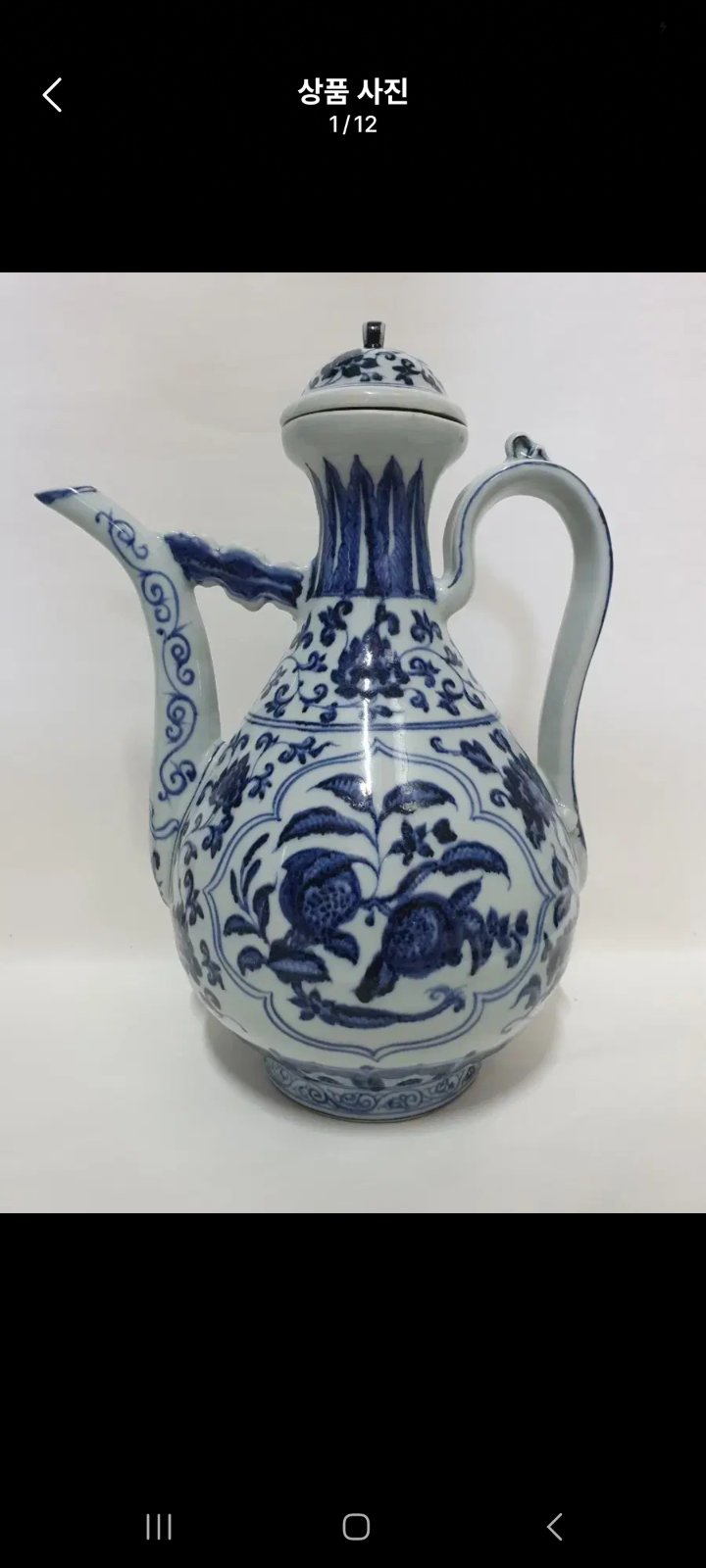
Blue and White Ewer with Xuande Reign Mark
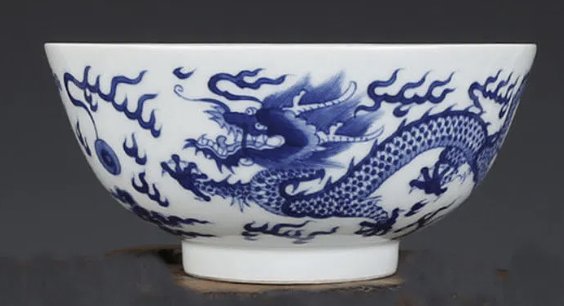
Chinese Blue and White 'Dragon' Bowl with Kangxi Mark
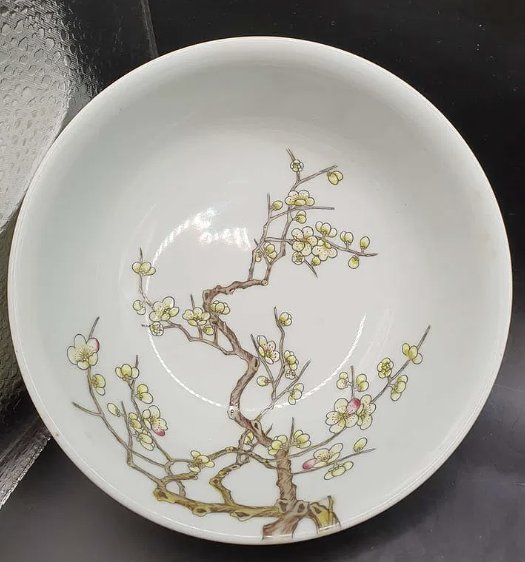
Fencai Enameled Porcelain 'Prunus and Lingzhi' Bowl
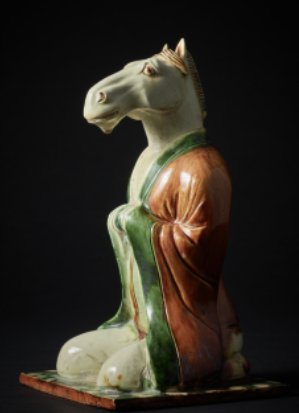
Chinese Sancai-Glazed Pottery 'Horse-Headed' Zodiac Figure, Tang Dynasty Style
ABOUT ASIAN ART
Chinese, Japanese, Korean, and other Asian art and antiques.
Asian Art value and rarity guideSHARE THIS CURIOSITY
Have your own curiosities to discover?
Scan Your Curiosity
COMMENTS
No comments yet. Be the first to share your thoughts!
Sign in to leave a comment