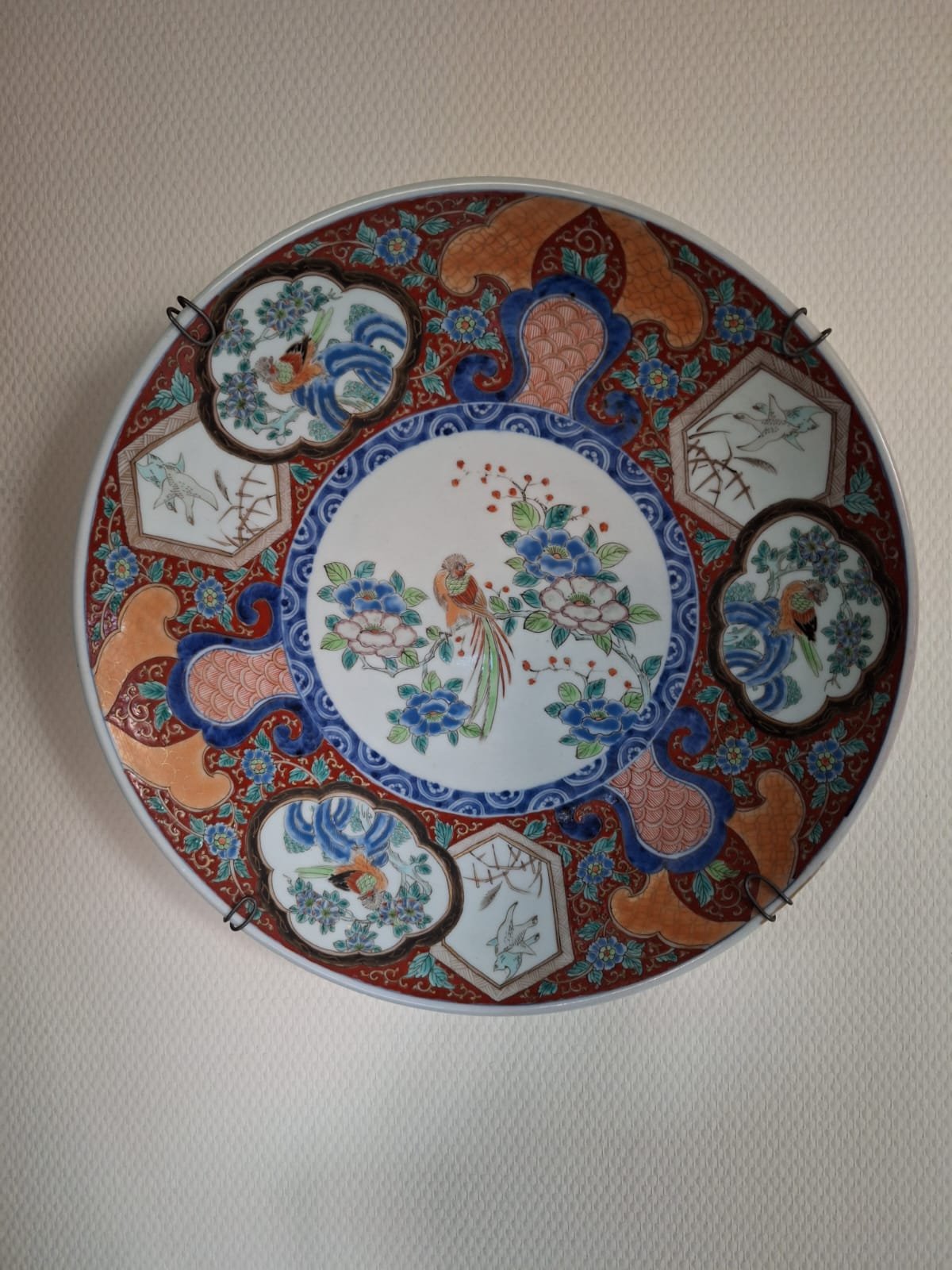
Chinese Porcelain 'Hundred Birds' Charger with Floral and Medallion Motifs
QUICK FACTS
Categories
Era
Late 19th - Early 20th Century
Origin
🇨🇳 China
Brand
Arita Ware
Rarity
Average (4/10)
Discovered
Jan 25, 2026
1 months ago
DESCRIPTION
This is a substantial Chinese porcelain charger, meticulously hand-painted with a vibrant 'Hundred Birds' design, a popular motif symbolizing prosperity and longevity. The central medallion features a radiant pheasant amidst blooming peonies and other flowers, skillfully rendered in overglaze enamels. Surrounding this, the composition unfolds into an intricate patterned ground of red iron oxide and cobalt blue ornamentation, punctuated by auspicious cloud (ruyi) and quatrefoil cartouches depicting various birds and auspicious objects. The reverse bears underglaze blue brushwork in a classic scrolling pattern.
CULTURAL ECHOES
Where This Object Echoes
The 'Hundred Birds' motif, symbolizing prosperity and good fortune, and the use of 'famille' enamels were common across various dynasties, particularly popular during the Qing for high-end ceramics.
Ritual & Ceremonial Use
- •Such large chargers were often displayed prominently in homes of wealthy merchants or scholar-officials, symbolizing social status and expressing auspicious wishes. They might also have been used for lavish banquets.
Meaning Through Time
These chargers served as functional objects (serving dishes) and decorative displays, often commissioned with specific auspicious motifs for significant events or as gifts.
With increasing Western demand, similar chargers were heavily produced for the export market, sometimes incorporating elements attractive to foreign tastes, though still maintaining traditional Chinese iconography.
HISTORICAL STORY
DID YOU KNOW?
The 'Hundred Birds' motif is not just aesthetically pleasing; it is rich with symbolism, representing the gathering of all birds under the reign of the mythical Fenghuang (phoenix), signifying peace and prosperity under a benevolent ruler.
The use of multiple enamels (red, green, blue, yellow) over a meticulously outlined underglaze blue design, as seen on this charger, is characteristic of later Qing dynasty 'famille rose' or 'famille verte' styles, depending on the predominant greens or pinks, though here it leans more towards a broader palette.
MATERIAL & CONDITION
Surface
The front surface exhibits a glossy, finely crazed glaze over vibrant overglaze enamel decoration. The motifs are densely packed, featuring a central bird and floral arrangement, framed by a cobalt blue and white border, which transitions into an iron-red ground with further blue scrolling foliage. Various shaped reserves with additional bird vignettes break the intricate background. The reverse showcases typical underglaze blue swirling patterns, characteristic of a porcelain foot. The wire hanger suggests it was used for wall display.
Weight & Feel
Based on its size and porcelain material, this charger would feel substantial and weighty in hand, commensurate with its form and function.
Condition
The primary image suggests good overall condition with strong color retention. A close examination, particularly of the enamels, would be needed to detect any rubbing or loss. The reverse shows some expected firing imperfections and possibly minor wear to the underglaze blue. The wire hanger is utilitarian and not original to the piece.
RARITY ANALYSIS
Typical antique shop fare. Requires some searching but regularly available. This is where most genuine antiques fall.
Typical Characteristics
- Standard antique shop items
- Regularly available
- Moderate collector interest
EXPERT ANALYSIS
Asian Art Specialist
My confidence is good for identifying it as a Chinese porcelain charger with familiar late Qing/early Republican stylistic traits. However, the exact dating and specific attribution are tempered by the generic nature of the mark and the lack of detailed images of key diagnostic areas like the footrim and mark inscription.
KEY EVIDENCE
- 1The overall decorative scheme, featuring a central bird and floral medallion surrounded by a patterned ground and cartouches, is characteristic of Chinese export porcelain from the late Qing to early Republican periods.
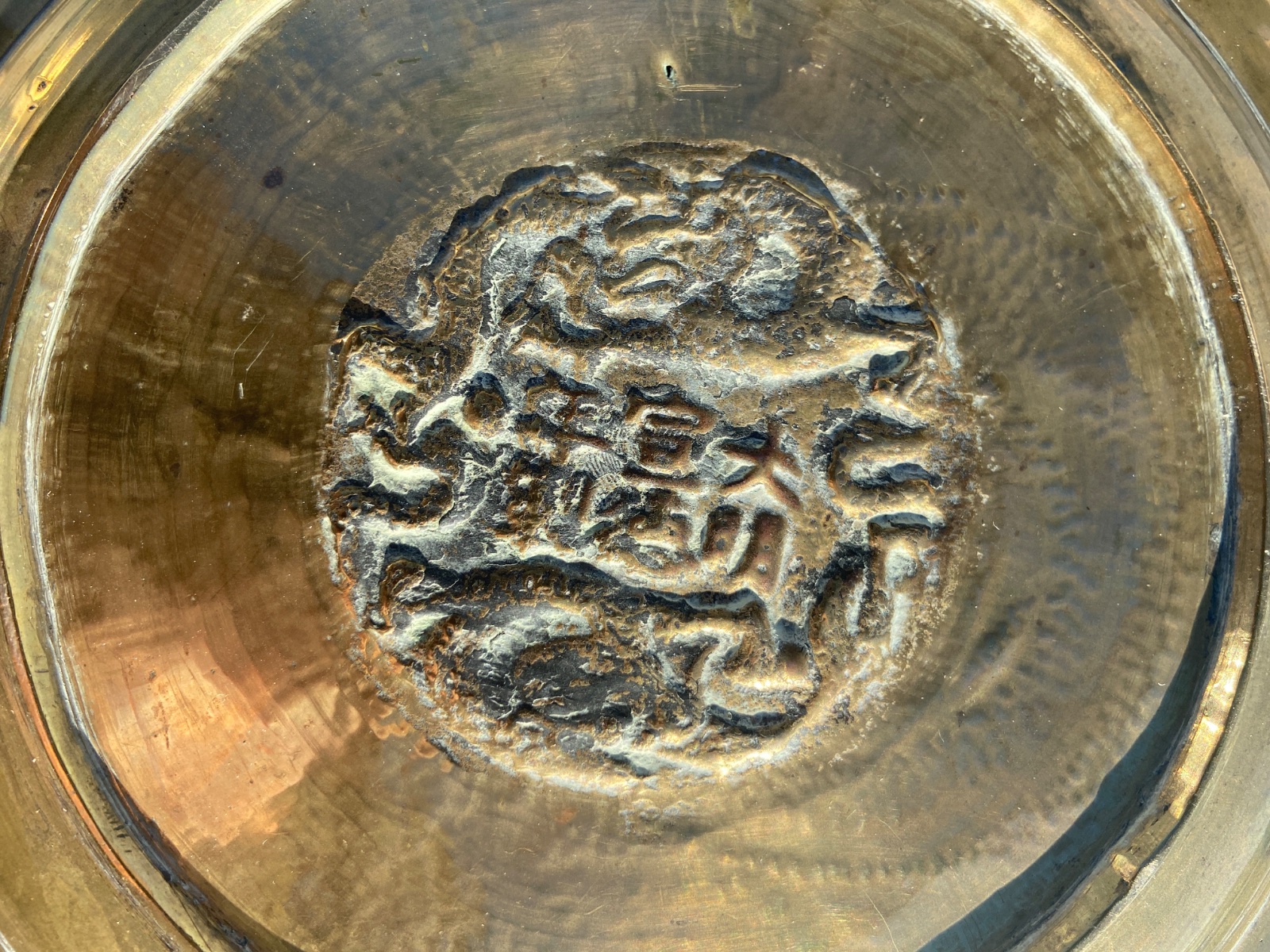
- 2The 'Chun Zao' (Spring Made) mark on the reverse is a studio or artistic name, rather than an imperial reign mark, indicating non-imperial production, possibly for the domestic or export market.
- 3The combination of underglaze blue for the reverse pattern and overglaze enamels for the front decoration aligns with common polychrome porcelain techniques of the era.
- 4The dense and highly detailed ornamentation, often referred to as 'Mandarin palette' or similar, points towards a commercial production intended to be visually rich.
UNCERTAINTIES
- •The 'Chun Zao' mark is not a commonly documented imperial mark, and while it could denote a specific workshop, it doesn't offer direct dynastic attribution, necessitating closer material authentication.
- •The exact manufacturing date relies heavily on visual assessment of the enamel palette, glaze characteristics, and potting style, which can be difficult to ascertain definitively from photographs alone.
WHAT WOULD IMPROVE CERTAINTY
- →A high-resolution, magnified image of the 'Chun Zao' mark, including its calligraphy and surrounding glaze quality, is crucial for better interpretation.
- →Detailed images of the footrim, including any unglazed areas and the nature of the porcelain body, would aid in dating and authenticity assessment.
- →Examination of the piece in person to assess the weight, tactile quality of the glaze, and any subtle firing imperfections would be highly beneficial.
- →Seeking an expert appraisal from an accredited Chinese porcelain specialist who can examine the piece firsthand and compare it to documented examples.
ESTIMATED VALUE
Updated: Feb 27, 2026
- Market comparables from auctions & retail
- Condition, completeness & craftsmanship
- Current collector demand & trends
- Low = quick sale, high = patient seller
For informational purposes only, not a formal appraisal.

SHARE THIS CURIOSITY
Have your own curiosities to discover?
Scan Your Curiosity
COMMENTS
No comments yet. Be the first to share your thoughts!
Sign in to leave a comment