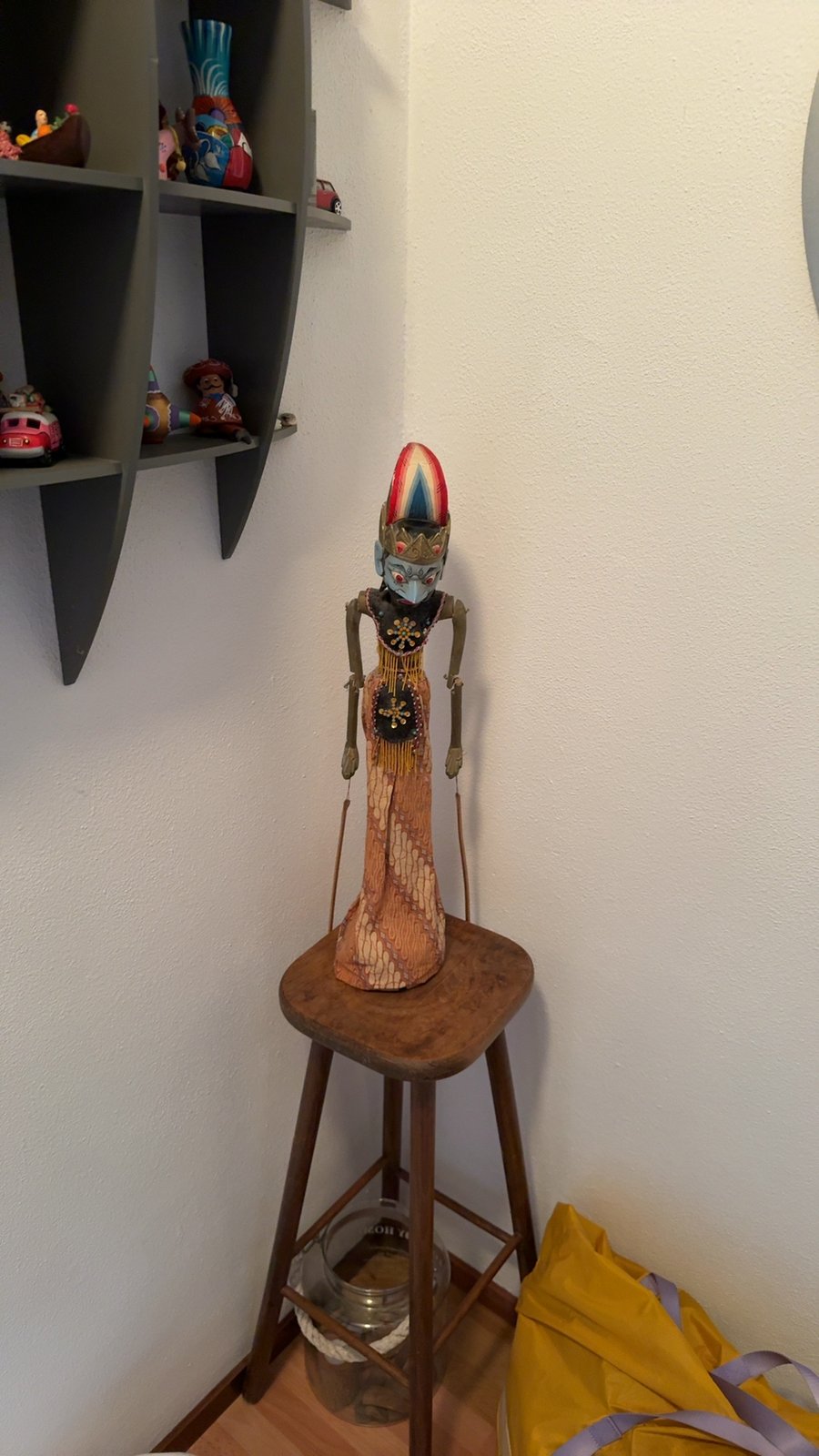
Javanese Wayang Golek Puppet - Gatotkaca (Blue-Faced Hero)
Estimated value
$45 - $125Rarity
Average(4/10)Category
Tribal & EthnographicEra
Circa 1960–1980Origin
🇮🇩 IndonesiaAuthenticity
JAVANESE WAYANG GOLEK PUPPET - GATOTKACA (BLUE-FACED HERO): IDENTIFICATION
A traditional West Javanese Wayang Golek rod puppet carved from Albasia wood, depicting a noble or heroic figure characterized by the blue-painted face and almond-shaped eyes. The figure features an elaborate gelung (headdress) with polychrome painting and a carved Garuda motif on the rear. The torso is dressed in a velvet bodice (baju) embellished with beadwork and sequins, transitioning into a hand-stamped batik sarong featuring the 'Parang' motif, which signifies royalty and power in Javanese culture.
Compare with other items in the archive: Carved Wood Ancestor Figure or Deity Sculpture, Pre-Columbian Style Terracotta Bowl with Geometric-Zoomorphic Motifs, Carved Wooden Decorative Panel on Stand, Tribal Style.
CROSS-CULTURAL PARALLELS
Where This Object Echoes
The rod-and-string mechanism shares functional similarities with Sicilian 'Opera dei Pupi' marionettes, though the movement is restricted to the torso and arms.
Ritual & Ceremonial Use
- •Ruwatan ceremonies, where Wayang performances are used as a purification ritual to ward off bad luck or appease spirits.
Meaning Through Time
Primarily a religious and educational tool for oral history.
A symbol of Indonesian national identity and a staple of the high-quality handicraft export market.
SCARCITY
Typical antique shop fare. Requires some searching but regularly available. This is where most genuine antiques fall.
Rarity 4/10. Curiosa currently catalogues 4 tribal items at rarity 4 or higher.
Typical Characteristics
- Standard antique shop items
- Regularly available
- Moderate collector interest
Confidence Factors
- Construction techniques for rod attachments and jointing are consistent with standard Sundanese craft
- Pigment types and fabric wear patterns align with mid-20th-century export or local use items
SPECIALIST ASSESSMENT
Decorative Arts Specialist
High confidence in the identification as a Wayang Golek due to standard stylistic markers; moderate confidence in the specific character attribution as characters can vary slightly by regional workshop.
KEY EVIDENCE
- 1Hand-carved Albasia wood core with traditional jointing pegs
- 2Presence of 'Parang' batik motif indicating specific Javanese iconography
- 3Beaded velvet vest (baju) typical of the West Javanese style
- 4Bamboo control rods attached to the hands confirm its functional design as a 'Golek' (rod) puppet
UNCERTAINTIES
- •The brightness of the red and yellow pigments suggests a commercial grade rather than a palace-quality antique
WHAT WOULD IMPROVE CERTAINTY
- →Check the base of the central wooden rod for a workshop stamp or carver's mark
- →Examine the fabric under UV light to determine if synthetic dyes were used, which helps pinpoint the manufacturing decade
CONDITION & GRADE
Condition
Minor paint loss visible on the tip of the nose and the edges of the headdress; some fraying at the joint attachments and the lower hem of the sarong remains consistent with display age.
MARKET VALUATION
Updated: May 11, 2026
Who buys this
Collectors of Indonesian tribal art, ethnomusicologists, and interior designers seeking Southeast Asian ethnographic decor.
What increases value
- •Condition of the nose (often chipped)
- •Intricacy of the headdress carving
- •Quality of the hand-beaded vestments
What lowers value
- •Loss of the bamboo control rods
- •Dry rot or insect damage in the lightweight softwood body
What makes top-tier examples
- •Facial features carved by a recognized master dalang
- •Use of natural vegetable dyes on hand-drawn (Tulis) batik rather than printed fabric
Grade & condition
Completeness of the costume, integrity of the polychrome pigments, and functional state of the arm joints.
Rarity & demand
For informational purposes only, not a formal appraisal.

SIMILAR CURIOSITIES
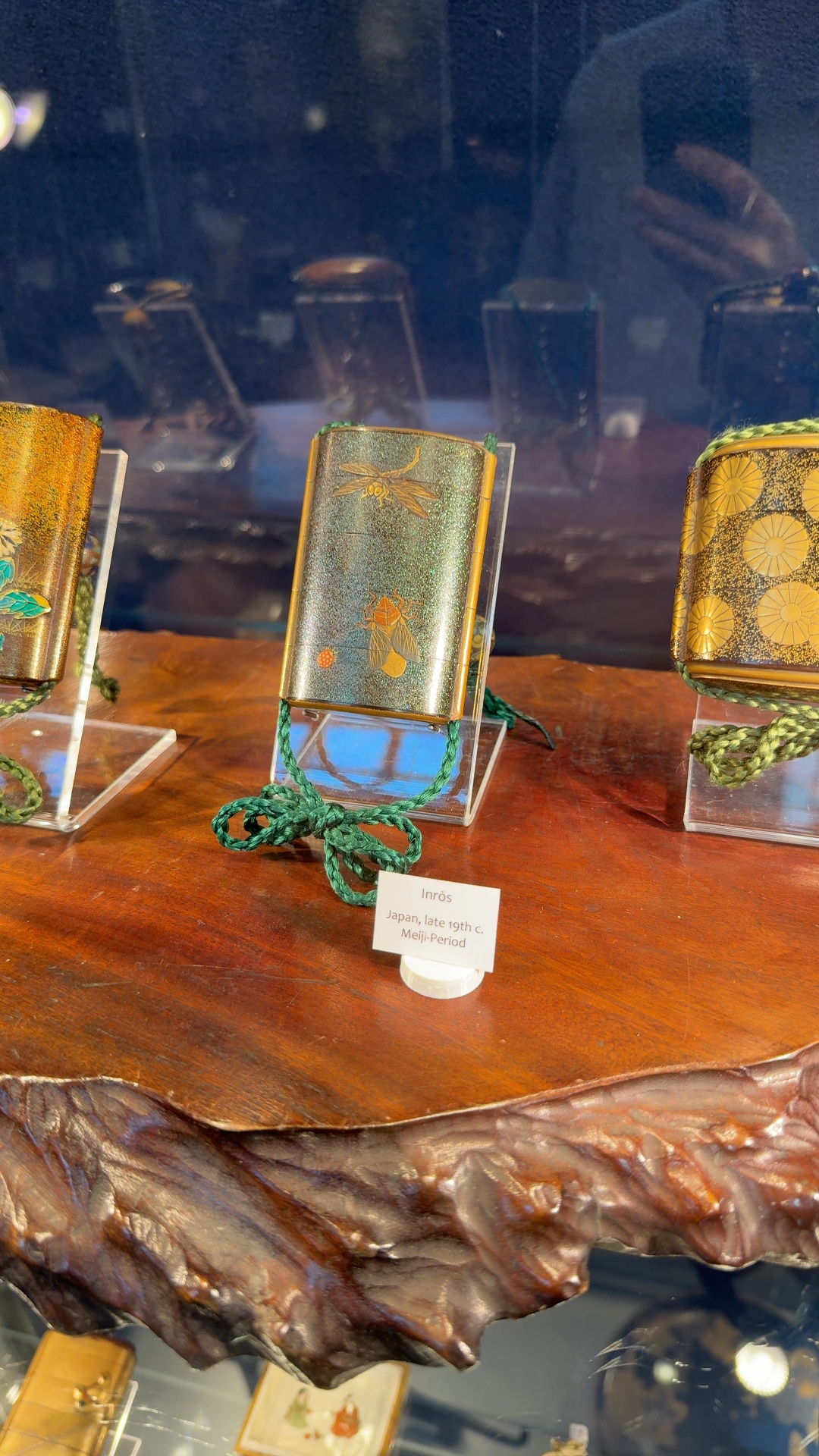
Japanese Lacquer Inrō with Dragonfly and Insect Motif
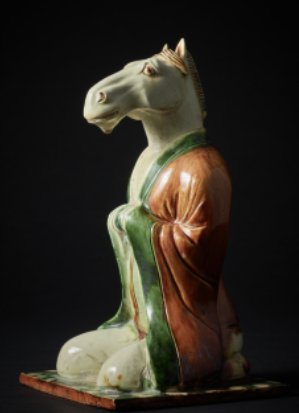
Chinese Sancai-Glazed Pottery 'Horse-Headed' Zodiac Figure, Tang Dynasty Style
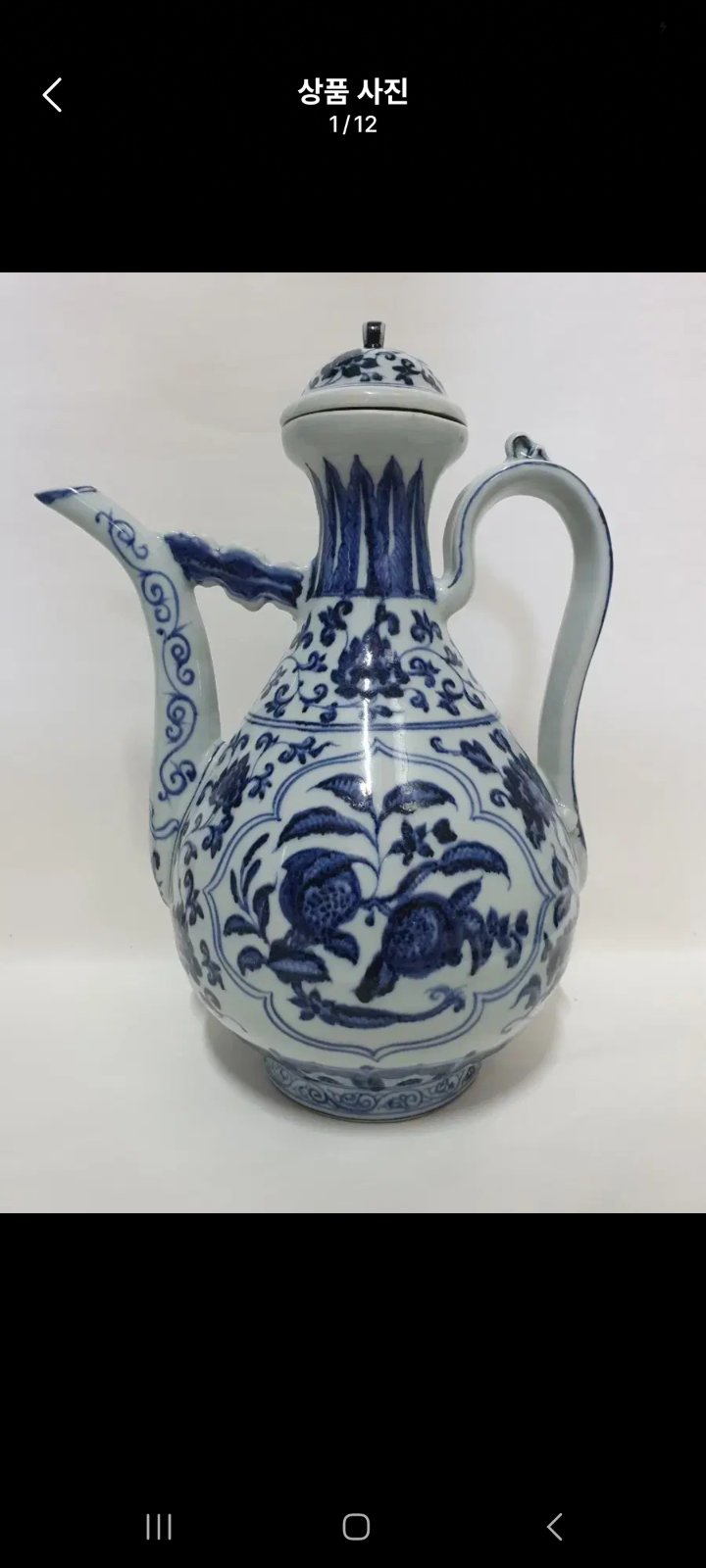
Blue and White Ewer with Xuande Reign Mark
Carved Wooden Punch Figure Cigar Store Style Tobacconist Figure
Southeast Asian Carved Wooden Figure/Fragment on Stand
Carved Wood Ancestor Figure or Deity Sculpture
ABOUT TRIBAL & ETHNOGRAPHIC
Tribal art, masks, ethnographic objects, and indigenous crafts.
Tribal & Ethnographic value and rarity guideSHARE THIS CURIOSITY
Have your own curiosities to discover?
Scan Your Curiosity
COMMENTS
No comments yet. Be the first to share your thoughts!
Sign in to leave a comment