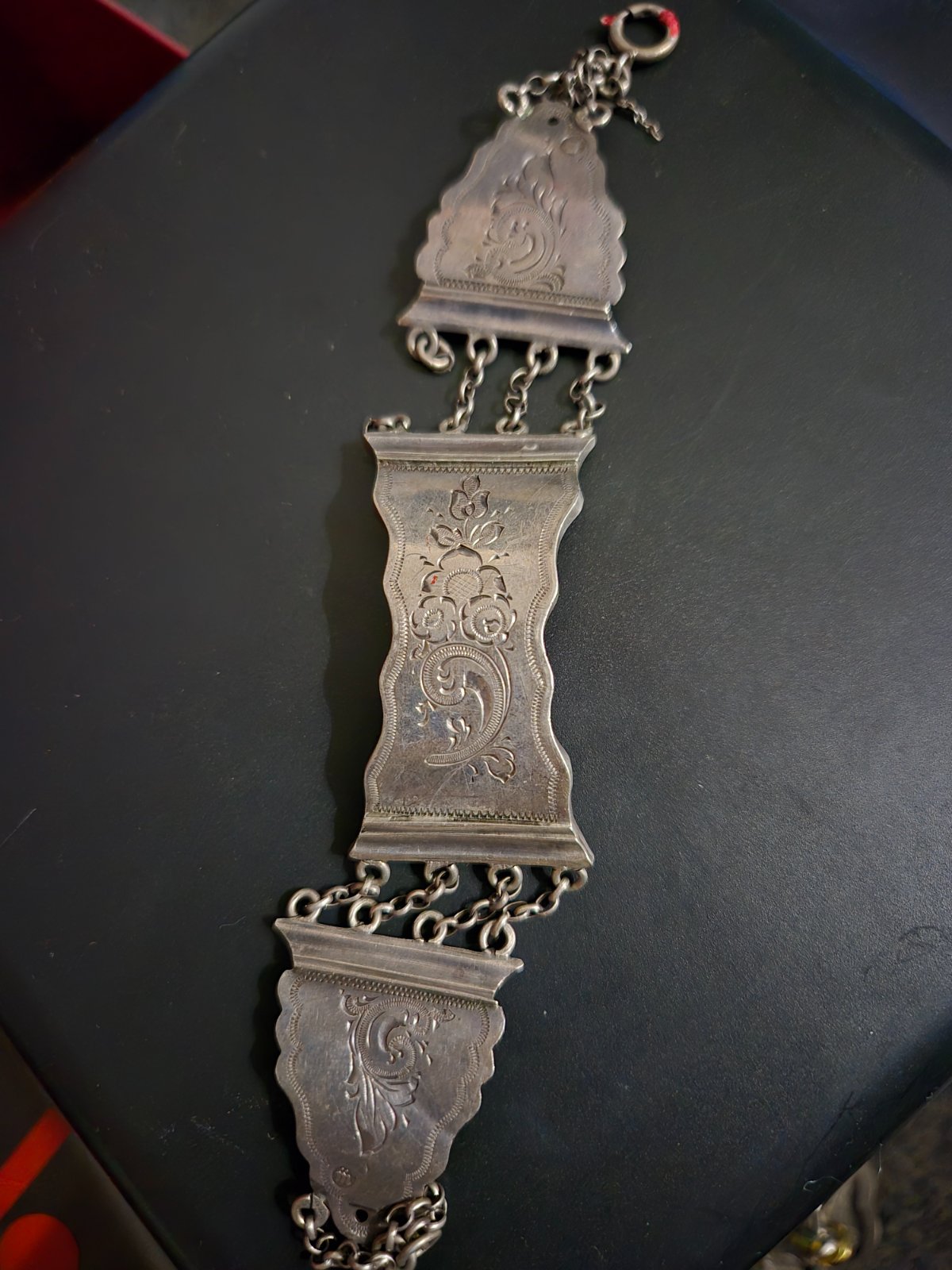
Victorian Engraved Silver or Silver-Plated Bracelet
Estimated value
$150 - $400Rarity
Average(4/10)Category
JewelryEra
Late Victorian (c. 1870-1900)Origin
🌍 InternationalAuthenticity
VICTORIAN ENGRAVED SILVER OR SILVER-PLATED BRACELET: IDENTIFICATION
This appears to be a Victorian-era bracelet, constructed from several articulated metal panels connected by multiple short chain links. The panels feature intricate engraved floral and scrollwork designs, characteristic of the romantic and ornate aesthetics popular during the latter half of the 19th century. The central panel is notably elongated and curvilinear, flanked by two bell-shaped panels, all exhibiting fluted or ridged borders.
Compare with other jewelry in the archive: 14-Karat Gold Pendant Bail with Geometric Maker's Mark, 14K White Gold Cluster Pendant, 18K Two-Tone Gold Double Halo Pendant by RI.
SCARCITY
Typical antique shop fare. Requires some searching but regularly available. This is where most genuine antiques fall.
Rarity 4/10. Curiosa currently catalogues 17 jewelry items at rarity 4 or higher.
Typical Characteristics
- Standard antique shop items
- Regularly available
- Moderate collector interest
Confidence Factors
- Lack of visible hallmarks or maker's marks from the images makes definitive metal identification difficult.
- The style was popular, leading to both high-quality originals and later reproductions.
- Image quality prevents close examination of joinery and metal integrity.
GEMOLOGIST'S ASSESSMENT
Jewelry Historian & Gemologist-Informed Appraiser
The stylistic elements and construction strongly point to a late Victorian origin, providing a good basis for identification. However, the lack of visible hallmarks and inability to test the metal content from images introduces moderate uncertainty in fully qualifying the piece.
KEY EVIDENCE
- 1Engraved floral and scrollwork motifs are highly characteristic of late Victorian aesthetic.
- 2Articulated panel construction with multiple chain links is a typical bracelet style of the period.
- 3The 'bell-shaped' and curvilinear panel forms point to late 19th-century design trends.
- 4Presence of an older-style jump ring on the clasp end, suggesting antique age.
UNCERTAINTIES
- •Absence of clear hallmarks makes definitive metal content (solid silver vs. plated) impossible to ascertain from images alone.
- •Potential for later repairs or modifications to the clasp mechanism, which warrants closer inspection.
- •Surface wear could indicate heavily plated material rather than solid silver, affecting value.
WHAT WOULD IMPROVE CERTAINTY
- →Examine all panels and clasp under magnification for any visible hallmarks, maker's marks, or purity stamps.
- →Conduct an acid test on an inconspicuous area to determine metal purity (if no hallmarks are found).
- →Measure the length and width of the panels to better understand the scale of the piece.
- →Inspect the integrity of all chain links and solders, especially where they connect to the panels and clasp.
CONDITION & GRADE
Condition
The bracelet appears to be in relatively good antique condition, with visible surface wear and tarnish consistent with its age. All chains connecting the panels seem intact, and the clasp, while showing some oxidation, appears functional. No obvious signs of major damage or repair are immediately discernible from the images.
GEMSTONE & METAL VALUE
Updated: Feb 27, 2026
- Market comparables from auctions & retail
- Condition, completeness & craftsmanship
- Current collector demand & trends
- Low = quick sale, high = patient seller
For informational purposes only, not a formal appraisal.
SIMILAR CURIOSITIES
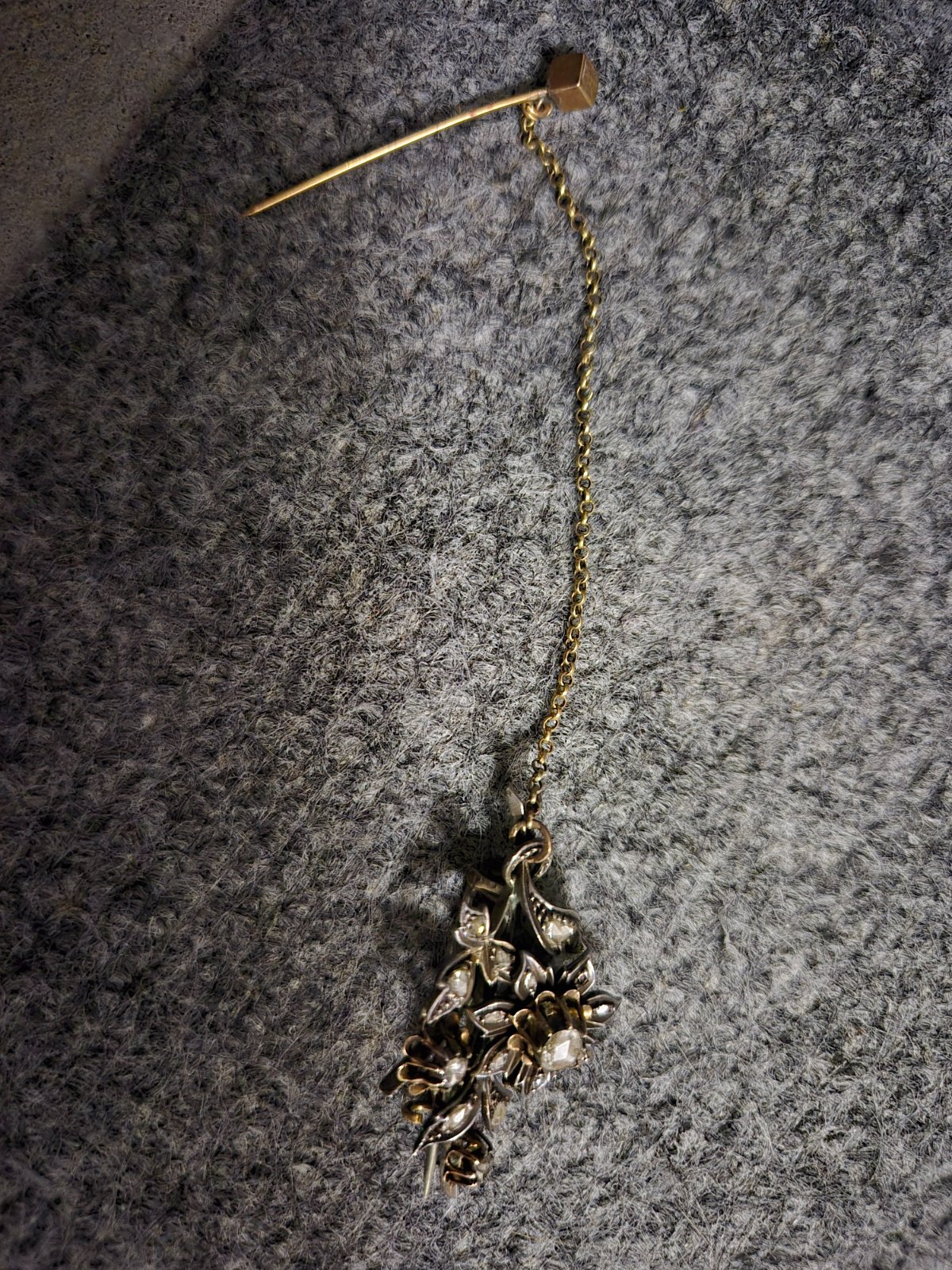
Victorian / Edwardian Era Floral Lapel Pin with Chain and Pendant
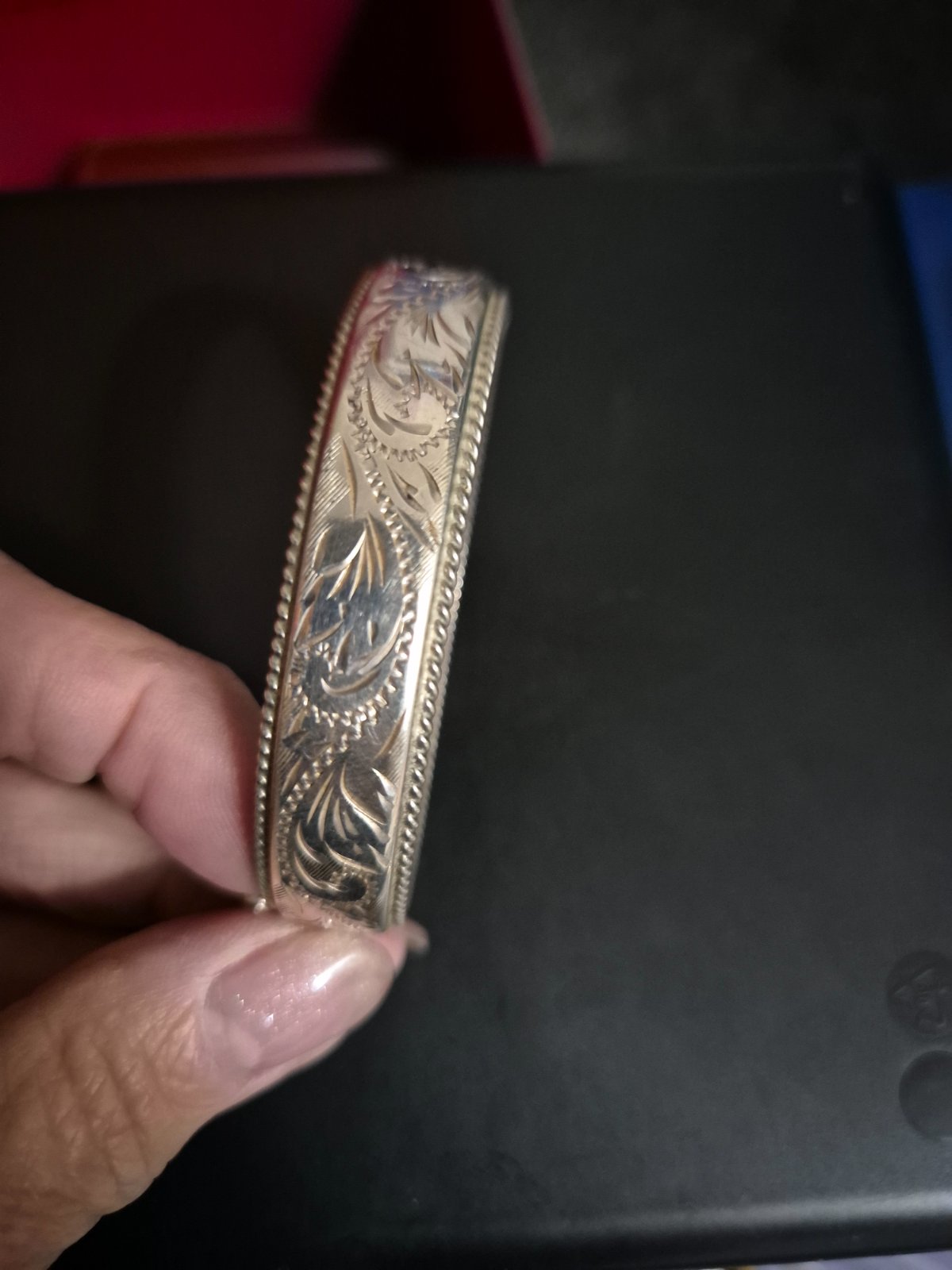
Engraved Bangle Bracelet
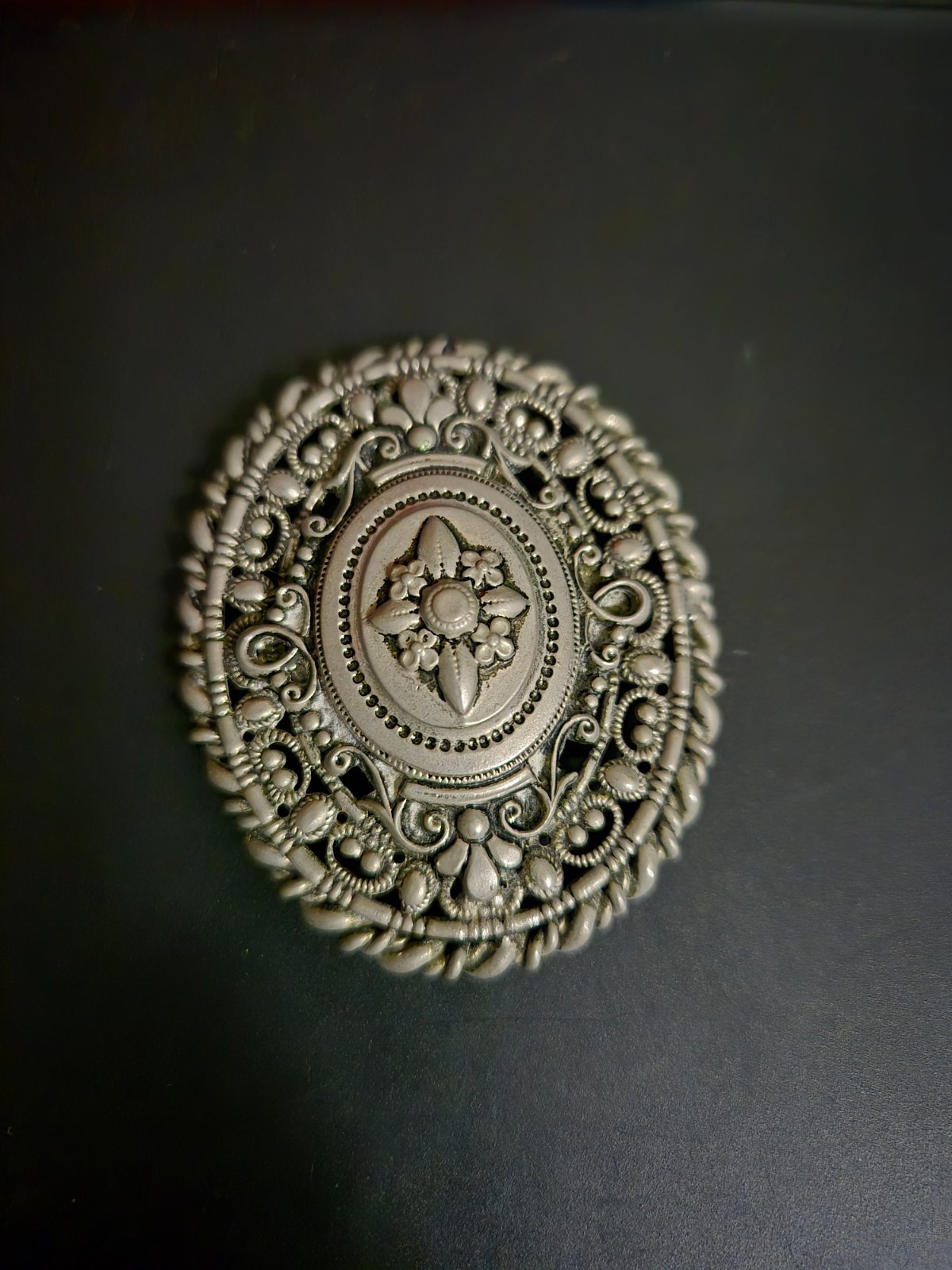
Intricately Filigreed Silver-Tone Brooch or Pendant
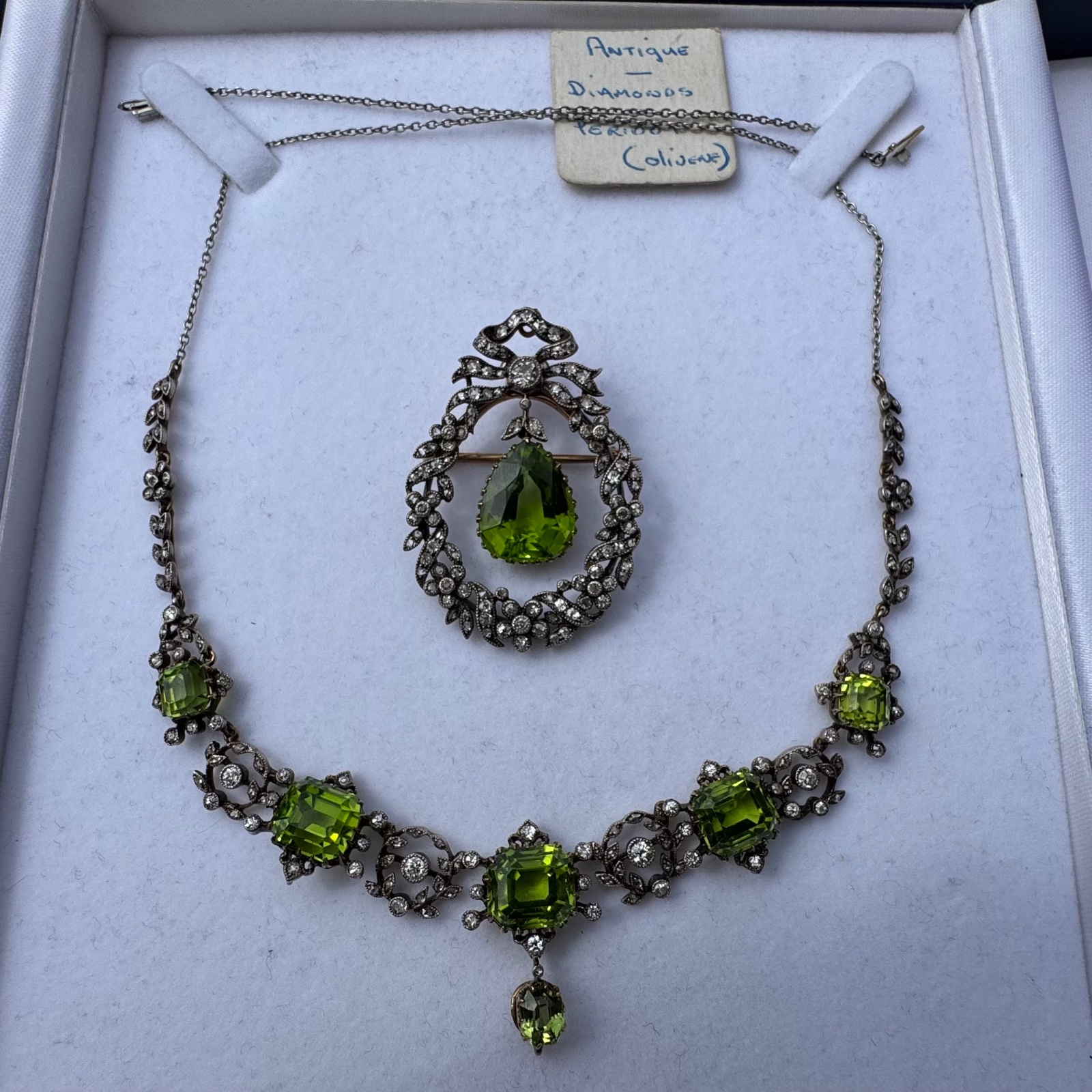
Late Victorian Peridot and Diamond Necklace and Brooch Suite c.1890
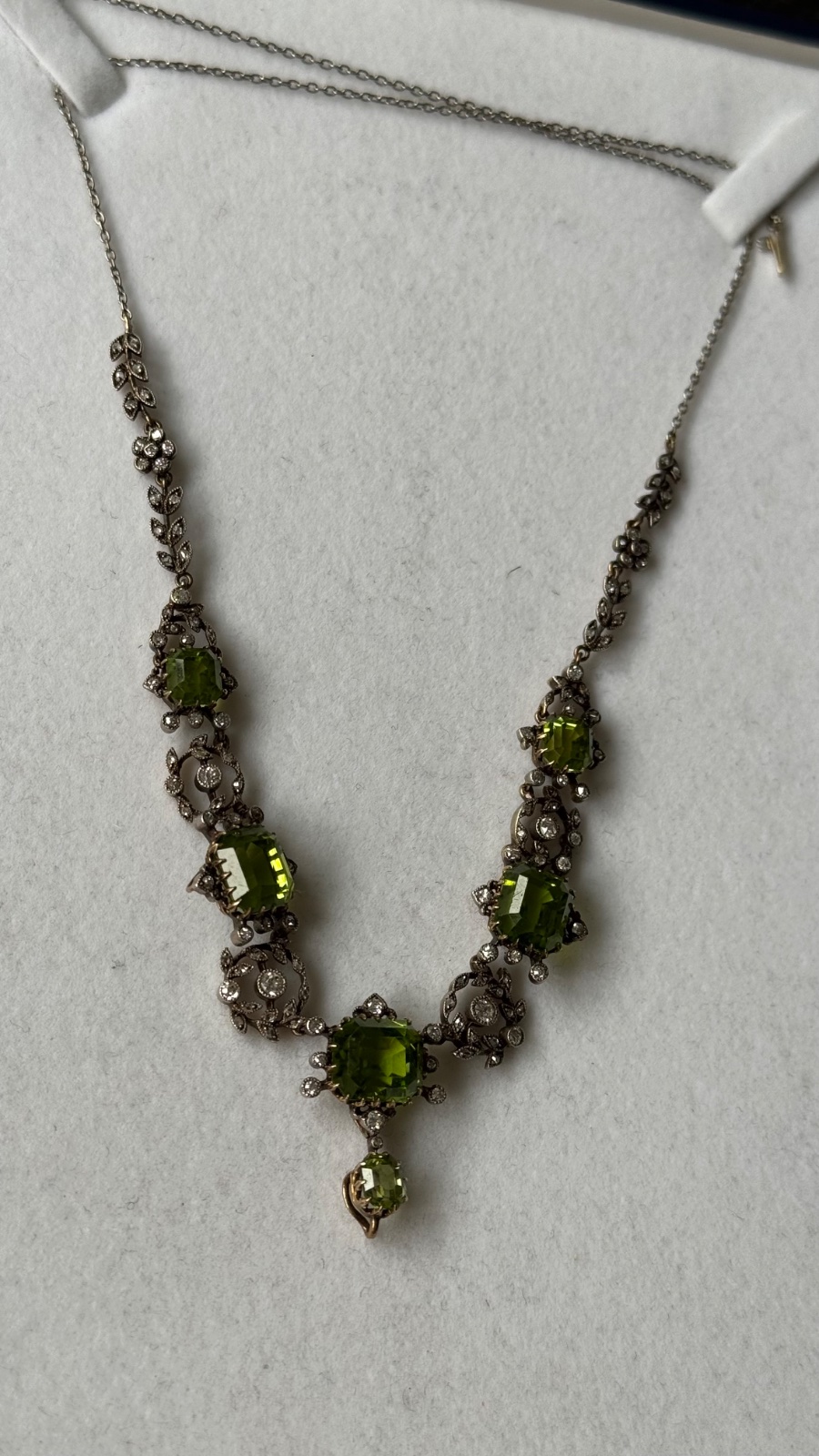
Edwardian Style Peridot and Diamond Festoon Necklace
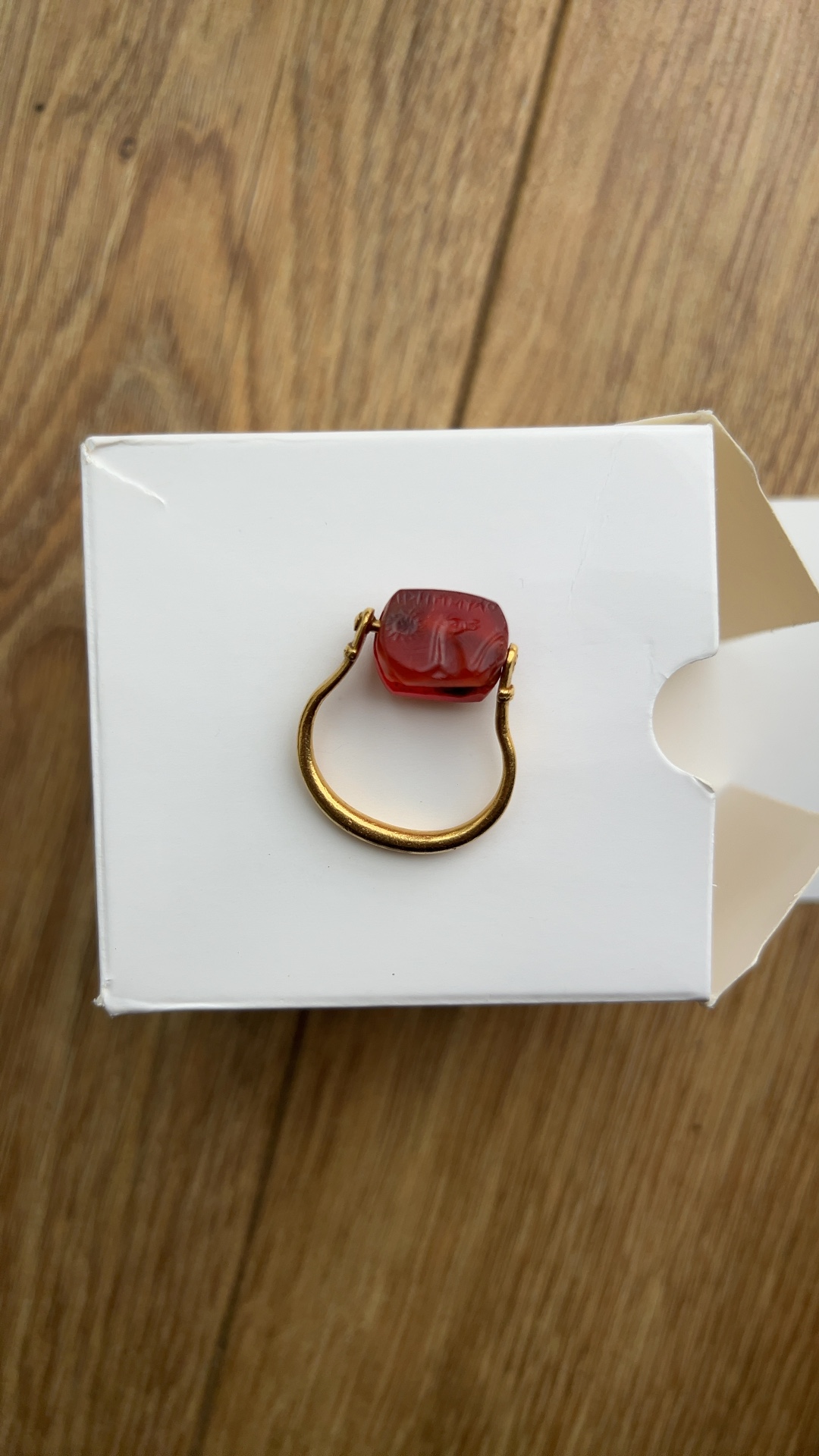
Sasanian Style Carnelian Swivel Intaglio Ring
ABOUT JEWELRY
Fine jewelry, costume pieces, rings, necklaces, bracelets, and brooches.
Jewelry value and rarity guideSHARE THIS CURIOSITY
Have your own curiosities to discover?
Scan Your Curiosity
COMMENTS
No comments yet. Be the first to share your thoughts!
Sign in to leave a comment