Bolo Dagger (Kris/Keris-style)
QUICK FACTS
Categories
Era
Early to Mid 20th Century
Origin
🌍 International
Rarity
Average (4/10)
Discovered
Jan 14, 2026
1 months ago
DESCRIPTION
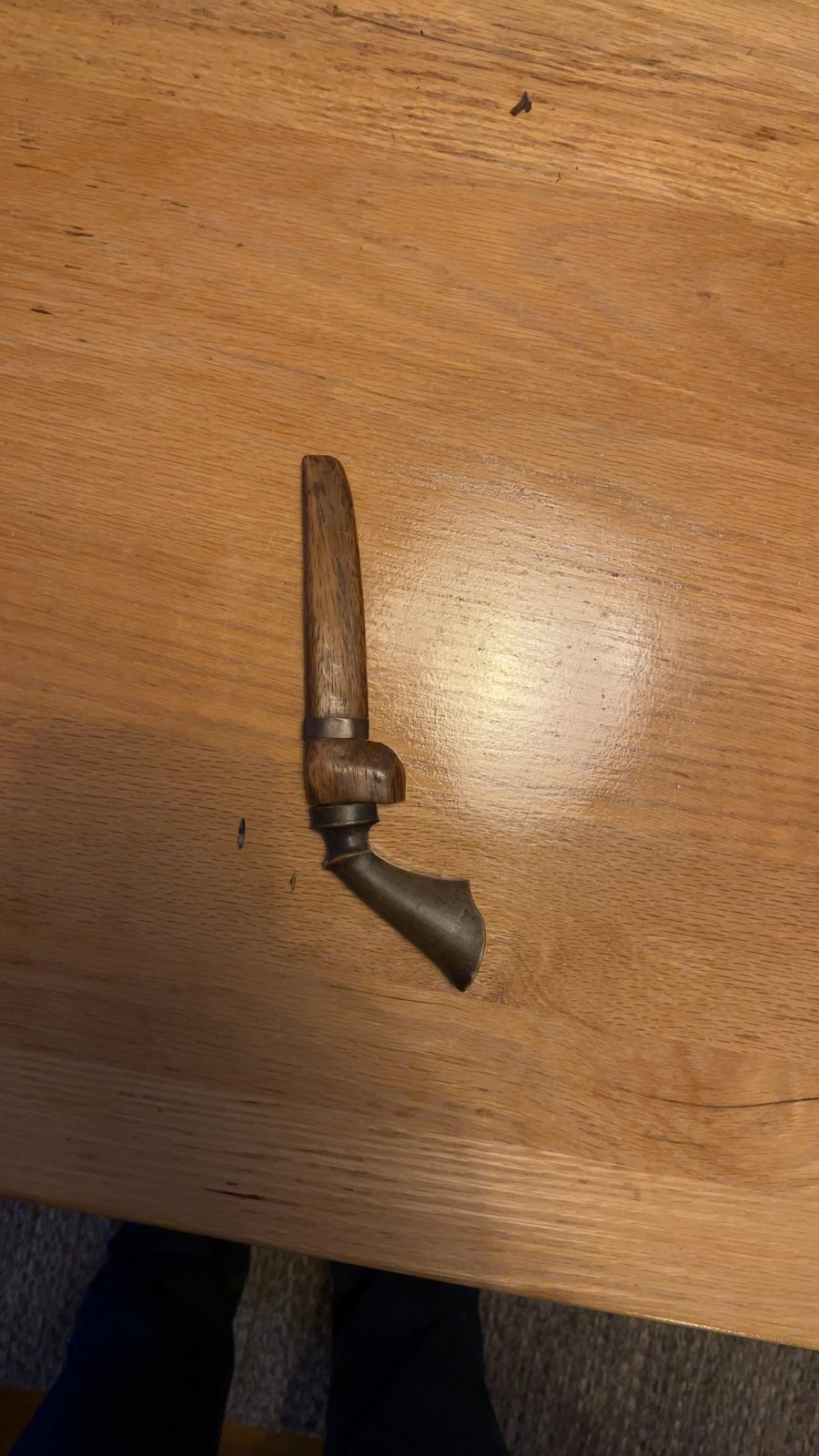
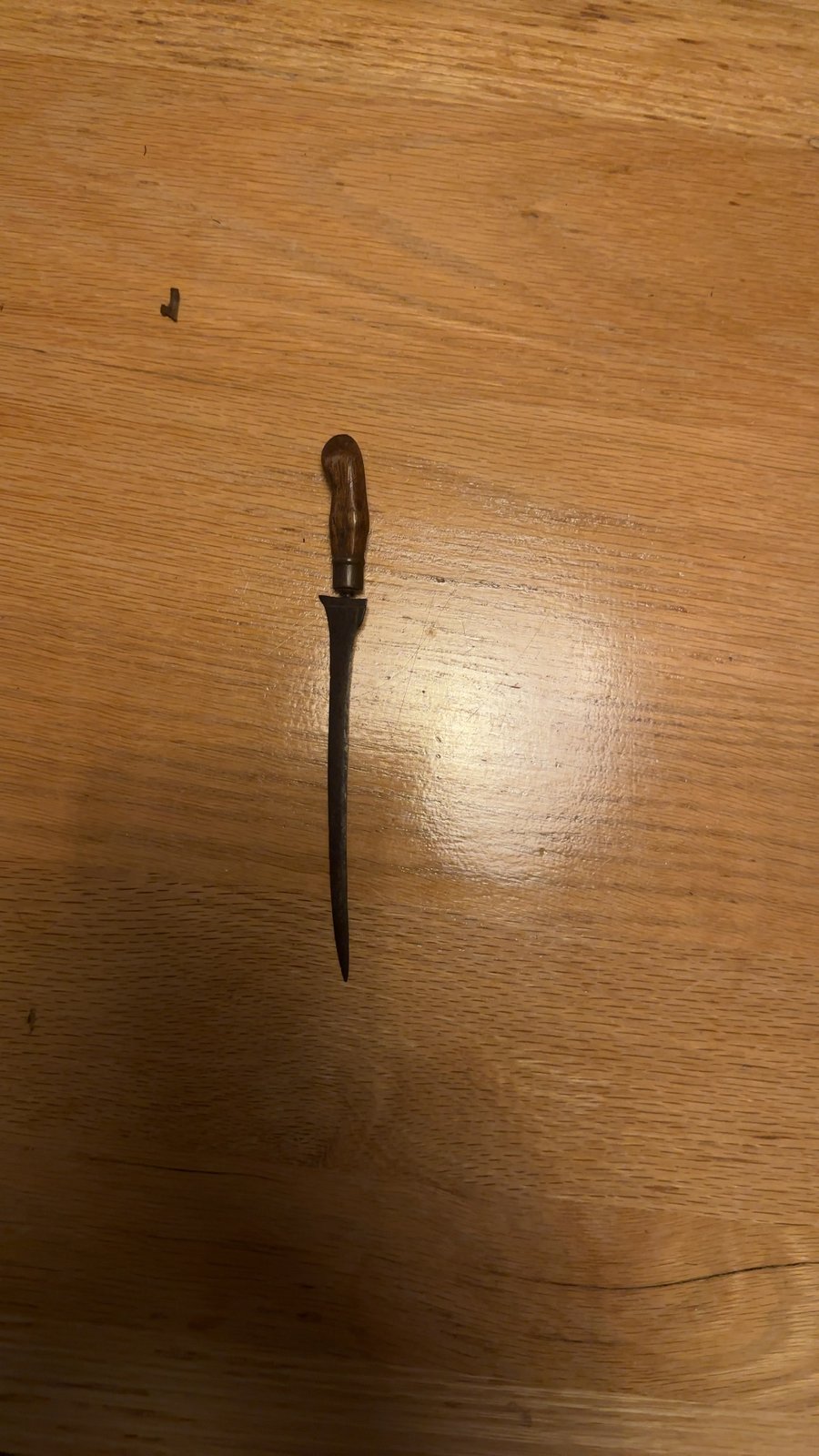
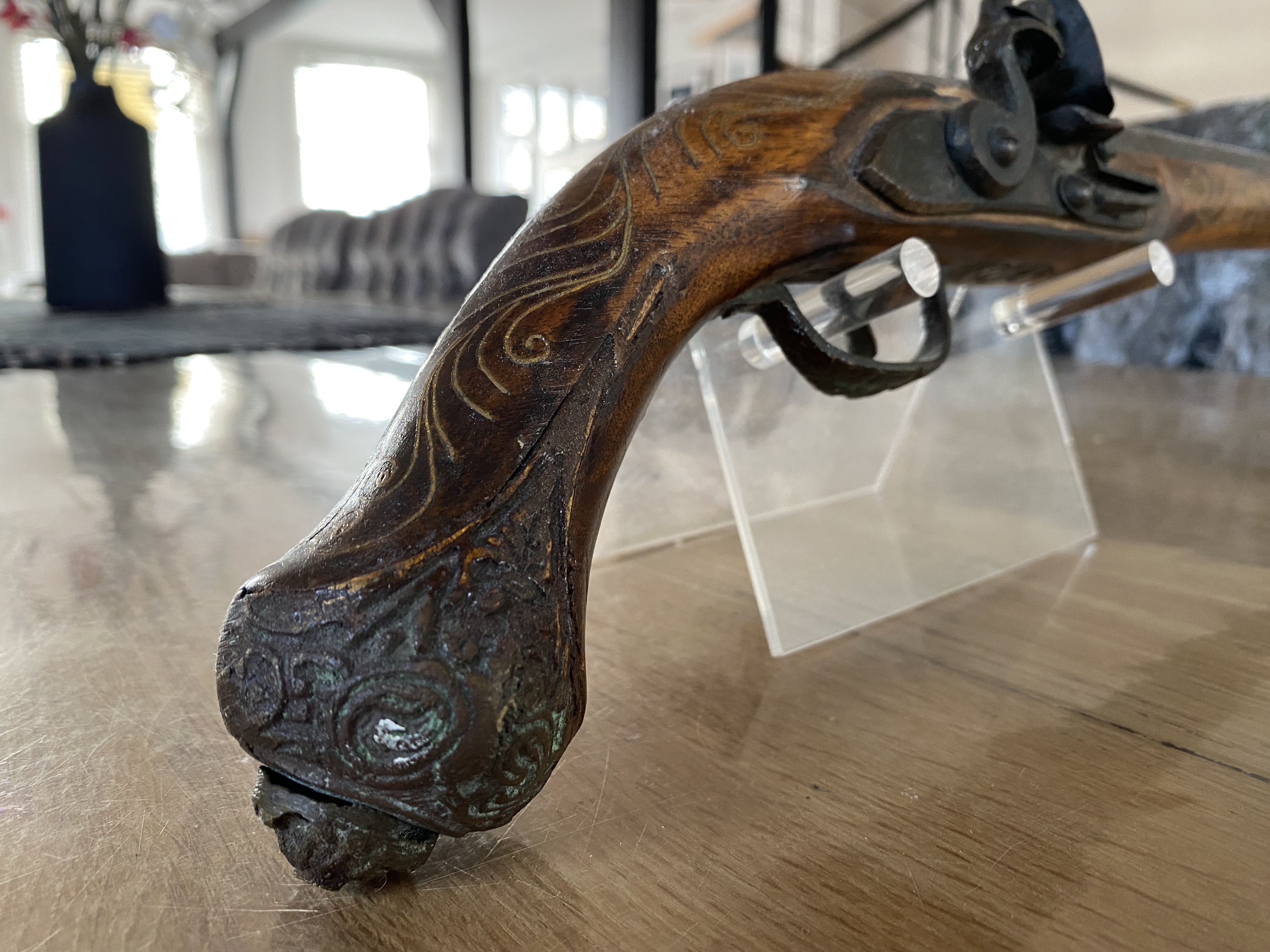
This appears to be a small dagger or knife, possibly a bolo variation, with a distinctive hilt and blade profile that evokes the aesthetics of Southeast Asian keris or kris daggers, though it lacks the characteristic wavy blade. The handle is carved wood, and the blade is a straight, somewhat narrow piece of metal. The overall construction suggests a utilitarian or ceremonial hand tool rather than a mass-produced weapon.
CULTURAL ECHOES
Where This Object Echoes
The hilt's form and separation into blade, guard, and sheath are resonant with traditional keris/kris daggers and other regional knives.
Small, functional daggers or knives with carved wooden handles and sheaths are common across many historical and indigenous cultures for utilitarian and ceremonial purposes.
Ritual & Ceremonial Use
- •Historically, such blades were not just tools but could be heirlooms, symbols of status, or carried for personal protection. Specific to keris, they are often used in ceremonies and believed to possess spiritual energy.
Meaning Through Time
Primarily a tool for survival, hunting, or personal defense, sometimes with ceremonial or spiritual significance.
Often retains cultural significance, becomes a collector's item, curio, or a reminder of regional craftsmanship, less often a primary tool.
HISTORICAL STORY
DID YOU KNOW?
The hilt design, particularly the angled 'pistol-grip' style, is common in many Southeast Asian daggers, providing a secure grip for thrusting and parrying.
Bolo knives often feature a convex blade profile near the tip, differing from the straight edge seen here, but the term can generally refer to a large, Philippine-origin single-edged knife.
MATERIAL & CONDITION
Surface
The wooden handle exhibits a smooth, aged patina, suggesting long handling and exposure. The metal blade shows significant dark oxidation and visible pitting, indicating age and lack of recent polish or protective coating. The metal guard or ferrule between blade and handle has a darkened, possibly bronze or iron appearance.
Weight & Feel
Based on its size and materials, it would likely feel light to moderately weighty, likely well-balanced for a hand-held implement.
Condition
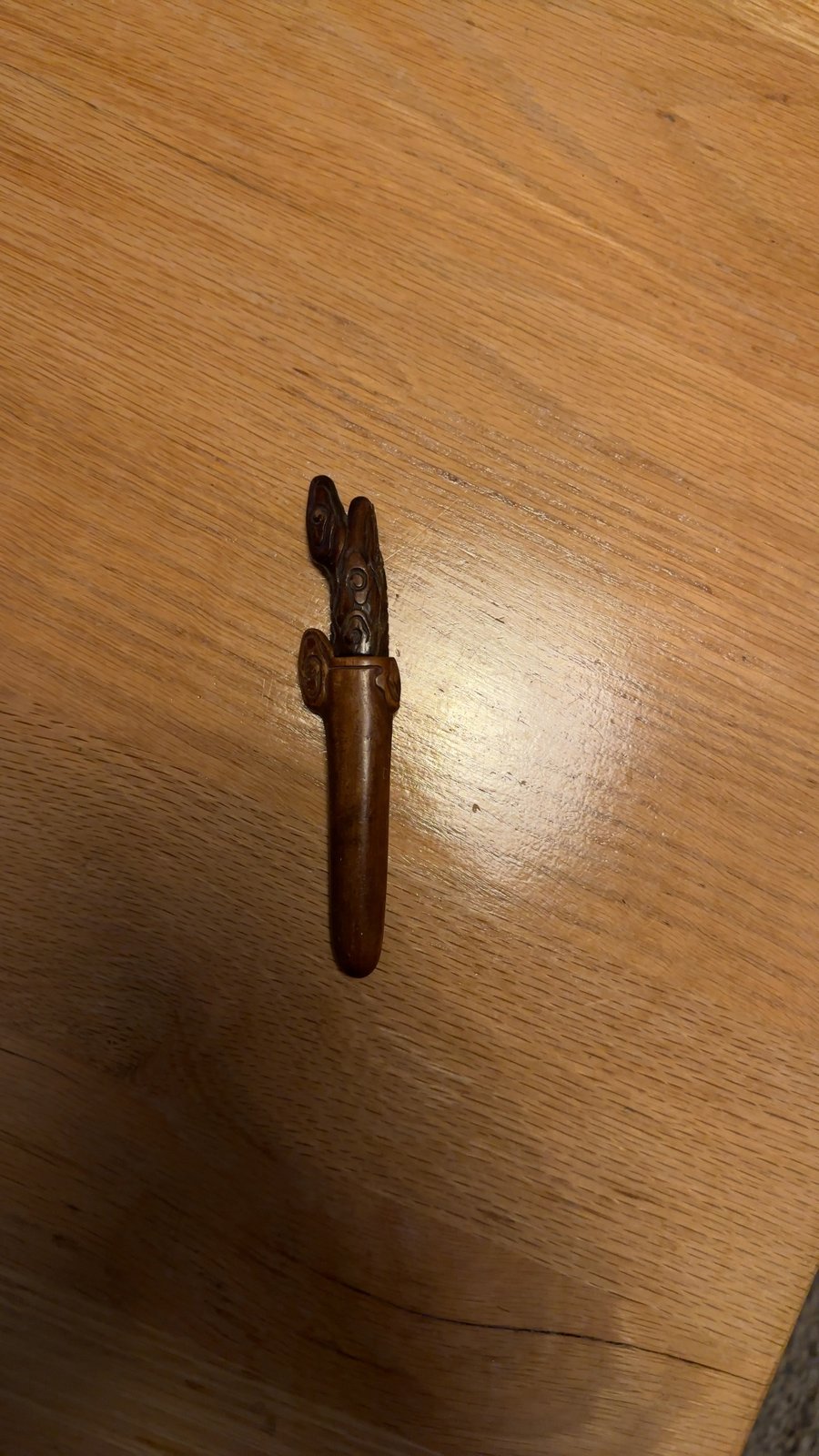
The blade is heavily oxidized and corroded, with visible pitting and edge wear, suggesting historical use and neglect. The wooden handle appears to be in fair condition, with minor scuffs consistent with age, but no major cracks or breaks are immediately apparent. The small wooden scabbard or sheath is similarly aged, showing surface wear.
RARITY ANALYSIS
Typical antique shop fare. Requires some searching but regularly available. This is where most genuine antiques fall.
Typical Characteristics
- Standard antique shop items
- Regularly available
- Moderate collector interest
EXPERT ANALYSIS
Trading Card Market Analyst
The visual evidence clearly indicates a type of dagger with a distinct ergonomic handle and a separate sheath. Its form factor allows for a confident estimation of its origin and era, despite the lack of specific markings.
KEY EVIDENCE
- 1Distinctive curved wooden handle and small, straight metal blade.
- 2Separate wooden sheath, indicating a complete set.
- 3Blade shows significant oxidation and pitting, characteristic of older carbon steel.
- 4Hilt design suggests influence from Southeast Asian dagger forms, though not a typical keris blade.
UNCERTAINTIES
- •Lack of identifying marks or symbols on the blade or handle.
- •Exact regional origin within Southeast Asia is not clearly discernible from images alone.
WHAT WOULD IMPROVE CERTAINTY
- →Examine the blade for any hidden etchings or maker's marks under better lighting.
- →Research regional knife designs from the Philippines, Indonesia, or Malaysia that feature similar hilt styles.
- →Determine the type of wood used for the handle and sheath, as this could help pinpoint origin.
ESTIMATED VALUE
Updated: Feb 26, 2026
- Market comparables from auctions & retail
- Condition, completeness & craftsmanship
- Current collector demand & trends
- Low = quick sale, high = patient seller
For informational purposes only, not a formal appraisal.
ABOUT MILITARIA
Military uniforms, weapons, medals, equipment, and war memorabilia.
Browse all MilitariaSHARE THIS CURIOSITY
Have your own curiosities to discover?
Scan Your Curiosity
COMMENTS
No comments yet. Be the first to share your thoughts!
Sign in to leave a comment