Indonesian Miniature Keris (Kris) Dagger
Estimated value
$15 - $45Rarity
Ordinary(3/10)Category
MilitariaEra
Circa 1940-1970Origin
🇮🇩 IndonesiaAuthenticity
INDONESIAN MINIATURE KERIS (KRIS) DAGGER: IDENTIFICATION
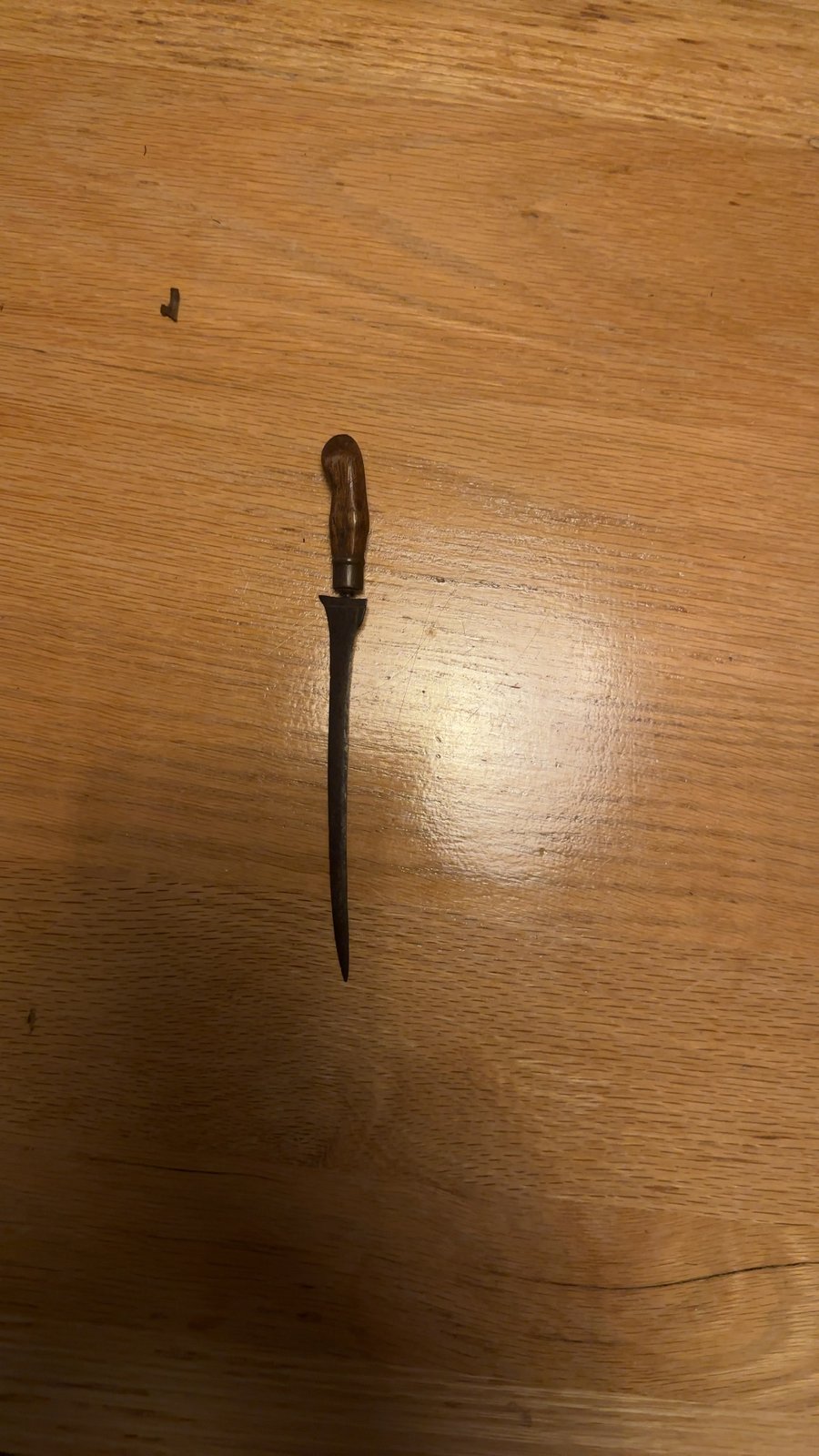
A miniature representative of the Indonesian keris, featuring a straight (lurus) blade of dark, patinated iron and a carved wooden hilt (hulu) in the stylized 'pistol grip' form common to central Java. The blade lacks visible pamor (layering) and exhibits a simple ganja (guard) integrated into the blade profile at the base. Compared to the floorboards, the total length appears to be approximately 10 to 12 cm, suggesting it was produced as a talismanic charm or a decorative miniature rather than a functional weapon.
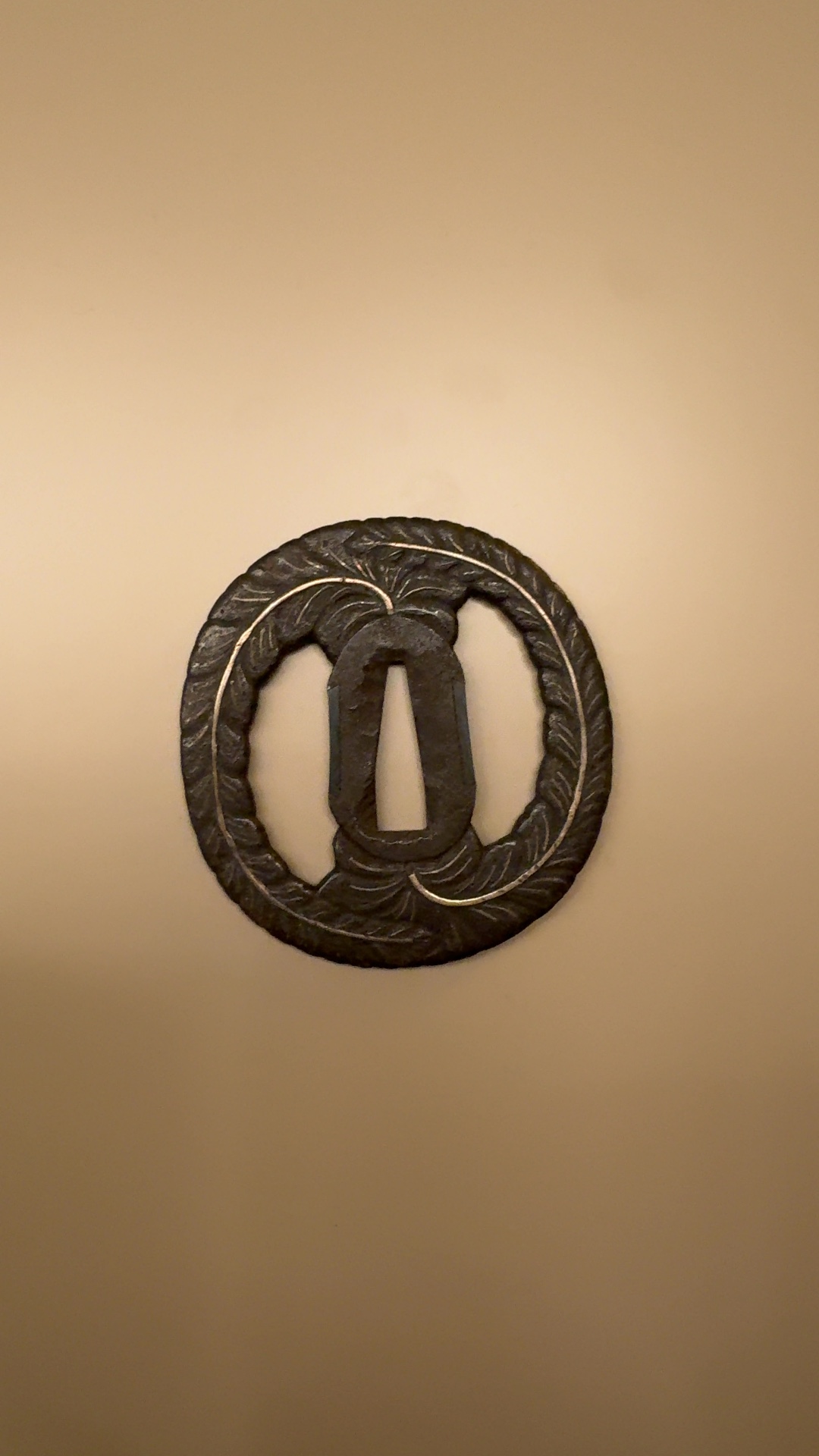
Compare with other militaria in the archive: 16th-17th Century Eastern European War Hammer (Nadziak), North African Miquelet-Lock Musket (Moukhala), Edo Period Iron Tsuba with Musashino Grass and Silver Inlay.
ISSUE & SERVICE HISTORY
COLLECTOR NOTES
UNESCO inscribed the Indonesian kris on the Representative List of the Intangible Cultural Heritage of Humanity in 2008.
SCARCITY
Standard antiques commonly found at estate sales and flea markets. Plentiful supply meets modest demand.
Rarity 3/10. Curiosa currently catalogues 21 militaria items at rarity 3 or higher.
Typical Characteristics
- Moderate production runs
- Common at estate sales
- Entry-level collectibles
Confidence Factors
- Simplistic construction suggests mass-produced souvenir or talismanic quality rather than high-art bladesmithing
- Visible separation at the bolster indicates a loose friction fit common in non-combat miniatures
MILITARY HISTORIAN'S TAKE
Militaria Historian
Identification of the object type and region is certain based on hilt and blade geometry, though exact age is difficult to pinpoint without inspecting the tang quality.
KEY EVIDENCE
- 1Blade profile includes the characteristic 'ganja' (asymmetric blade base) found in traditional Indonesian bladesmithing.
- 2Dark patina on the blade is consistent with arsenic-based warangan staining techniques.
- 3Scale relative to wood grain suggests a miniature size, characteristic of 'keris kecil' (small kris) talismans.
UNCERTAINTIES
- •Loose fit between hulu and blade tang indicates structural degradation or poor initial assembly.
WHAT WOULD IMPROVE CERTAINTY
- →Provide a photo of the blade base to check for 'pamor' layering.
- →Gently attempt to re-seat the hilt to determine if the tang is intact or broken.
- →Inspect the wooden hilt for fine cracks that may have caused the loosening.
CONDITION & GRADE
Condition
Significant detachment visible between the blade tang and the wooden hilt, showing internal structural weakness. The blade surface appears stable but displays minor pitting consistent with environmental oxidation.
MILITARIA VALUATION
Updated: May 11, 2026
Who buys this
Global ethnographic collectors and enthusiasts of Indonesian folk art or miniature weaponry.
What increases value
- •Presence of pamor (metal pattern) beneath the oxidation
- •Wood quality or intricate carving on the hilt
What lowers value
- •Detachment of hilt from blade significantly lowers collector interest
- •Small size limits the market compared to full-sized ceremonial blades
What makes top-tier examples
- •Meteoritic iron content in the blade
- •Finely carved hilt from exotic hardwoods like Sawo or Teak
Grade & condition
Stability of the hilt-to-blade connection and preservation of the dark blade finish.
Rarity & demand
For informational purposes only, not a formal appraisal.
SIMILAR CURIOSITIES
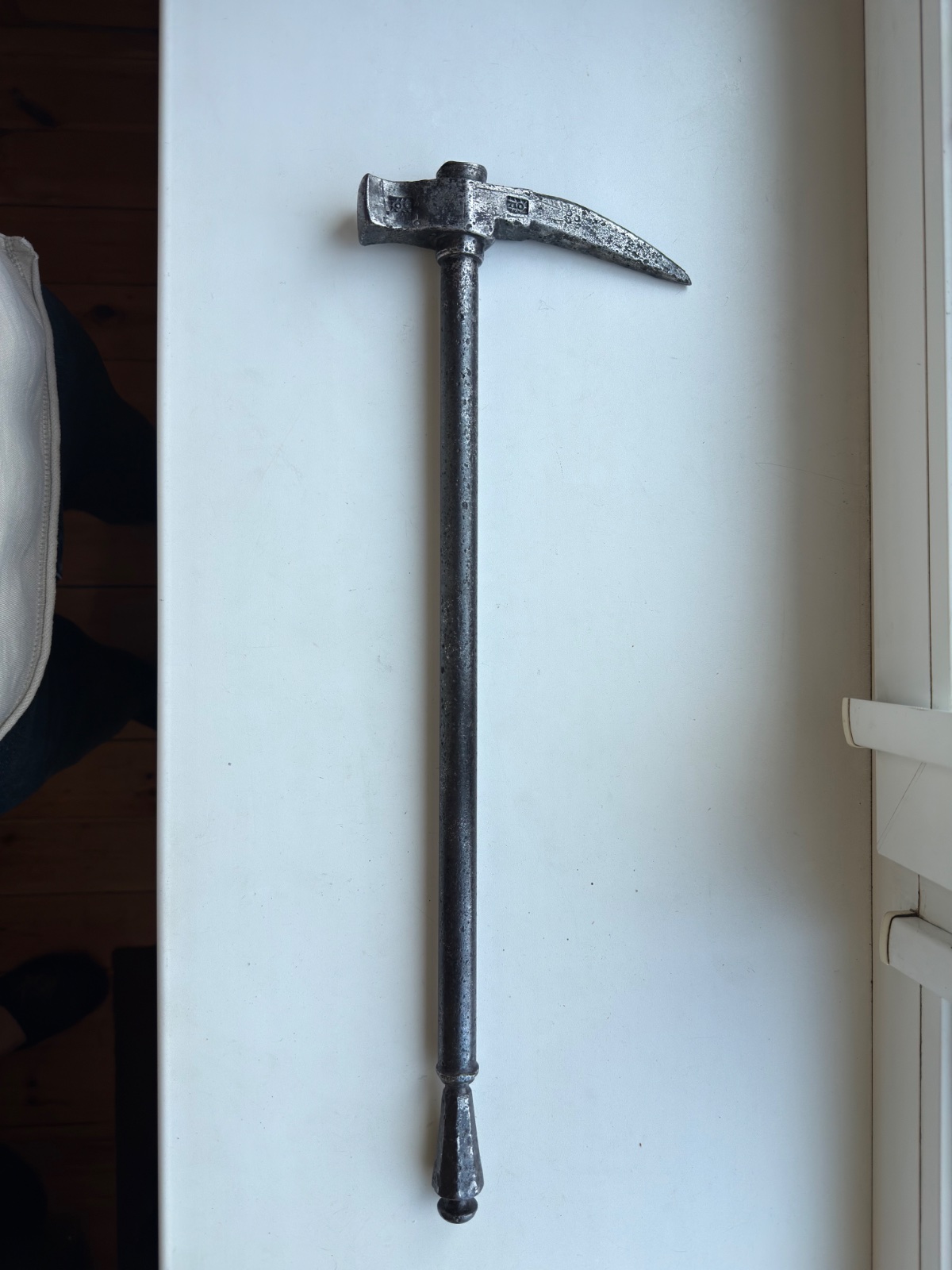
16th-17th Century Eastern European War Hammer (Nadziak)
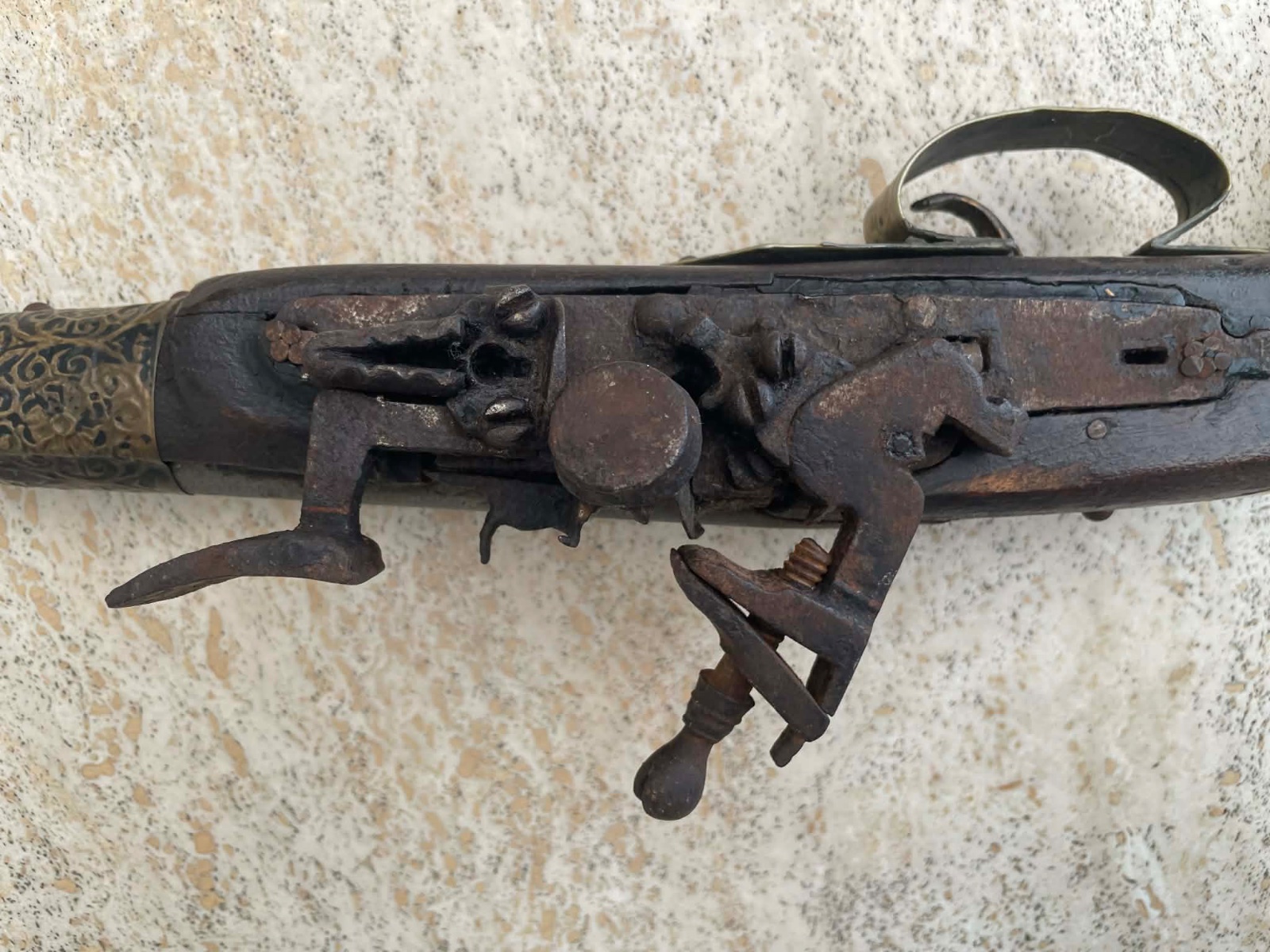
Ottoman Miquelet-Lock Pistol
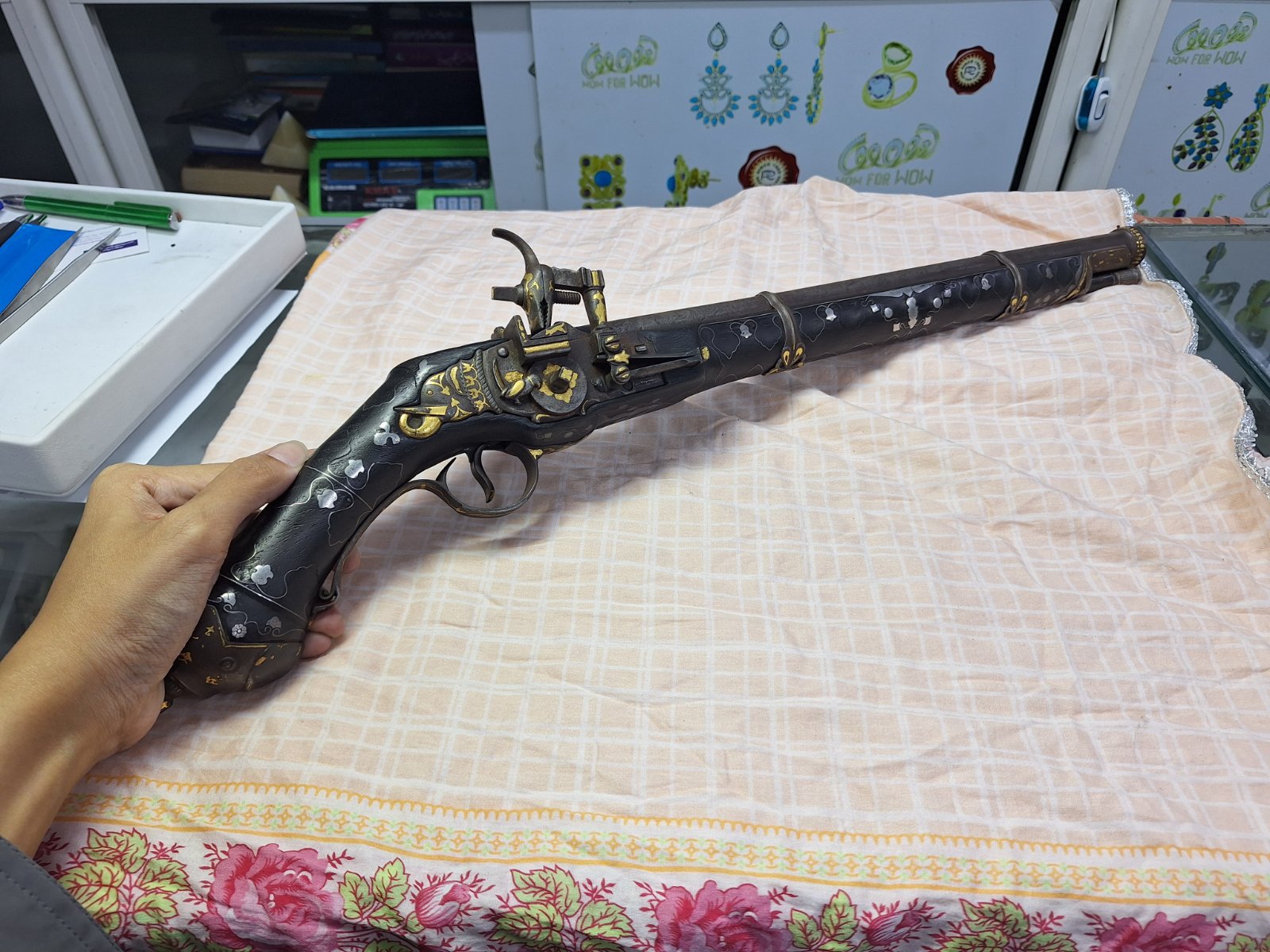
Ottoman Style Miquelet-Lock Pistol
British Pattern 1839 Muskatoon (T. POTTS LONDON)
Flintlock Blunderbuss
Edo Period Iron Tsuba with Musashino Grass and Silver Inlay
ABOUT MILITARIA
Military uniforms, weapons, medals, equipment, and war memorabilia.
Militaria value and rarity guideSHARE THIS CURIOSITY
Have your own curiosities to discover?
Scan Your Curiosity
COMMENTS
No comments yet. Be the first to share your thoughts!
Sign in to leave a comment