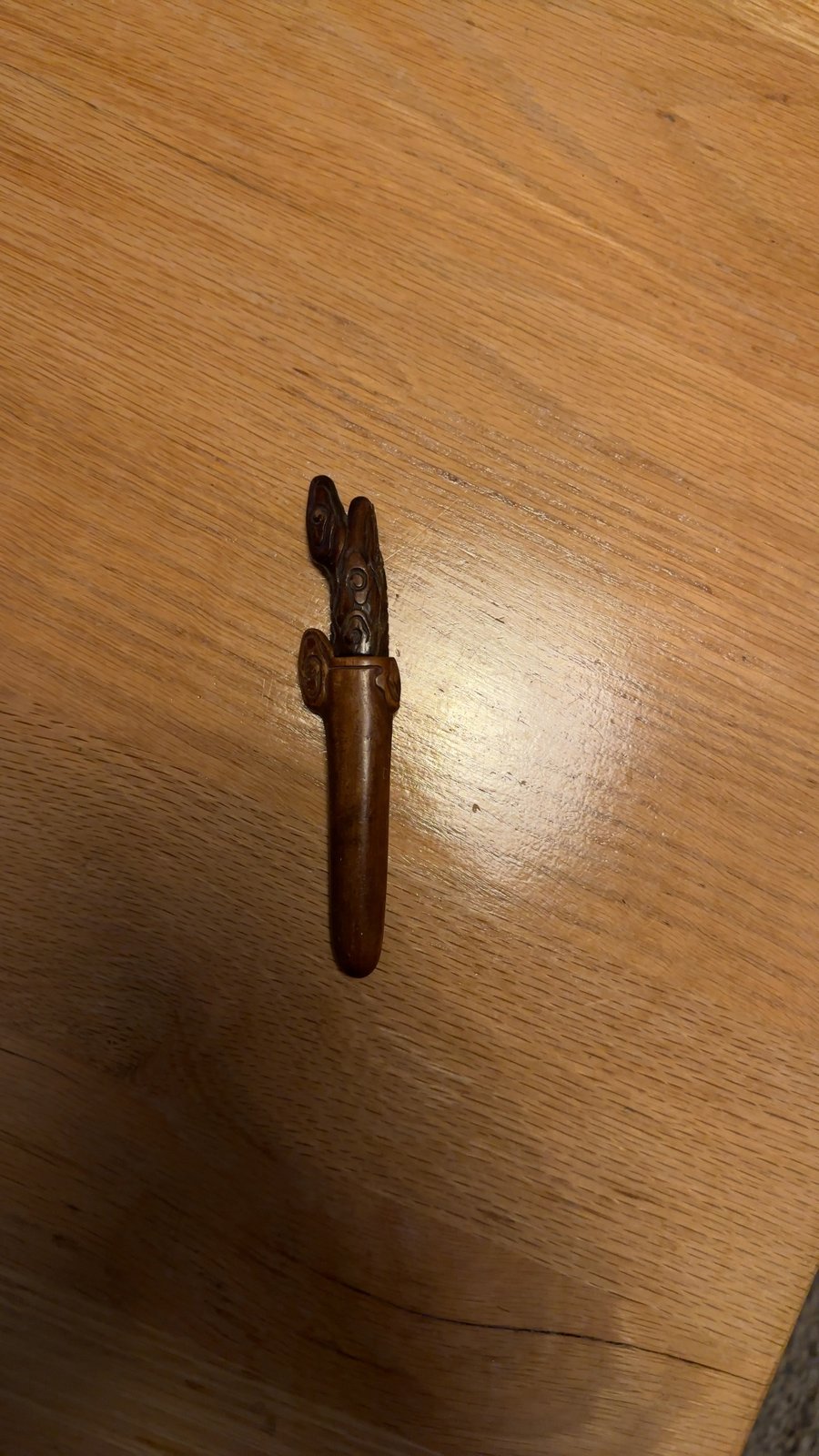
Kris Dagger with Wooden Sheath and Hilt
DESCRIPTION
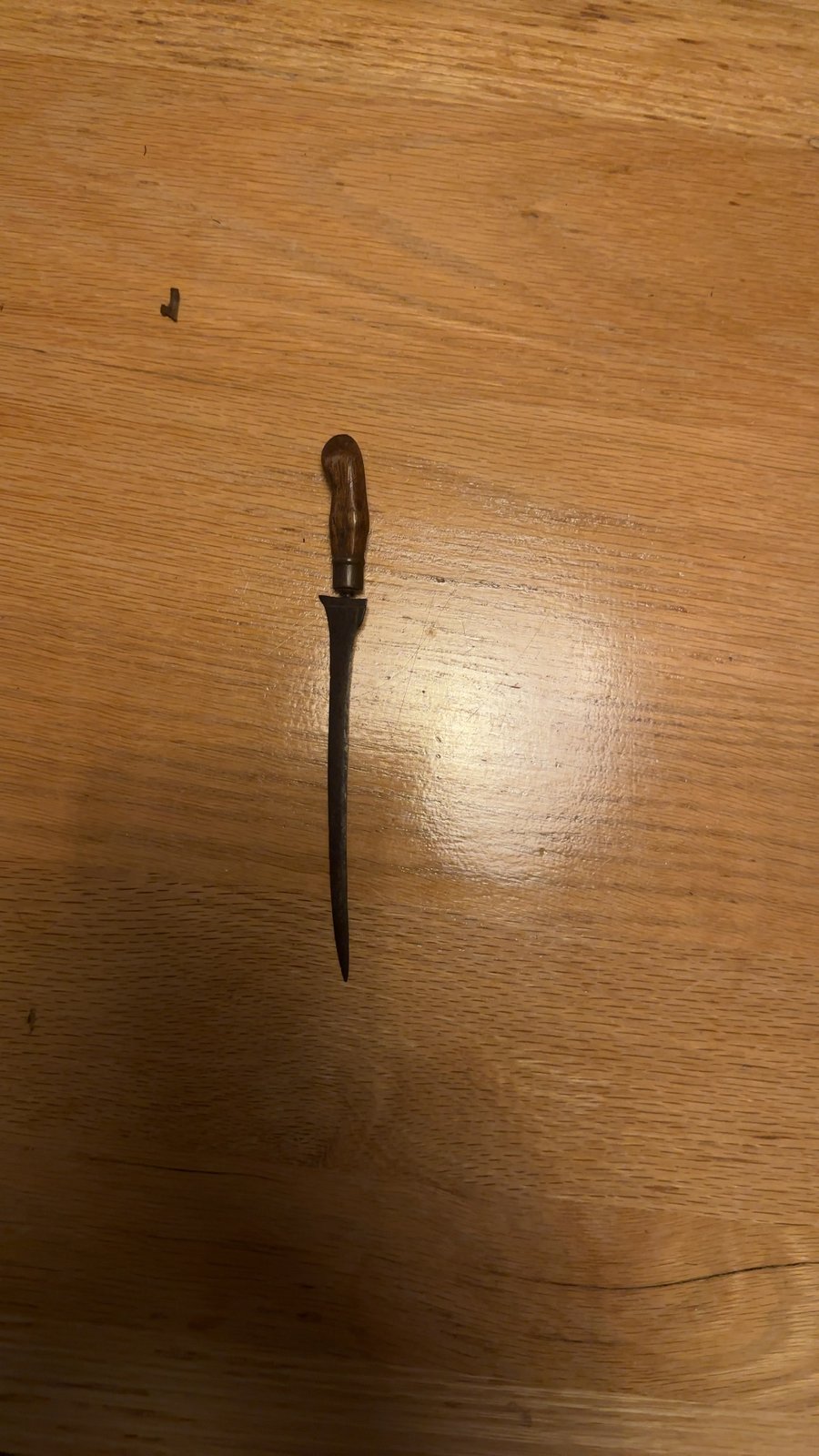
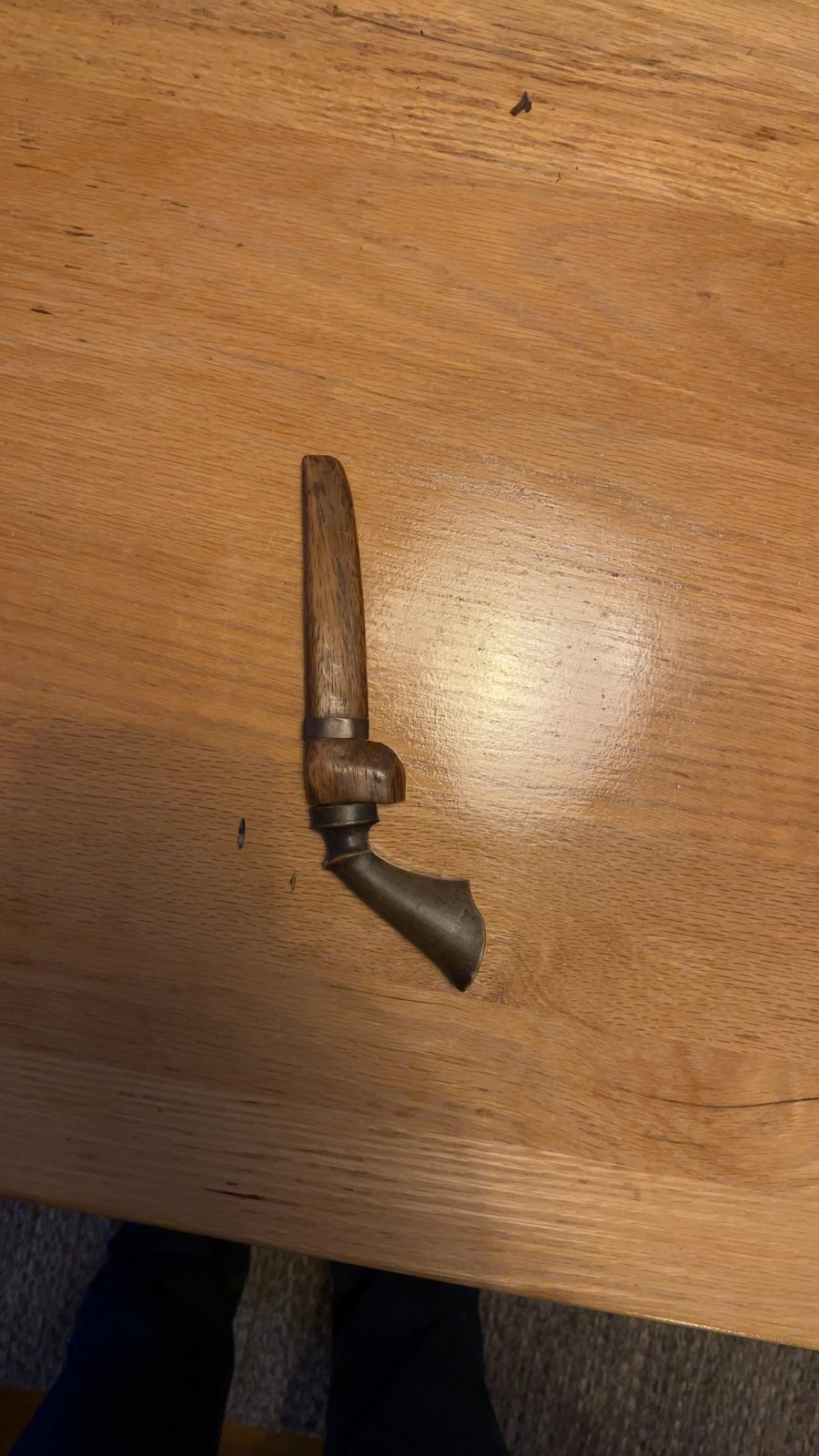
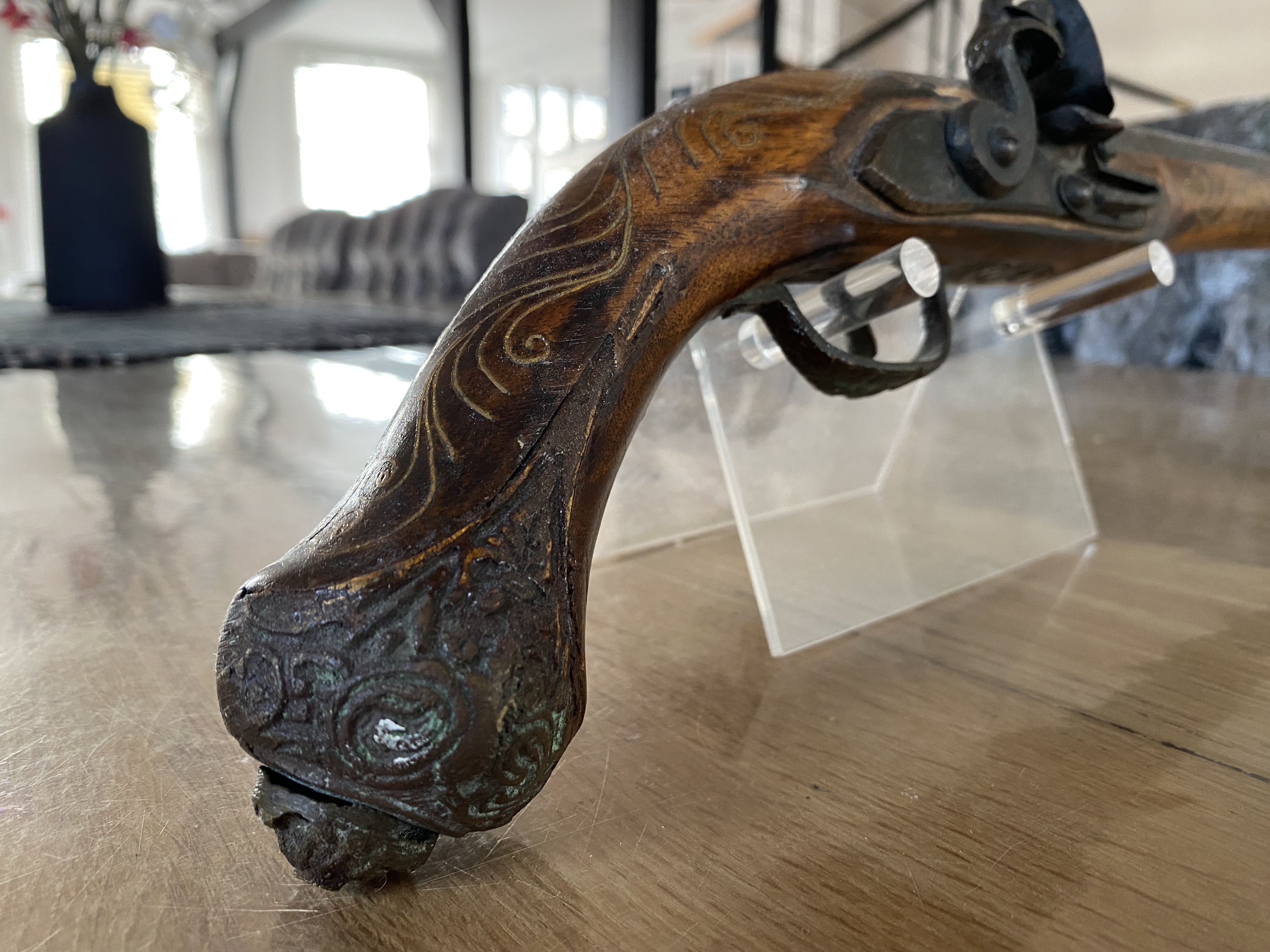
This appears to be a small kris dagger, characterized by its distinctive wavy blade and often intricate hilt and sheath. While traditionally the kris is a formidable weapon and spiritual object, this particular example, given its size and form, seems to be a miniature or ornamental version, possibly a letter opener or a souvenir. The hilt exhibits carved details, and the wooden sheath is designed to house the blade securely. The visible blade appears to be metallic and dark, consistent with aged iron or steel.
CULTURAL ECHOES
Where This Object Echoes
The kris originated in the Malay Archipelago and is deeply embedded in the cultural identity and martial traditions of various ethnic groups.
Javanese kris are renowned for their elaborate pamor patterns, highly symbolic hilt figures (like the 'hulu taya'), and complex forging techniques.
Ritual & Ceremonial Use
- •Pusaka: Kris often serve as pusaka (heirlooms), passed down through generations and treated with reverence, believed to embody the spirit of ancestors.
- •Ceremonial wear: Worn during traditional ceremonies, weddings, and state functions, signifying status and cultural heritage.
- •Spiritual protection: Believed to ward off evil spirits and bring good fortune, requiring specific care and sometimes ritual cleaning.
Meaning Through Time
Primarily a weapon of war and personal defense, imbued with magical and spiritual properties, reflecting social status.
Its use as a primary combat weapon declined, but it retained ceremonial and symbolic importance; smaller versions became popular as colonial souvenirs.
Recognized as a UNESCO Masterpiece of the Oral and Intangible Heritage of Humanity, celebrated as an art form and cultural icon, often collected as a historical artifact or decorative item.
HISTORICAL STORY
DID YOU KNOW?
Each kris is unique, and its forging process was traditionally accompanied by rituals, making it more than just a weapon but a sacred heirloom.
The distinctive wavy shape of many kris blades is not merely decorative; it is believed to enhance the cutting and piercing ability by creating a serpent-like movement as it’s thrust.
MATERIAL & CONDITION
Surface
The wooden hilt and sheath display a smooth, aged patina with visible carving details, indicating either hand-carving or machine-assisted hand-finishing. The blade has a dark, possibly oxidized or patinated metallic surface, suggesting ferrous metal.
Weight & Feel
Given its size and materials, it would likely feel light to moderately substantial in hand, consistent with wood and a small metal blade.
Condition
The item appears to be in relatively good condition for its age, with no obvious signs of significant damage to the wood or bending/chipping of the blade. The patina on both the wood and metal is consistent with age and typical handling.
RARITY ANALYSIS
Typical antique shop fare. Requires some searching but regularly available. This is where most genuine antiques fall.
Typical Characteristics
- Standard antique shop items
- Regularly available
- Moderate collector interest
EXPERT ANALYSIS
Militaria Historian
The object is clearly identifiable as a kris dagger due to its distinctive form. However, the lack of magnified detail on the blade's pamor, as well as the ambiguous nature of the hilt carvings, prevents a more precise attribution, resulting in a moderate confidence level for exact dating and origin.
KEY EVIDENCE
- 1Distinctive wavy blade and overall form consistent with a kris dagger.
- 2Carved wooden hilt and fitted sheath align with traditional regional styles.
- 3The small scale suggests it may be an ornamental piece, likely a letter opener or souvenir.
- 4Visible patina indicates age, supporting a period other than a brand-new replica.
UNCERTAINTIES
- •Lack of clear pamor pattern on the blade, making it harder to assess quality and origin.
- •Absence of maker's marks or specific regional stylistic indicators typically found on high-quality examples.
- •The specific carving style is common to many variations, not easily attributable to a single period or workshop without further detail.
WHAT WOULD IMPROVE CERTAINTY
- →High-resolution close-up photographs of the blade, especially to discern any pamor patterns.
- →Detailed images of the hilt and sheath carvings from multiple angles.
- →Provide specific dimensions (length of blade, overall length in sheath) for comparison to known types.
- →Research regional kris characteristics (e.g., Javanese, Balinese, Bugis) to attempt to narrow down stylistic origin.
ESTIMATED VALUE
Updated: Feb 26, 2026
- Market comparables from auctions & retail
- Condition, completeness & craftsmanship
- Current collector demand & trends
- Low = quick sale, high = patient seller
For informational purposes only, not a formal appraisal.
ABOUT MILITARIA
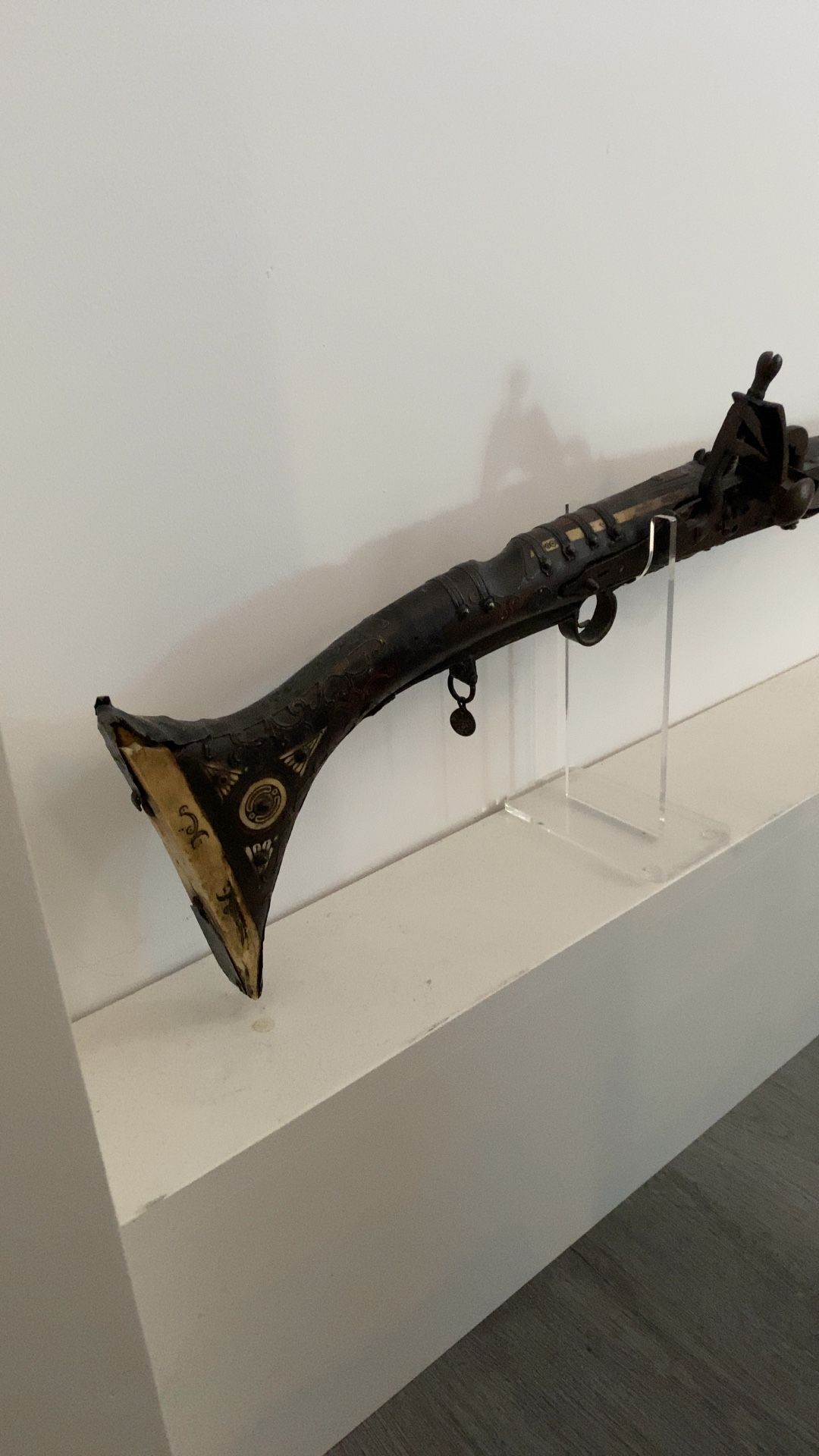
Military uniforms, weapons, medals, equipment, and war memorabilia.
Browse all MilitariaSHARE THIS CURIOSITY
Have your own curiosities to discover?
Scan Your Curiosity
COMMENTS
No comments yet. Be the first to share your thoughts!
Sign in to leave a comment