Mid-Century Modern Wooden Dining Chair
QUICK FACTS
Categories
Era
1960s-1970s
Origin
🌍 International
Rarity
Average (4/10)
Discovered
Jan 31, 2026
4 weeks ago
DESCRIPTION
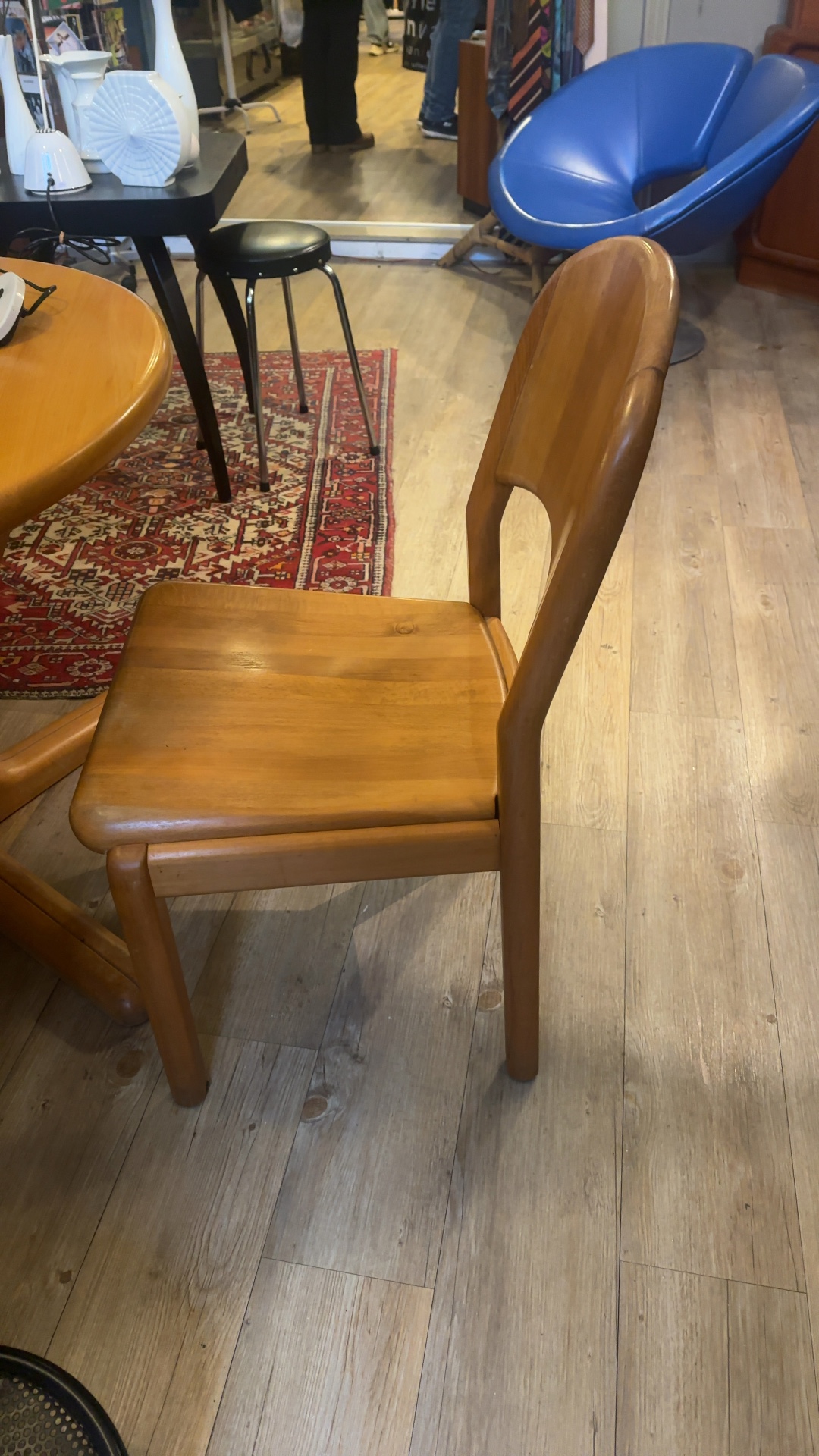
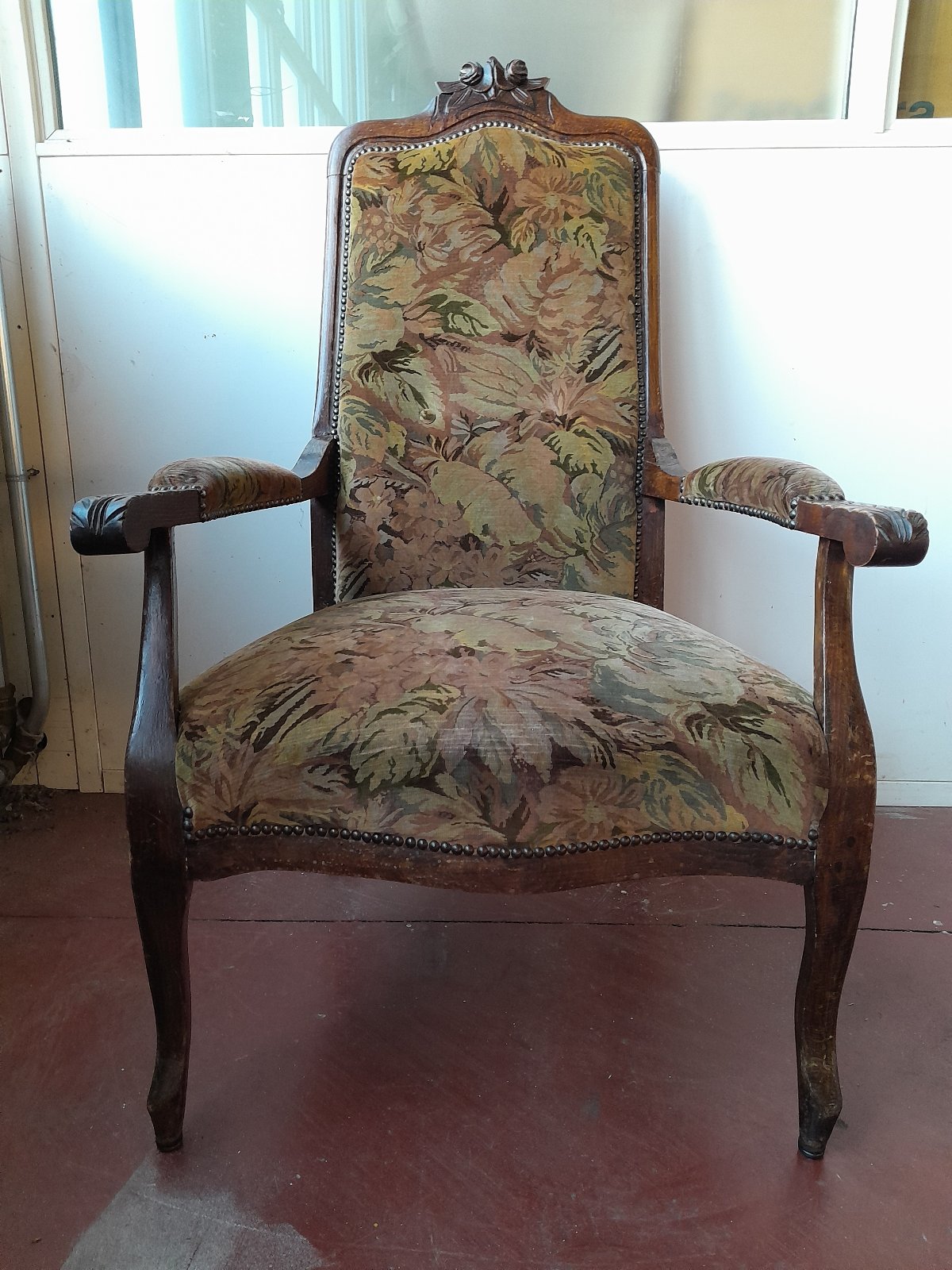
This appears to be a Mid-Century Modern solid wood dining chair, likely Scandinavian or European in origin, characterized by its clean lines, minimalist design, and an emphasis on natural materials. The chair features an elegant, slightly curved backrest with a cut-out detail, suggesting a blend of ergonomic consideration and aesthetic simplicity. The solid construction implies durability and a quality approach to design typical of the period.
CULTURAL ECHOES
Where This Object Echoes
This chair's clean lines, functional design, reliance on natural wood, and ergonomic curves are hallmarks of the Scandinavian Modern movement, which prioritized user comfort and aesthetic simplicity.
Many Italian designers also produced solid wood chairs with sculptural, often expressive forms and integrated handles or cut-outs, sharing a similar modernist spirit to their Scandinavian counterparts.
Ritual & Ceremonial Use
- •Dining and social gatherings in a domestic setting, where comfortable yet stylish seating was integral to modern entertaining.
- •The ritual of 'furnishing a home' in the mid-century, where functional design was a symbol of progress and good taste.
Meaning Through Time
Chairs were often ornate, heavily upholstered, and status symbols, reflecting traditional hierarchical social structures.
Chairs became symbols of democratic design, comfort, and functional beauty, embodying a modern, informal lifestyle.
HISTORICAL STORY
DID YOU KNOW?
The cut-out detail on the backrest, often called a 'hand-hold' or 'keyhole,' was a common feature in mid-century dining chairs, designed to make chairs easier to move and position.
Solid wood furniture from this era is highly valued for its durability and the natural patination that develops over decades of use, often enhancing its aesthetic appeal.
MATERIAL & CONDITION
Surface
The chair exhibits a smooth, warm-toned wood surface, possibly teak or a similar fruitwood, with a clear, relatively glossy finish that highlights the natural grain. There are some minor surface abrasions and superficial marks visible, consistent with age and use.
Weight & Feel
Based on the solid wood construction and the apparent thickness of the legs and seat, this chair would likely feel substantial and sturdy, rather than lightweight, suggesting good structural integrity.
Condition
Overall good vintage condition with expected wear. Visible minor scratches and scuffs on the wood surface, particularly on the seat and edges, but no major cracks or structural damage appear evident. The finish seems largely intact but might benefit from a gentle clean and polish.
RARITY ANALYSIS
Typical antique shop fare. Requires some searching but regularly available. This is where most genuine antiques fall.
Typical Characteristics
- Standard antique shop items
- Regularly available
- Moderate collector interest
EXPERT ANALYSIS
Furniture Historian & Restoration Specialist
Confidence is good based on clear visual evidence of design era and construction type, aligning with known Mid-Century Modern characteristics. However, the absence of maker's marks limits precise attribution.
KEY EVIDENCE
- 1Solid wood construction visible throughout, with a consistent grain pattern.
- 2Minimalist design with curved backrest and functional cut-out, indicative of Mid-Century Modern aesthetics.
- 3Proportion and form are typical of dining chairs from the 1960s-1970s.
- 4The finish and surface wear suggest genuine age rather than recent manufacturing.
UNCERTAINTIES
- •Lack of visible maker's marks or labels makes specific attribution difficult.
- •Could be part of a larger set, which might affect individual value vs. set value.
- •Wood species is not definitively identifiable from images alone.
WHAT WOULD IMPROVE CERTAINTY
- →Examine the underside of the seat and legs for any remaining labels, stamps, or impressed marks.
- →Close-up photos of the joinery, particularly where the legs meet the seat frame, to assess construction quality and techniques (e.g., mortise and tenon, dowels).
- →Inspect hardware (if any internal) for screw types which can assist in dating.
- →Test finish reaction to UV light or a small solvent swab to determine if it's original or a later overcoat.
ESTIMATED VALUE
Updated: Feb 27, 2026
- Market comparables from auctions & retail
- Condition, completeness & craftsmanship
- Current collector demand & trends
- Low = quick sale, high = patient seller
For informational purposes only, not a formal appraisal.
ABOUT INTERIOR
Furniture, lamps, lighting, chandeliers, decorative objects for the home.
Browse all InteriorSHARE THIS CURIOSITY
Have your own curiosities to discover?
Scan Your Curiosity
COMMENTS
No comments yet. Be the first to share your thoughts!
Sign in to leave a comment