French Rococo Revival Armchair
Authenticity
FRENCH ROCOCO REVIVAL ARMCHAIR: IDENTIFICATION
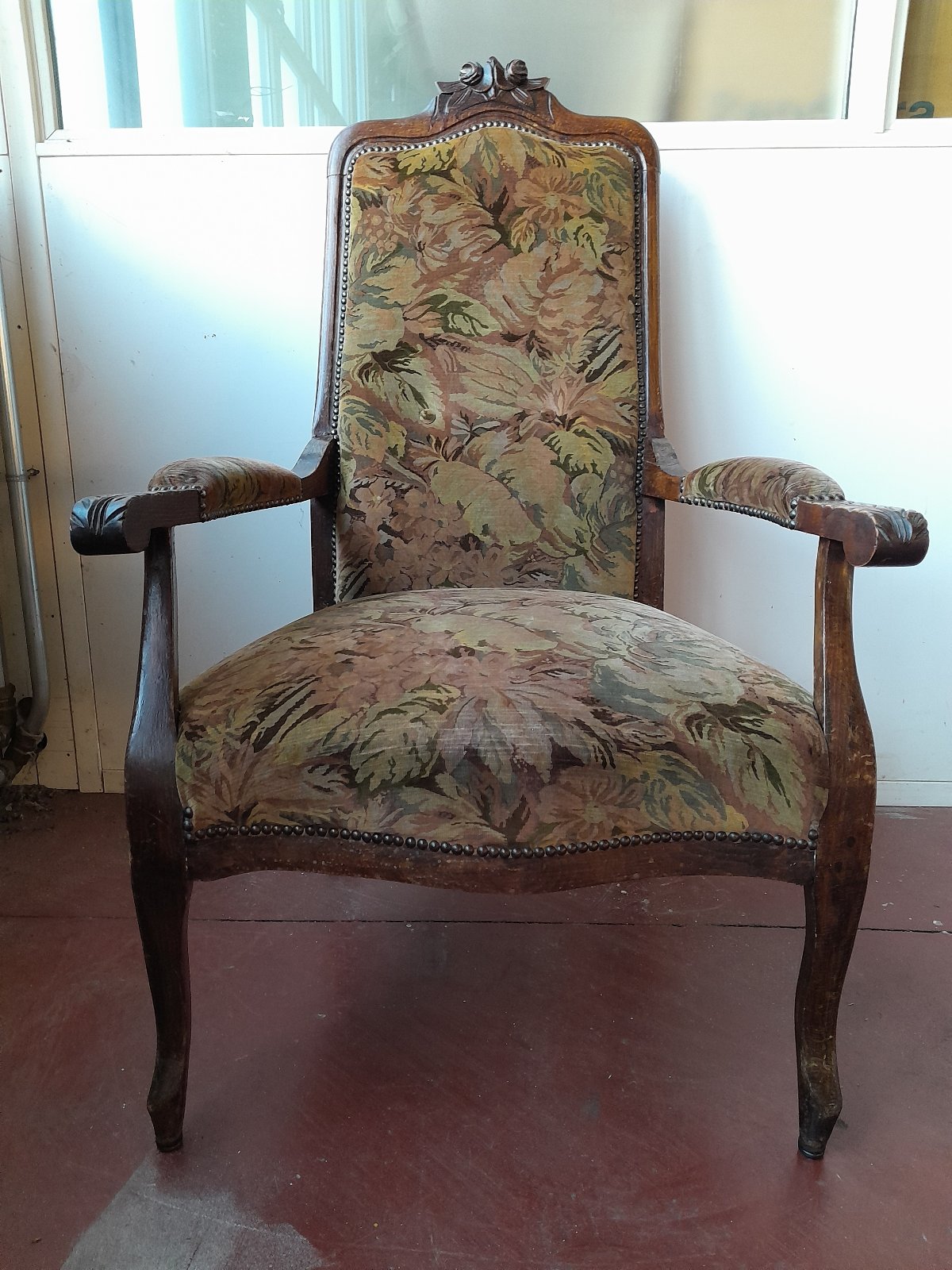
This appears to be a French Rococo Revival armchair, likely from the late 19th or early 20th century. My visual inspection highlights the carved crest rail with its shell and foliage motifs, and the curvilinear forms of the arms and cabriole legs. The upholstery, a floral tapestry-like fabric, is affixed with decorative nailheads, a common detail for this period.
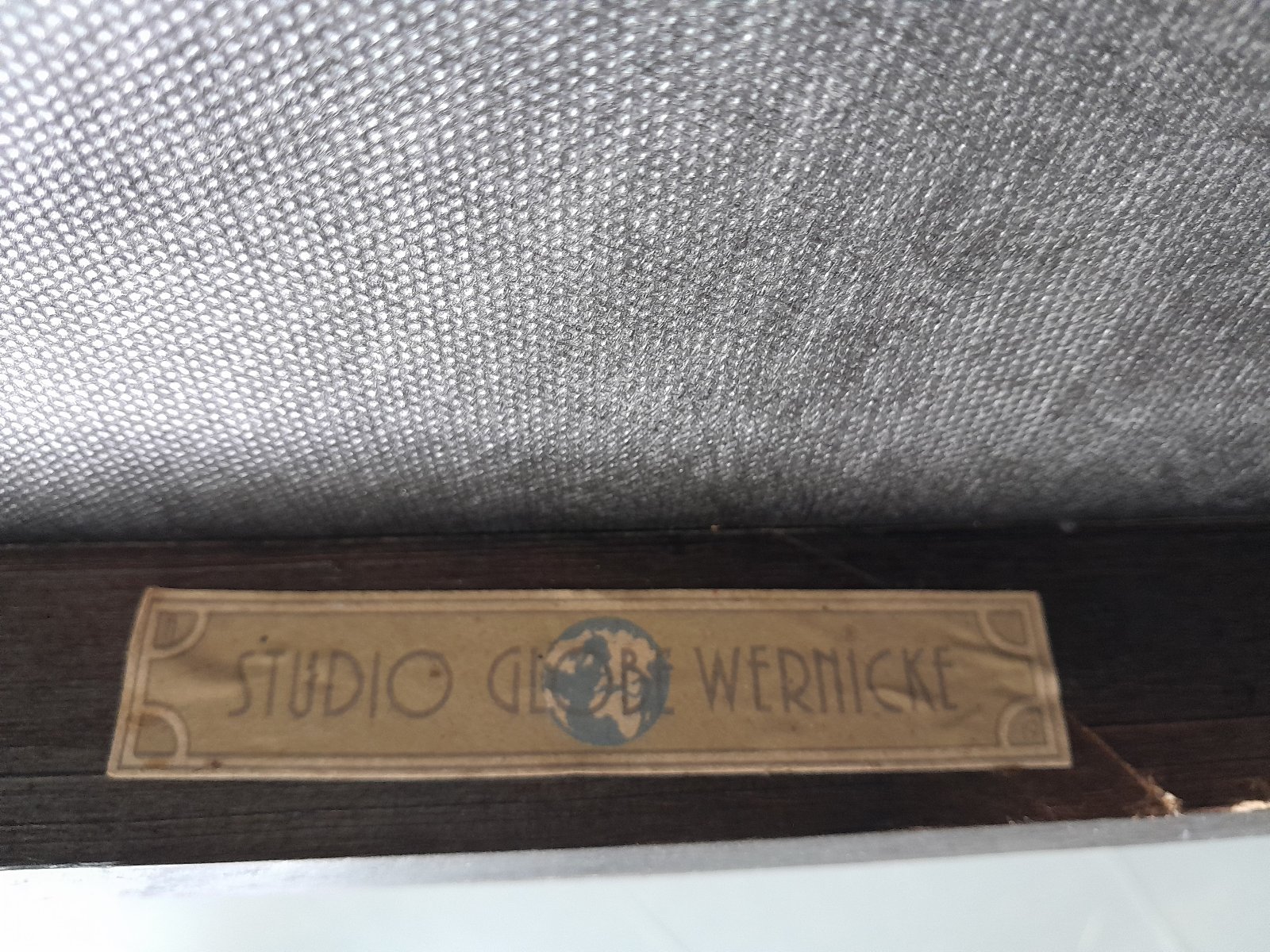
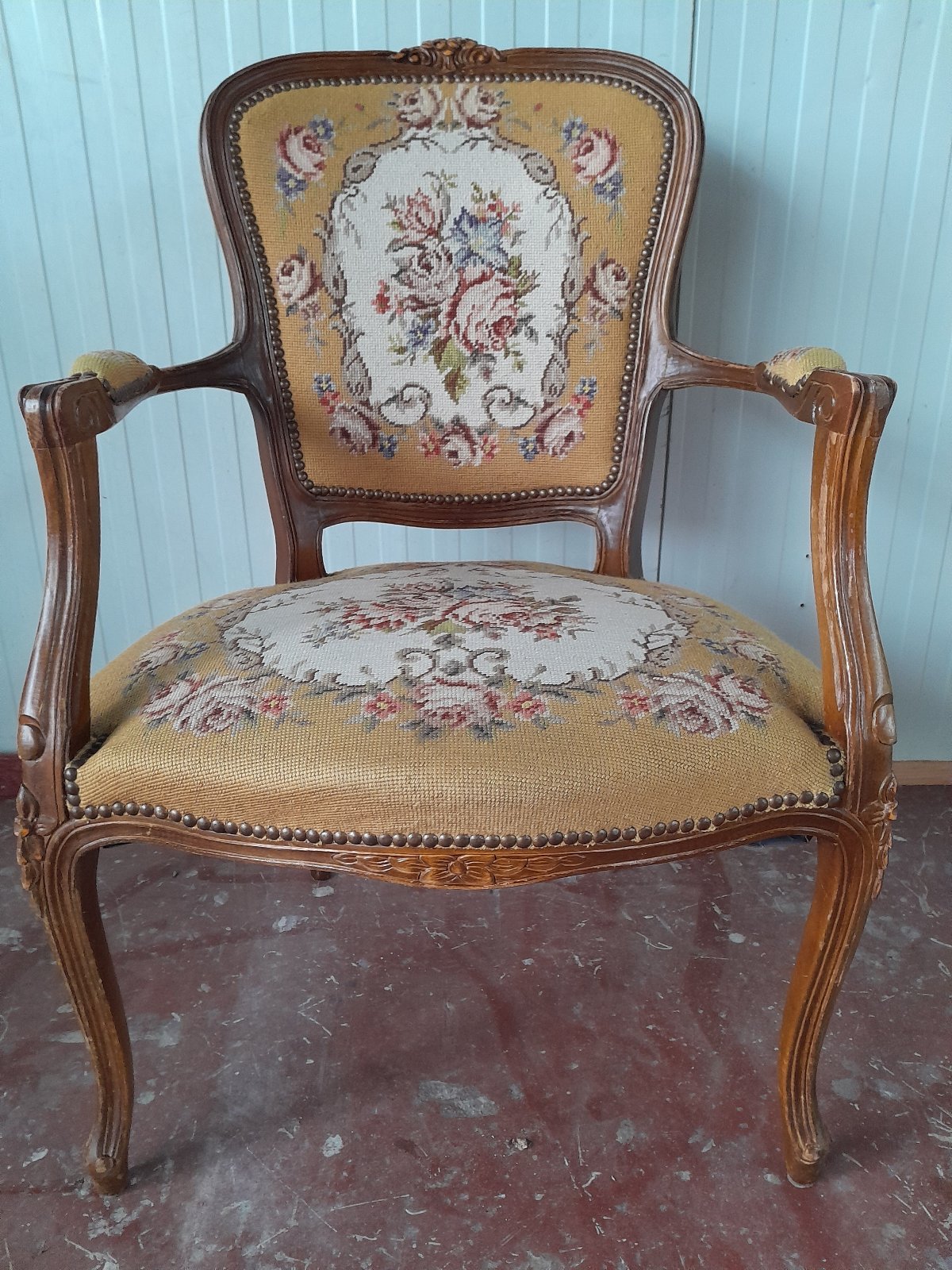
Compare with other interior pieces in the archive: Art Deco Club Chair, Art Deco Demi-Lune Club Chair by Studio G. B. Wernicke, Paolo Rizzatto - 265 Wall Lamp (Flos, 1973) White.
SCARCITY
Typical antique shop fare. Requires some searching but regularly available. This is where most genuine antiques fall.
Rarity 4/10. Curiosa currently catalogues 15 interior items at rarity 4 or higher.
Typical Characteristics
- Standard antique shop items
- Regularly available
- Moderate collector interest
Confidence Factors
- No visible maker's marks or labels to confirm origin or period beyond stylistic cues.
- Reproduction Rococo Revival chairs were made for many decades; distinguishing a late 19th-early 20th century piece from a mid-20th century interpretation can be difficult without closer inspection of joinery and internal construction.
- Upholstery is old, but its originality to the chair's first period of manufacture (rather than an early re-upholstery) is not confirmable visually.
DESIGN HISTORIAN'S TAKE
Furniture Historian & Restoration Specialist
The visual cues strongly suggest a Rococo Revival style from the late 19th to early 20th century. My confidence is high regarding the stylistic identification, but moderate on exact dating and provenance due to the lack of visible construction details or maker's marks.
KEY EVIDENCE
- 1Distinctive carved shell and foliage motifs on the crest rail and arm supports, characteristic of Rococo Revival.
- 2Cabriole legs and curvilinear frame reflect French Rococo aesthetics.
- 3Decorative nail head trim secures the upholstery, a common period application.
- 4The dark, aged wood finish and wear patterns suggest significant age, consistent with turn-of-the-century furniture.
- 5The floral tapestry-like upholstery is typical of the decorative preferences of the late 19th and early 20th centuries.
UNCERTAINTIES
- •Lack of visible maker's marks or labels.
- •Uncertainty regarding the originality of the upholstery.
- •Potential for modern reproduction mimicking period style without clear construction insights.
WHAT WOULD IMPROVE CERTAINTY
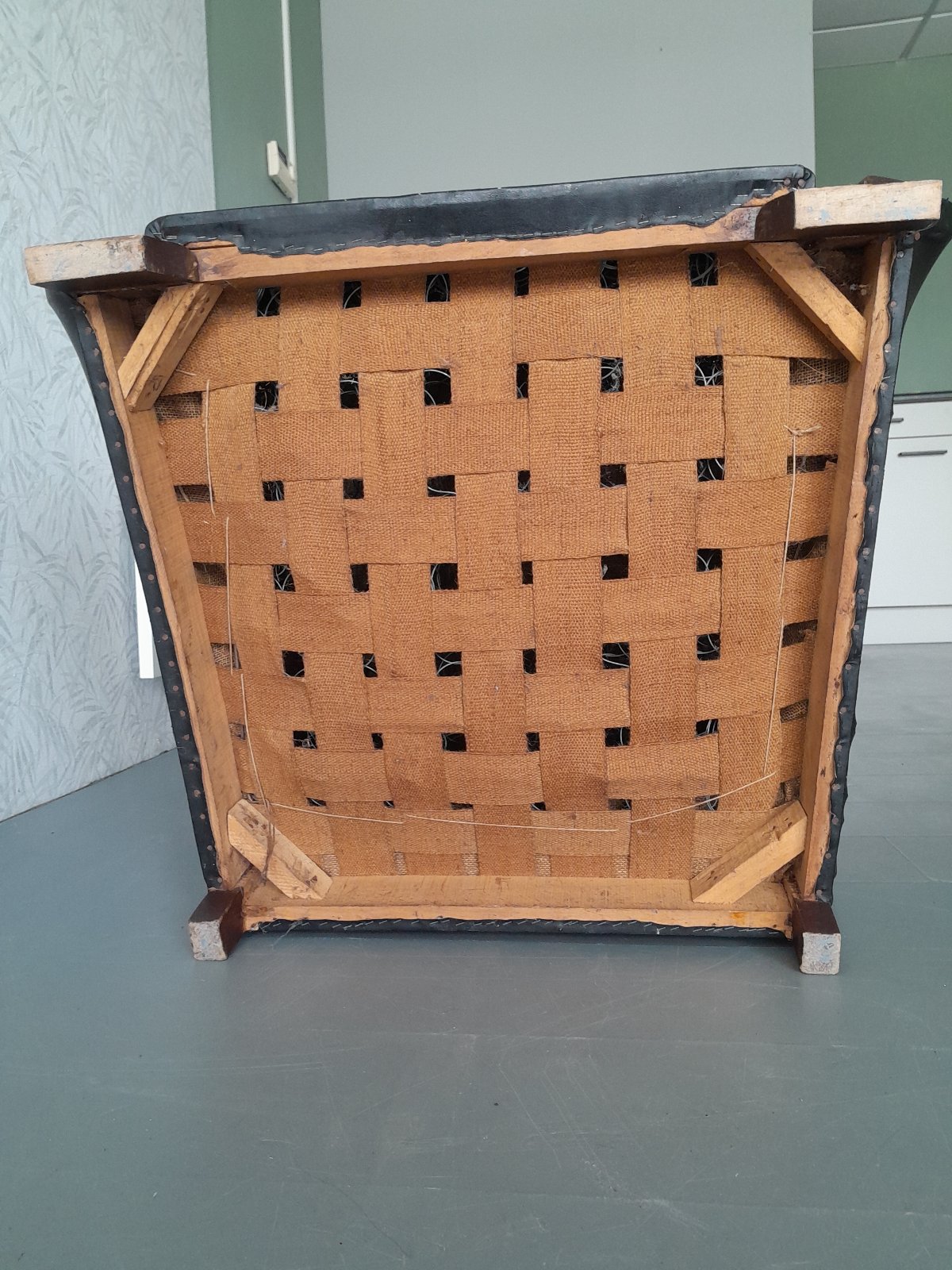
- →Examine the underside of the chair for any labels, stamps, or chalk marks.
- →Photograph the joinery (e.g., where legs meet frame, arm attachment points) for evidence of hand-cut versus machine-cut connections.
- →Remove a few nailheads or carefully inspect under the upholstery edge to assess construction methods and secondary wood species.
- →Inspect hardware (e.g., any screws used) for type and tooling marks.
- →Test the finish (e.g., UV light) for any evidence of later restoration or overpainting.
CONDITION & GRADE
Condition
The chair appears structurally sound, though there is general wear to the wood finish, particularly on the lower portions of the legs. The upholstery shows signs of age, including some minor fraying and potential dirt accumulation, suggesting it may be original or an early re-upholstery. The securing nailheads appear largely intact.
DESIGN MARKET VALUE
Updated: Feb 27, 2026
- Market comparables from auctions & retail
- Condition, completeness & craftsmanship
- Current collector demand & trends
- Low = quick sale, high = patient seller
For informational purposes only, not a formal appraisal.

ABOUT INTERIOR
Furniture, lamps, lighting, chandeliers, decorative objects for the home.
Interior value and rarity guideSHARE THIS CURIOSITY
Have your own curiosities to discover?
Scan Your Curiosity
COMMENTS
No comments yet. Be the first to share your thoughts!
Sign in to leave a comment