Ottoman-style Flintlock Pistol (Replication)
Estimated value
$50 - $200Rarity
Common(2/10)Category
MilitariaEra
Late 20th to Early 21st Century (Reproduction)Origin
🌍 InternationalAuthenticity
OTTOMAN-STYLE FLINTLOCK PISTOL (REPLICATION): IDENTIFICATION
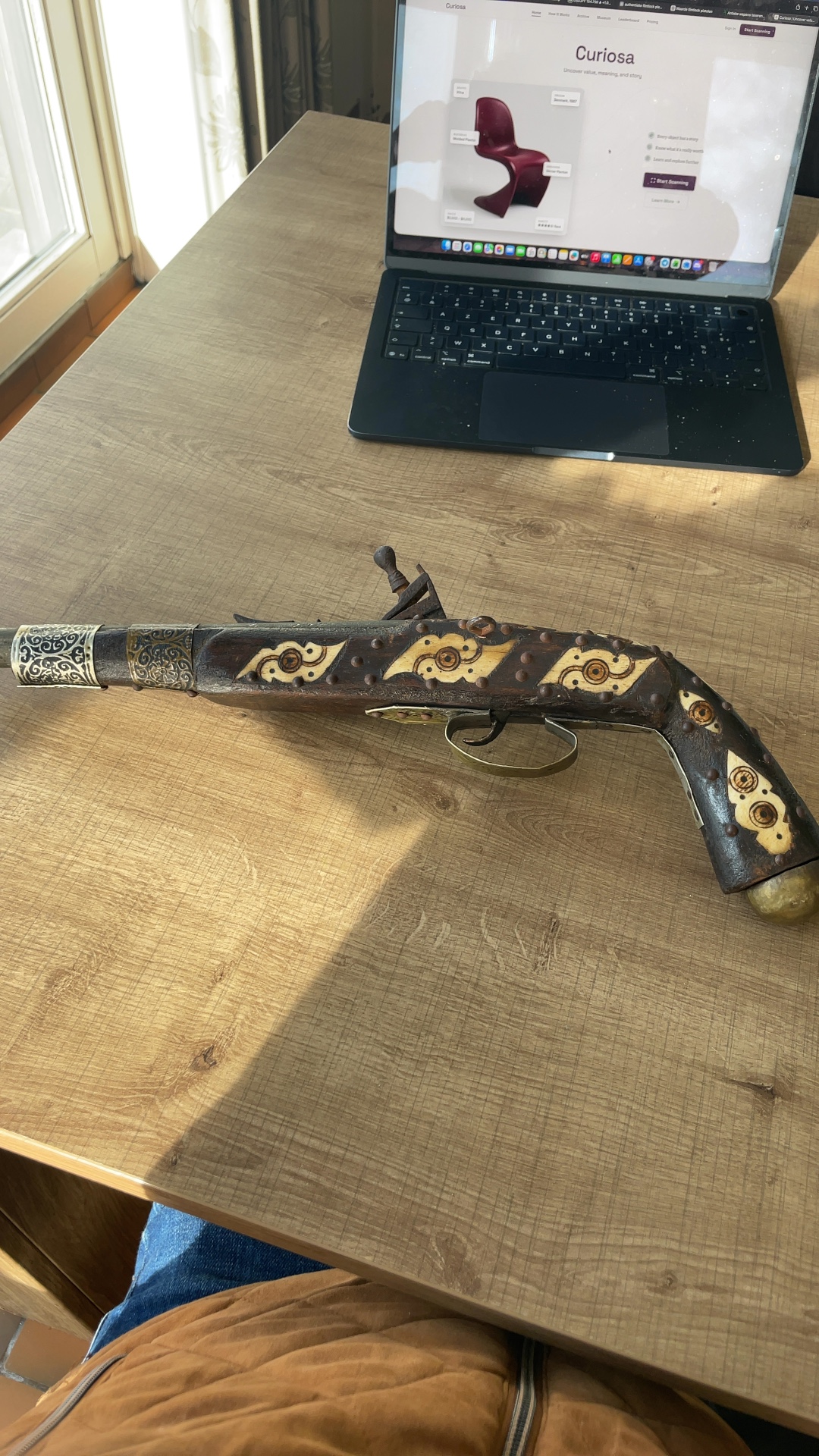
This appears to be a decorative flintlock pistol, drawing inspiration from Ottoman-era designs, rather than a functional firearm. The stock is crafted from dark wood, possibly walnut, and is elaborately inlaid with lighter material, likely bone or a similar composite, forming intricate concentric and swirling patterns. Numerous brass or copper tacks are used to further embellish the grip and fore-end. The metal components, including the barrel, lock mechanism, and trigger guard, show signs of oxidation and surface wear. The lack of clear proof marks or a sophisticated firing mechanism strongly suggests this is a modern decorative piece, likely intended for display.
Compare with other militaria in the archive: 16th-17th Century Eastern European War Hammer (Nadziak), North African Miquelet-Lock Musket (Moukhala), Edo Period Iron Tsuba with Musashino Grass and Silver Inlay.
SCARCITY
Older mass-produced items still widely available. Easy to find on eBay, antique malls, and estate sales in large quantities.
Rarity 2/10. Curiosa currently catalogues 24 militaria items at rarity 2 or higher.
Typical Characteristics
- Mass produced historically
- High survival rate
- Readily available everywhere
Confidence Factors
- Lack of discernible historical proof marks or armorer's stamps indicative of a functional period firearm.
- The overall finish and construction style are typical of modern decorative reproductions, not highly valuable antique firearms.
- The simplicity of the firing mechanism; a true flintlock would typically exhibit more sophisticated internal components.
- The wood and inlay appear relatively robust and less worn than expected for a genuine antique, despite surface patination.
Expert review recommended. Consider consulting a specialist before making purchasing decisions.
MILITARY HISTORIAN'S TAKE
Militaria Historian
Confidence is high that this is a decorative reproduction based on the visible construction, design elements associated with replicas, and the general lack of complex, functional firearm mechanisms or historical proof marks. These features are highly consistent with items made for display rather than as working weapons.
KEY EVIDENCE
- 1Decorative inlay patterns and prominent tacks are common features of Ottoman-inspired replica firearms.
- 2The lack of obvious proof marks or armory stamps, which would be crucial for a genuine firearm.
- 3The simplified nature of the flintlock mechanism visible, suggesting it may not be fully functional or rated for live fire.
- 4Overall aesthetic suggests mass-produced decorative item rather than a hand-crafted battle-ready weapon.
UNCERTAINTIES
- •No visible firing pin or touchhole for powder ignition, which is critical for a functional flintlock.
- •The current legal status for possessing or transferring replica firearms resembling antiques can vary by jurisdiction, even if non-firing.
WHAT WOULD IMPROVE CERTAINTY
- →Inspect closely for any markings (proof marks, maker's marks, serial numbers) on the barrel, lock plate, or stock.
- →Attempt to dry-fire the mechanism (carefully and only if safe) to assess if it functions as a basic firing mechanism, even if not live-fire capable.
- →Examine the bore of the barrel for rifling or smoothbore condition, and for any signs of obstruction or non-functionality.
- →Consult a local firearms expert or gunsmith to confirm if it is a non-functional replica or an antique firearm, especially regarding legal compliance.
CONDITION & GRADE
Condition
The item is in generally good condition for a decorative piece, showing expected signs of manufactured or acquired age on the metal components. The wood and inlay appear largely intact, with no significant structural damage visible. The trigger and hammer mechanism might not be fully functional as a firearm, but they appear present.
MILITARIA VALUATION
Updated: Feb 27, 2026
- Market comparables from auctions & retail
- Condition, completeness & craftsmanship
- Current collector demand & trends
- Low = quick sale, high = patient seller
For informational purposes only, not a formal appraisal.
SIMILAR CURIOSITIES
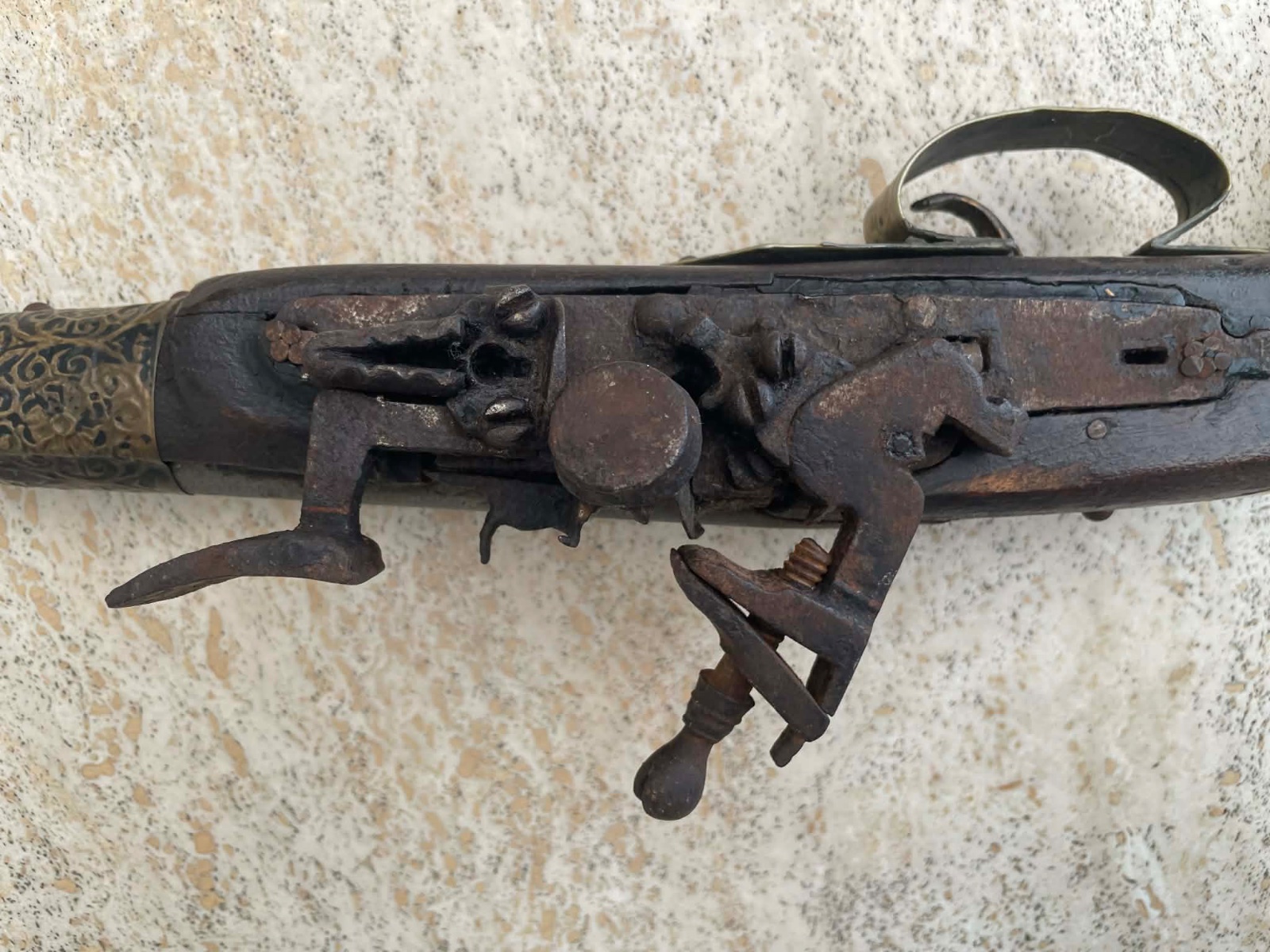
Ottoman Miquelet-Lock Pistol
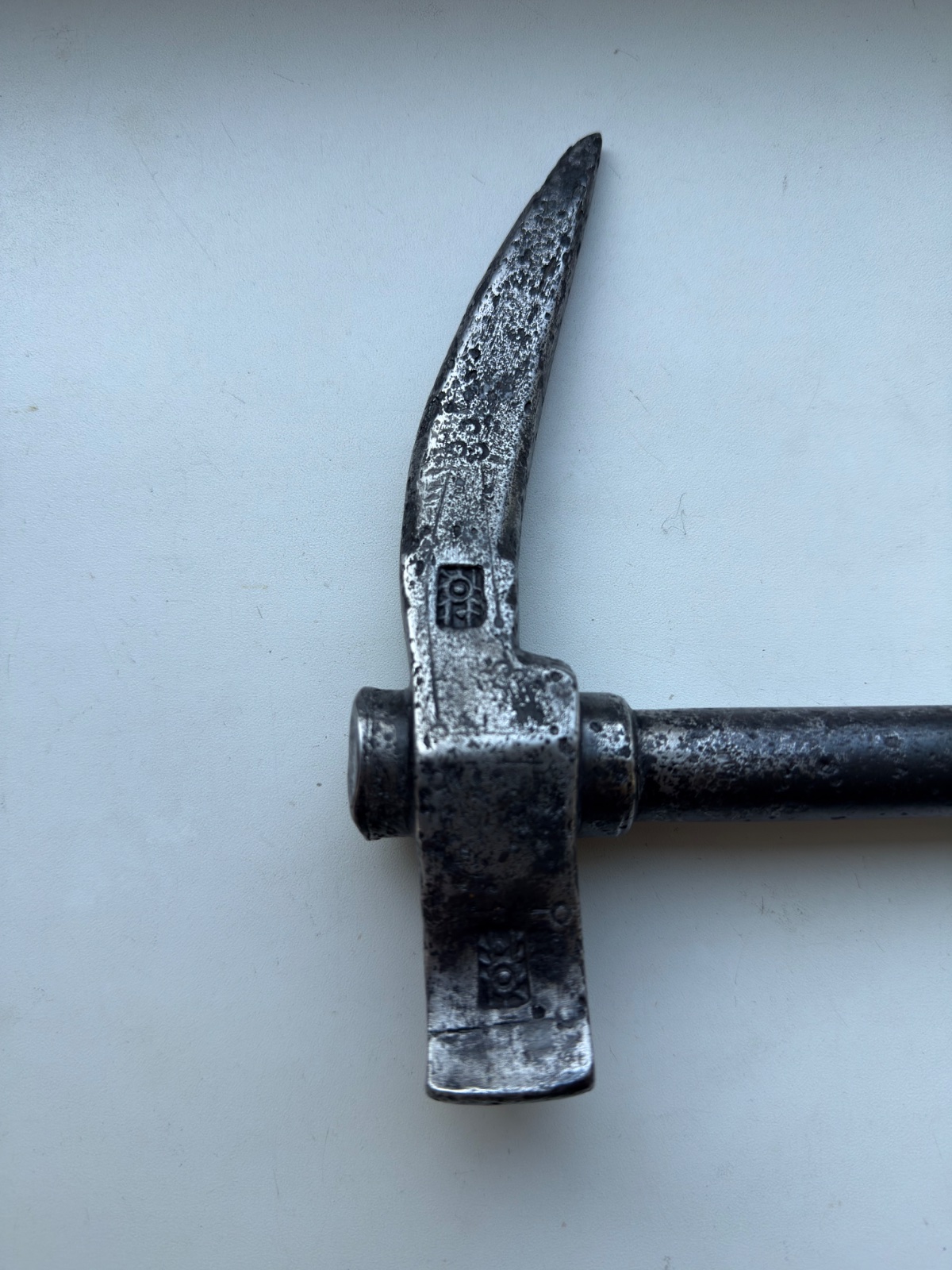
16th-17th Century Eastern European War Hammer (Nadziak)
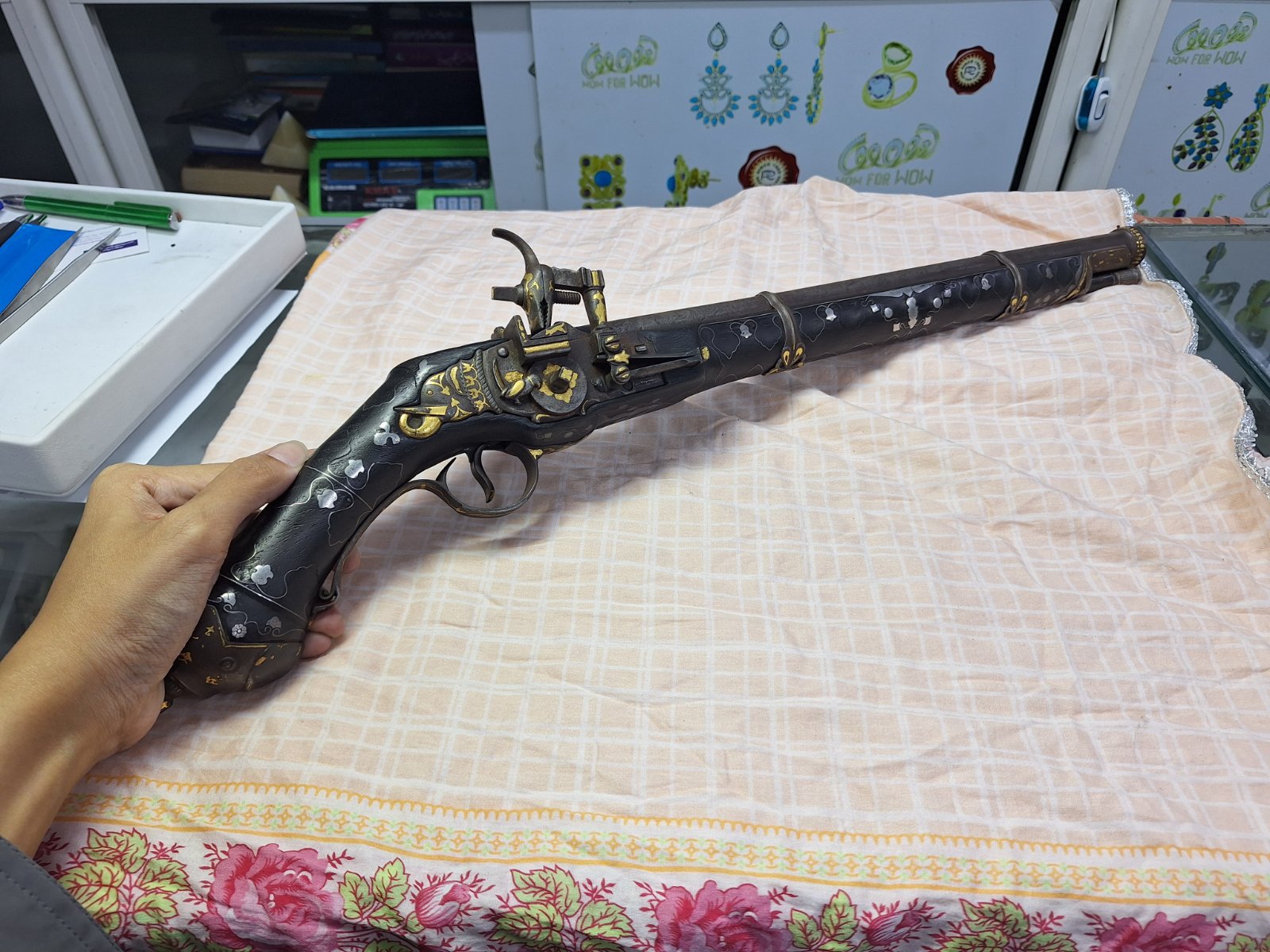
Ottoman Style Miquelet-Lock Pistol
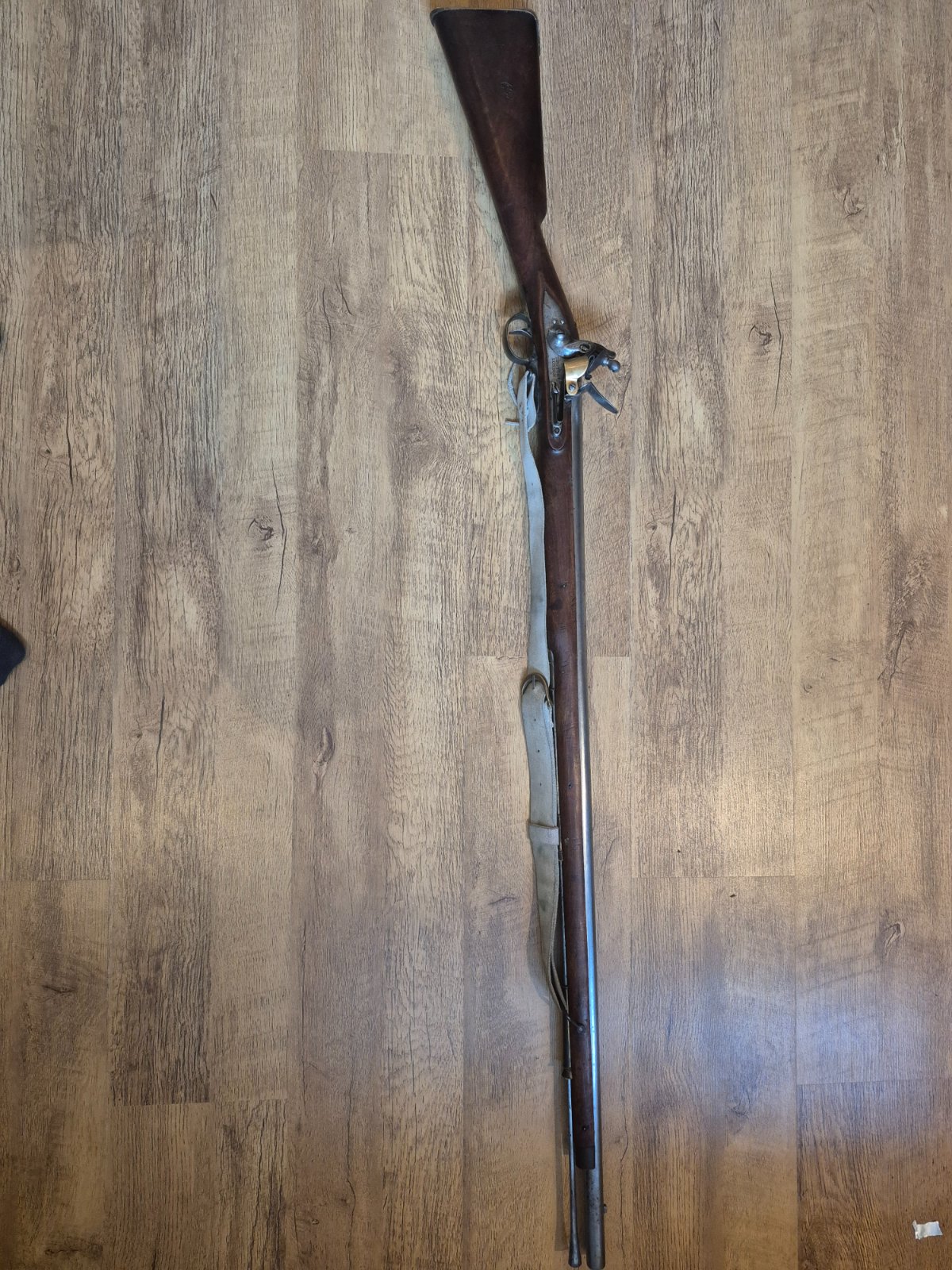
British Pattern 1839 Muskatoon (T. POTTS LONDON)
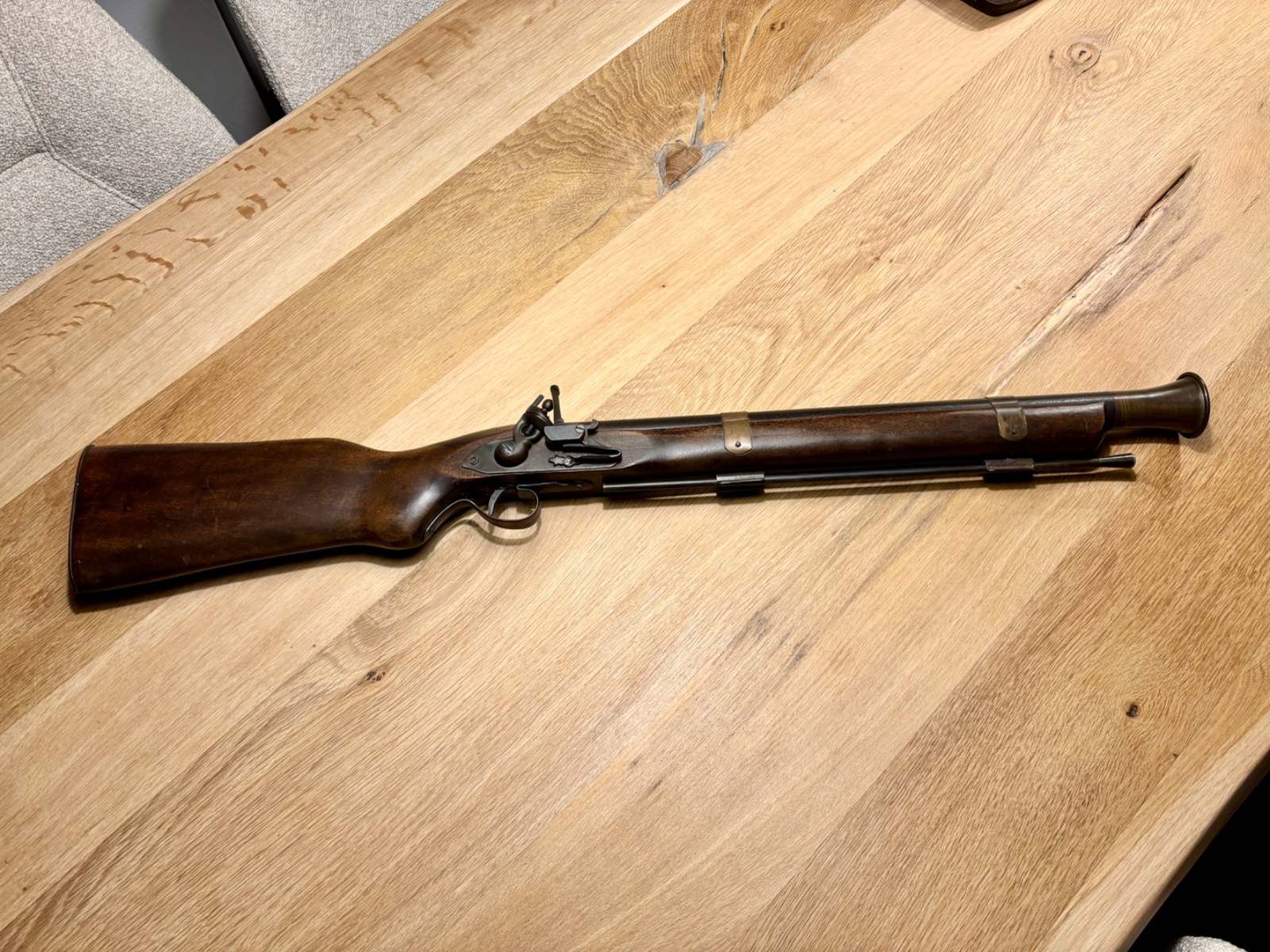
Flintlock Blunderbuss

Edo Period Iron Tsuba with Musashino Grass and Silver Inlay
ABOUT MILITARIA
Military uniforms, weapons, medals, equipment, and war memorabilia.
Militaria value and rarity guideSHARE THIS CURIOSITY
Have your own curiosities to discover?
Scan Your Curiosity
COMMENTS
No comments yet. Be the first to share your thoughts!
Sign in to leave a comment