Art Deco Club Chair
QUICK FACTS
Categories
Era
1930s-1950s
Origin
🌍 International
Rarity
Average (4/10)
Discovered
Feb 1, 2026
3 weeks ago
DESCRIPTION
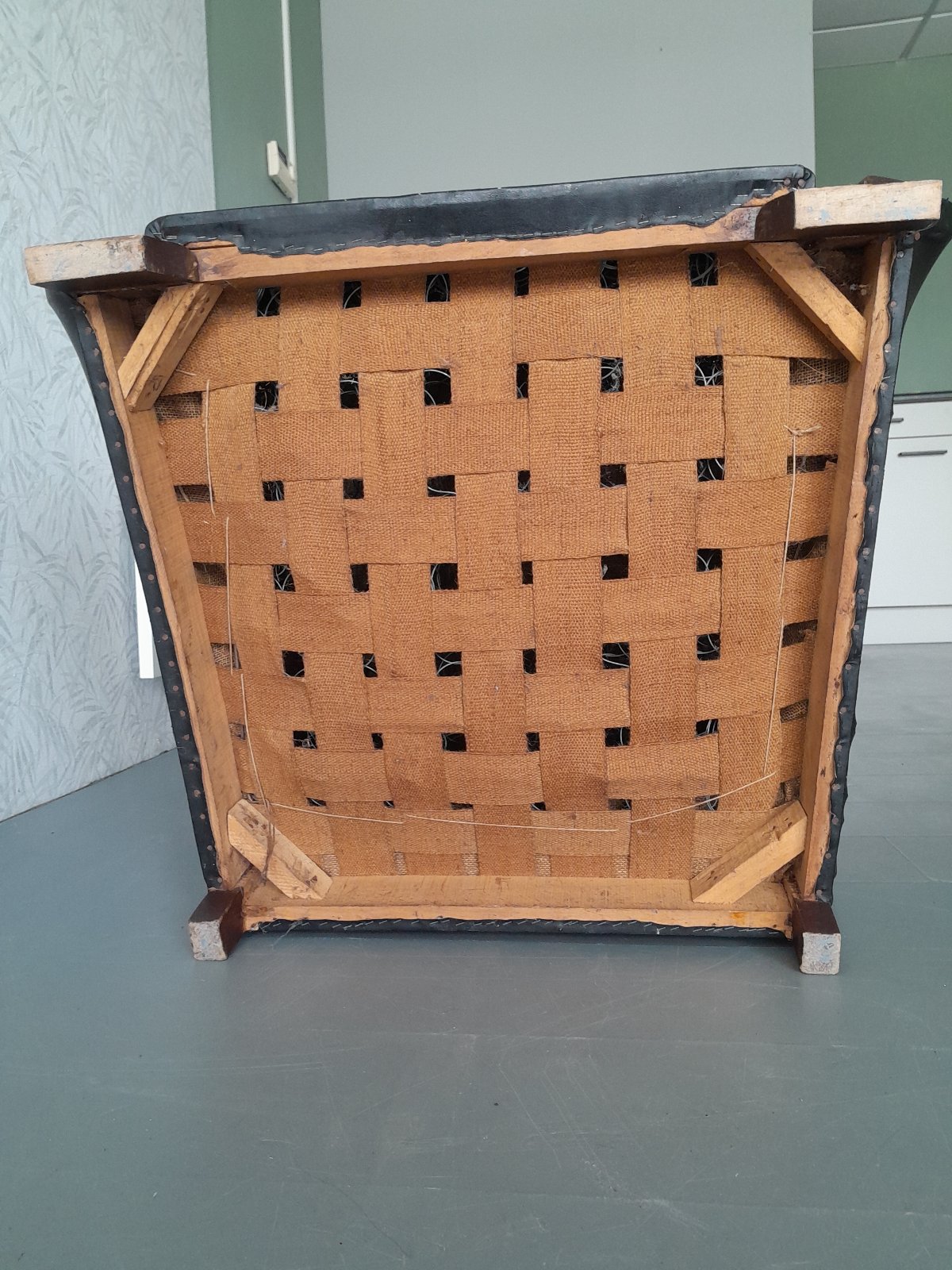
This appears to be an Art Deco club armchair, characterized by its rounded, streamlined form and a combination of upholstered elements and exposed wood detailing. The robust proportions and slightly curved backrest are typical of the style. The visible webbing on the underside suggests a traditional method of seat support, while the upholstery, likely leather or a very good imitation, and the decorative tacking on the back are consistent with mid-20th century craftsmanship.
CULTURAL ECHOES
Where This Object Echoes
The robust, comfortable design with clean lines and rounded forms is very characteristic of French Art Deco lounge seating.
The curved elements and sleek profile align with the Streamline Moderne aesthetic, a later development of Art Deco emphasizing aerodynamic forms.
Ritual & Ceremonial Use
- •The ritual of relaxation and social gathering in a domestic setting, often in a 'smoking room' or living room, where such a chair would be central.
- •A symbol of comfort and status, furnishing the private spaces for unwinding or formal conversation.
Meaning Through Time
Represented modernity, luxury, and a departure from historical decorative styles, emphasizing functional sculptural forms.
Viewed as a classic vintage piece, appreciated for its enduring design quality, solidity, and comfort, often integrated into eclectic or period-specific interiors.
HISTORICAL STORY
DID YOU KNOW?
The term 'club chair' originated in 19th-century England, referring to the comfortable, deep-seated armchairs found in private men's clubs.
Many Art Deco club chairs were designed with a lower profile and deeper seat than previous styles, encouraging a more relaxed, lounging posture.
MATERIAL & CONDITION
Surface
The upholstery displays a glossy, slightly aged finish, consistent with leather or a similar durable synthetic. The exposed wooden elements on the arms and feet appear to have a warm, possibly walnut or mahogany stain, with some wear apparent on the edges. The webbing on the underside is a coarse, woven material, showing signs of tension and age.
Weight & Feel
Based on the solid construction and traditional materials, this chair would be quite substantial and heavy, typical of well-built period lounge furniture. It would feel dense and grounded.
Condition
The upholstery shows some creasing and minor indentations, indicative of use and age, but generally appears intact. The exposed wood potentially has minor scuffs or dings. The webbing on the underside seems to be functional, though some strands exhibit typical stretching. The decorative tacking on the back is complete.
RARITY ANALYSIS
Typical antique shop fare. Requires some searching but regularly available. This is where most genuine antiques fall.
Typical Characteristics
- Standard antique shop items
- Regularly available
- Moderate collector interest
EXPERT ANALYSIS
Furniture Historian & Restoration Specialist
The visual cues strongly suggest an Art Deco club chair, with its distinctive form, proportions, and construction methods like webbing lining up with the period. However, the exact origin, maker, and originality of the upholstery are not verifiable from the images alone, thus setting the confidence at 0.8.
KEY EVIDENCE
- 1Rounded, robust form and deep seating, characteristic of Art Deco club chairs.
- 2Exposed wooden arm details, adding a touch of elegance and visual interest.
- 3Traditional webbing visible on the underside, indicative of period construction for upholstered seating.
- 4Upholstery fastened with decorative tacks on the back, a common detail for the era.
UNCERTAINTIES
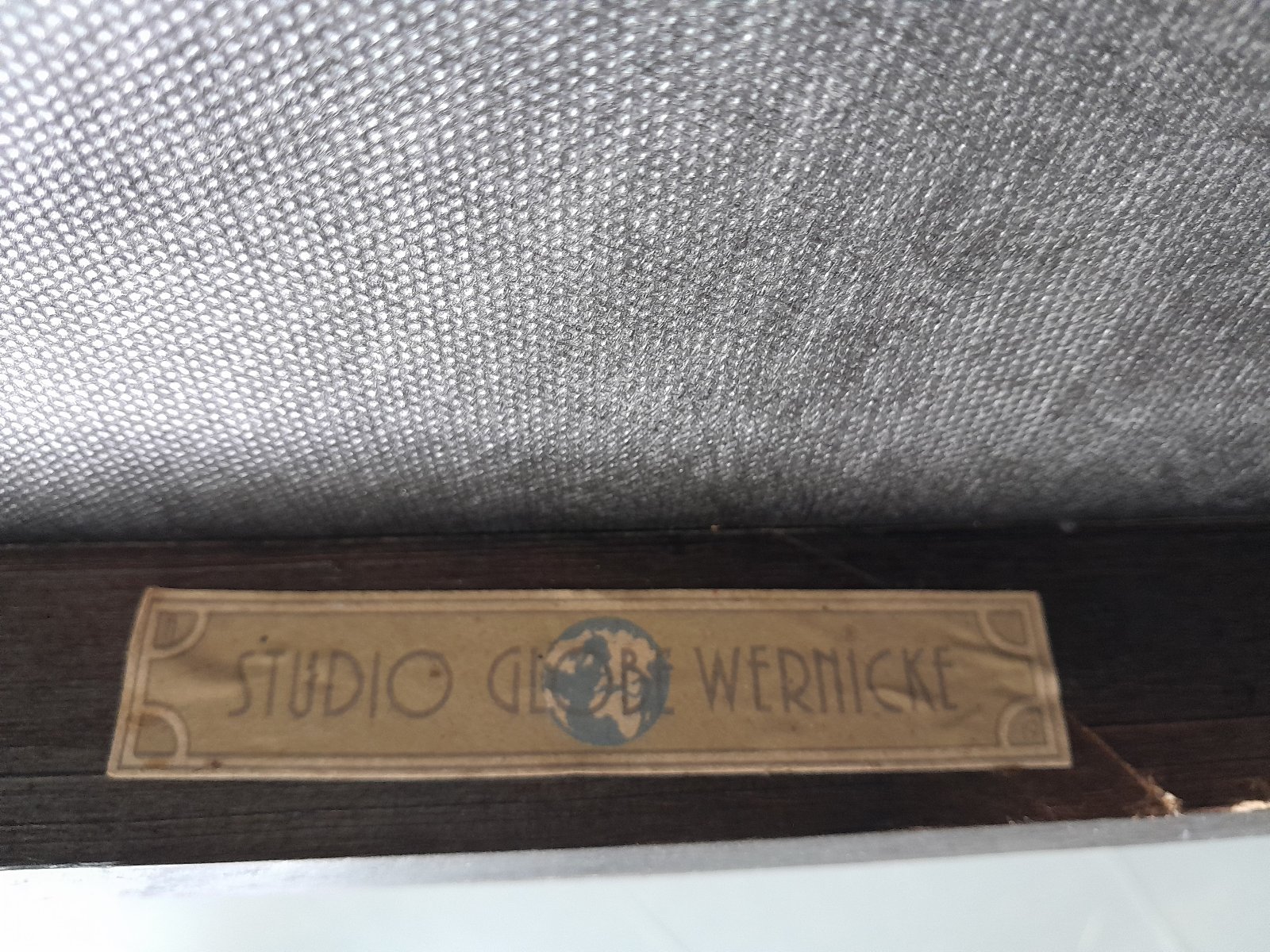
- •Lack of visible maker's marks or labels.
- •Difficulty in determining if the upholstery is original or a later, period-appropriate replacement.
- •The type of wood for the exposed elements is not clear, which could influence value.
WHAT WOULD IMPROVE CERTAINTY
- →Inspect the chair's underside more closely for any hidden labels, stamps, or handwritten markings on the frame.
- →Examine the screws or fasteners used in the frame for signs of hand-forging or machine production, which can help date the piece more precisely.
- →If possible, gently feel the padding beneath the upholstery to determine if it's horsehair, springs, or a more modern foam.
- →Take detailed photos of the exposed wood grain and joinery (if any is visible under the upholstery) to aid in wood identification.
ESTIMATED VALUE
Updated: Feb 27, 2026
- Market comparables from auctions & retail
- Condition, completeness & craftsmanship
- Current collector demand & trends
- Low = quick sale, high = patient seller
For informational purposes only, not a formal appraisal.

ABOUT INTERIOR
Furniture, lamps, lighting, chandeliers, decorative objects for the home.
Browse all InteriorSHARE THIS CURIOSITY
Have your own curiosities to discover?
Scan Your Curiosity
COMMENTS
No comments yet. Be the first to share your thoughts!
Sign in to leave a comment