Pair of George III Style Mahogany Armchairs
QUICK FACTS
Categories
Era
Late 18th to Early 19th Century (George III Style), potentially later reproduction
Origin
🇬🇧 United Kingdom
Rarity
Average (4/10)
Discovered
Jan 28, 2026
1 months ago
DESCRIPTION
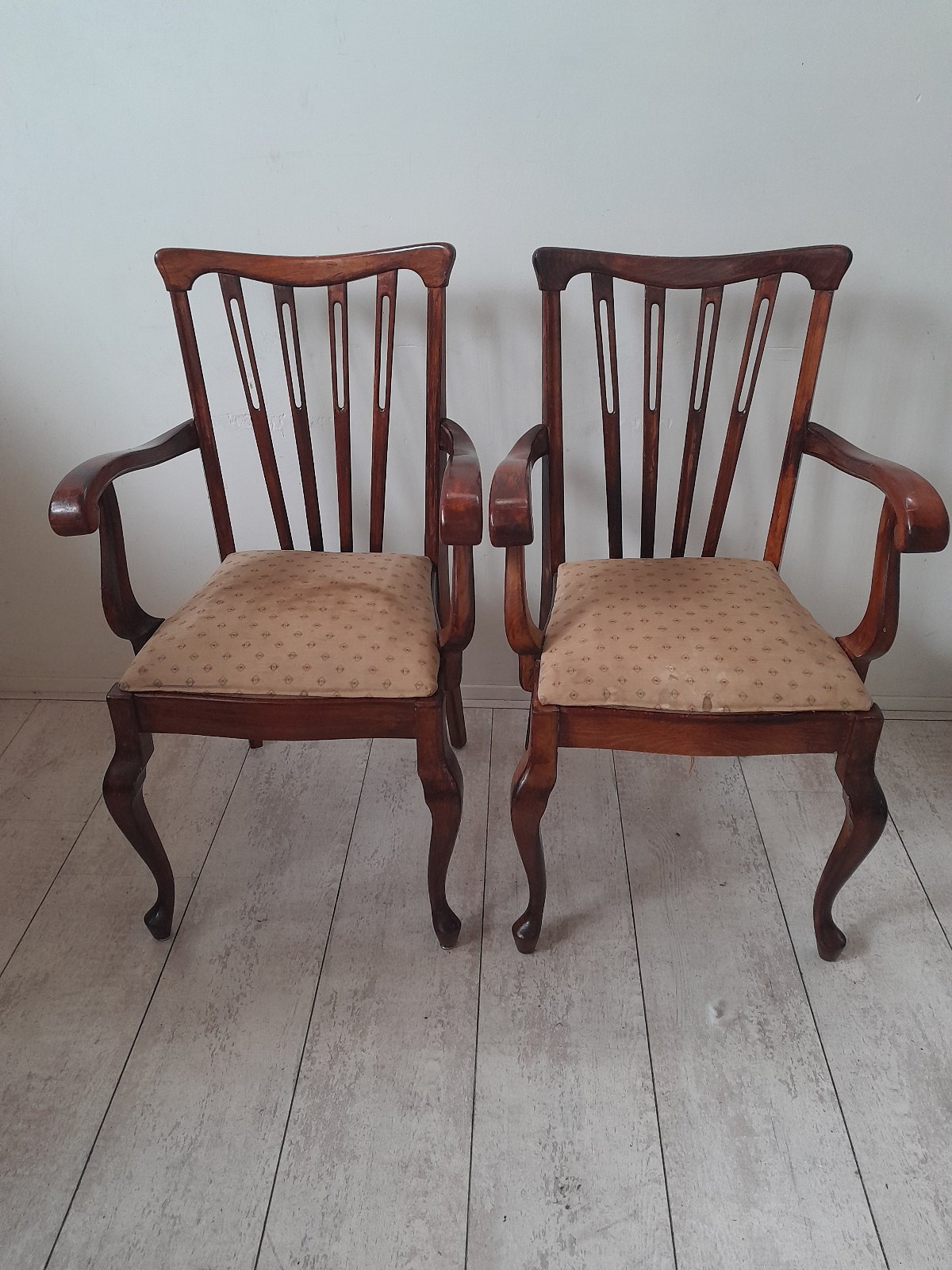
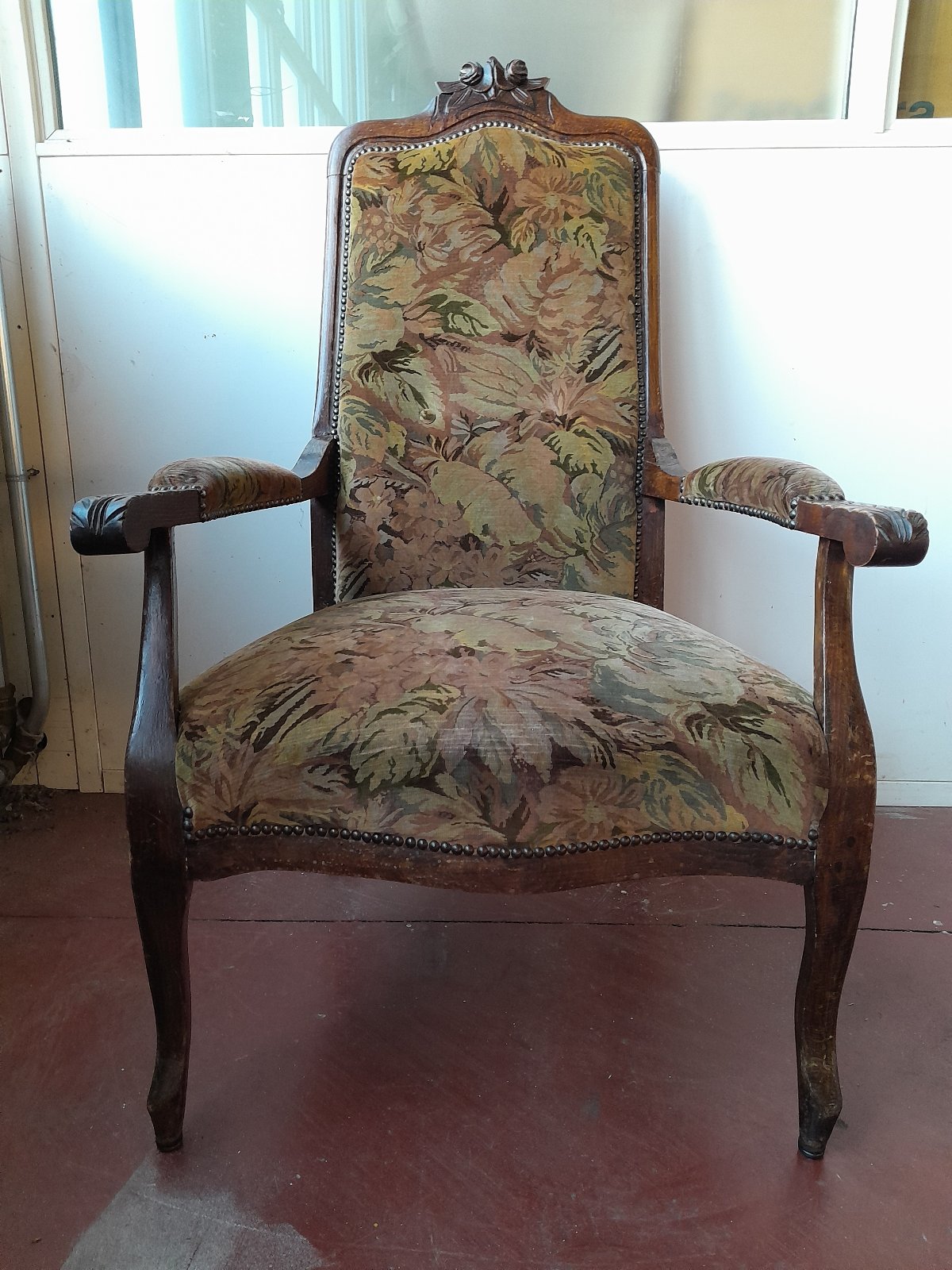
This pair of armchairs exhibits characteristics often associated with the late 18th-century George III period in English furniture design, particularly a 'Gothic Chippendale' or 'Transitional Chippendale' influence. The pierced splat back with its gothic-arch inspired openings, combined with the shaped crest rail and outward-flaring arms, are typical of the period when mahogany was the predominant timber. The cabriole legs ending in pad feet suggest an earlier Georgian influence or a continuation of traditional forms. The upholstered drop-in seats, though likely not original to the period, are a common feature of this style.
CULTURAL ECHOES
Where This Object Echoes
Similar designs influenced by English pattern books were popular in American furniture, notably in Philadelphia and New York, often referred to as American Chippendale.
The curvilinear forms and ornate carving found in George III era furniture designs saw a resurgence in popularity during the Rococo Revival movement of the mid-19th century.
Ritual & Ceremonial Use
- •These chairs were typically used in formal settings such as dining rooms or drawing rooms, embodying social rituals of entertaining and refined domesticity.
- •The aesthetic appreciation and display of fine furniture as a symbol of wealth and status was a common practice among affluent households.
Meaning Through Time
Represented current fashion, craftsmanship, and social standing, showcasing an owner's taste and access to imported luxury timbers like mahogany.
These designs were frequently reproduced, shifting their meaning to represent a nostalgic appreciation for historical styles and traditional craftsmanship.
Now primarily valued as antique decorative objects, they offer a connection to historical design and skilled artisanship, often integrated into eclectic interiors.
HISTORICAL STORY
DID YOU KNOW?
Despite being named for Thomas Chippendale, many 'Chippendale style' pieces were not made by his workshop but by countless other cabinetmakers who adopted his influential designs.
The use of mahogany, imported primarily from the West Indies, became popular in the 18th century due to its strength, rich color, and ability to be carved finely, replacing walnut as the fashionable choice for high-end furniture.
MATERIAL & CONDITION
Surface
The wood surface appears to be a polished mahogany or a mahogany-stained hardwood, exhibiting a medium-dark, warm brown hue. There is a visible sheen indicating a varnished or lacquered finish, with some areas showing expected wear and minor surface abrasions consistent with age and use.
Weight & Feel
These chairs would likely feel substantial, given the solid wood construction typical of the period. While not excessively heavy, they would possess a reassuring heft, suggesting stability and durability.
Condition
The overall condition appears fair, with visible wear to the finish, particularly on the arms and edges. The upholstery on the drop-in seats shows significant staining, discoloration, and wear, indicating a need for replacement. Structural integrity seems generally sound from the images, though minor joint looseness is common in older pieces of this type.
RARITY ANALYSIS
Typical antique shop fare. Requires some searching but regularly available. This is where most genuine antiques fall.
Typical Characteristics
- Standard antique shop items
- Regularly available
- Moderate collector interest
EXPERT ANALYSIS
Furniture Historian & Restoration Specialist
The visible stylistic elements strongly point towards a George III or Chippendale Revival style. However, without inspecting joinery, secondary woods, and hardware, a precise dating and definitive authenticity assessment between an original and a well-made reproduction remains challenging.
KEY EVIDENCE
- 1Pierced splat back with Gothic-inspired openings is characteristic of George III / Chippendale style.
- 2Mahogany or stained hardwood construction, a favored timber for quality furniture in the late 18th century.
- 3Cabriole legs terminating in pad feet, a design motif prevalent in earlier Georgian furniture and sometimes retained in later styles.
- 4Outward-flaring arms with a comfortable, rounded profile.
- 5The drop-in seat construction is typical for chairs intended for formal upholstered seating.
UNCERTAINTIES
- •Lack of visible joinery details makes it difficult to distinguish between an 18th-century original and a high-quality later reproduction.
- •The overall consistency of the wood tone across both chairs indicates either excellent preservation or possibly a refinish/later production.
WHAT WOULD IMPROVE CERTAINTY
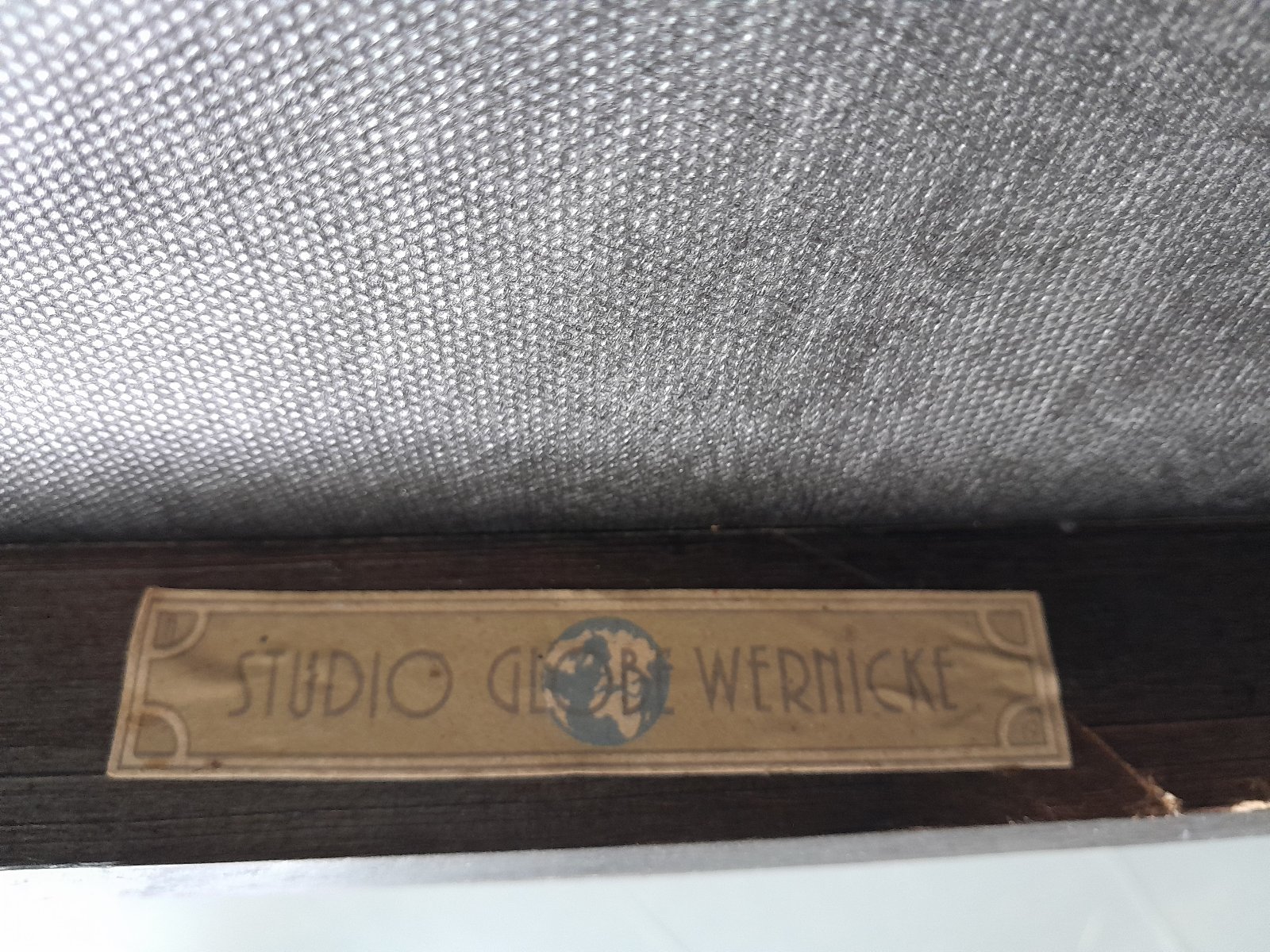
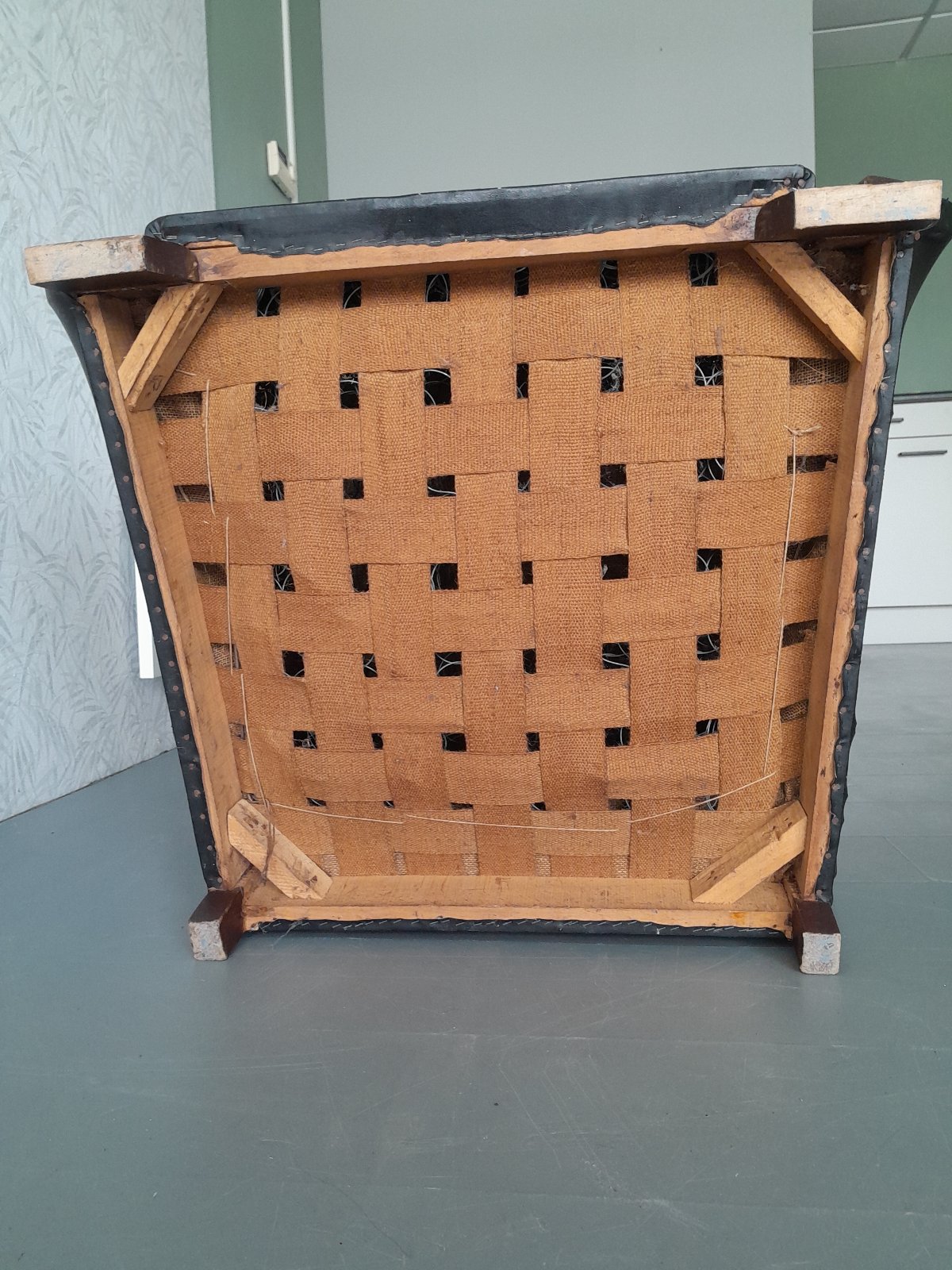
- →Provide clear, high-resolution photographs of the underside of the chairs to examine the frame construction and secondary woods.
- →Submit close-up images of any visible joints, especially where arms meet the back and seat rail, and any evidence of original hardware.
- →Capture detailed images of the finish to assess for originality versus later refinishing.
- →Measure dimensions to compare with known period examples.
ESTIMATED VALUE
Updated: Feb 27, 2026
- Market comparables from auctions & retail
- Condition, completeness & craftsmanship
- Current collector demand & trends
- Low = quick sale, high = patient seller
For informational purposes only, not a formal appraisal.

ABOUT INTERIOR
Furniture, lamps, lighting, chandeliers, decorative objects for the home.
Browse all InteriorSHARE THIS CURIOSITY
Have your own curiosities to discover?
Scan Your Curiosity
COMMENTS
No comments yet. Be the first to share your thoughts!
Sign in to leave a comment