French Rococo Revival Armchair
QUICK FACTS
Categories
Era
1880-1920
Origin
🇫🇷 France
Rarity
Average (4/10)
Discovered
Feb 8, 2026
3 weeks ago
DESCRIPTION
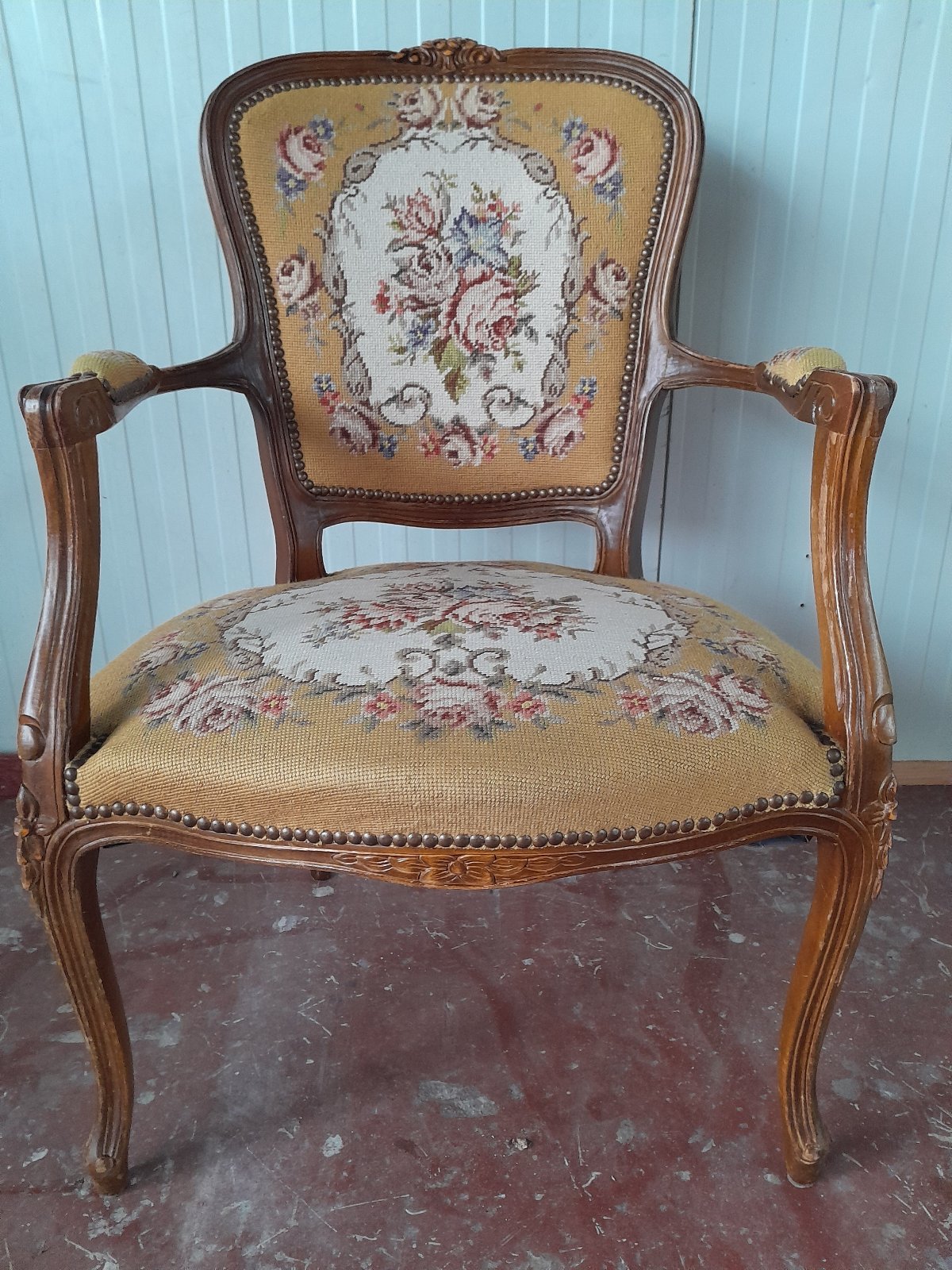
This is an armchair in the Rococo Revival style, characterized by its curvilinear frame, carved details like rocaille motifs on the crest rail, and cabriole legs. The upholstery, appearing to be a needlepoint or tapestry fabric, features a floral design, which was immensely popular during the revival periods. The visible evidence suggests a sturdy, likely European, construction from the late 19th or possibly early 20th century.
CULTURAL ECHOES
Where This Object Echoes
The Rococo Revival was a global phenomenon, with similar furniture being highly fashionable in Victorian interiors, reflecting a widespread appreciation for historical styles.
Ritual & Ceremonial Use
- •Serving as accent seating in formal living spaces or parlors, often as part of conversation groupings.
- •Used for reading and letter writing in affluent homes, often accompanied by elaborate side tables.
Meaning Through Time
Original Rococo furniture was a symbol of aristocratic leisure and intimate, asymmetrical elegance, a subversion of baroque grandeur.
Rococo Revival pieces became a symbol of middle and upper-class prosperity and a taste for historic, decorative styles, often mass-produced in factories but still retaining an air of heritage.
HISTORICAL STORY
DID YOU KNOW?
The 'cabriole' leg, characteristic of Rococo and its revivals, is inspired by the leaping form of a goat (from the French 'cabri', meaning kid or young goat).
Many chairs of this era were designed as part of larger suites, including sofas and companion chairs, all adorned with matching upholstery and carving.
MATERIAL & CONDITION
Surface
The wooden frame exhibits a polished, likely varnished or shellacked, surface with visible grain. There are some minor scratches and wear expected with age. The upholstery is a coarse, possibly wool or cotton, needlepoint-style fabric with a slightly faded appearance suggesting original or early replacement. The brass studding along the seat edge adds a decorative touch, common for the period.
Weight & Feel
Based on the solid wood construction and generous proportions, this armchair appears to be substantial and quite heavy, indicating a durable build quality typical of furniture from this period.
Condition
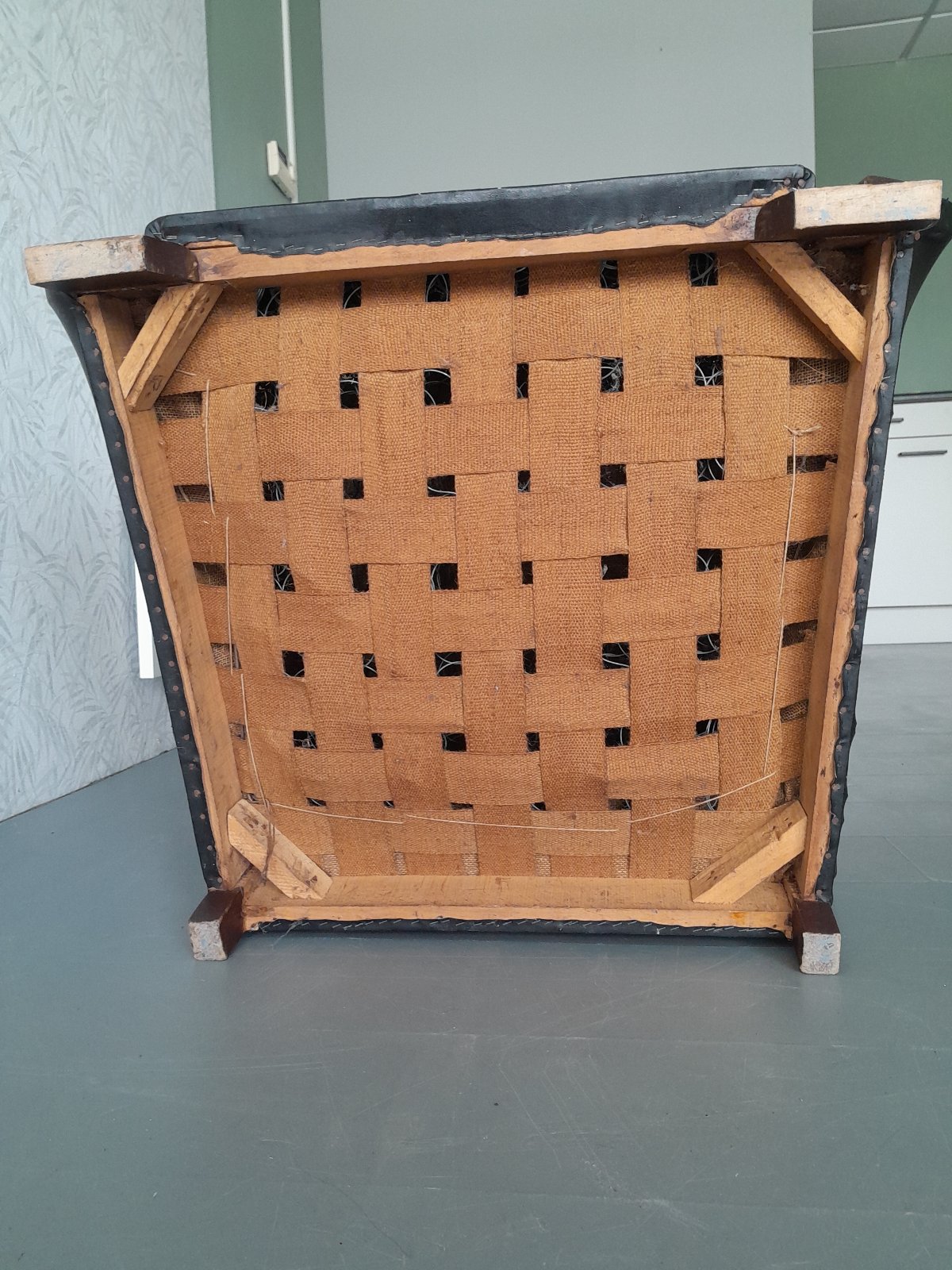
The chair appears to be structurally stable. There is visible wear to the finish on the wooden frame, especially on the legs and armrests, consistent with age and use. The upholstery shows signs of fading and potential staining but does not appear to have major tears or holes. The textile on the underside of the seat suggests potential re-upholstery or repair work at some point.
RARITY ANALYSIS
Typical antique shop fare. Requires some searching but regularly available. This is where most genuine antiques fall.
Typical Characteristics
- Standard antique shop items
- Regularly available
- Moderate collector interest
EXPERT ANALYSIS
Furniture Historian & Restoration Specialist
The visible stylistic elements and overall condition strongly align with a Rococo Revival armchair from the specified period. Further confidence would require scrutinizing joinery and internal construction details.
KEY EVIDENCE
- 1Curvilinear frame and cabriole legs are hallmarks of Rococo Revival styling.
- 2Carved rocaille motifs on the crest rail confirm the stylistic attribution.
- 3The nail-head trim along the seat edge is a common decorative detail for this type of chair.
- 4The overall wear and patina on the wood finish suggest genuine age.
UNCERTAINTIES
- •The bottom fabric on the seat (third image) appears modern and might indicate professional re-upholstery, which is not necessarily a red flag but warrants inspection for structural repairs.
- •Without closer inspection of joinery and internal construction, full originality of the frame and method of construction cannot be fully ascertained.
WHAT WOULD IMPROVE CERTAINTY
- →Obtain clear photographs of the joinery at the leg and arm attachments for assessment of construction methods (e.g., mortise and tenon, dowel).
- →Provide a detailed image of the underside of the seat frame with the bottom fabric removed, to identify original webbing or spring construction.
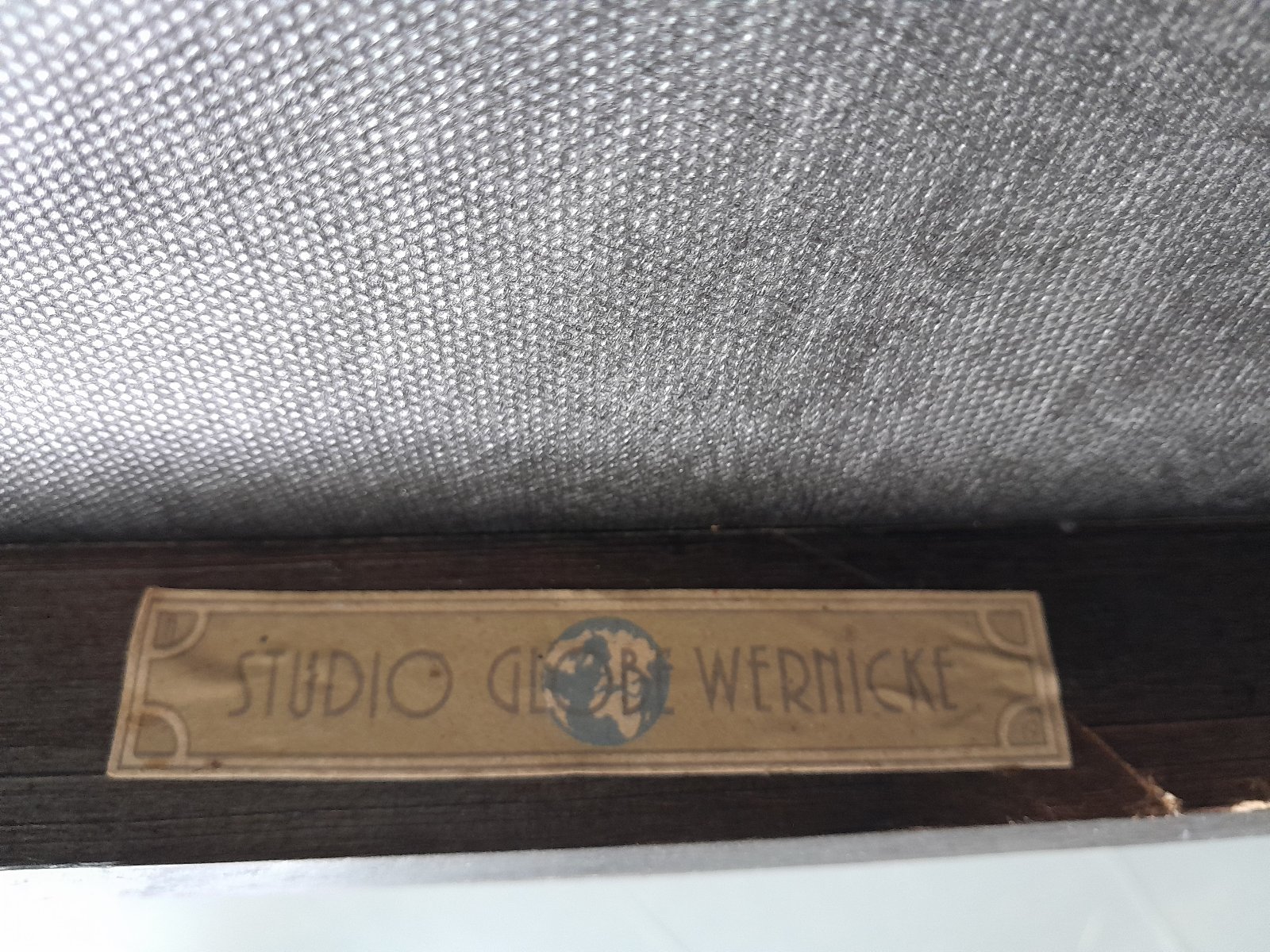
- →If possible, gently lift the upholstery on an inconspicuous area to check the condition of the original padding and any maker's marks on the frame.
- →Inspect the screws, if any, for type (slotted vs. Phillips) and wear commensurate with age.
ESTIMATED VALUE
Updated: Feb 27, 2026
- Market comparables from auctions & retail
- Condition, completeness & craftsmanship
- Current collector demand & trends
- Low = quick sale, high = patient seller
For informational purposes only, not a formal appraisal.

ABOUT INTERIOR
Furniture, lamps, lighting, chandeliers, decorative objects for the home.
Browse all InteriorSHARE THIS CURIOSITY
Have your own curiosities to discover?
Scan Your Curiosity
COMMENTS
No comments yet. Be the first to share your thoughts!
Sign in to leave a comment