Blue Calcite Specimen
Estimated value
$10 - $50Rarity
Average(4/10)Category
Natural HistoryEra
Geological Formation (Millions of Years Ago)Origin
InternationalAuthenticity
BLUE CALCITE SPECIMEN: IDENTIFICATION
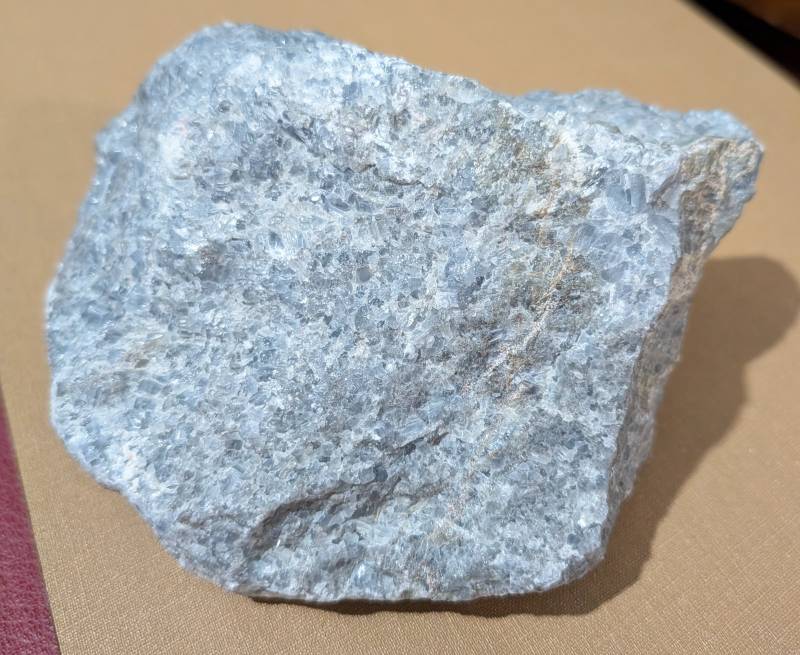
This appears to be a raw mineral specimen of blue calcite. The macro images clearly show the characteristic rhombohedral cleavage, which can often be observed in calcite, leading to a granular, 'sugary' texture in aggregate forms. The color ranges from a pale to medium sky-blue, possibly with some white or gray zones, and areas of reddish-brown iron staining suggest natural weathering. The translucent quality of the individual crystals is also consistent with calcite.
SCARCITY
Typical antique shop fare. Requires some searching but regularly available. This is where most genuine antiques fall.
Typical Characteristics
- Standard antique shop items
- Regularly available
- Moderate collector interest
Confidence Factors
- Calcite is a common mineral, and blue varieties are generally not subject to widespread forgery.
- The material's appearance is consistent with natural blue calcite aggregate.
- There are no complex features or valuable characteristics that would motivate sophisticated counterfeiting.
NATURALIST'S ASSESSMENT
Gemologist & Mineral Specialist
High confidence is assigned due to the highly characteristic appearance of the specimen, including its color, texture, and visible cleavage, which are all classic indicators of blue calcite.
KEY EVIDENCE
- 1The pale blue coloration, common for blue calcite.
- 2Characteristic granular, crystalline texture consistent with massive calcite aggregates.
- 3Visible rhombohedral cleavage planes on many individual crystal fragments.
- 4Translucent to semi-transparent individual crystals exhibiting vitreous luster.
UNCERTAINTIES
- •Lack of known origin locality, which could impact specific geological context for collectors.
WHAT WOULD IMPROVE CERTAINTY
- →A scratch test with known minerals (Mohs hardness scale) to confirm its relatively low hardness (3) specific to calcite.
- →Application of dilute hydrochloric acid to test for effervescence, a hallmark of calcium carbonate minerals.
- →A close-up photograph of a fresh break to better observe cleavage planes.
- →Measurement of specific gravity to confirm density.
CONDITION & GRADE
Condition
The specimen appears to be in its natural, rough state with no significant damage beyond typical fractures expected from extraction. The surface staining is natural and inherent to the specimen's geological history.
Weight & feel
Based on its size and appearance as a dense mineral aggregate, it would likely feel substantial and reasonably heavy for its volume, typical of a mineral specimen with a specific gravity of around 2.71 g/cm³.
SPECIMEN VALUATION
Updated: Feb 27, 2026
- Market comparables from auctions & retail
- Condition, completeness & craftsmanship
- Current collector demand & trends
- Low = quick sale, high = patient seller
For informational purposes only, not a formal appraisal.
ABOUT NATURAL HISTORY
Fossils, minerals, taxidermy, shells, and natural specimens.
Natural History value and rarity guideSHARE THIS CURIOSITY
Have your own curiosities to discover?
Scan Your Curiosity
COMMENTS