Earthenware Cooking Pot
QUICK FACTS
Categories
Era
Early 20th Century to Mid-20th Century
Origin
🌍 International
Rarity
Ordinary (3/10)
Discovered
Jan 27, 2026
1 months ago
DESCRIPTION
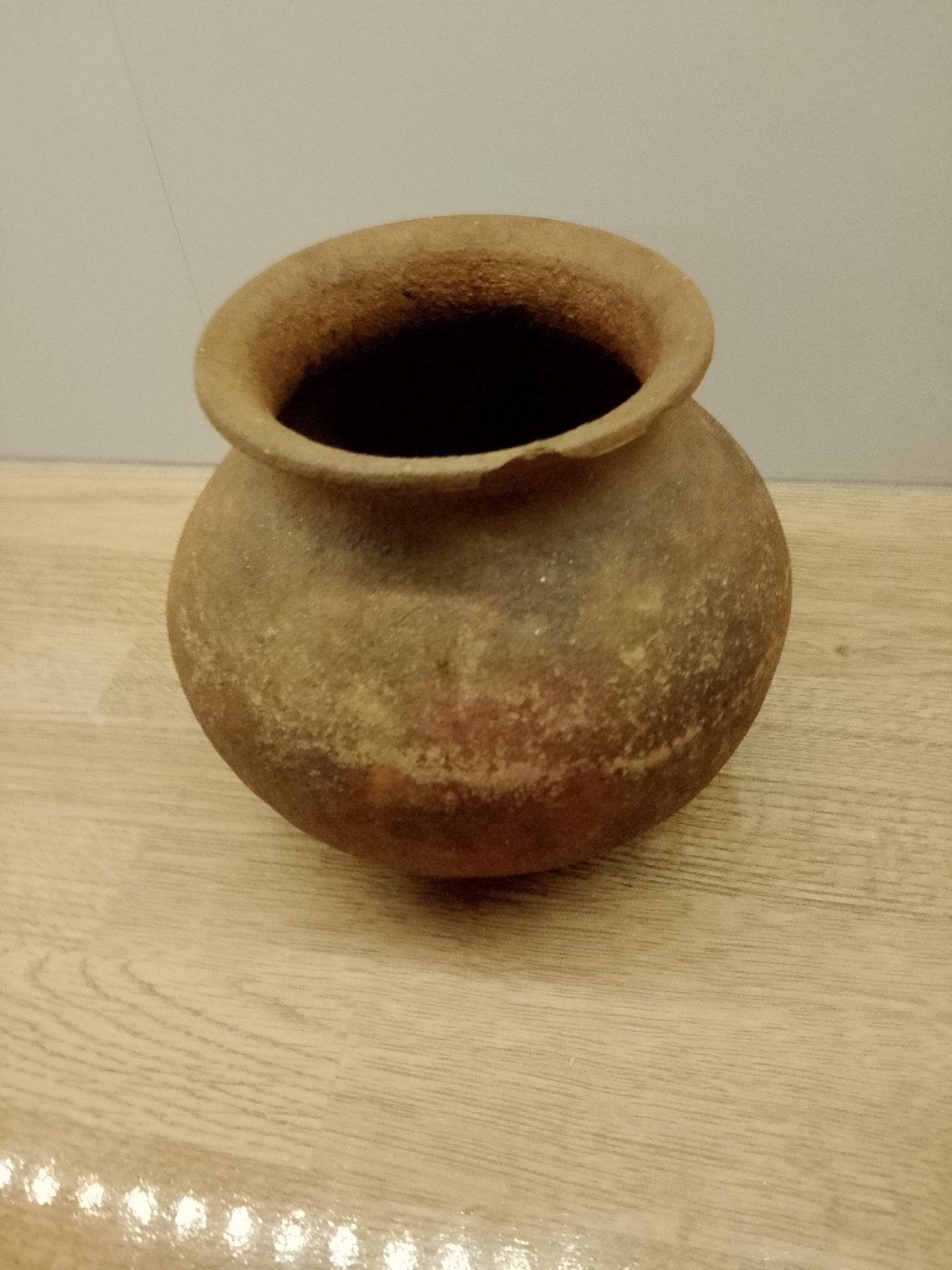
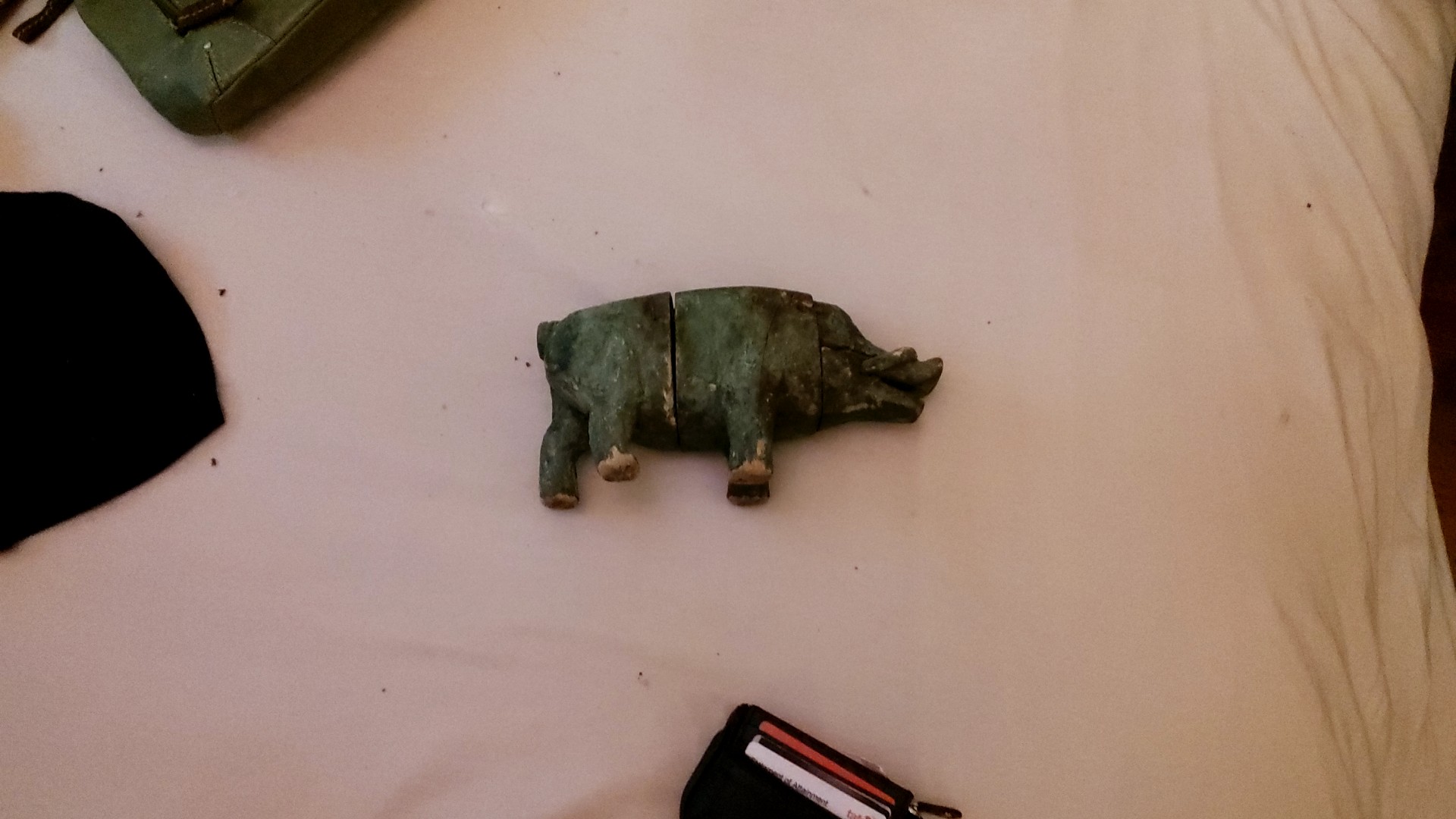
This appears to be a small, unglazed earthenware cooking pot, often referred to as a 'handi' in South Asian contexts, characterized by its rounded body and subtly flaring neck. The porous nature of the clay is evident from the texture, suggesting it was fired at a relatively low temperature. The form is functional, designed for even heat distribution, typical of traditional culinary vessels.
CULTURAL ECHOES
Where This Object Echoes
Traditional 'handi' cooking pots, widely used for slow-cooking curries and stews, often made from unglazed terracotta.
Earthenware tagines, storage jars, and cooking vessels, often unglazed to facilitate moisture exchange during cooking.
Various cooking and storage pots, hand-built and low-fired, showing similar organic forms and utilitarian aesthetics.
Ritual & Ceremonial Use
- •Traditional cooking and food preparation, where the unique properties of earthenware impart distinct flavors and textures.
- •Domestic life and household utility, as these vessels were essential everyday items for sustenance.
Meaning Through Time
Primarily a utilitarian object, a necessity for daily cooking and food storage.
Increasingly seen as a decorative or ethnographic artifact, or a tool for 'authentic' traditional cooking, rather than a universal necessity.
HISTORICAL STORY
DID YOU KNOW?
Unglazed earthenware pots 'breathe,' allowing small amounts of air and moisture to circulate, which can enhance the flavor of certain dishes by promoting slow evaporation and condensation.
The distinctive rounded bottom of many traditional cooking pots helps distribute heat evenly and is ideal for cooking over open flames or embedded in coals, rather than on flat stovetops.
MATERIAL & CONDITION
Surface
The surface is unglazed and somewhat coarse, exhibiting a mottled reddish-brown to dark gray color variation, consistent with firing and some light usage. The texture is gritty to the touch, and there's evidence of mineral deposits or possibly ancient cooking residue adhering to areas.
Weight & Feel
Given its size and material, the pot would feel relatively substantial but not overly heavy, likely possessing a good heft due to the density of the fired clay.
Condition
The overall condition appears fair, with visible chipping around the rim, particularly a notable chip on one side. The exterior shows an aged patina with some surface inconsistencies and discoloration, characteristic of genuine earthenware that has seen use over time. No major cracks are immediately apparent from these images, but the interior base seems rough and dark.
RARITY ANALYSIS
Standard antiques commonly found at estate sales and flea markets. Plentiful supply meets modest demand.
Typical Characteristics
- Moderate production runs
- Common at estate sales
- Entry-level collectibles
EXPERT ANALYSIS
Decorative Arts Specialist
The visual evidence clearly identifies this as an unglazed earthenware pot, and its characteristics are consistent with traditional utilitarian ceramic forms found globally. Absent any distinguishing marks or specific context, precise attribution remains broad, but the object's general nature is very clear.
KEY EVIDENCE
- 1Unglazed, coarse earthenware body indicates low-firing temperatures and traditional pottery methods.
- 2Rounded, stable form with a subtly flaring rim points to its function as a cooking or storage vessel.
- 3Visible chipping on the rim and surface wear are consistent with age and practical use.
- 4Absence of elaborate decoration or fine finish aligns with utilitarian earthenware.
- 5Mottled surface coloration suggests traditional firing techniques, possibly in a pit or simple kiln.
WHAT WOULD IMPROVE CERTAINTY
- →A clear image of the interior base to assess further wear or residue.
- →A close-up of the footrim (if any) to check for unique wear patterns.
- →A measurement of its height and diameter to better gauge its practical capacity and scale.
ESTIMATED VALUE
Updated: Feb 27, 2026
- Market comparables from auctions & retail
- Condition, completeness & craftsmanship
- Current collector demand & trends
- Low = quick sale, high = patient seller
For informational purposes only, not a formal appraisal.
ABOUT DECORATIVE OBJECTS
Ceramics, silver, porcelain, glassware, and decorative arts.
Browse all Decorative ObjectsSHARE THIS CURIOSITY
Have your own curiosities to discover?
Scan Your Curiosity
COMMENTS
No comments yet. Be the first to share your thoughts!
Sign in to leave a comment