Antique Curling Tongs
QUICK FACTS
Categories
Era
Late 19th - Early 20th Century
Origin
🌍 International
Rarity
Average (4/10)
Discovered
Jan 14, 2026
1 months ago
DESCRIPTION
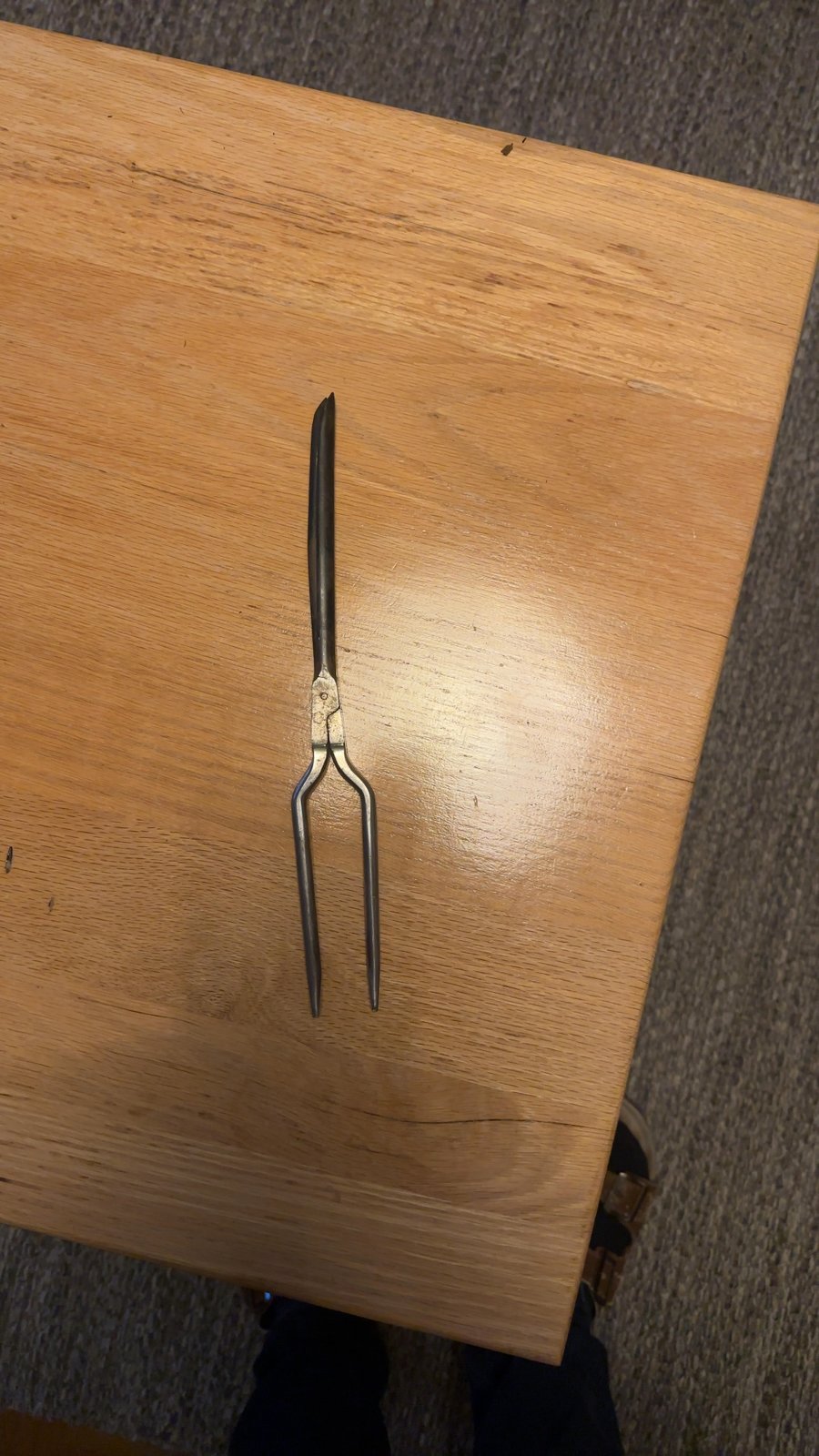
These appear to be a pair of antique curling tongs, likely dating from a period before electric curling irons became widespread. The design features two hinged metal arms, one with a concave channel and the other with a convex rod, designed to heat and curl hair. The extended handles suggest they were intended to be heated externally, possibly over a flame or in a specific heating stand, and then used manually. The lack of electrical elements is a key indicator of their earlier vintage.
CULTURAL ECHOES
Where This Object Echoes
The elaborate hairstyles of the Victorian era heavily relied on heated tongs for creating tight curls and waves, reflecting a societal emphasis on decorum and intricate personal presentation.
As styles softened, heated tongs were adapted to create marcel waves and Gibson Girl updos, showcasing a transition from rigid to more flowing hair aesthetics.
Ritual & Ceremonial Use
- •The morning grooming ritual for women in the late 19th and early 20th centuries, often involving heating these tools by a fire or gas lamp.
- •Professional hairdressers and domestics using these tools to style patrons' hair in salons or private homes.
Meaning Through Time
A symbol of domestic grooming and the meticulous effort required for fashionable appearance.
An anachronistic tool, largely replaced by electric alternatives, becoming a decorative object or historical curiosity.
HISTORICAL STORY
DID YOU KNOW?
Before electricity, these tongs were often heated over a gas flame or in a specialized 'curling iron heater' that women would keep on their dressing tables.
Early versions of curling tongs were sometimes made from various metals, including brass and steel, and could be quite heavy and cumbersome to use.
MATERIAL & CONDITION
Surface
The metal surfaces show evidence of age, including some minor corrosion and discoloration consistent with steel or iron that has not been polished recently. The hinges appear to function, though there's a visible patina that suggests long-term storage or use.
Weight & Feel
Based on the likely material of iron or steel, these tongs would feel moderately heavy and solid in the hand, designed for durability rather than lightness.
Condition
The tongs appear to be in good antique condition, with expected wear and patina for an item of its age. There are no obvious signs of breakage or significant structural damage, though the exact condition of the spring mechanism (if any, though none is clearly visible) is unclear without handling.
RARITY ANALYSIS
Typical antique shop fare. Requires some searching but regularly available. This is where most genuine antiques fall.
Typical Characteristics
- Standard antique shop items
- Regularly available
- Moderate collector interest
EXPERT ANALYSIS
Textile Conservator & Fashion Historian
The visual evidence strongly points to these being antique curling tongs, a common fashion accessory from the pre-electricity era, although specific maker details are absent.
KEY EVIDENCE
- 1The presence of heating tongs without electrical components clearly indicates an pre-electric age design.
- 2The construction with two hinged metal arms, one concave and one convex, is characteristic of antique curling tools.
- 3The visible patina and surface wear are consistent with an item of late 19th to early 20th century manufacture and use.
WHAT WOULD IMPROVE CERTAINTY
- →Examine the hinge mechanism for any maker's marks or patent numbers.
- →Close-up inspection of the handles for any residual material that might indicate previous heat application or insulation.
ESTIMATED VALUE
Updated: Feb 26, 2026
- Market comparables from auctions & retail
- Condition, completeness & craftsmanship
- Current collector demand & trends
- Low = quick sale, high = patient seller
For informational purposes only, not a formal appraisal.
SHARE THIS CURIOSITY
Have your own curiosities to discover?
Scan Your Curiosity
COMMENTS
No comments yet. Be the first to share your thoughts!
Sign in to leave a comment