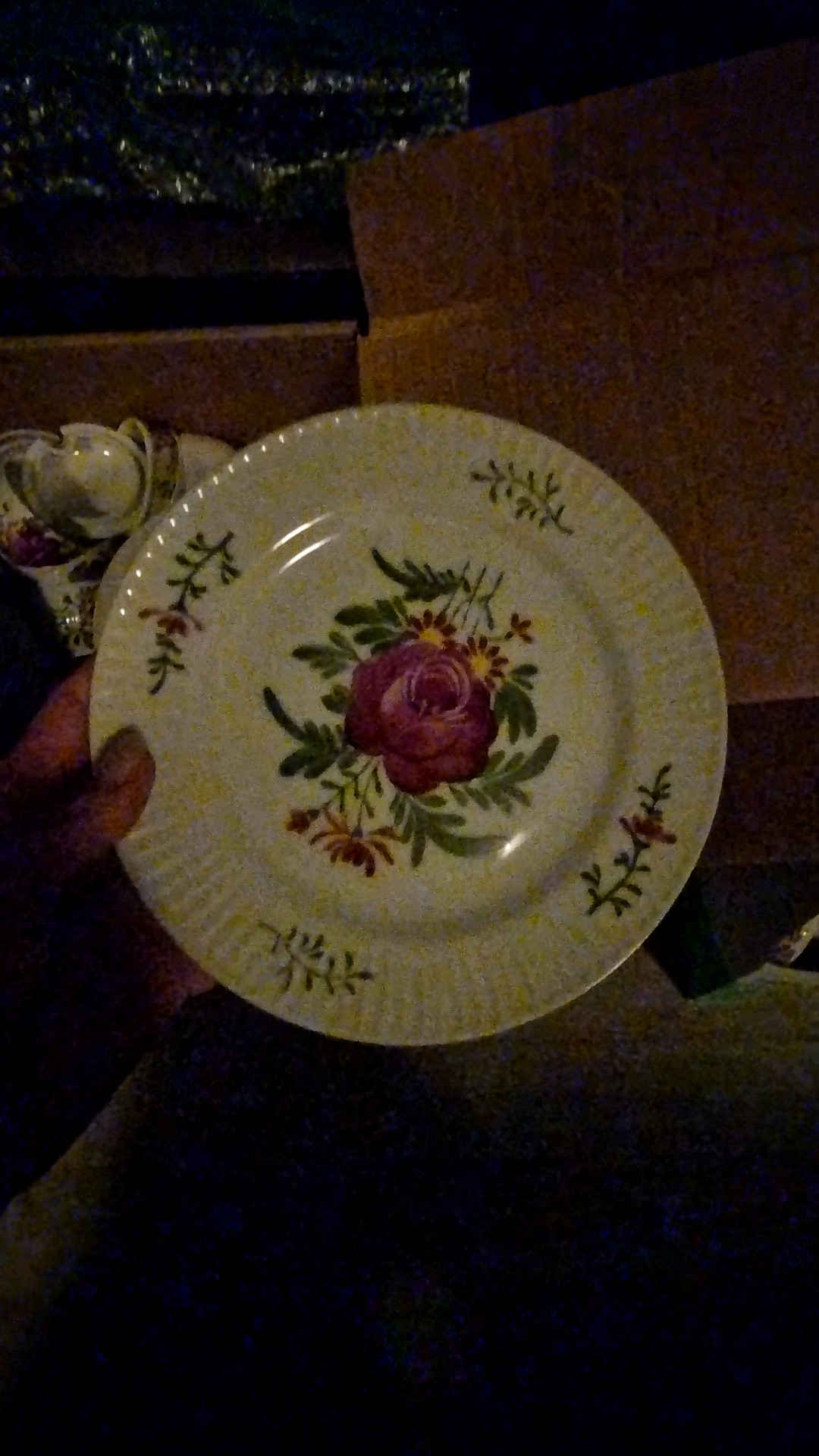
Porcelain Plate and Teapot with Floral Motif
QUICK FACTS
Categories
Era
Mid-20th Century (1940s-1970s)
Origin
🌍 International
Rarity
Ordinary (3/10)
Discovered
Jan 28, 2026
1 months ago
DESCRIPTION
This appears to be a small porcelain plate and a teapot, likely part of a tea set. The pieces feature a transfer-printed floral design centered on the plate and repeated on the teapot, predominantly a large pink rose with smaller blooms and foliage. The plate has a fluted or ribbed rim, adding a decorative element beyond the central motif. The overall style suggests a mid-20th century production.
CULTURAL ECHOES
Where This Object Echoes
The widespread use of porcelain tea sets for formal and informal gatherings, originating from Chinese traditions and adopted across Europe by the 18th century, significantly shaped domestic customs.
Ritual & Ceremonial Use
- •Afternoon tea customs, which gained popularity in the 19th century, made tea sets central to social rituals and domestic hospitality.
- •Gift-giving for weddings or housewarmings, where decorative tea sets were common and cherished presents.
Meaning Through Time
Possession of fine porcelain indicated wealth and social status, often associated with exoticism due to its origins.
Mass-produced decorated tableware symbolized domestic comfort, accessibility, and the popularization of 'good taste' in everyday homes.
HISTORICAL STORY
DID YOU KNOW?
The use of transfer printing radically democratized access to decorated ceramics, allowing intricate patterns previously reserved for hand-painted pieces to be produced cheaply and in high volume.
Floral patterns on tableware often held symbolic meanings, with roses commonly representing love and beauty, making them popular choices for celebratory or sentimental sets.
MATERIAL & CONDITION
Surface
The plate and teapot exhibit a glossy, glazed porcelain or ceramic surface. The texture appears smooth beneath the glaze, with a fluted or ribbed pattern on the plate's rim. The floral motif is likely a transfer print, showing a slight texture under reflected light, typical of mass-produced decorative wares.
Weight & Feel
Given the material is porcelain or ceramic, the pieces would likely feel moderately weighted, substantial enough to be sturdy but not excessively heavy, typical for domestic tableware.
Condition
Visually, the pieces appear to be in good overall condition with no obvious chips, cracks, or significant wear to the glaze or design. The colors of the floral motif still seem vibrant. However, without closer inspection, minor crazing or utensil marks cannot be ruled out.
RARITY ANALYSIS
Standard antiques commonly found at estate sales and flea markets. Plentiful supply meets modest demand.
Typical Characteristics
- Moderate production runs
- Common at estate sales
- Entry-level collectibles
EXPERT ANALYSIS
Furniture Historian & Restoration Specialist
The confidence level is moderate due to the clear visual evidence of material and style, which firmly places these objects within a mid-20th century mass-produced category. However, the exact maker and minor condition details remain obscured by the image quality.
KEY EVIDENCE
- 1Floral transfer-printed design, characteristic of mid-20th century mass-produced ceramics.
- 2Ribbed/fluted rim on the plate, a common decorative feature on tableware of the period.
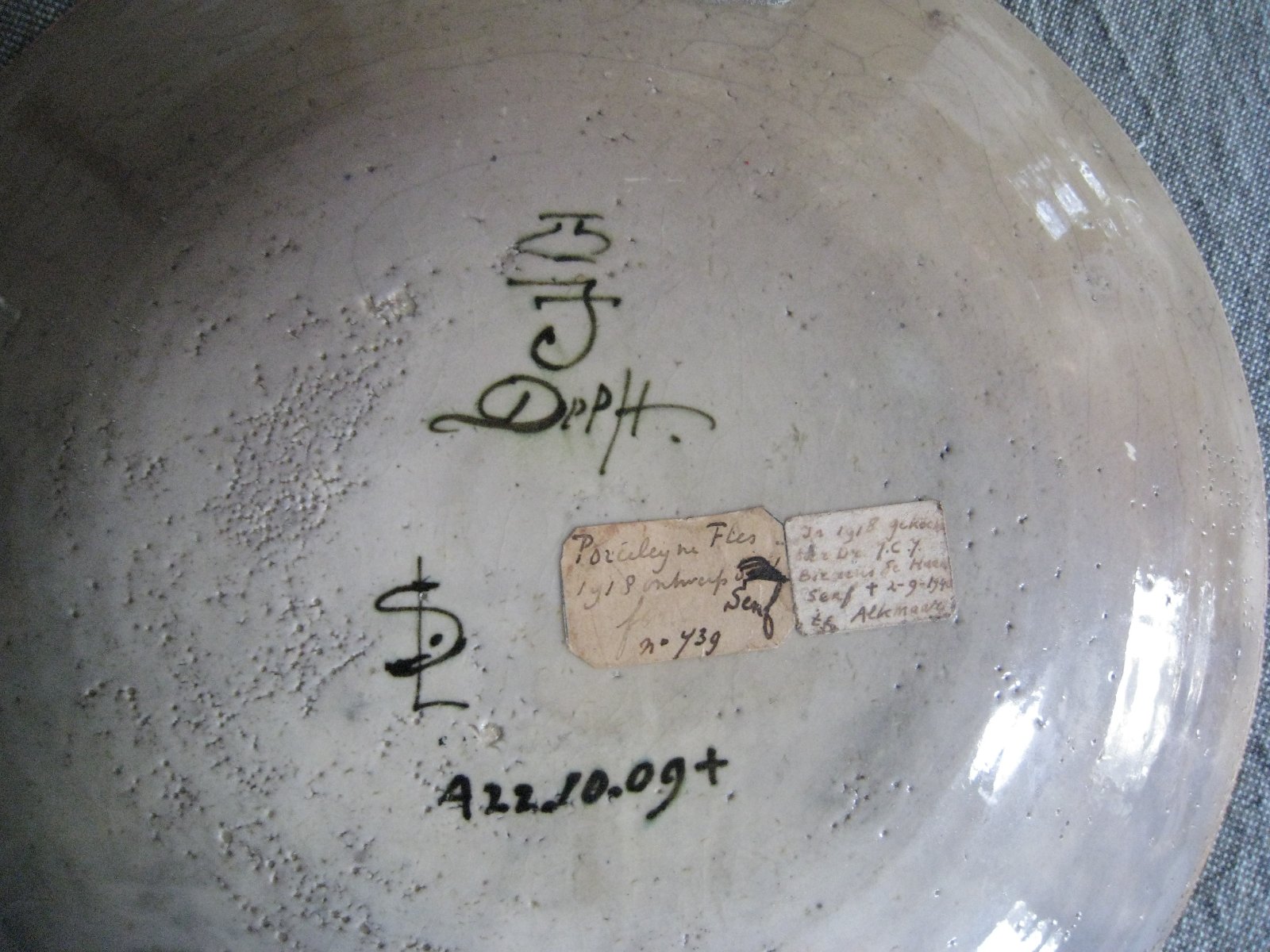
- 3Visible mark on the reverse of the plate suggests a manufacturer's stamp, though illegible.
- 4Apparent good condition of both pieces suggests careful use or storage.
UNCERTAINTIES
- •The maker's mark on the reverse of the plate is not discernible, preventing precise attribution.
- •The lighting in the images is quite dim, making it difficult to assess minor flaws or the exact color fidelity.
- •Absence of images of the teapot's lid or interior restricts a full assessment of the set's completeness and condition.
WHAT WOULD IMPROVE CERTAINTY
- →Clearer, well-lit photographs of the maker's mark on the back of the plate.
- →Photographs of the teapot's spout, handle, lid, and interior.
- →Close-up images to inspect for any crazing, chips, or utensil marks.
- →A photograph of the entire tea set, if these are part of a larger collection.
ESTIMATED VALUE
Updated: Feb 27, 2026
- Market comparables from auctions & retail
- Condition, completeness & craftsmanship
- Current collector demand & trends
- Low = quick sale, high = patient seller
For informational purposes only, not a formal appraisal.
ABOUT DECORATIVE OBJECTS
Ceramics, silver, porcelain, glassware, and decorative arts.
Browse all Decorative ObjectsSHARE THIS CURIOSITY
Have your own curiosities to discover?
Scan Your Curiosity
COMMENTS
No comments yet. Be the first to share your thoughts!
Sign in to leave a comment