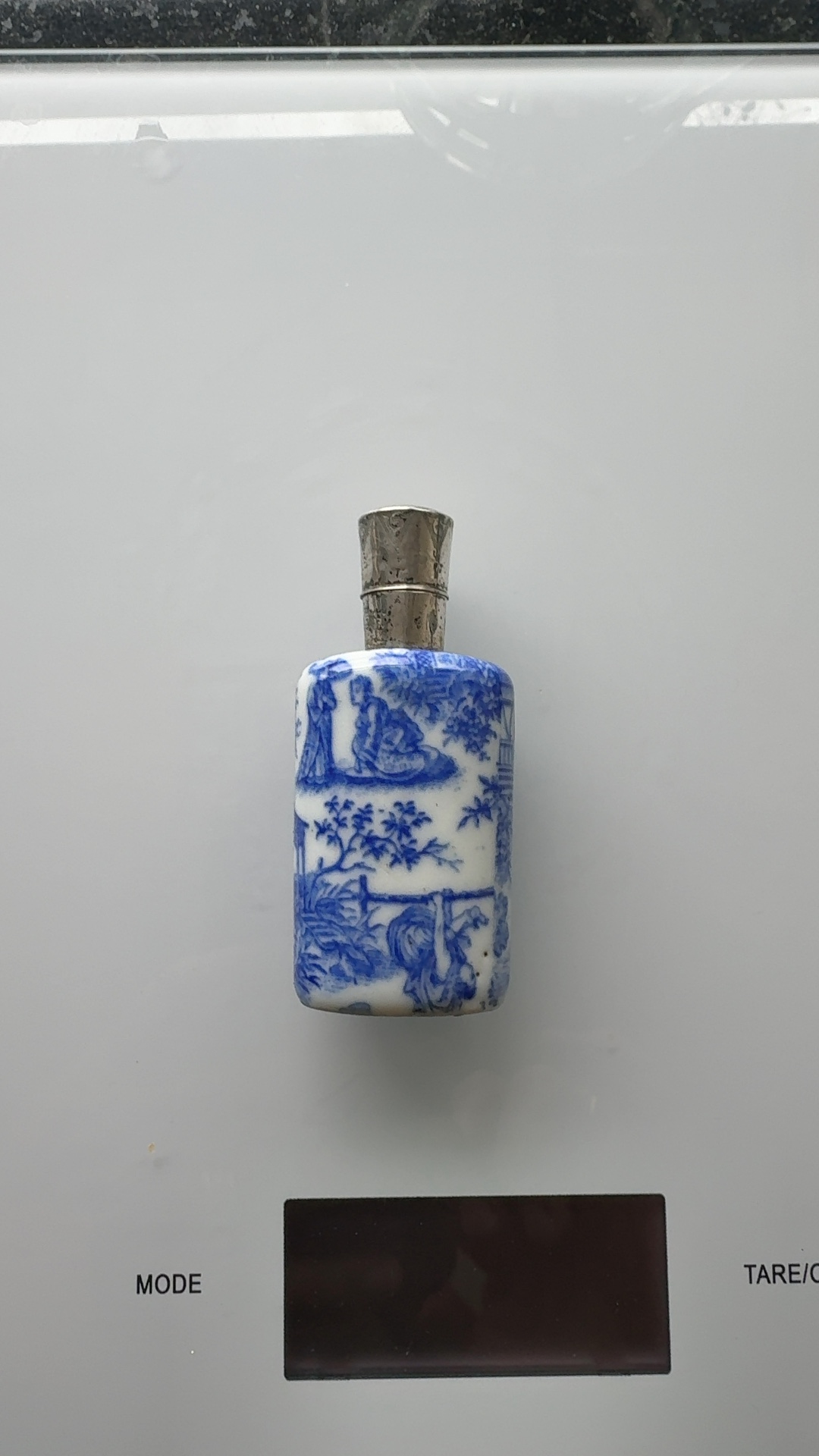
Blue and White Ceramic Scent Bottle with Silver Mounts
QUICK FACTS
Categories
Era
Late 19th to Early 20th Century
Origin
🌍 International
Rarity
Average (4/10)
Discovered
Feb 19, 2026
1 weeks ago
DESCRIPTION
This appears to be a small ceramic scent bottle, likely porcelain or fine earthenware, decorated in a classic blue and white transfer-printed or hand-painted Chinoiserie-style landscape and figural scene. The form is a flattened ovoid or rectangular shape, capped with what appears to be a silver or silver-plated hinged dome lid, often referred to as a 'stopper' or 'mount'. The base material of the bottle shows some variation in blue tone, suggesting a possible marbling effect or perhaps hand-painting rather than a strict transfer print in some areas. The silver cap features a repoussé or stamped design, possibly a starburst or floral motif.
CULTURAL ECHOES
Where This Object Echoes
The 'Chinoiserie' style, a European interpretation of East Asian art, frequently appeared on porcelain and decorative arts from the 18th to early 20th centuries.
Early Japanese porcelain produced for export also heavily influenced European blue and white designs, often depicting similar landscape and figural vignettes.
Ritual & Ceremonial Use
- •Personal adornment and hygiene, as scent bottles were used to carry perfumes or aromatic salts.
- •Social rituals, where the presentation of such an item could signify taste and status.
- •Gift-giving, as small, decorative items like this were often exchanged as tokens of affection or remembrance.
Meaning Through Time
A luxury item primarily for the wealthy, reflecting a fascination with exotic 'Oriental' aesthetics and the burgeoning perfume industry.
Became more widespread with industrialization, a common accoutrement for middle-class women, though still a personal and decorative item.
Primarily viewed as a collectible antique, valued for craftsmanship, beauty, and historical context rather than its original functional purpose.
HISTORICAL STORY
DID YOU KNOW?
Scent bottles were often carried in an age when public hygiene was less advanced, allowing individuals to sniff pleasant aromas or revive themselves with smelling salts.
The blue and white color scheme found on this bottle was originally developed in China using cobalt oxide, which was imported to Europe at great expense, making blue a highly prized and expensive pigment until local sources were found.
MATERIAL & CONDITION
Surface
The ceramic body exhibits a smooth, glossy glaze with evident blue decoration, likely underglaze. There are areas where the blue appears to 'bleed' or marble into the white ground, which could indicate a specific glazing technique or even hand painting. The silver mount shows some tarnish and minor surface wear, consistent with age and handling, with a decorative motif on its domed top.
Weight & Feel
Given its small size and material composition, this scent bottle would feel light yet surprisingly substantial in the hand, especially with the added weight of the silver mount and the density of porcelain or fine earthenware.
Condition
The ceramic bottle appears to be in good overall condition, with no immediately obvious chips or cracks from the images. The silver mount shows signs of tarnish, which is expected with age, and minor scuffs or dents may be present but are not clearly visible. The hinge mechanism for the lid seems intact. Some wear on the footrim would be expected, but the base is not shown.
RARITY ANALYSIS
Typical antique shop fare. Requires some searching but regularly available. This is where most genuine antiques fall.
Typical Characteristics
- Standard antique shop items
- Regularly available
- Moderate collector interest
EXPERT ANALYSIS
Decorative Arts Specialist
Confidence is good based on the clear visual identification of the object type and its decorative style. However, the lack of visible marks or hallmarks prevents a more precise attribution, which would elevate confidence further.
KEY EVIDENCE
- 1Blue and white decorative motif, suggestive of Chinoiserie or oriental influence.
- 2Small, flattened ovoid/rectangular form typical of scent bottles or vinaigrettes.
- 3Hinged silver-toned metal cap, indicating a design for portability and secure closure.
- 4Visible details of the decoration suggest either hand-painting or a finely executed transfer print.
- 5The scale against the hand provides a good sense of its miniature size.
UNCERTAINTIES
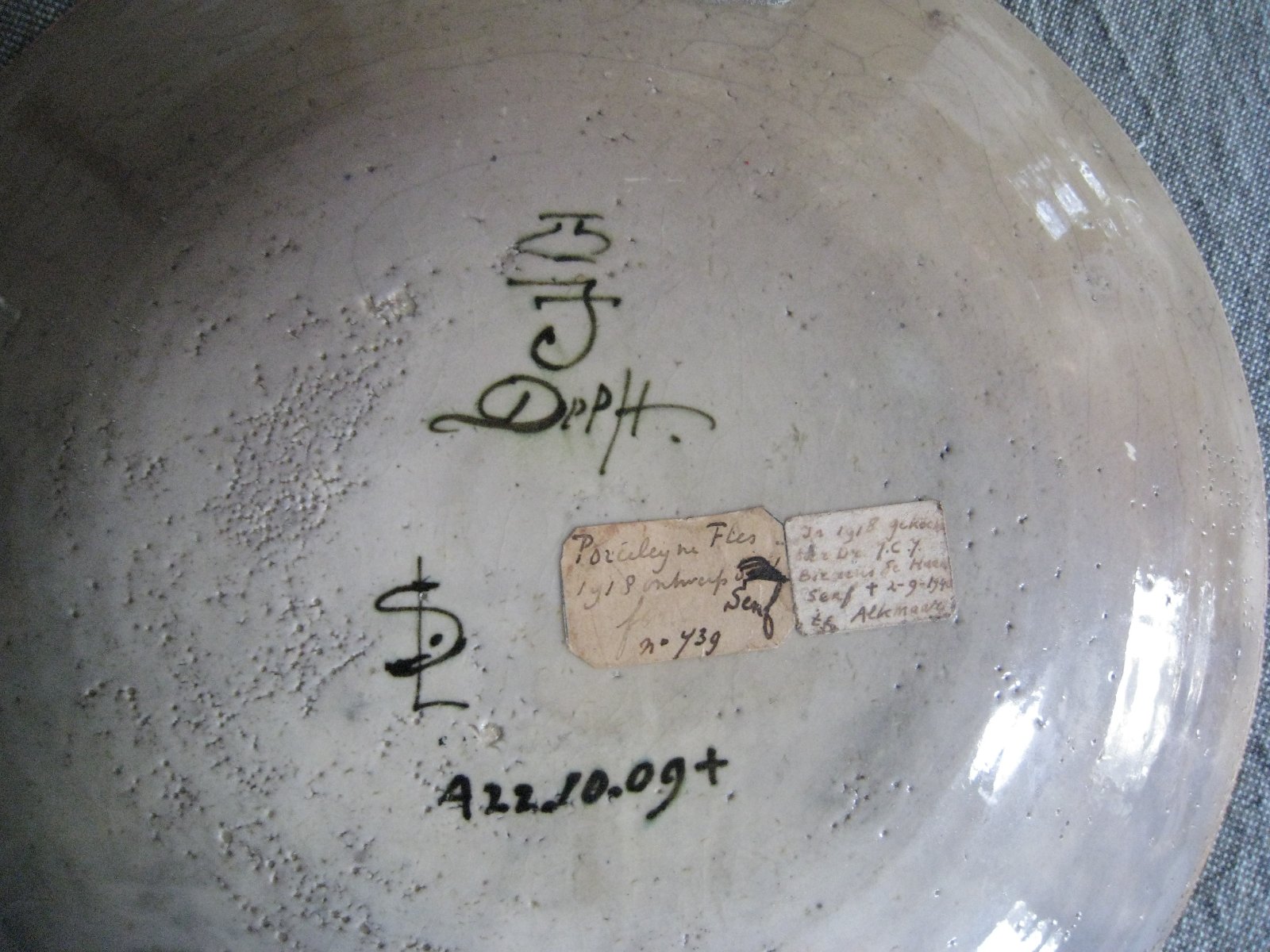
- •Absence of any visible maker's mark or factory stamp on the ceramic or silver mounts.
- •Limited view of the silver mount for potential hallmarks.
- •The image quality of the decoration doesn't allow for absolute certainty on painting method.
WHAT WOULD IMPROVE CERTAINTY
- →Examine the base of the bottle for any maker's marks, date codes, or factory stamps.
- →Provide high-resolution close-up photographs of the silver cap, particularly around the rim, for any hallmarks (sterling silver marks).
- →Inspect the ceramic surface under UV light to detect any professional repairs or restoration.
- →A clearer view of the decoration would help determine if it is hand-painted, transfer-printed, or a combination.
ESTIMATED VALUE
Updated: Feb 27, 2026
- Market comparables from auctions & retail
- Condition, completeness & craftsmanship
- Current collector demand & trends
- Low = quick sale, high = patient seller
For informational purposes only, not a formal appraisal.
ABOUT DECORATIVE OBJECTS
Ceramics, silver, porcelain, glassware, and decorative arts.
Browse all Decorative ObjectsSHARE THIS CURIOSITY
Have your own curiosities to discover?
Scan Your Curiosity
COMMENTS
No comments yet. Be the first to share your thoughts!
Sign in to leave a comment