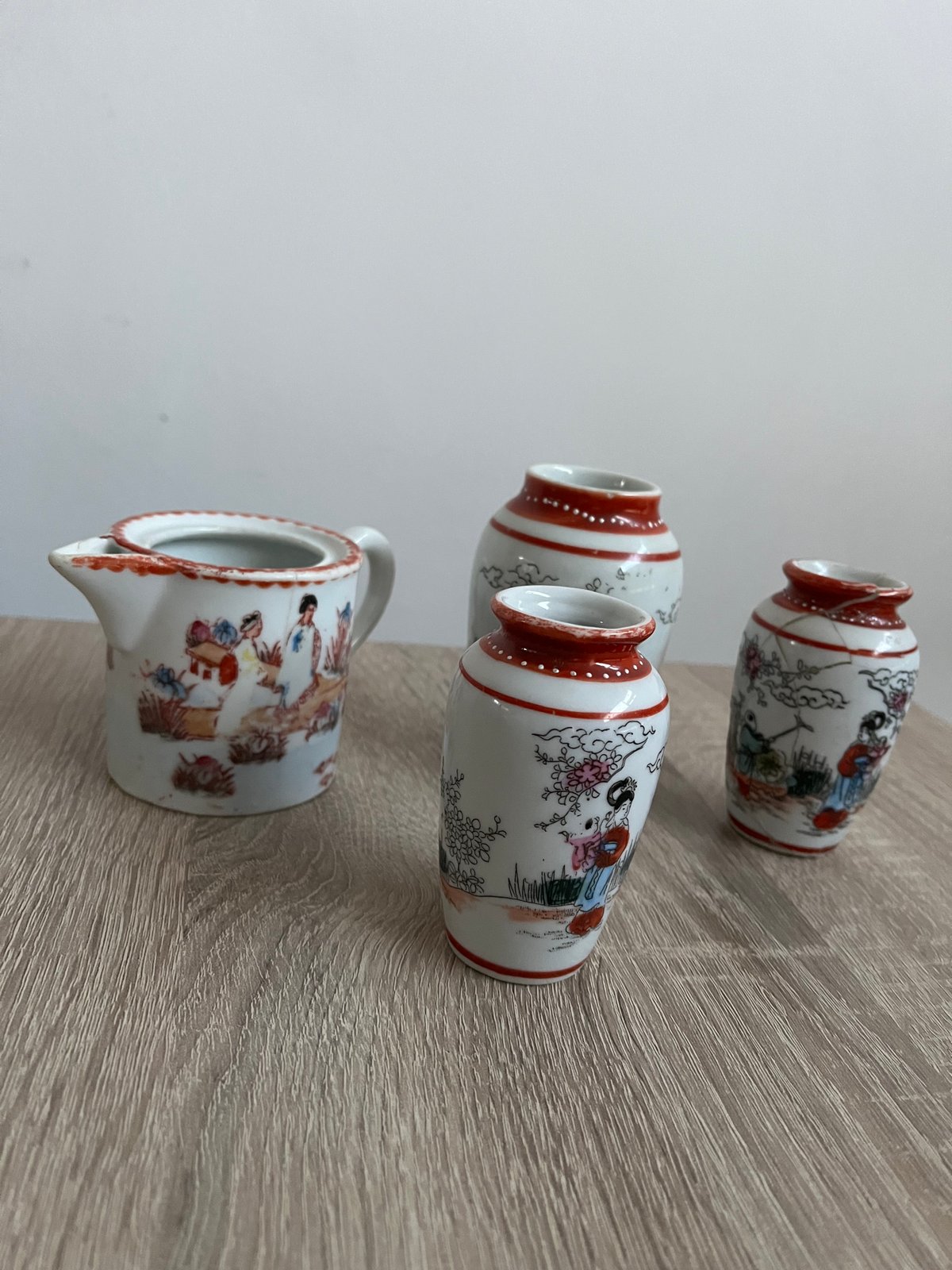
Miniature Japanese Kutani Porcelain Tea Set Components, Showa Era (mid-20th century)
Estimated value
$25 - $65Rarity
Ordinary(3/10)Category
Ceramics & PotteryBrand
KutaniEra
Mid-20th Century (circa 1950-1970)Origin
🇯🇵 JapanAuthenticity
MINIATURE JAPANESE KUTANI PORCELAIN TEA SET COMPONENTS, SHOWA ERA (MID-20TH CENTURY): IDENTIFICATION
A set of four miniature porcelain vessels including three ovoid spice or sake jars and one small cream pitcher or yuzamashi. Each piece is decorated in the Kutani style featuring hand-painted bijin figures in outdoor landscapes, executed with iron-red overglaze and accented with black outlines and gold moriage dotting. The base of at least one vessel bears a simplified red stamped mark representing ‘Kutani’ or a related workshop shorthand, typical of mid-century export ware.
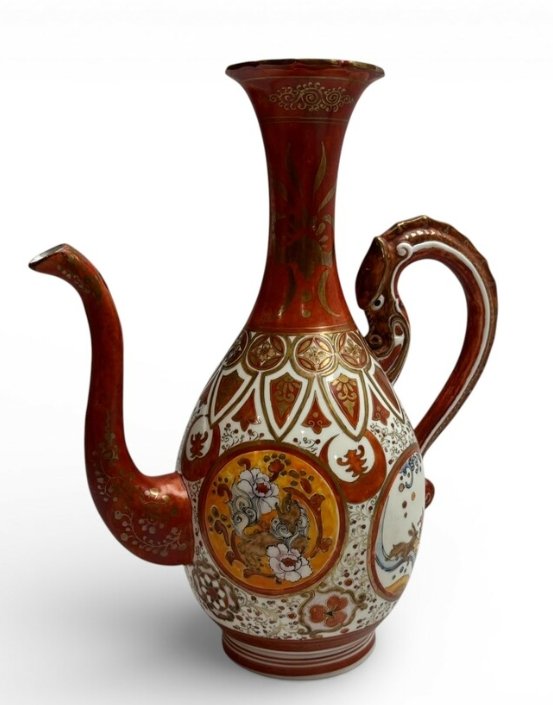
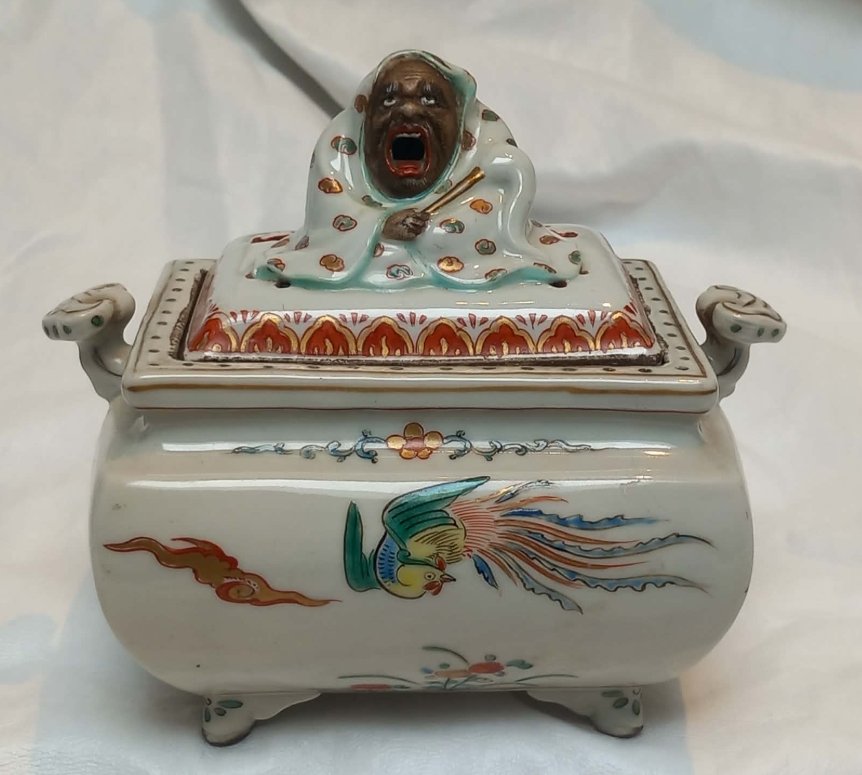
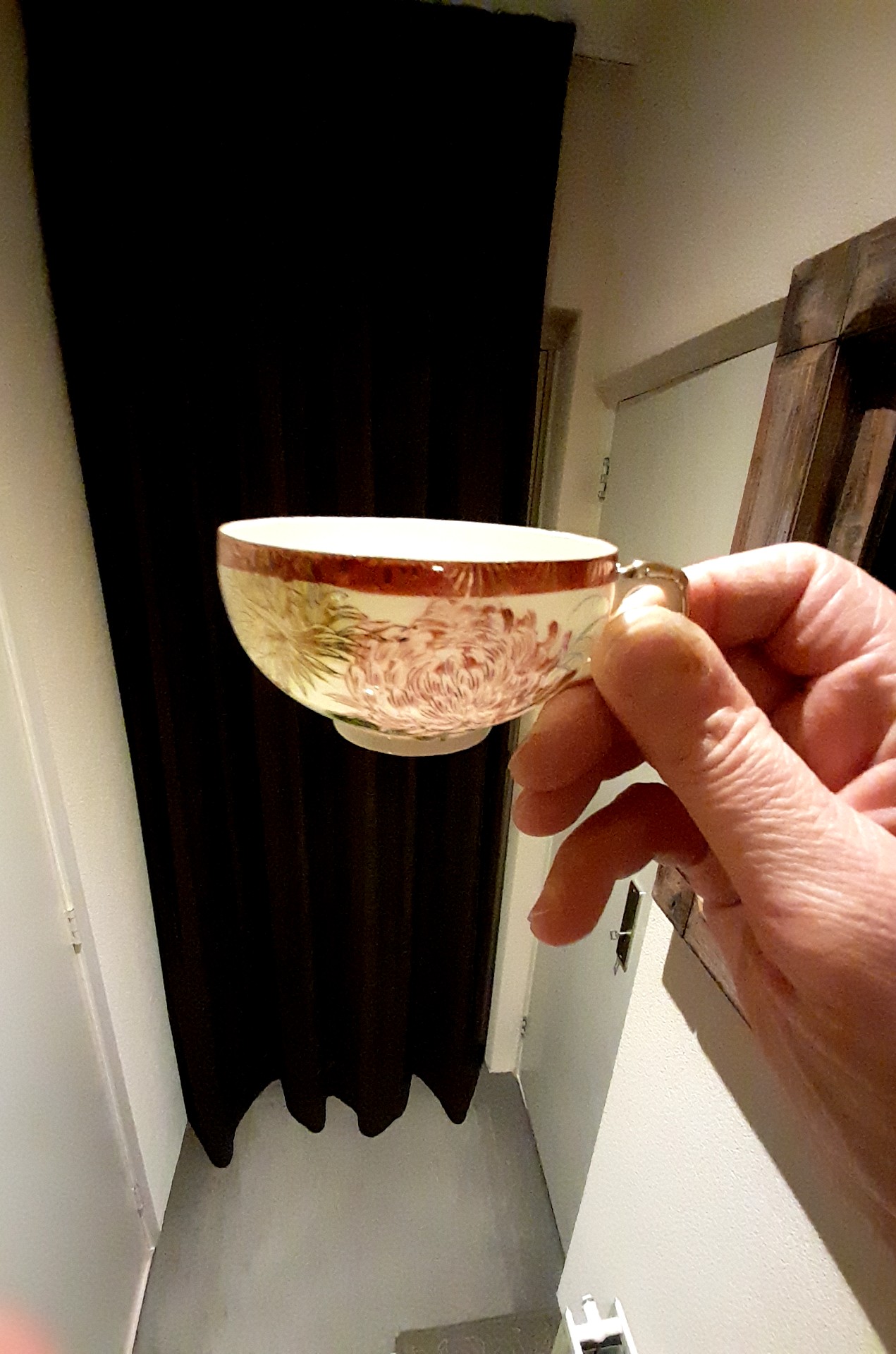
Compare with other ceramic pieces in the archive: Japanese Lithophane Teacup, Showa Era, circa 1930-1950, Kutani Ware Ewer with Dragon Handle, Kutani Ware Daruma Censer (Koro).
PRODUCTION & FIRING
COLLECTOR NOTES
During the Occupation of Japan (1945-1952), similar miniature sets were often marked 'Occupied Japan' on the base, though these specific marks date slightly later.
SCARCITY
Standard antiques commonly found at estate sales and flea markets. Plentiful supply meets modest demand.
Rarity 3/10. Curiosa currently catalogues 173 ceramics items at rarity 3 or higher.
Typical Characteristics
- Moderate production runs
- Common at estate sales
- Entry-level collectibles
Confidence Factors
- Typical mid-century construction and mark
- High volume of production for this specific style in the 1960s
- Construction consistent with mass-market export porcelain
CERAMICIST'S ASSESSMENT
Asian Art Specialist
The style, material, and mark are highly consistent with mid-century Japanese export ware, making identification straightforward despite the commonality of the pieces.
KEY EVIDENCE
- 1Iron-red (aka-e) overglaze color scheme diagnostic of Kutani style
- 2Moriage dotting technique visible on the red neck bands
- 3Simplified red workshop stamp on the unglazed footrim
- 4Transfer-printed outlines with hand-painted colored infill
UNCERTAINTIES
- •Structural crack on the smallest jar significantly impacts value
- •Simplified mark suggests mass-production workshop rather than master studio
WHAT WOULD IMPROVE CERTAINTY
- →Examine under blacklight to check for professional repairs on the cracked jar
- →Compare the simplified mark against the Gotheborg 'Kutani' database for specific kiln identification
CONDITION & GRADE
Condition
A visible horizontal fracture or crack is present on the neck of the right-most ovoid jar. Some instances of overglaze wear on the iron-red bands and minor kiln peppering on the footrims are observed.
Weight & feel
Lightweight and delicate, likely weighing less than 50 grams per piece given the height of approximately 5 to 7 cm.
CERAMICS MARKET VALUE
Updated: May 11, 2026
Who buys this
Collectors of miniature porcelain, Japanese export enthusiasts, and vintage dollhouse specialists.
What increases value
- •Completeness of the set
- •Vibrancy of the iron-red enamels
- •Clarity of the workshop mark
What lowers value
- •Visible crack on the smallest vessel
- •High availability of similar sets on eBay and Etsy
What makes top-tier examples
- •Finely detailed hand-painting rather than decal transfer
- •Gold leaf accents instead of liquid gold paint
- •Original matching tray or box
Grade & condition
Chips, cracks, fading of overglaze enamels, and clarity of the base mark.
Rarity & demand
For informational purposes only, not a formal appraisal.
SIMILAR CURIOSITIES
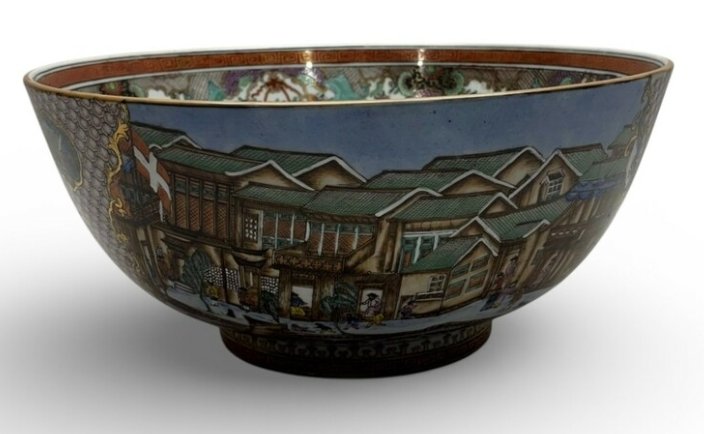
Chinese Export Porcelain 'Hong' Punch Bowl
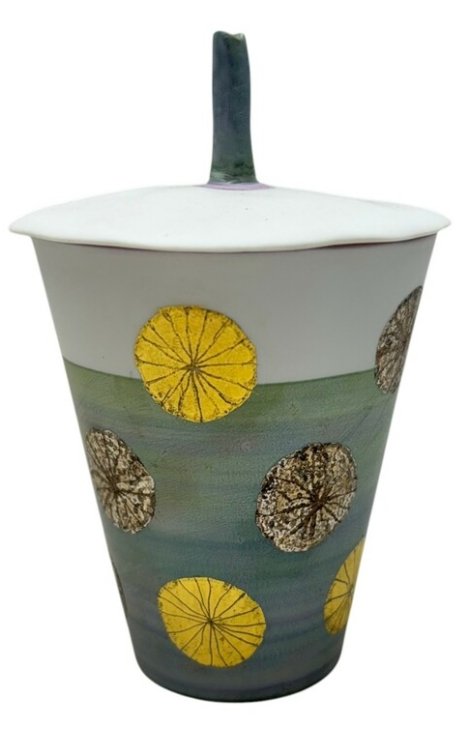
Arne Åse contemporary porcelain lidded vessel
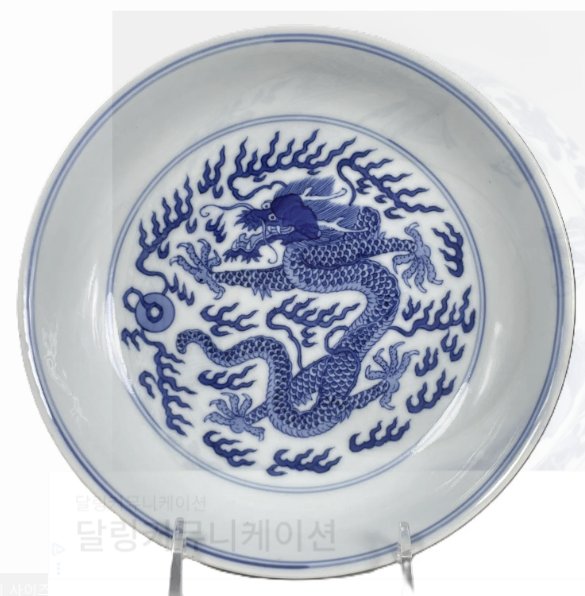
Chinese Blue and White 'Dragon' Dish
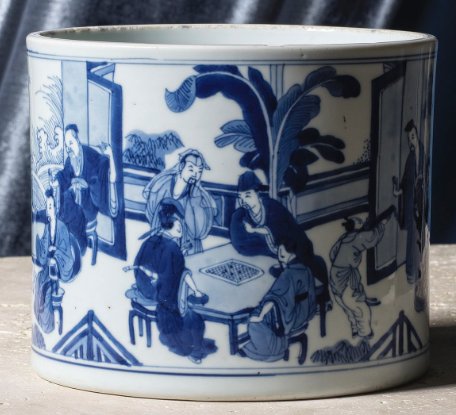
Blue and White Porcelain Bitong (Brush Pot)
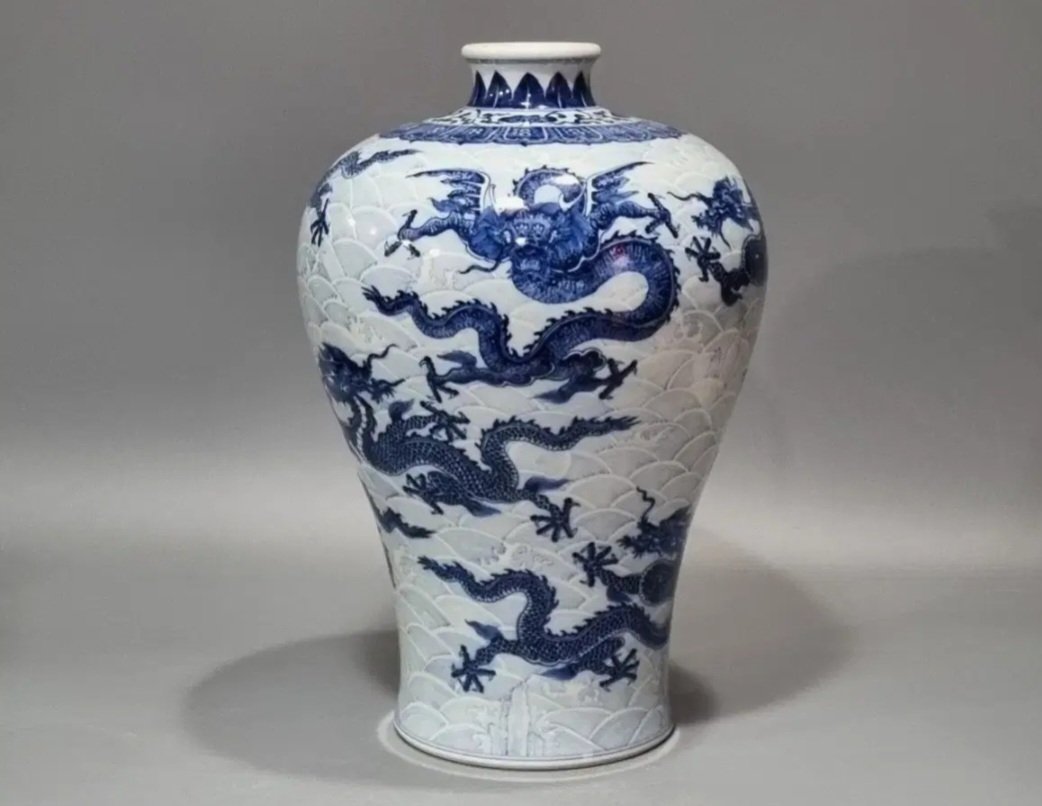
Chinese Blue and White 'Dragon' Meiping Vase, Qianlong Mark
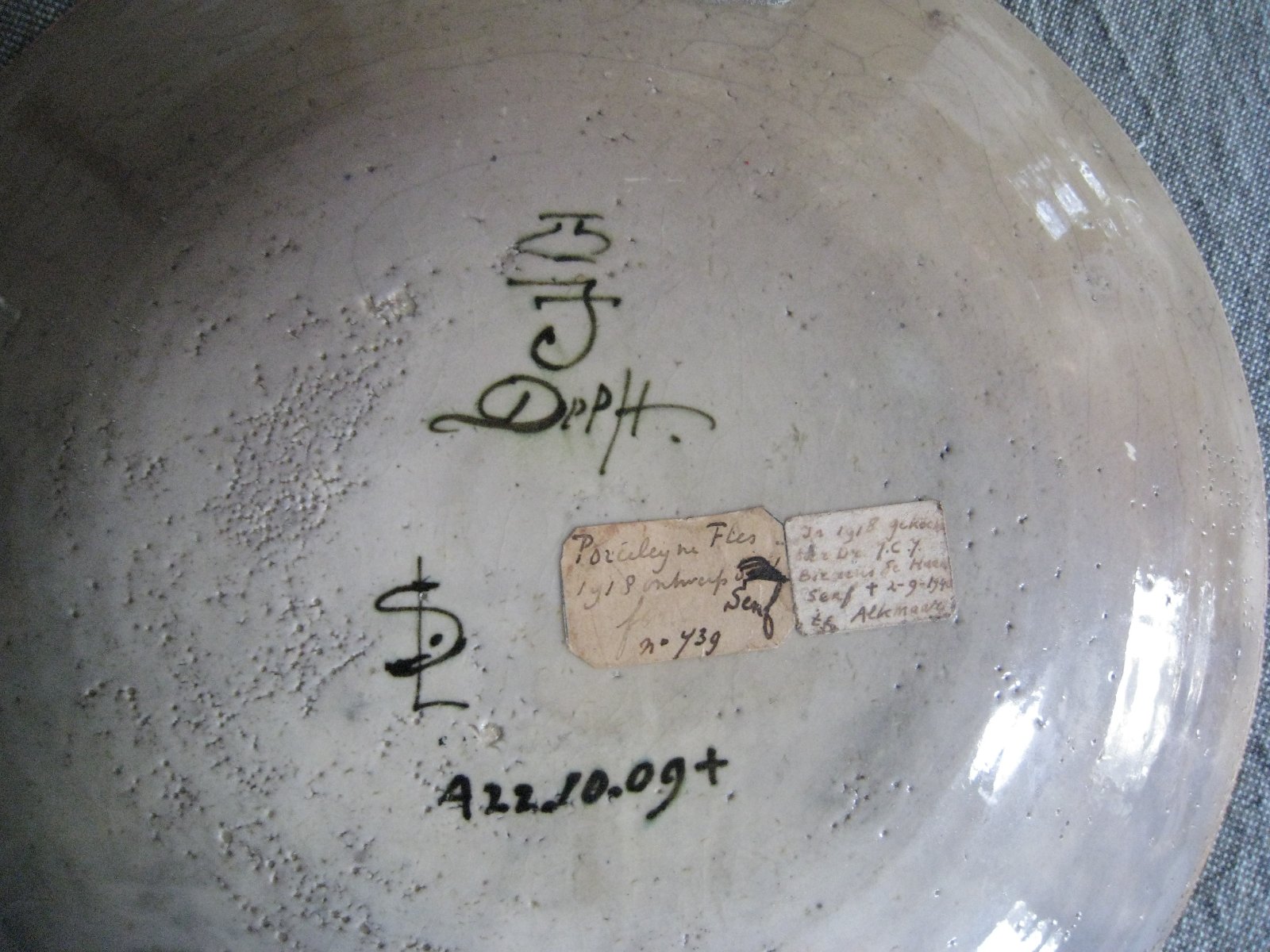
De Porceleyne Fles Delft Charger/Plate with Handwritten Marks
ABOUT CERAMICS & POTTERY
Pottery, porcelain, stoneware, earthenware, and kiln-fired objects.
Ceramics & Pottery value and rarity guideSHARE THIS CURIOSITY
Have your own curiosities to discover?
Scan Your Curiosity
COMMENTS
No comments yet. Be the first to share your thoughts!
Sign in to leave a comment