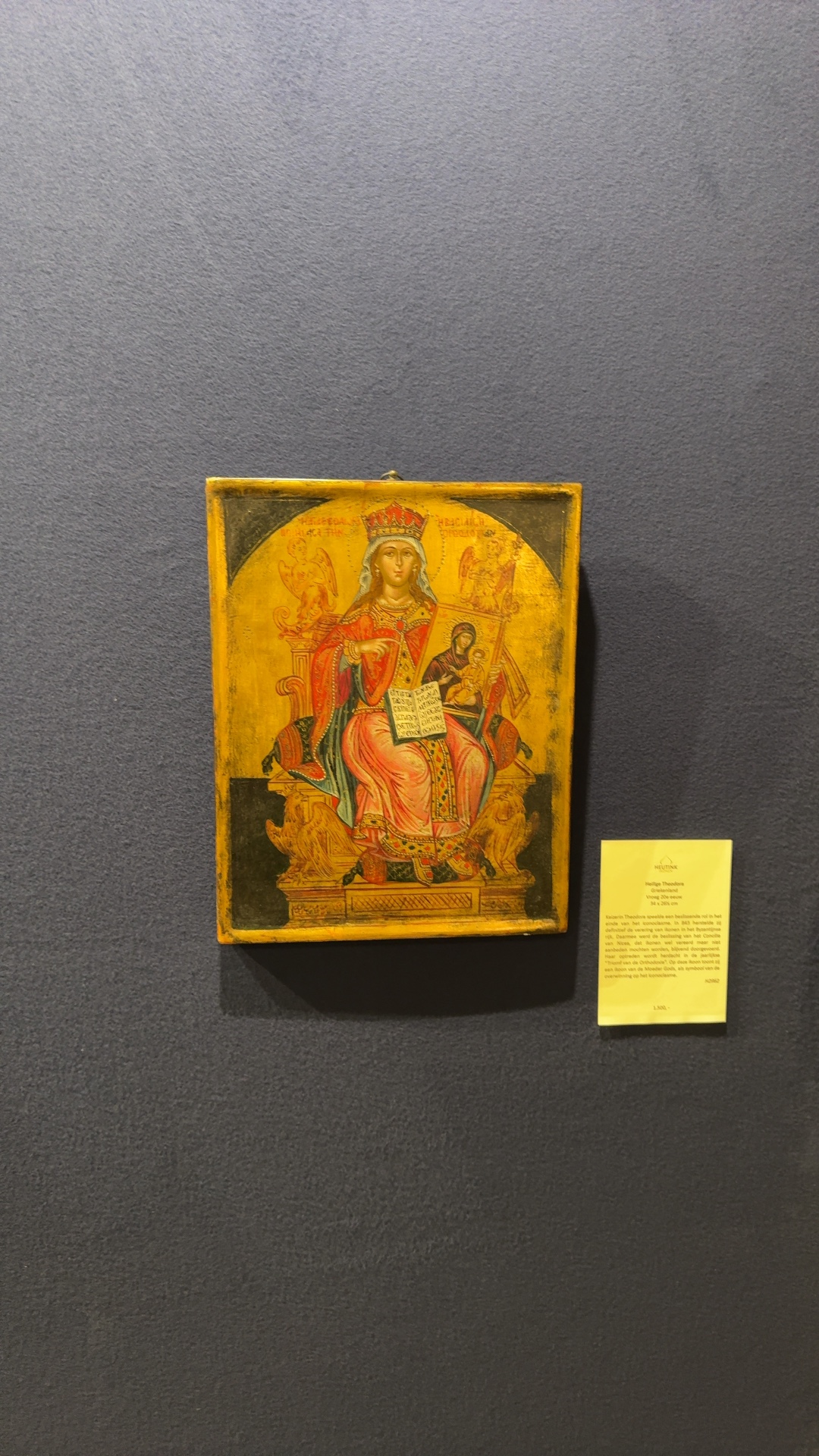
Greek Orthodox Icon of Saint Theodora
Estimated value
$1,200 - $1,800Rarity
Average(4/10)Type
Museum ObjectCategory
PaintingsBrand
Heutink IkonenEra
Early 20th CenturyOrigin
🇬🇷 GreeceAuthenticity
GREEK ORTHODOX ICON OF SAINT THEODORA: IDENTIFICATION
A Greek Orthodox icon painted in egg tempera and gold on a 34 x 26.5 cm gessoed wooden panel, depicting Empress Saint Theodora seated on a throne flanked by eagle armrests. The figure is shown holding an open text and a smaller icon of the Virgin Hodegetria (Mother of God). The composition is flanked by two small angels and contains Greek titulus inscriptions in the upper register identifying the subject.
Compare with other paintings in the archive: Surrealist Painting by William Vandenjoc, Abstract Expressionist Landscape Painting, Winterzon by Ansje Siel (2023).
SCARCITY
Typical antique shop fare. Requires some searching but regularly available. This is where most genuine antiques fall.
Rarity 4/10. Curiosa currently catalogues 42 paintings items at rarity 4 or higher.
Typical Characteristics
- Standard antique shop items
- Regularly available
- Moderate collector interest
Confidence Factors
- Item possesses physical labeling from Heutink Ikonen, a known specialty dealer in the Netherlands.
- Craquelure and surface wear appear consistent with an early 20th-century dating.
THE ART SPECIALIST'S TAKE
Sacred Art & Material Culture Specialist
The presence of a professional gallery label providing exact dimensions, date, and subject matter, combined with high-resolution photographic evidence supporting that attribution, yields a very strong identification.
KEY EVIDENCE
- 1Dealer label (Heutink Ikonen, inventory H2962) explicitly dates the piece to 'Vroeg 20e eeuw' (Early 20th century) and origins to Greece.
- 2Panel dimensions recorded exactly at 34 x 26.5 cm.
- 3Specific iconography of Empress Theodora holding the Hodegetria confirms the label's subject identification.
- 4Greek inscriptions confirm regional origin.
- 5Retail pricing anchor established by the visible €1,500 tag.
WHAT WOULD IMPROVE CERTAINTY
- →Examination of the reverse of the panel to check for structural battens (sponki) and wood aging.
- →Ultraviolet light inspection to determine the extent of modern inpainting or varnish replacement.
- →X-ray fluorescence (XRF) testing of the gold ground to differentiate between gold leaf and brass-based metallic powders common in early 20th-century commercial workshops.
CONDITION & GRADE
Condition
The painted surface appears structurally stable with no active flaking visible. There is minor edge wear to the gilded ground, specifically along the top and bottom margins, consistent with gallery preparation and framing.
ART MARKET VALUATION
Updated: May 11, 2026
Who buys this
Private collectors of Eastern Orthodox antiquities, theological institutions, and niche buyers focused on Byzantine history.
What increases value
- •Retail province established by a recognized specialty dealer.
- •Highly legible Greek inscriptions.
- •Theological significance of the specific subject matter (defense of icons).
What lowers value
- •The generally flat stylization points to a solid workshop rather than a master hand, capping its upper market ceiling.
- •Late dating (20th century) compared to highly sought-after 17th or 18th-century examples.
What makes top-tier examples
- •Examples from Mount Athos or specific renowned mainland monasteries.
- •Use of highly burnished 24k gold leaf for the background rather than metallic paints.
Grade & condition
Integrity of the panel wood (lack of warp or rot), adhesion of the gesso ground, and preservation of facial details.
Rarity & demand
For informational purposes only, not a formal appraisal.
SIMILAR CURIOSITIES
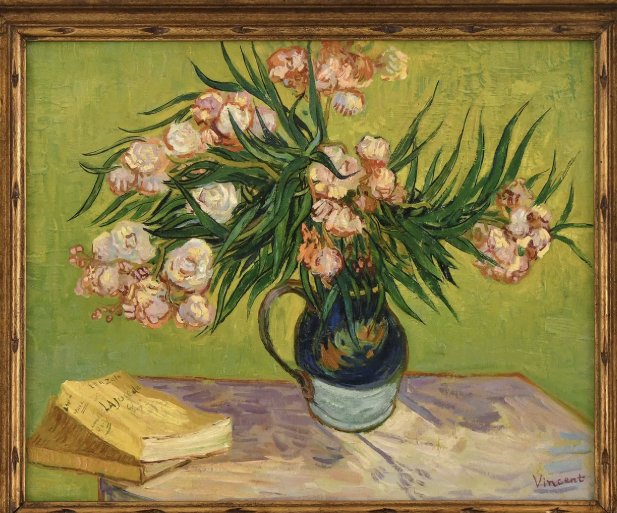
Oleanders (Still Life with Oleanders and Books)
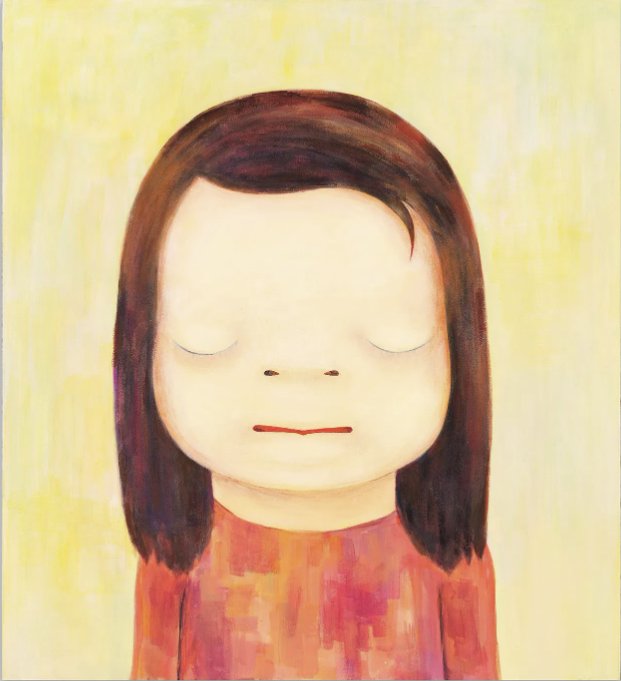
Original Painting Attributed to Yoshitomo Nara
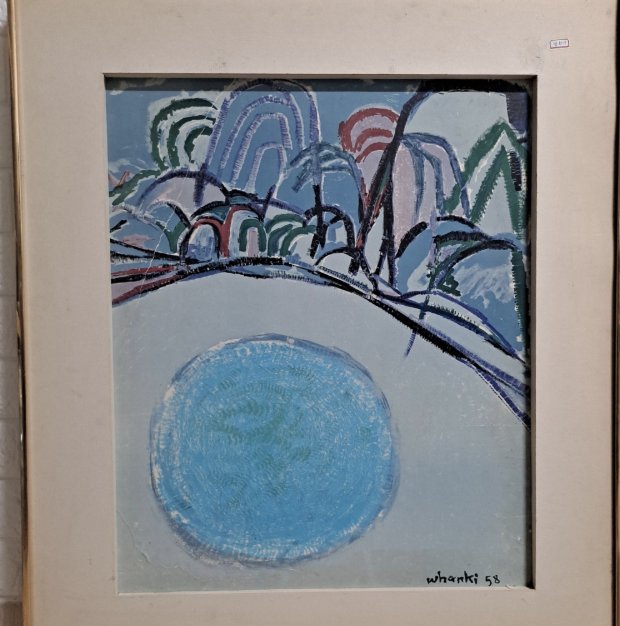
Composition in Blue, Attributed to Kim Whanki
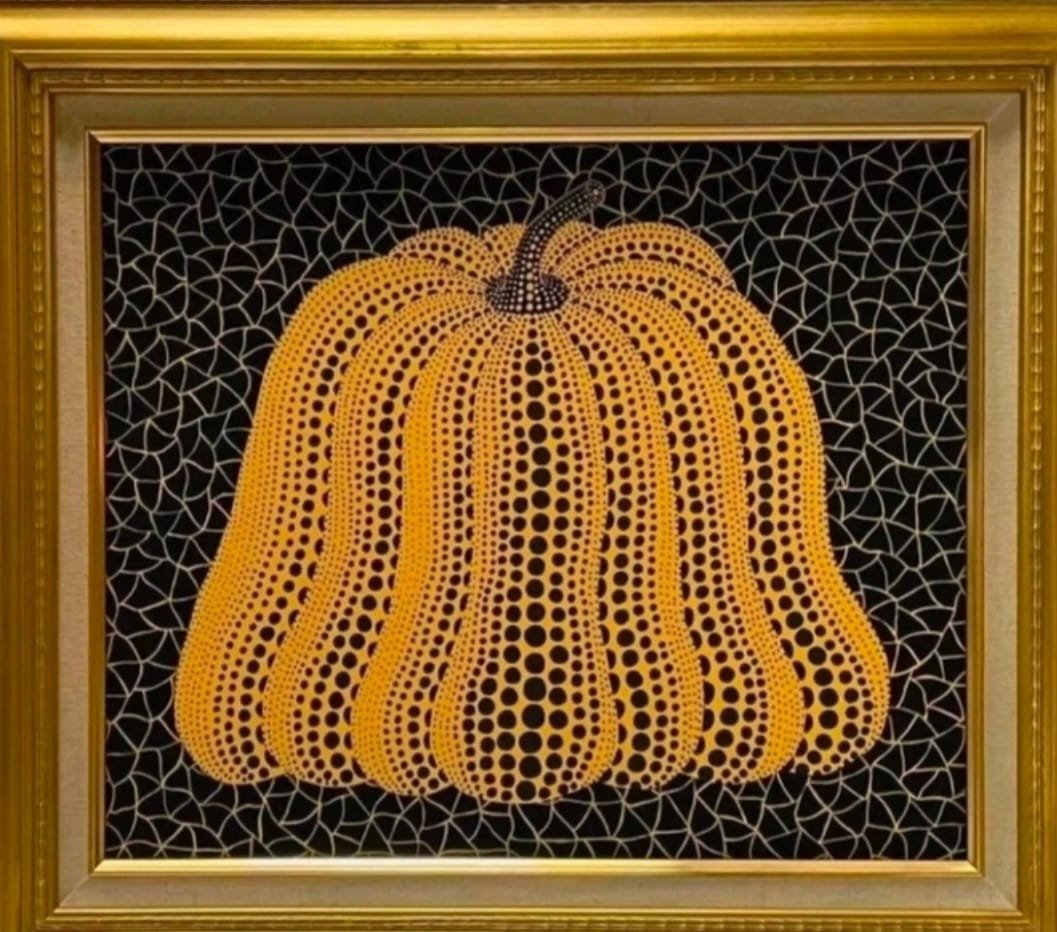
Yayoi Kusama 'Pumpkin' Acrylic on Canvas
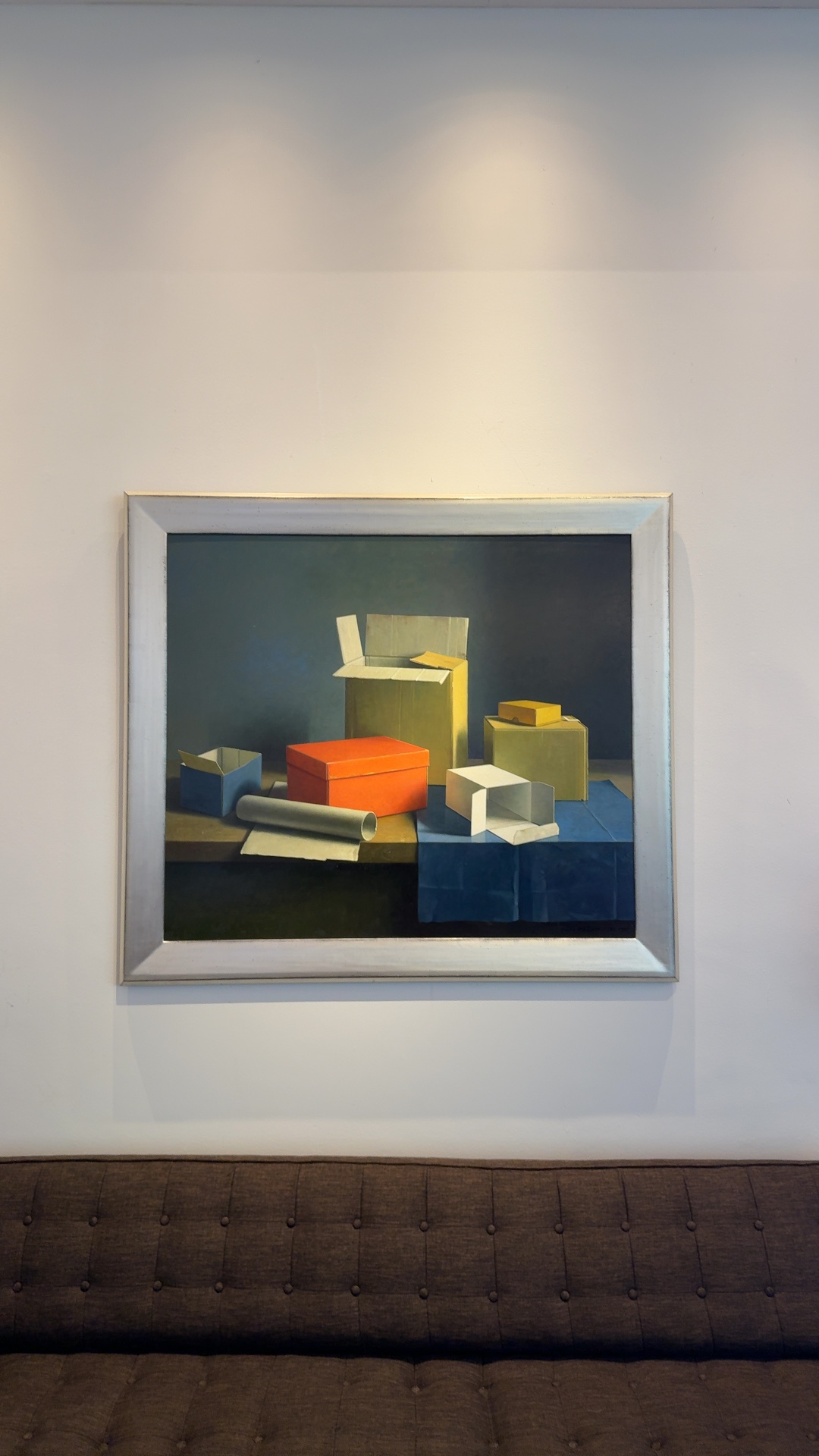
Still Life with Cardboard Boxes by Henk Helmantel
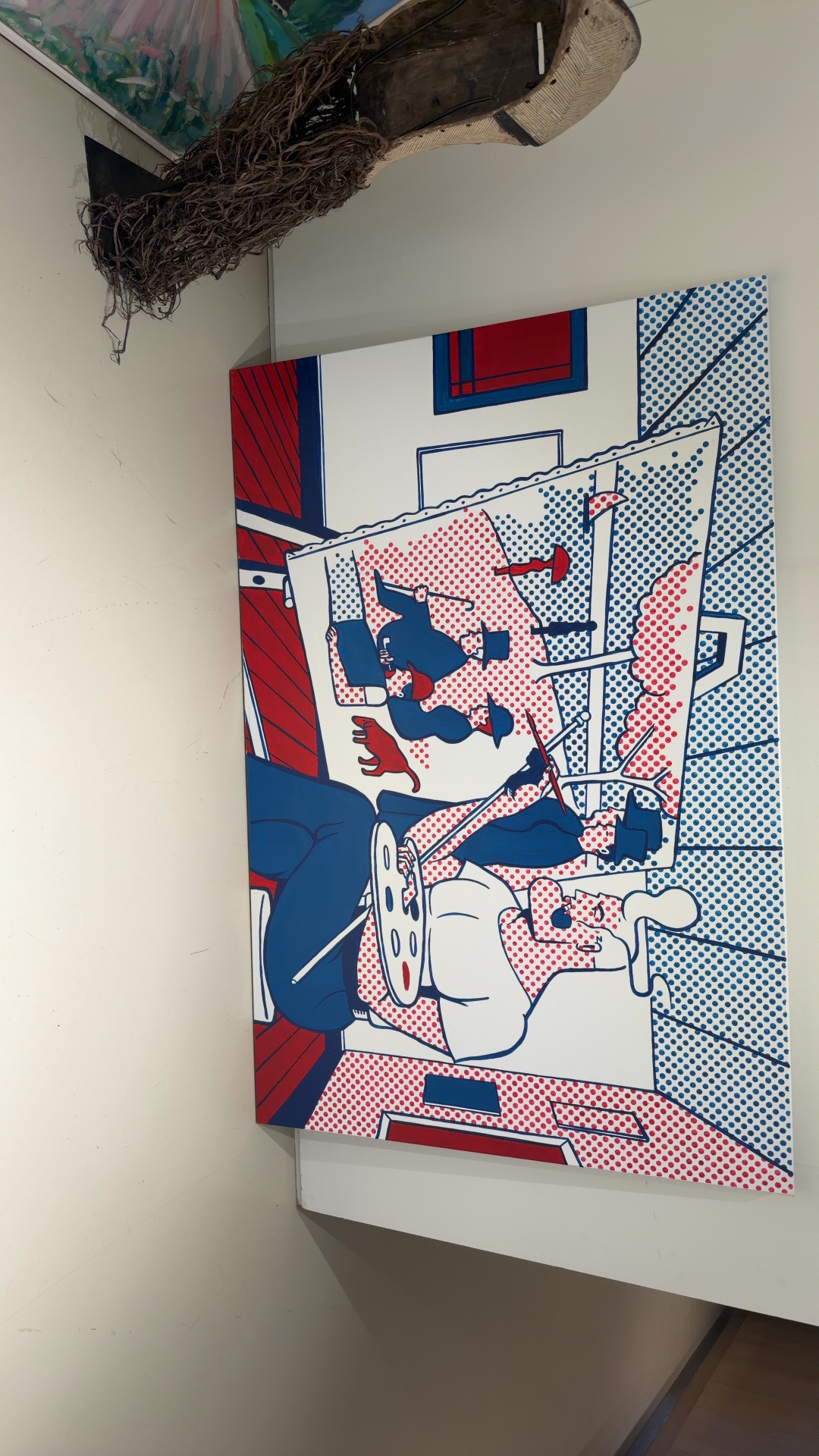
Cowboy Henk Pop Art Homage Painting by Herr Seele
ABOUT PAINTINGS
Oil paintings, watercolors, acrylics, and painted works on canvas, panel, and paper.
Paintings value and rarity guideSHARE THIS CURIOSITY
Have your own curiosities to discover?
Scan Your Curiosity
COMMENTS
No comments yet. Be the first to share your thoughts!
Sign in to leave a comment