Silver Figural Sardine Fork with Barley Twist Stem
Estimated value
$45 - $110Rarity
Average(4/10)Category
AntiquesEra
Circa 1890-1915Origin
🌍 InternationalAuthenticity
SILVER FIGURAL SARDINE FORK WITH BARLEY TWIST STEM: IDENTIFICATION
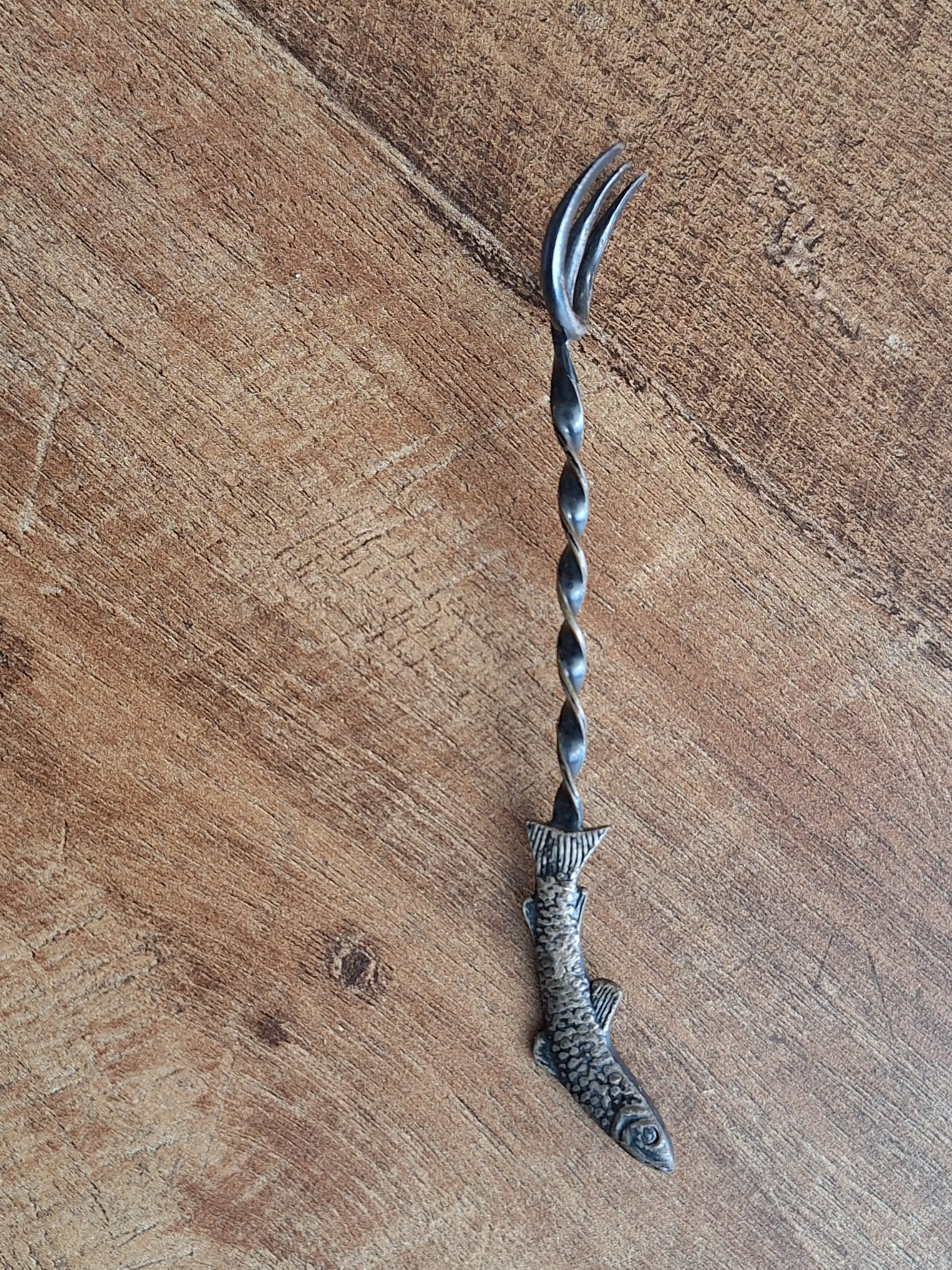
A decorative silver serving fork featuring a cast terminal in the form of a scaled fish, likely a sardine or small trout. The object possesses a three-tine trident head and a hand-twisted 'barley twist' stem. A single lozenge-shaped hallmark is struck on the reverse of the tines, suggesting a continental European origin where such small goods were common in the late 19th and early 20th centuries.
Compare with other items in the archive: Mathurin Moreau (French, 1822–1912) - Andromeda, Bronze Figural Sculpture, American Oak Sideboard or Dresser with Serpentine Front - c.1890-1910, Art Deco Napoleon Hat Mantel Clock with Two-Train Movement and Winding Key.
CROSS-CULTURAL PARALLELS
Where This Object Echoes
Reflects the hyper-specialization of silver services where every food item required a unique tool
Ritual & Ceremonial Use
- •The service of hors d'oeuvres or 'savories' at the end of a formal British meal
Meaning Through Time
A signifier of middle-class status and adherence to formal dining protocols
PERIOD & PROVENANCE
COLLECTOR NOTES
The 'barley twist' or solomonic column stem design on this piece dates back to architectural motifs popularized in the 17th century but became a staple of silver serving-ware by 1890.
SCARCITY
Typical antique shop fare. Requires some searching but regularly available. This is where most genuine antiques fall.
Rarity 4/10. Curiosa currently catalogues 18 antiques items at rarity 4 or higher.
Typical Characteristics
- Standard antique shop items
- Regularly available
- Moderate collector interest
Confidence Factors
- Hallmark lozenge is consistent with late 19th-century European smallware
- Construction method (joined head and cast terminal) matches period logic
- Wear patterns and oxidation in recesses are consistent with age
ANTIQUARIAN'S ASSESSMENT
Decorative Arts Specialist
The form is a textbook example of a late 19th-century sardine fork, and the hallmark style is consistent with the era, though the specific maker cannot be identified without a sharper macro of the stamp.
KEY EVIDENCE
- 1Lozenge-shaped hallmark on the reverse suggests a specific maker or purity grade found in French or silver-plate patterns.
- 2The fish terminal features hand-chased scale details rather than simple modern molding.
- 3Barley twist stem shows slight asymmetry indicative of manual twisting rather than extruded machine work.
- 4Oxidation (tarnish) in deep crevices indicates the piece has not been chemically dipped recently.
UNCERTAINTIES
- •Abrasive scratching suggests improper cleaning which may decrease collector value.
- •Lack of 'Sterling' or '925' mark may indicate low-grade silver (800) or high-quality silver plate.
WHAT WOULD IMPROVE CERTAINTY
- →Perform a professional cleaning with a soft silver cloth to see if lozenge hallmark becomes legible.
- →Weigh in grams to determine if the density matches solid silver or plated white metal.
- →Check tines with a magnet; if magnetic, the piece is silver-plated steel.
CONDITION & GRADE
Grading breakdown
The grade is limited by the presence of harsh cleaning marks which have dulled the original factory finish, though no integral structural breaks or repairs are observed.
Condition
Significant surface wear visible, including deep micro-scratching across the silver surface. The tines appear slightly misaligned, common for soft-gauge silver serving pieces of this age.
ANTIQUES MARKET VALUATION
Updated: May 11, 2026
Who buys this
Specialist flatware collectors or buyers looking for unique 'mismatched' serving pieces for contemporary tablescapes.
What increases value
- •The presence of a figural fish terminal adds 20-30% more value than a standard pattern handle
- •Confirmed solid silver content (vs plate) would be the primary driver of the high-end estimate
What lowers value
- •Deep surface scratches from abrasive cleaning cannot be easily polished out and affect the 'mirrored' collectors look
- •Unidentifiable hallmarks often relegate a piece to the 'scrap' or 'unattributed' price tier
What makes top-tier examples
- •Clearly legible maker marks from noted workshops like Christofle or Tiffany
- •Original vermeil (gold wash) on the tines to prevent corrosion from fish oils
Grade & condition
Surface integrity, clarity of hallmarks, and the presence of all tines without bending.
Rarity & demand
For informational purposes only, not a formal appraisal.

SIMILAR CURIOSITIES
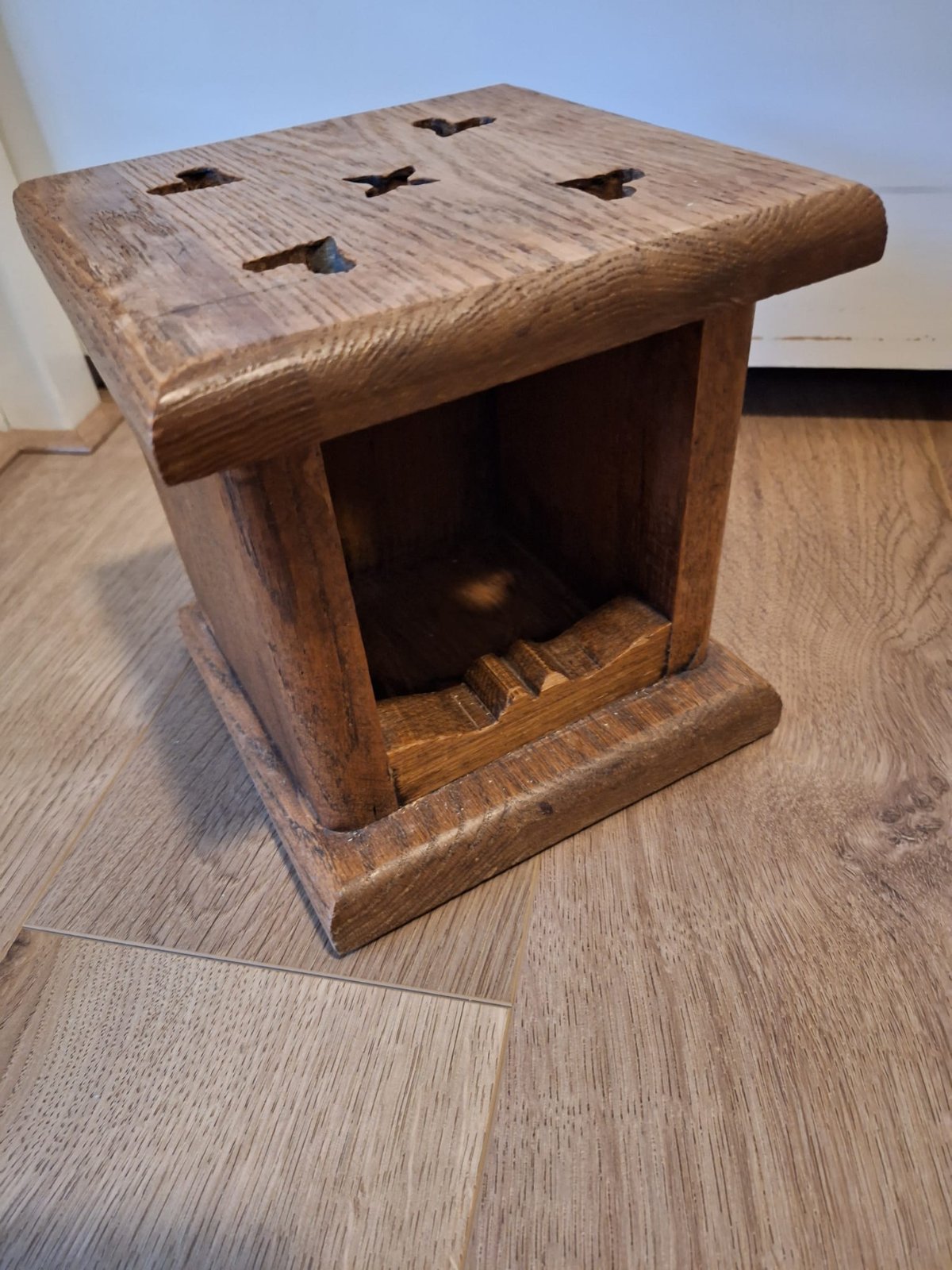
Flemish or Dutch Oak Foot Warmer (Stoof) - c. late 19th Century
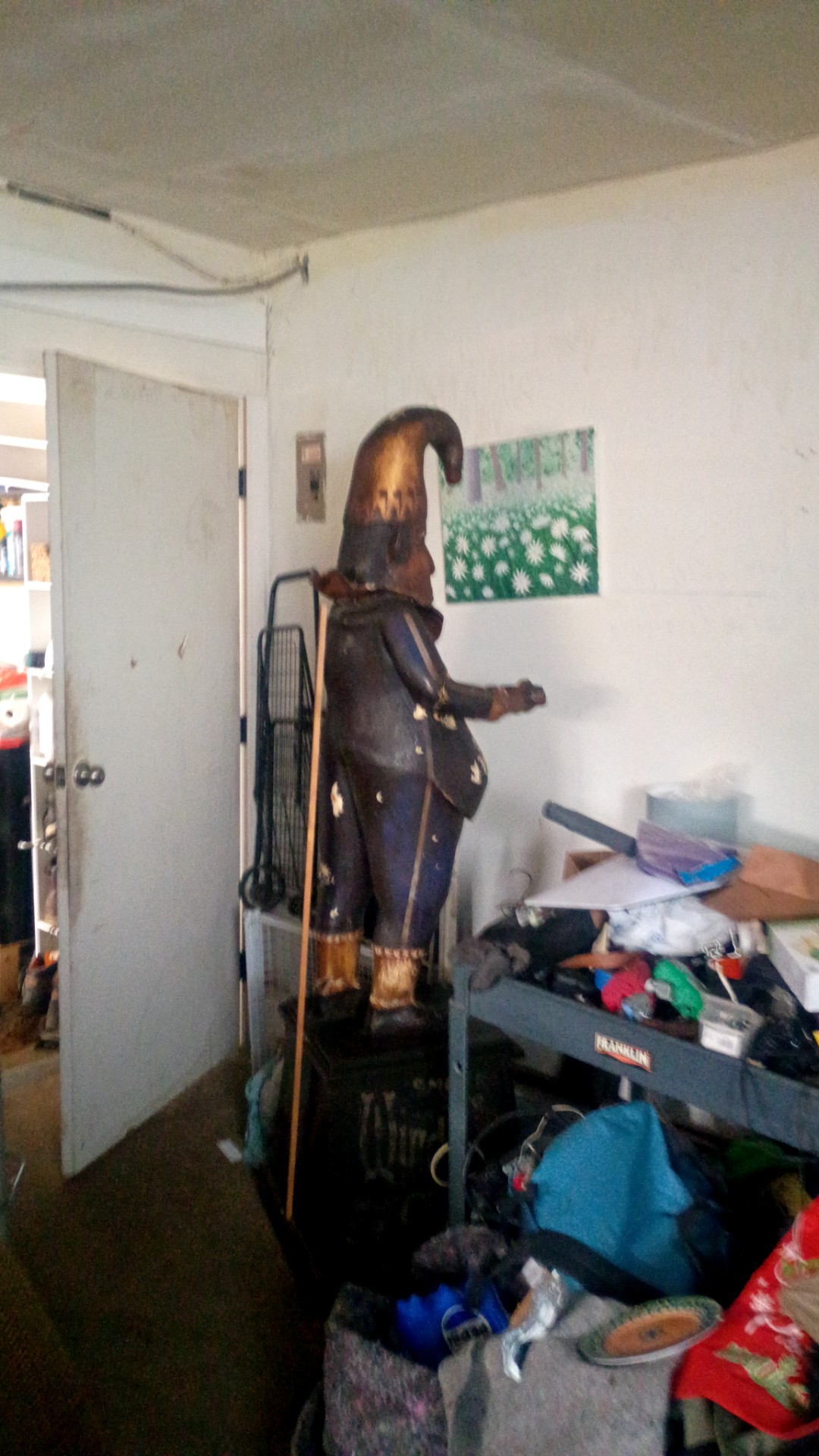
Carved Wooden Punch Figure Cigar Store Style Tobacconist Figure
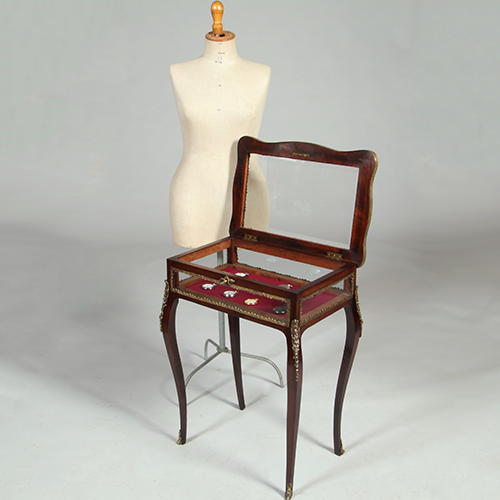
French Louis XV Style Vitrine Table

Ottoman Style Repoussé Silver Snuff or Pill Box
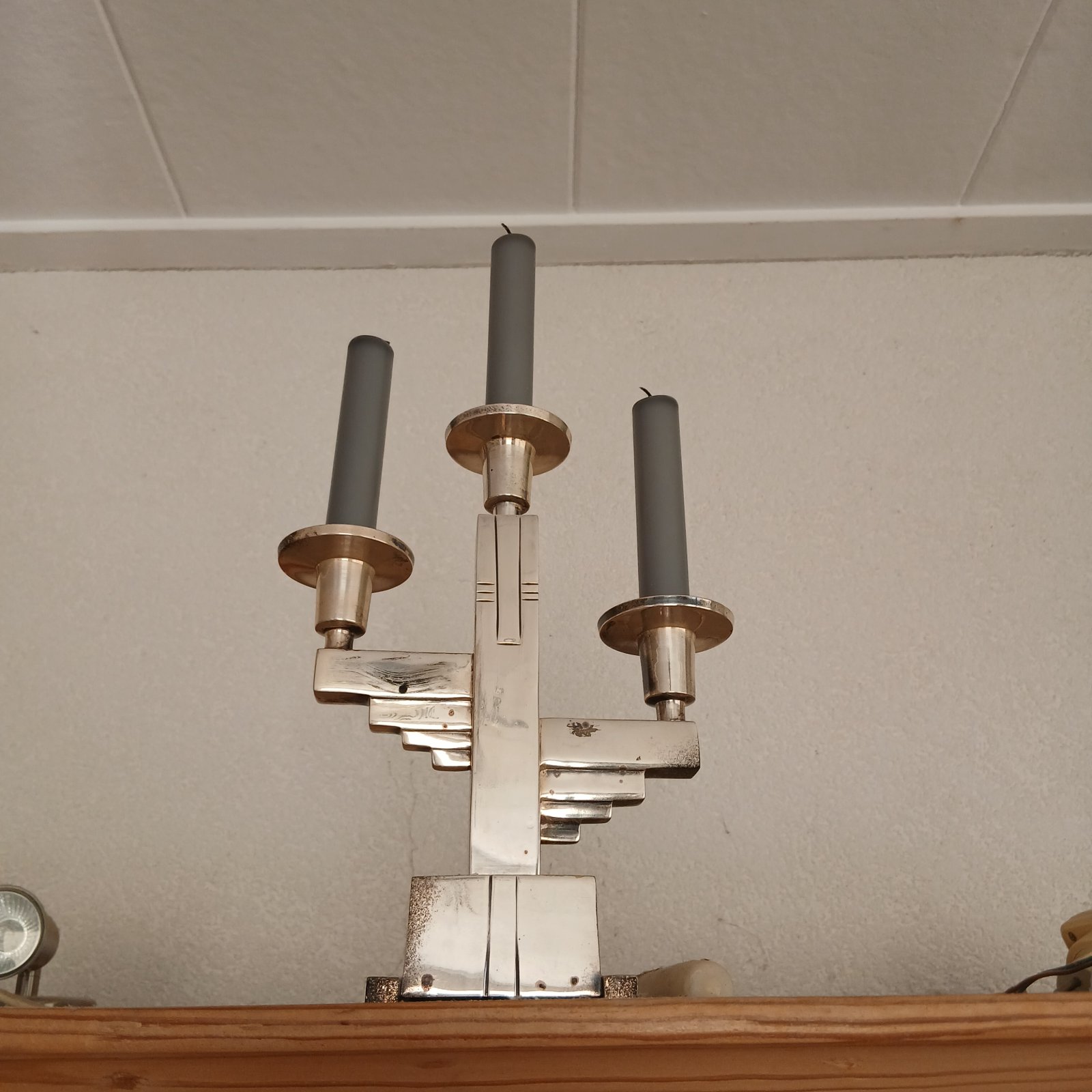
Art Deco Geometric Ziggurat Candelabrum c.1930
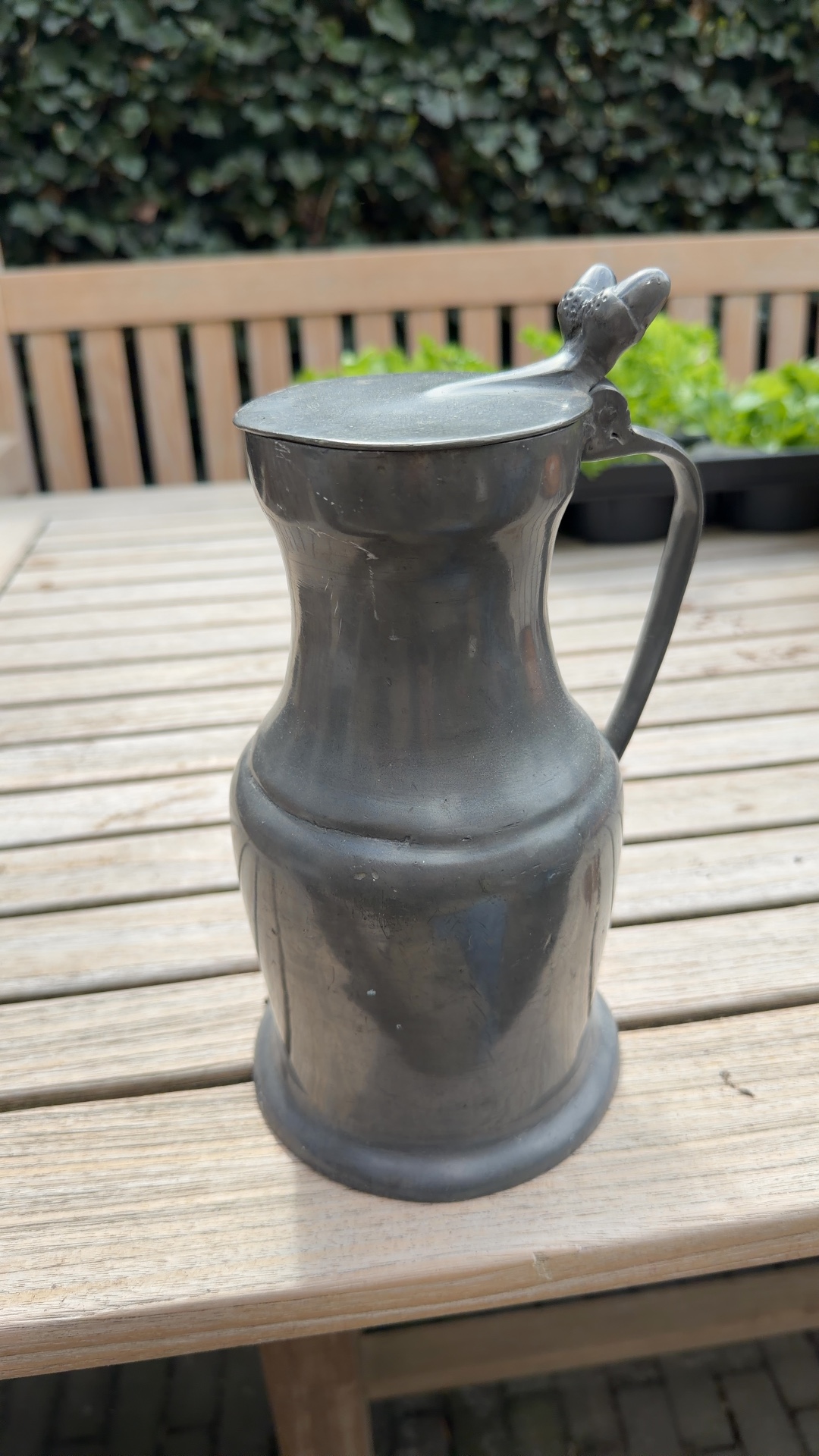
Continental Pewter Baluster Measure - 'Lidded Pinte' (Acorn Thumbpiece) c. 1820-1860
ABOUT ANTIQUES
Objects over 100 years old with historical and aesthetic value.
Antiques value and rarity guideSHARE THIS CURIOSITY
Have your own curiosities to discover?
Scan Your Curiosity
COMMENTS
No comments yet. Be the first to share your thoughts!
Sign in to leave a comment