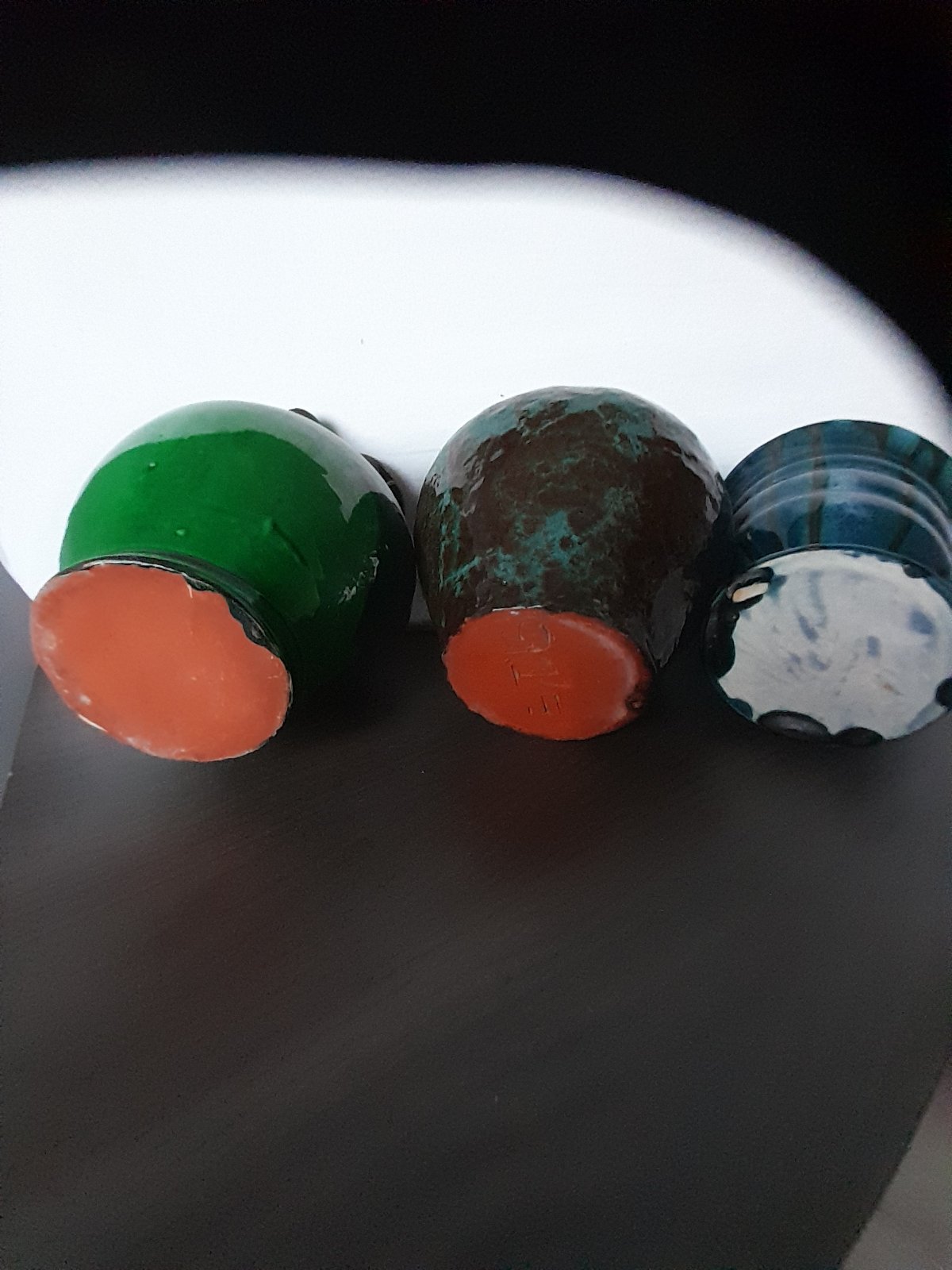
Mid-Century Modern Glazed Earthenware Jugs and Vase
Estimated value
$40 - $120Rarity
Average(4/10)Category
Ceramics & PotteryBrand
Faiencerie de ThulinEra
Mid-20th Century (1950s-1970s)Origin
🌍 InternationalArtist / Creator
Eskaph (ETB)Authenticity
MID-CENTURY MODERN GLAZED EARTHENWARE JUGS AND VASE: IDENTIFICATION
This ensemble features three pieces of glazed earthenware, likely from the mid-20th century, characterized by vibrant, reactive glazes. The forms are stout and organic, reflecting common trends in studio pottery and decorative household ceramics from that era. One piece, a small jug or pitcher, displays an apple-green lower body transitioning to a rich brown, while a globular companion piece features a striking mottled blue-green and brown 'fat lava' type glaze. The third item is a flaring vase with a vibrant blue drip glaze. The exposed unglazed footrings reveal the reddish-brown earthenware body beneath.
Compare with other ceramic pieces in the archive: Alabaster Urn-Shaped Vase, Han Dynasty Style Glazed Ceramic Boar Figurine, Chinese Blue and White 'Three Friends of Winter' Stem Cup, Ming Style.
SCARCITY
Typical antique shop fare. Requires some searching but regularly available. This is where most genuine antiques fall.
Rarity 4/10. Curiosa currently catalogues 101 ceramics items at rarity 4 or higher.
Typical Characteristics
- Standard antique shop items
- Regularly available
- Moderate collector interest
Confidence Factors
- Common decorative pottery forms and glazes of the era.
- No high-value maker attribution attempted without clearer marks.
- The 'ETB' mark is present on one piece, which would require research to confirm a specific maker.
CERAMICIST'S ASSESSMENT
Decorative Arts Specialist
Confidence is good regarding the estimated era and general type of ceramic, backed by consistent stylistic and glazing cues. However, individual attribution to a specific maker remains unconfirmed without further mark research, which limits maximum confidence.
KEY EVIDENCE
- 1Forms are bulbous and organic, characteristic of mid-century design.
- 2Glaze applications (apple-green, mottled 'fat lava', drip blue) are consistent with techniques popular in the 1950s-1970s.
- 3Unglazed earthenware footrings align with common production methods for decorative ceramics of this period.
- 4Hand-incised 'ETB' mark on one piece suggests a maker or artist, typical of studio or smaller factory production.
UNCERTAINTIES
- •The specific maker for the 'ETB' mark is not immediately identifiable without further research.
- •Lack of clear date codes or factory stamps inhibits precise dating or attribution.
WHAT WOULD IMPROVE CERTAINTY
- →Perform a more detailed inspection of the 'ETB' mark and search ceramic marks databases for potential matching makers.
- →Check for any subtle impressed numbers or symbols that might indicate shape numbers or production dates.
- →Examine the interior of the pieces for any additional marks or details.
- →Use a UV light to check for any hidden repairs or restorations, especially around the rims and bases.
CONDITION & GRADE
Condition
Visually, the glazes appear intact with good sheen. The exposed footrings show typical wear and kiln grit, which is expected. There are no obvious chips or cracks visible in the provided images, though a more thorough inspection would be needed to assess any minor crazing or manufacturing imperfections.
CERAMICS MARKET VALUE
Updated: Feb 27, 2026
- Market comparables from auctions & retail
- Condition, completeness & craftsmanship
- Current collector demand & trends
- Low = quick sale, high = patient seller
For informational purposes only, not a formal appraisal.

SIMILAR CURIOSITIES
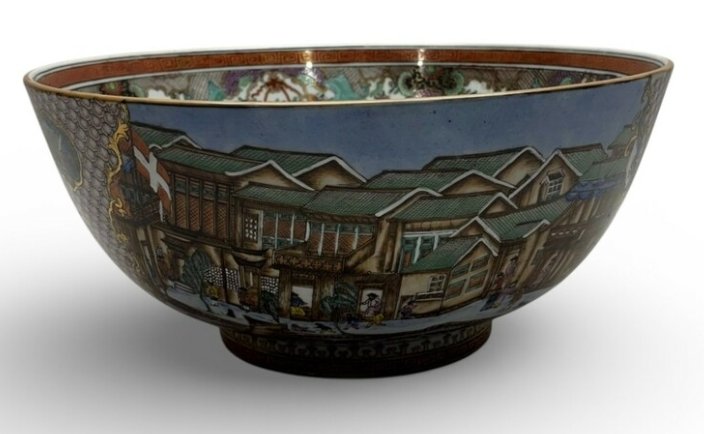
Chinese Export Porcelain 'Hong' Punch Bowl
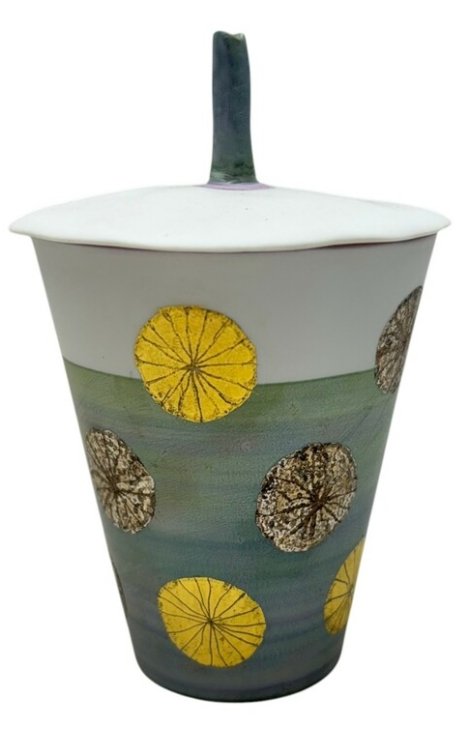
Arne Åse contemporary porcelain lidded vessel
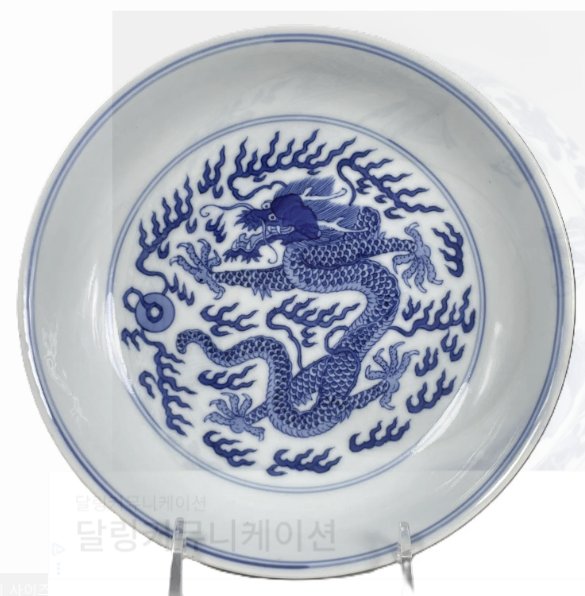
Chinese Blue and White 'Dragon' Dish
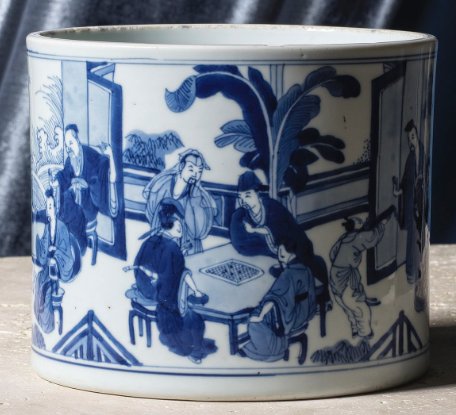
Blue and White Porcelain Bitong (Brush Pot)
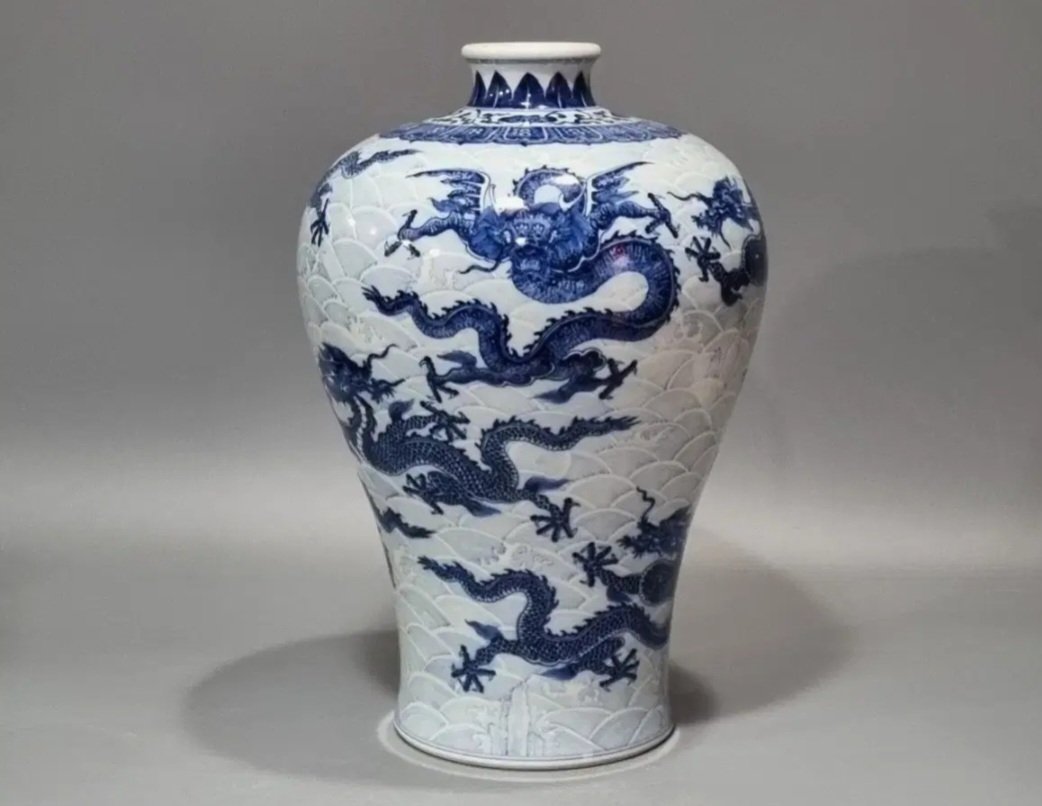
Chinese Blue and White 'Dragon' Meiping Vase, Qianlong Mark
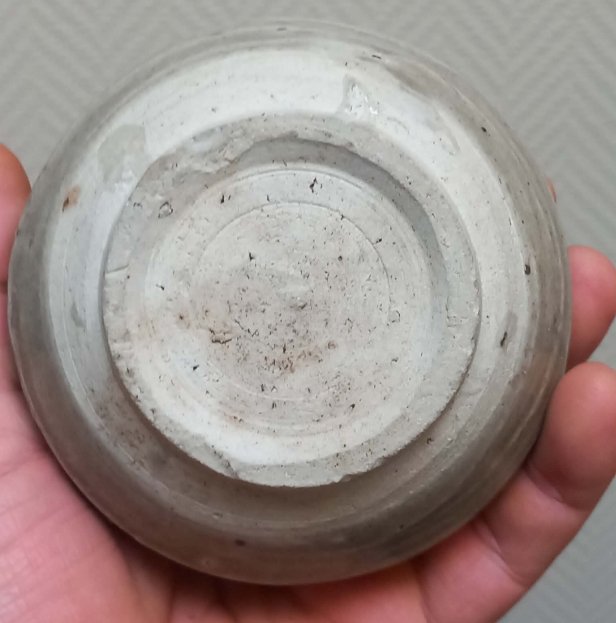
Korean Buncheong-style Glazed Stoneware Jar, Joseon Dynasty Type
ABOUT CERAMICS & POTTERY
Pottery, porcelain, stoneware, earthenware, and kiln-fired objects.
Ceramics & Pottery value and rarity guideSHARE THIS CURIOSITY
Have your own curiosities to discover?
Scan Your Curiosity
COMMENTS
No comments yet. Be the first to share your thoughts!
Sign in to leave a comment