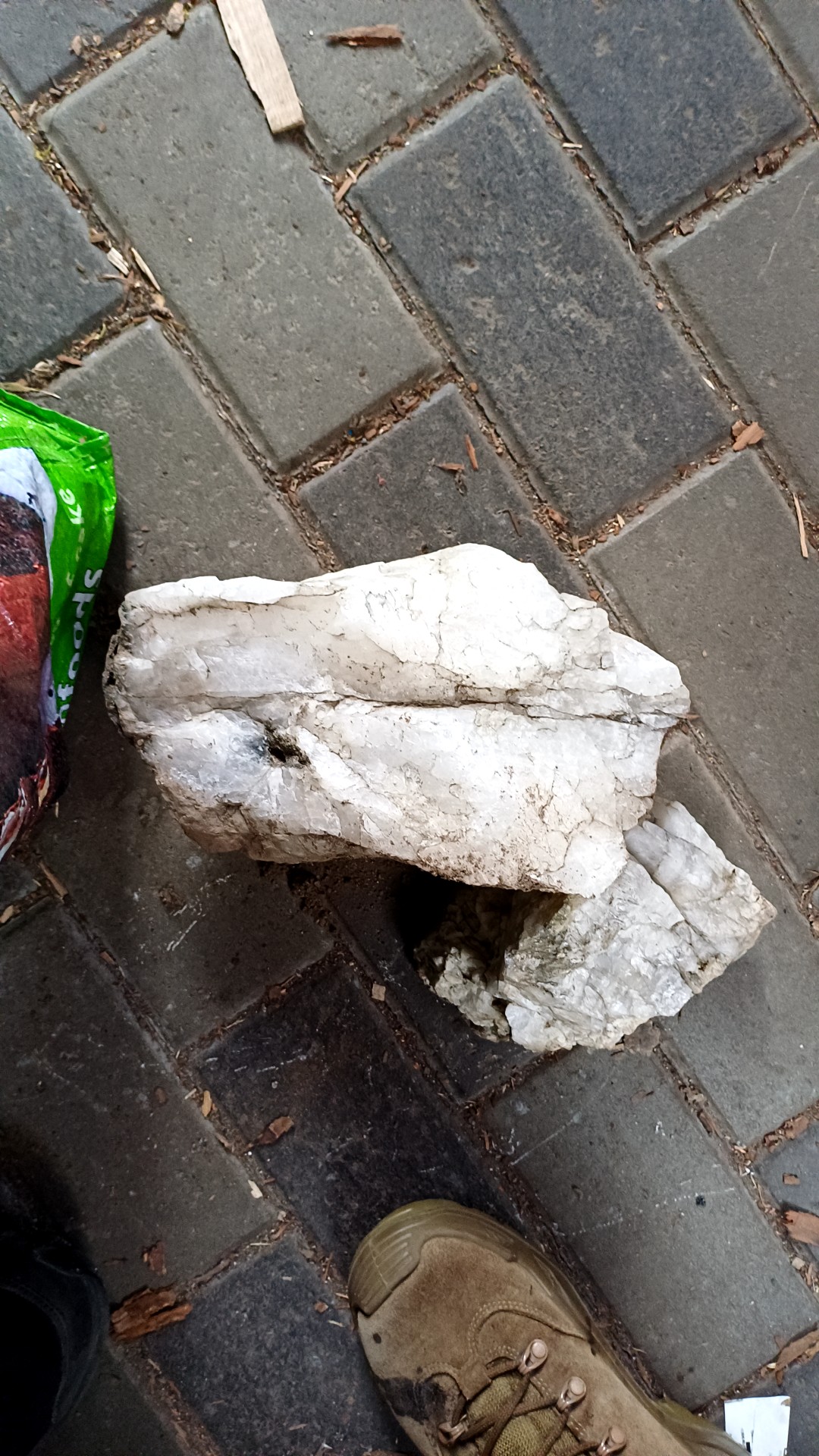
Rough-Hewn Quartz Specimen (Milky Variety)
QUICK FACTS
Categories
Era
Geological Formation (Millions of Years Ago)
Rarity
Common (2/10)
Discovered
Feb 26, 2026
2 days ago
DESCRIPTION
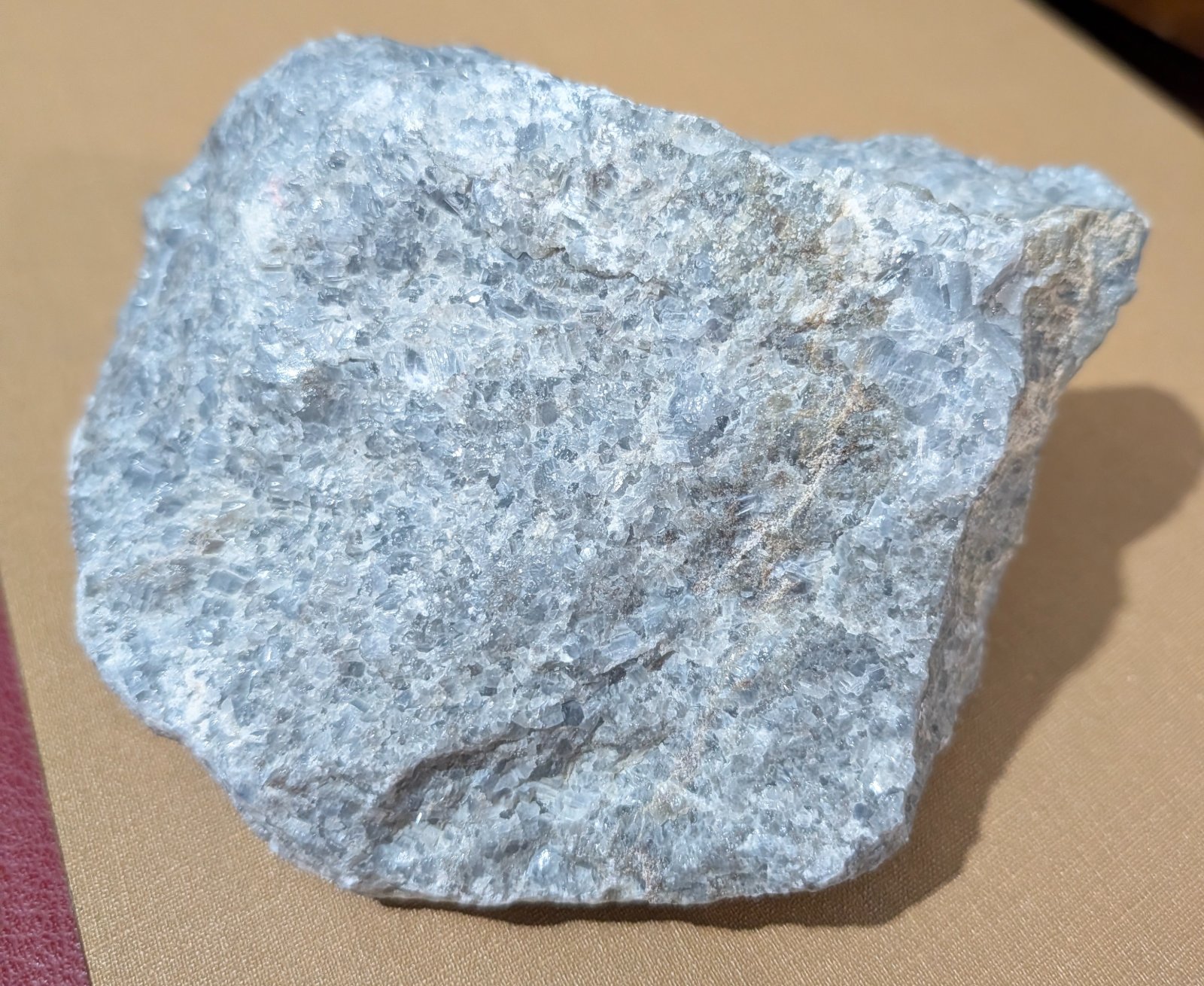
This appears to be a substantial, rough-hewn specimen of quartz, likely a milky or massive variety given its opacity and fractured structure. The visible crystalline facets suggest it was extracted from a larger vein or deposit. The dark inclusions and surface dirt indicate its natural origin and perhaps recent collection.
CULTURAL ECHOES
Where This Object Echoes
Used for tool-making (scrapers, points) due to its hardness and sharp fracture properties.
Clearer quartz varieties were carved into seals, vessels, and ornamental objects. Less translucent varieties were used architecturally or as aggregate.
Quartz, especially clear and milky varieties, is widely used for purported energetic and healing properties.
Ritual & Ceremonial Use
- •In some spiritual practices, quartz crystals are used in meditation or placed in environments for energetic cleansing and protection.
- •Indigenous cultures have historically used quartz fragments in ceremonial practices for their perceived connection to light and spiritual energy.
Meaning Through Time
Raw material for functional tools and basic weaponry due to its readily available and durable nature.
Ornamental material for carvings, seals, and small decorative items; also integrated into architecture.
Key industrial material in optics, electronics (piezoelectric properties), and as a component in construction materials.
Popular as a decorative mineral specimen, for 'crystal healing', and in advanced technological applications.
HISTORICAL STORY
DID YOU KNOW?
Quartz is the second most abundant mineral in Earth's continental crust, composed of silicon and oxygen atoms in a continuous framework of SiO4 silicon–oxygen tetrahedra.
Despite its commonality, clear quartz was historically believed by many cultures, including the ancient Greeks, to be a permanent form of ice, hence its name 'krystallos' meaning 'ice'.
MATERIAL & CONDITION
Surface
The surface is characterized by a rough, fractured texture, typical of naturally broken or cleaved crystalline quartz. Areas exhibit a milky, semi-translucent quality with some internal fracturing visible. There are also deposits of dirt and possibly some iron staining in crevices.
Weight & Feel
Given its size and the density of quartz (specific gravity approximately 2.65 g/cm³), this specimen would feel substantial and dense, likely weighing a few kilograms.
Condition
The specimen is in its natural, 'as-found' state. There is no evidence of polishing or cutting. It exhibits natural fractures and surface dirt, which are typical of a geological specimen awaiting preparation or display. The dark inclusions appear to be natural mineral associations or environmental debris.
RARITY ANALYSIS
Older mass-produced items still widely available. Easy to find on eBay, antique malls, and estate sales in large quantities.
Typical Characteristics
- Mass produced historically
- High survival rate
- Readily available everywhere
EXPERT ANALYSIS
Natural History Curator & Specimen Preparator
The visual characteristics, including crystal form, translucency, and fracture patterns, strongly align with a raw quartz specimen. While a hardness test or specific gravity measurement would provide definitive confirmation, the photographic evidence is highly indicative.
KEY EVIDENCE
- 1Visible crystalline fracture patterns consistent with quartz.
- 2Milky opacity and translucency on thinner edges are characteristic of milky quartz.
- 3Presence of natural dirt and inclusions, suggesting a raw, unprepared specimen.
- 4Irregular, unworked shape indicative of a natural geological find.
WHAT WOULD IMPROVE CERTAINTY
- →A gentle cleaning with plain water and a soft brush to remove surface dirt for better visual assessment.
- →Examination under magnification to identify any specific mineral inclusions or micro-crystalline structures.
- →A Mohs hardness test to confirm the mineral's hardness (quartz is 7 on the Mohs scale).
- →Measuring the specific gravity to further confirm its identity as quartz.
ESTIMATED VALUE
Updated: Feb 26, 2026
- Market comparables from auctions & retail
- Condition, completeness & craftsmanship
- Current collector demand & trends
- Low = quick sale, high = patient seller
For informational purposes only, not a formal appraisal.
CONTEXT ANALYSIS
How your provided context compares with Curiosa.com scanner findings.
What Aligned
- The user's note of 'Translucent' aligns with the visual evidence of milky quartz, which often exhibits a degree of translucency.
- The user's assessment of 'Needs restoration' (interpreted as cleaning and possibly display preparation) aligns with the visible surface dirt and natural rough state of the specimen.
ABOUT NATURAL HISTORY
Fossils, minerals, taxidermy, shells, and natural specimens.
Browse all Natural HistorySHARE THIS CURIOSITY
Have your own curiosities to discover?
Scan Your Curiosity
COMMENTS
No comments yet. Be the first to share your thoughts!
Sign in to leave a comment