Loose Freshwater Cultured Pearls (Baroque/Near-Round)
QUICK FACTS
Categories
Era
21st Century
Origin
🇨🇳 China
Rarity
Common (2/10)
Discovered
Feb 10, 2026
2 weeks ago
DESCRIPTION
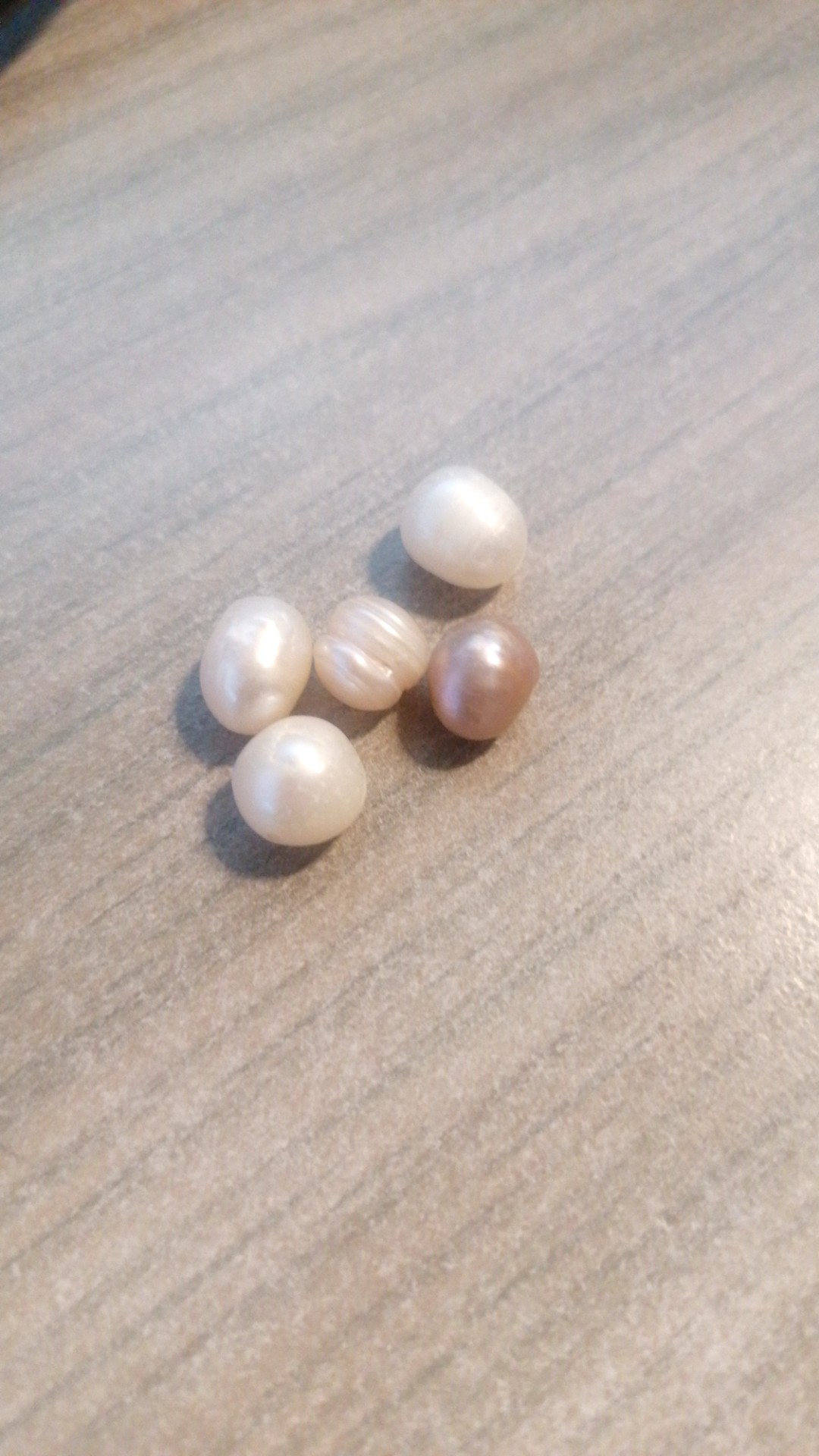
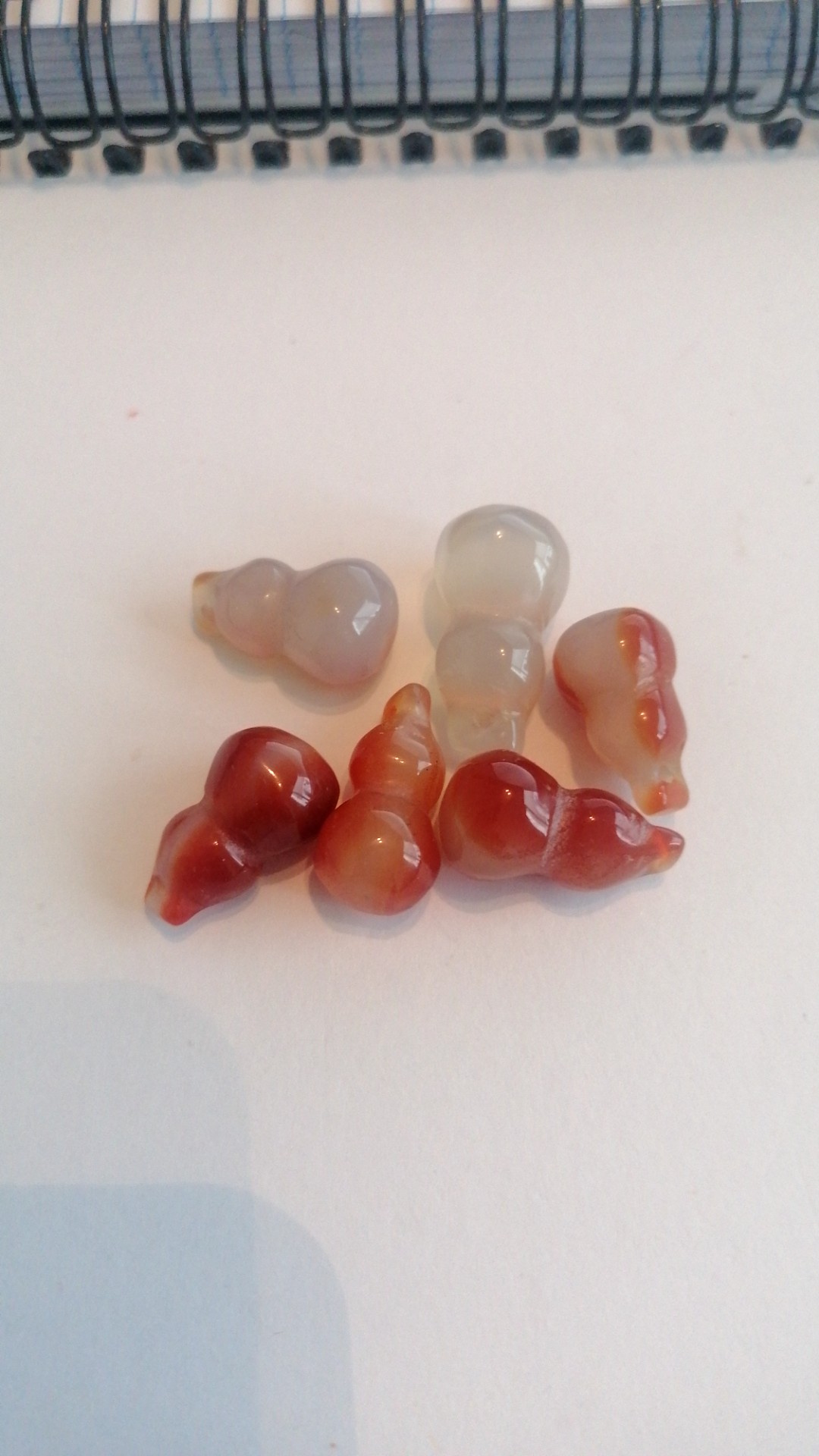
This collection features several loose, predominantly white to light pink cultured pearls, most exhibiting baroque or near-round shapes. Their uneven surfaces and somewhat irregular forms are characteristic of freshwater cultured pearls, which often deviate from the perfectly spherical symmetry more commonly associated with saltwater varieties.
CULTURAL ECHOES
Where This Object Echoes
Pearls were highly prized, often worn as a symbol of status and wealth, and were believed to bring good fortune.
Pearls were often used in funerary jewelry and were associated with deities like Isis.
Ritual & Ceremonial Use
- •Historically associated with weddings and rites of passage, representing purity and new beginnings.
- •Symbolizing tears or spiritual journeys in some cultures, often incorporated into religious adornment.
Meaning Through Time
Exclusivity and extreme wealth, due to the rarity of natural pearls.
Elegance, sophistication, and timeless style, becoming more accessible due to culturing.
HISTORICAL STORY
DID YOU KNOW?
Most pearls today are cultured, meaning they're grown on farms by introducing an irritant into a mollusk, rather than forming naturally in the wild.
Freshwater pearls are often known for their diverse colors and unique baroque shapes, making each pearl distinct and characterful.
MATERIAL & CONDITION
Surface
The pearls exhibit a moderate to good luster with occasional ripples or unevenness typical of freshwater baroque pearls. The nacre appears reasonably thick, contributing to the soft sheen. Some pearls show subtle overtone colors, ranging from pink to lavender.
Weight & Feel
Given their size, these pearls would feel light to the touch, consistent with their organic composition and typical pearl density.
Condition
The pearls appear to be in good, unblemished condition, with no visible chips, cracks, or significant abrasions. Their surfaces are smooth with natural irregularities, and the luster is fairly uniform.
RARITY ANALYSIS
Older mass-produced items still widely available. Easy to find on eBay, antique malls, and estate sales in large quantities.
Typical Characteristics
- Mass produced historically
- High survival rate
- Readily available everywhere
EXPERT ANALYSIS
Gemologist & Mineral Specialist
The visual characteristics, specifically the irregular shapes, luster, and color variations, strongly align with typical freshwater cultured pearls. While photographic limitations prevent definitive lab-level verification, the general appearance is well-established for this type.
KEY EVIDENCE
- 1Irregular, baroque to near-round shapes, characteristic of freshwater cultured pearls.
- 2Varied coloration from white to light pink, commonly found in freshwater varieties.
- 3Visible luster and nacre quality consistent with cultured pearl formation.
- 4The absence of perfectly spherical forms suggests they are not high-grade Akoya or South Sea pearls.
UNCERTAINTIES
- •Without magnification or testing, it's impossible to definitively confirm the type (natural vs. cultured) or to rule out imitation pearls, although visuals strongly suggest cultured.
- •The thickness and quality of the nacre cannot be fully assessed from photographs, impacting overall value.
WHAT WOULD IMPROVE CERTAINTY
- →A visual inspection under 10x magnification to examine surface characteristics and potential drill holes (if mounted).
- →A 'tooth test' (gently rubbing the pearl against a tooth) to feel for a gritty texture, indicative of nacre.
- →Specific gravity testing to confirm density and differentiate from imitations.
- →X-ray examination to determine internal structure (natural vs. cultured).
ESTIMATED VALUE
Updated: Feb 27, 2026
- Market comparables from auctions & retail
- Condition, completeness & craftsmanship
- Current collector demand & trends
- Low = quick sale, high = patient seller
For informational purposes only, not a formal appraisal.
ABOUT GEMSTONES
Precious stones, semi-precious gems, minerals, crystals, and geological specimens.
Browse all GemstonesSHARE THIS CURIOSITY
Have your own curiosities to discover?
Scan Your Curiosity
COMMENTS
No comments yet. Be the first to share your thoughts!
Sign in to leave a comment