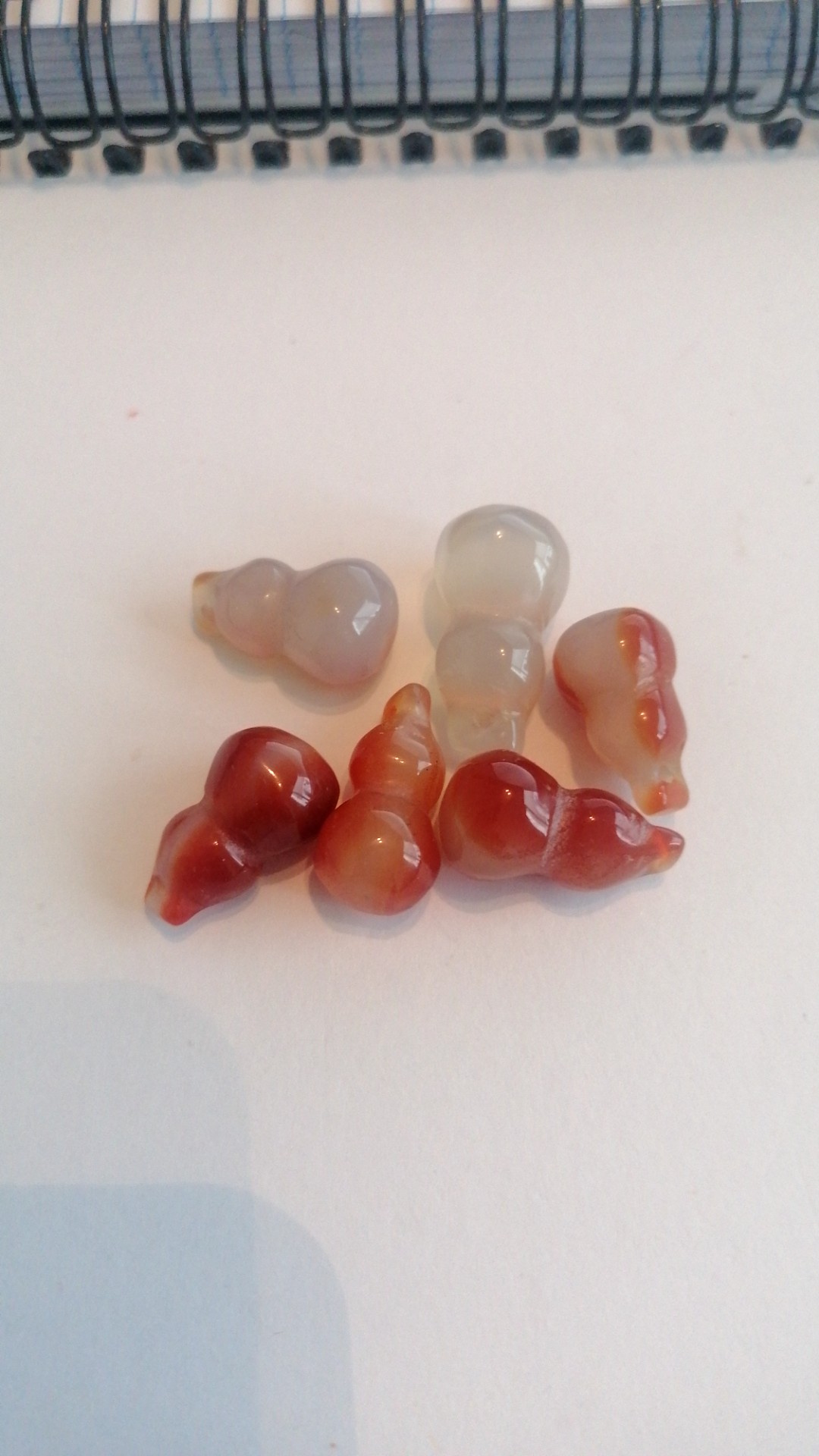
Mixed Lot of Carved Carnelian and Agate Cabochons/Pendant Blanks
QUICK FACTS
Categories
Era
21st Century
Origin
🌍 International
Rarity
Ordinary (3/10)
Discovered
Feb 12, 2026
2 weeks ago
DESCRIPTION
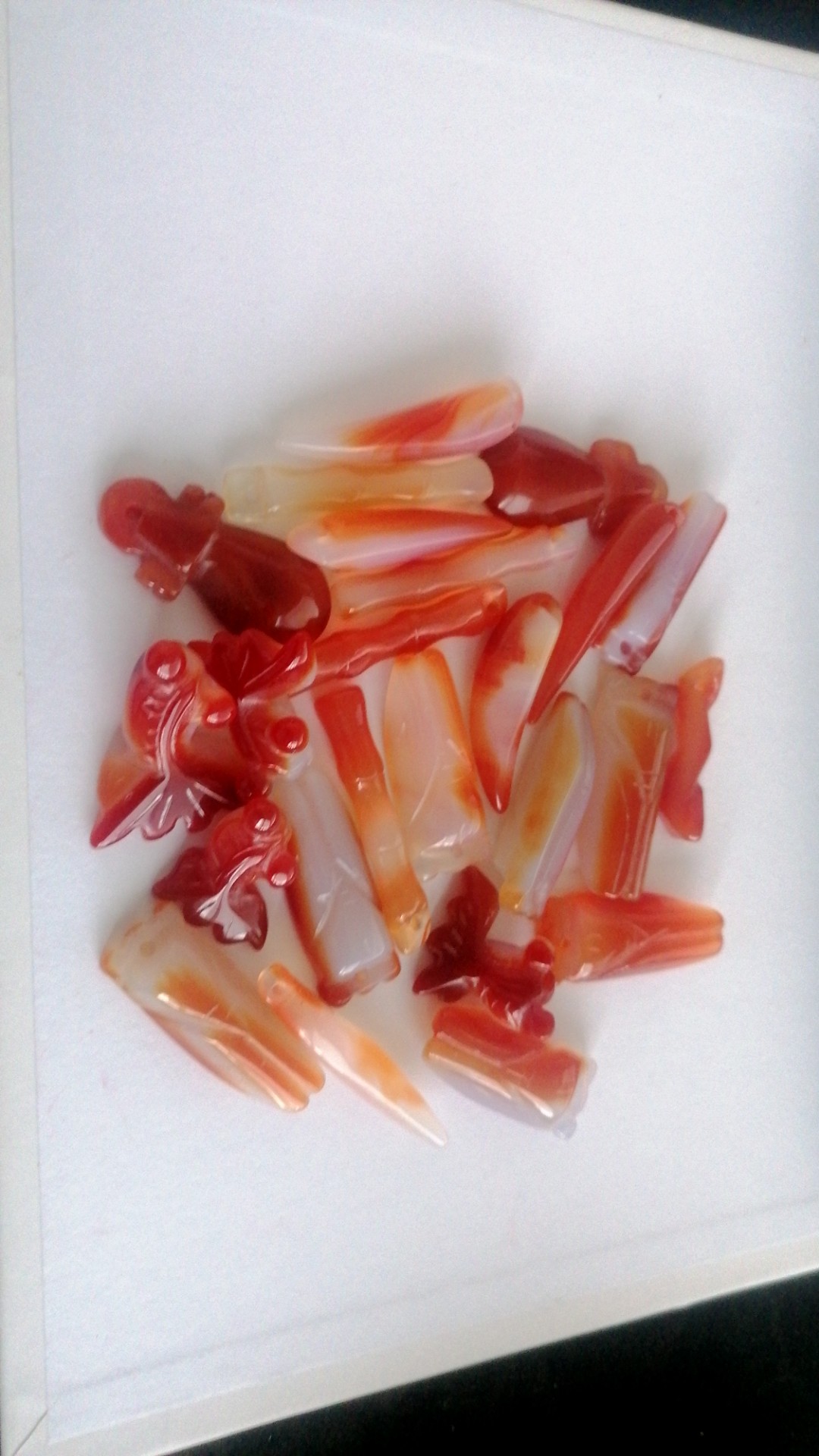
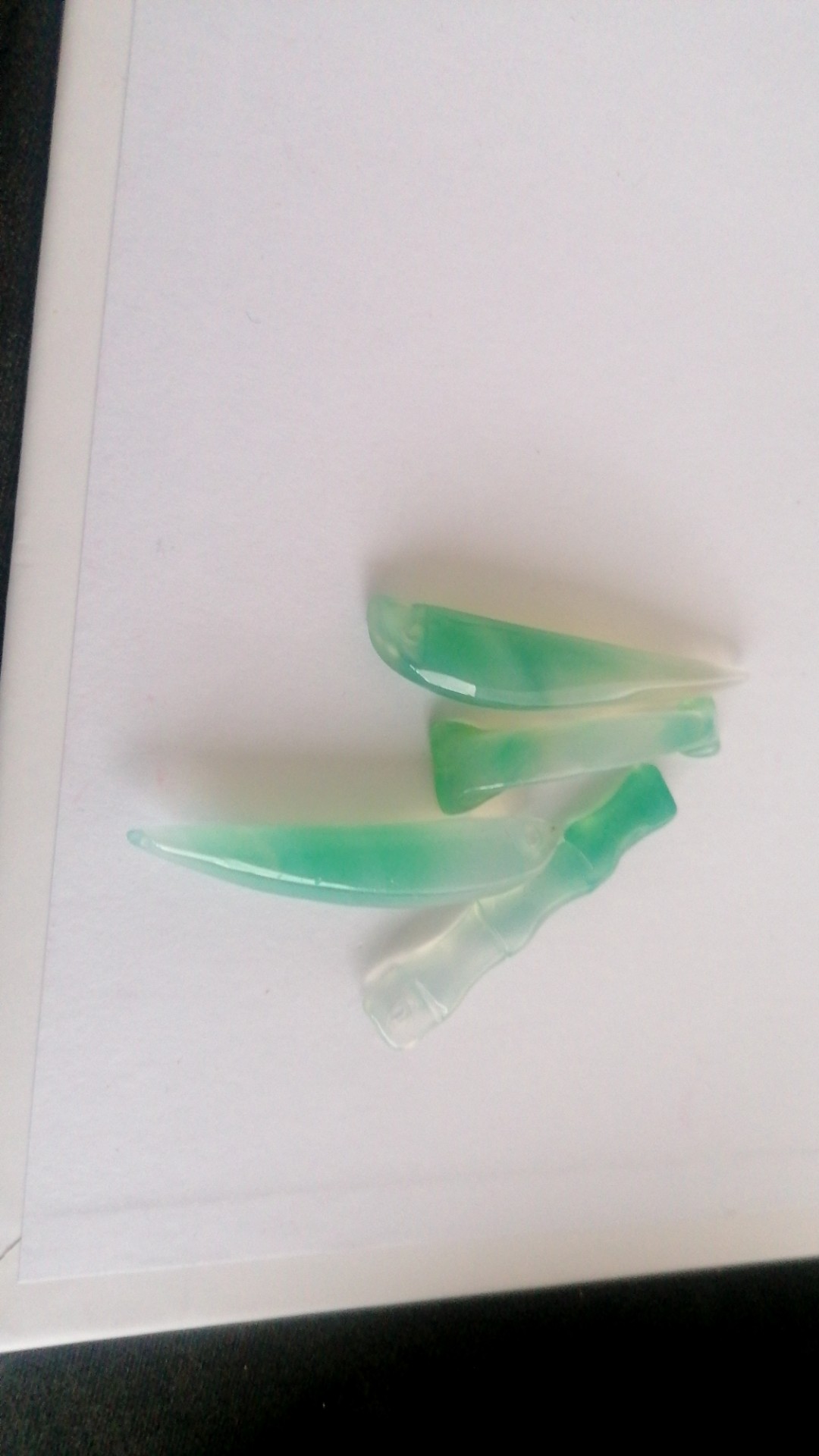
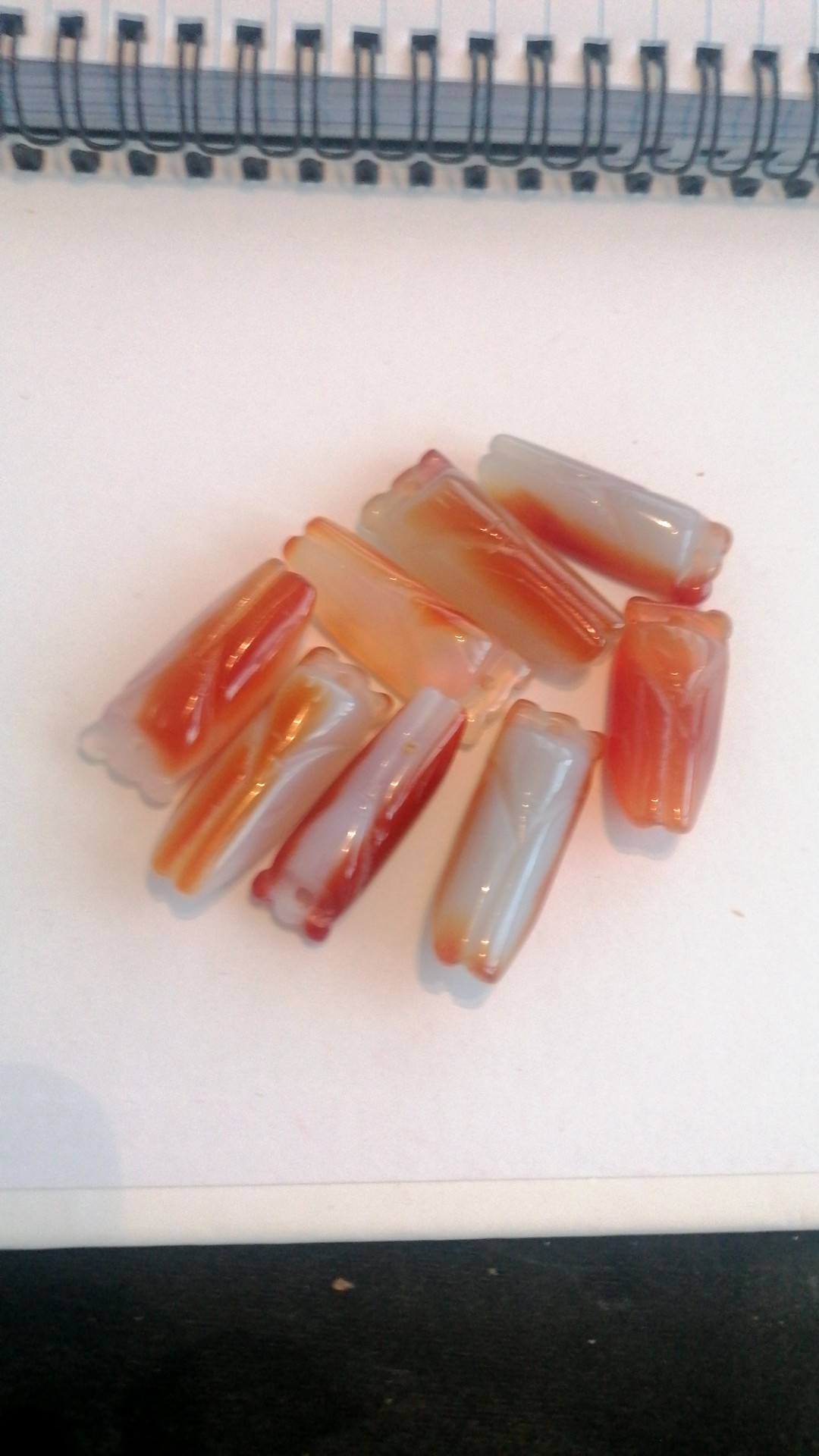
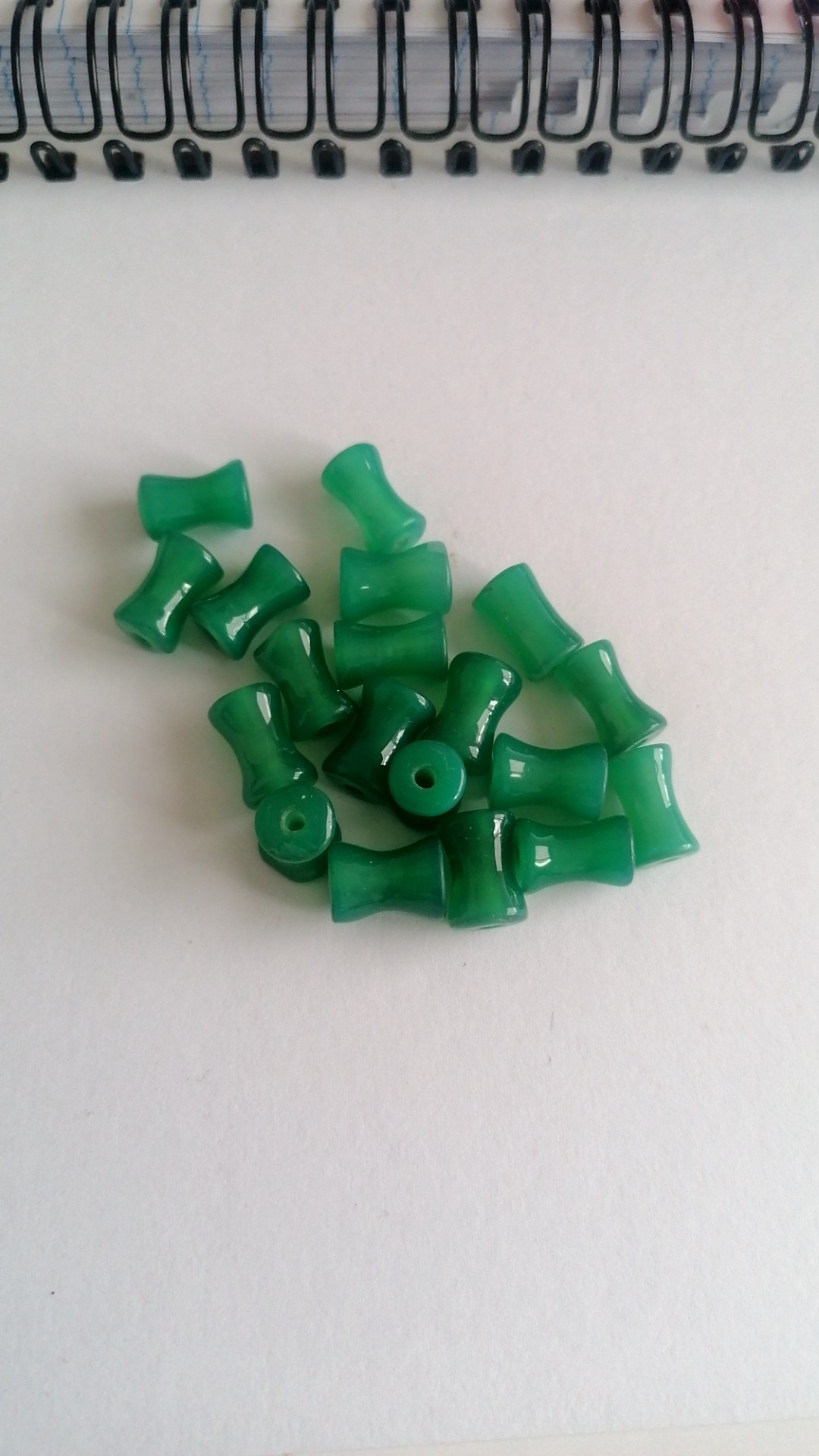
This lot appears to be an assortment of carved cabochons and potential pendant blanks, primarily in shades of red, orange, and white, consistent with carnelian and banded agate. There's a mix of shapes, some exhibiting intricate carving, possibly depicting auspicious figures or symbols, and others being more simplistic, elongated forms. The varied color banding typical of agate is quite visible in several pieces.
CULTURAL ECHOES
Where This Object Echoes
Agate and carnelian were used extensively for cylinder seals, beads, and amulets, valued for both their beauty and supposed protective qualities.
Elaborate carvings in jade, agate, and carnelian often depict auspicious animals, deities, or natural motifs, symbolizing good fortune, longevity, and protection.
Ritual & Ceremonial Use
- •Historically used in jewelry and amulets for protection, believed to ward off evil or bring good luck.
- •Incorporated into rosaries and prayer beads in various spiritual practices due to its perceived calming properties.
Meaning Through Time
Associated with protection, vitality, courage, and vitality across cultures like Egypt, Rome, and Persia.
Believed to staunch bleeding, soothe anger, and enhance fertility, often set into rings or worn as talismans.
Primarily valued for aesthetic appeal in jewelry and decorative objects, though some New Age practices attribute chakra-healing properties.
HISTORICAL STORY
DID YOU KNOW?
Carnelian gets its vibrant red-orange color from iron oxide impurities within the chalcedony.
Agate forms in volcanic and metamorphic rocks, often created by the deposition of silica from groundwater in cavities.
MATERIAL & CONDITION
Surface
The surfaces appear smoothly polished, typical for finished cabochons and carved gemstone shapes. The translucency varies from nearly opaque white to translucent reddish-orange, showcasing the natural banding and zoning characteristic of agate and carnelian.
Weight & Feel
Given the size and material, the individual pieces would be relatively lightweight, making the entire lot feel moderately substantial if gathered. They are solid, not hollow, reflecting the density of quartz.
Condition
The pieces appear to be in good, unused condition, consistent with newly carved or stock material. No visible chips, cracks, or significant abrasions are apparent from the images provided.
RARITY ANALYSIS
Standard antiques commonly found at estate sales and flea markets. Plentiful supply meets modest demand.
Typical Characteristics
- Moderate production runs
- Common at estate sales
- Entry-level collectibles
EXPERT ANALYSIS
Jewelry Historian & Gemologist-Informed Appraiser
The visual characteristics, particularly the color banding and translucency, strongly point to agate and carnelian. The shapes are clearly carved cabochons or pendant blanks. The confidence level is high for material type but slightly lower for specific treatments without physical examination.
KEY EVIDENCE
- 1Distinctive banded coloration and translucency consistent with agate and carnelian.
- 2Smooth, polished surfaces, indicating finished or semi-finished gemstone components.
- 3Varied carving styles, including some intricate figural forms and simpler elongated shapes.
- 4Absence of precious metal settings, indicating loose gem material.
UNCERTAINTIES
- •Difficult to ascertain if any pieces have been dyed or heat-treated without direct examination, a common enhancement for carnelian and agate.
- •Exact material identification (agate vs. carnelian vs. other chalcedonies) is challenging without closer inspection or gemological tools.
WHAT WOULD IMPROVE CERTAINTY
- →High-resolution close-up photographs of individual carvings to better assess detail and craftsmanship.
- →Magnified views of the material structure to observe any dye concentrations or natural inclusions.
- →Measurement of a few representative pieces to gauge typical dimensions.
- →Refractive index and specific gravity testing to definitively identify the chalcedony type.
ESTIMATED VALUE
Updated: Feb 27, 2026
- Market comparables from auctions & retail
- Condition, completeness & craftsmanship
- Current collector demand & trends
- Low = quick sale, high = patient seller
For informational purposes only, not a formal appraisal.
ABOUT GEMSTONES
Precious stones, semi-precious gems, minerals, crystals, and geological specimens.
Browse all GemstonesSHARE THIS CURIOSITY
Have your own curiosities to discover?
Scan Your Curiosity
COMMENTS
No comments yet. Be the first to share your thoughts!
Sign in to leave a comment