Chinese Jadeite or Chalcedony Tools/Ornaments
QUICK FACTS
Categories
Era
20th Century to Contemporary
Origin
🌍 International
Rarity
Average (4/10)
Discovered
Feb 12, 2026
2 weeks ago
DESCRIPTION
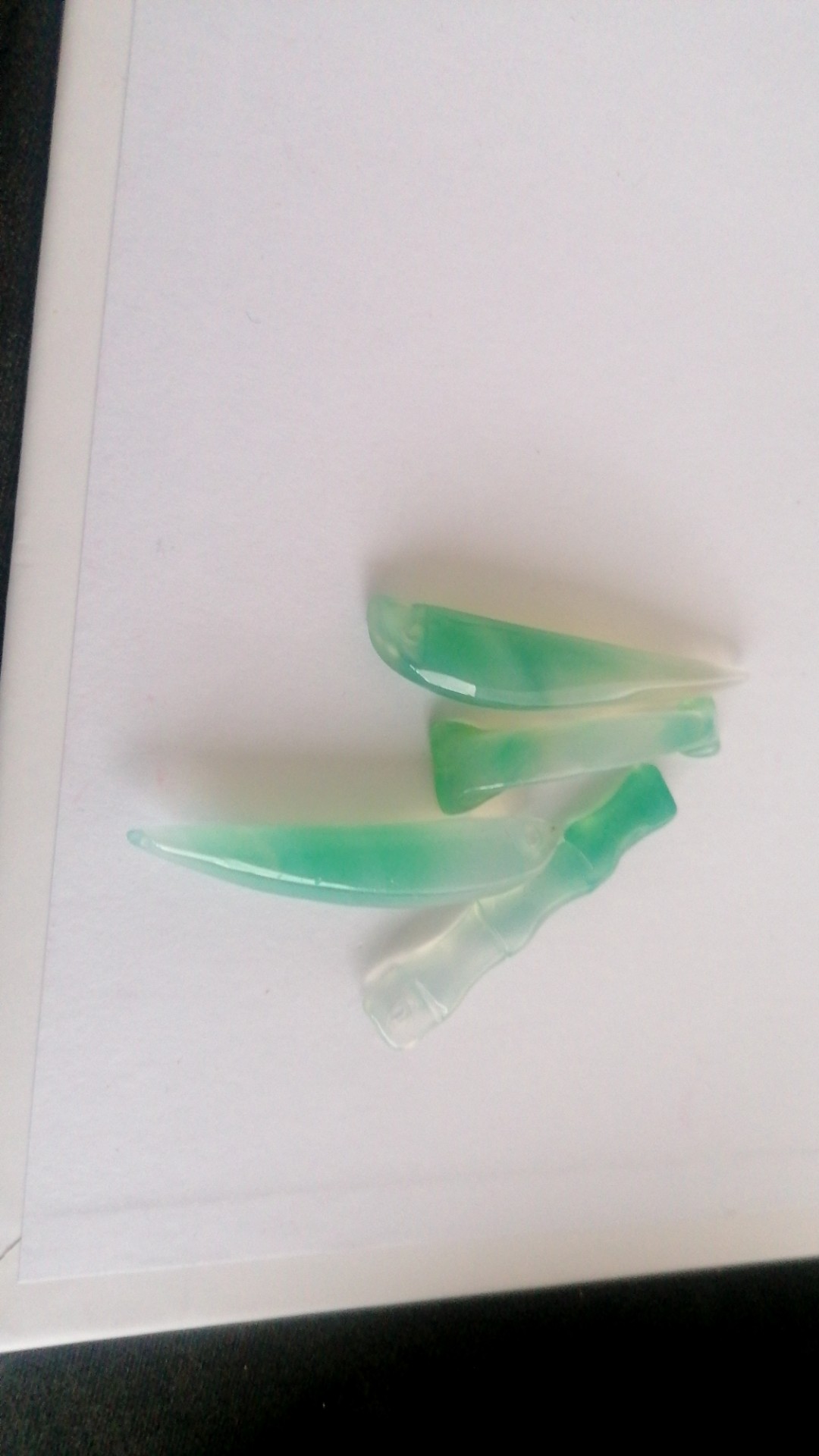
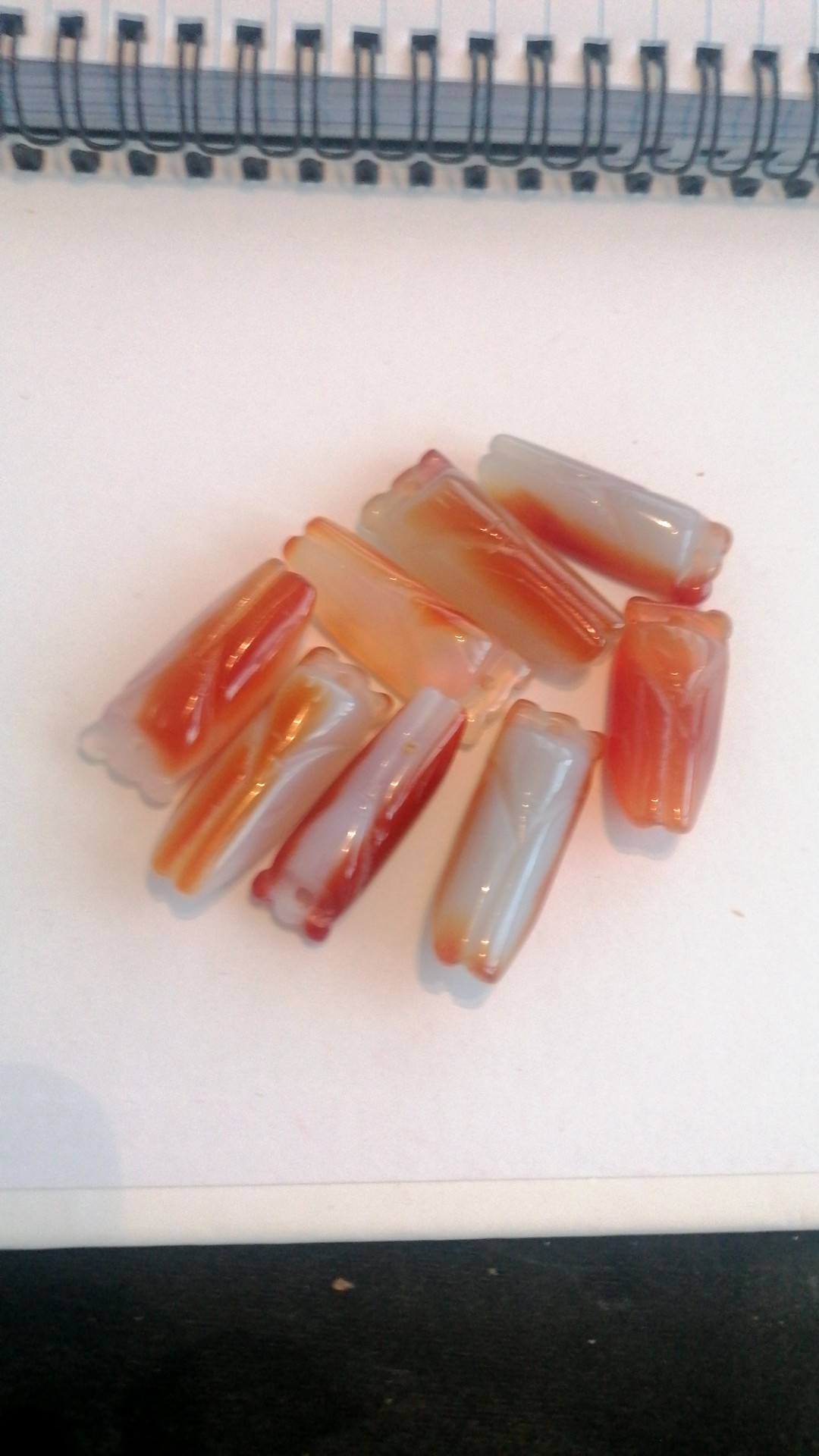
This image presents four carved translucent objects, exhibiting a delightful gradient from milky white to vibrant green. Their forms suggest they could be decorative elements, perhaps for hairpins or small tools, or even components for larger assemblages characteristic of traditional East Asian craftsmanship. The translucency points towards a quartz variety like chalcedony or potentially jadeite, typically valued for its lustrous finish and rich color variations.
CULTURAL ECHOES
Where This Object Echoes
The traditional reverence for jade and similar translucent stones, carved into items for adornment, ritual, or scholarly appreciation.
Use of chalcedony and similar quartz varieties for amulets and decorative elements, prized for color and perceived metaphysical properties.
Ritual & Ceremonial Use
- •Historically, such carved stones could have been used as components in elaborate headpieces or hairpins, particularly in East Asian cultures.
- •Small carved pieces were sometimes incorporated into scholar's studio objects, acting as brush rests or decorative accents.
Meaning Through Time
Jade was seen as a bridge between heaven and earth, symbolizing immortality, purity, and imperial power.
Chalcedony and other 'hardstones' were collected as curiosities and admired for their natural beauty in cabinets of wonder, often set into ornate decorative objects.
HISTORICAL STORY
DID YOU KNOW?
Chalcedony, a form of crypto-crystalline quartz, can come in a vast array of colors, from the familiar blue to green (chrysoprase) and reddish-brown (carnelian).
In ancient China, jade (both nephrite and jadeite) was considered more precious than gold, often associated with imperial power and immortality.
MATERIAL & CONDITION
Surface
The objects possess a smooth, polished, and glossy surface, displaying good translucency. The color transition, particularly notable in the two larger pieces, suggests natural variation within the material rather than artificial coloring. There are no obvious signs of significant wear or surface degradation, maintaining a clean, vibrant aesthetic.
Weight & Feel
Given their size and apparent material, these pieces likely feel relatively substantial for their small scale, embodying the cool, dense characteristic of carved stone. They would not feel lightweight or hollow.
Condition
The overall condition appears excellent, with a well-maintained polished finish. I observe no visible chips, cracks, or significant abrasions on the surfaces from the images provided. The integrity of the carving seems intact.
RARITY ANALYSIS
Typical antique shop fare. Requires some searching but regularly available. This is where most genuine antiques fall.
Typical Characteristics
- Standard antique shop items
- Regularly available
- Moderate collector interest
EXPERT ANALYSIS
Decorative Arts Specialist
My confidence is moderate as the visual evidence strongly suggests high-quality carved gemstone pieces, but specific identification of the mineral (jadeite vs. chalcedony) and definitive age or origin remains speculative without further physical analysis or clear provenance.
KEY EVIDENCE
- 1Translucent properties of the material, consistent with chalcedony or jadeite.
- 2Smooth, polished surfaces with no discernible tool marks, indicating fine lapidary work.
- 3Color gradient from milky white to vibrant green, suggestive of natural stone variations.
- 4Shapes appear to be carved and polished components rather than raw mineral specimens.
UNCERTAINTIES
- •Absence of scale makes precise size assessment difficult.
- •Ambiguity in specific stone identification without further testing.
- •Lack of manufacturing or artist marks for attribution.
WHAT WOULD IMPROVE CERTAINTY
- →Obtain close-up images of any hidden corners or edges for tool mark analysis.
- →Perform a specific gravity test to help distinguish between jadeite and chalcedony.
- →Consult a qualified gemologist for definitive material identification.
- →Measure the precise dimensions of each piece.
ESTIMATED VALUE
Updated: Feb 27, 2026
- Market comparables from auctions & retail
- Condition, completeness & craftsmanship
- Current collector demand & trends
- Low = quick sale, high = patient seller
For informational purposes only, not a formal appraisal.
ABOUT GEMSTONES
Precious stones, semi-precious gems, minerals, crystals, and geological specimens.
Browse all GemstonesSHARE THIS CURIOSITY
Have your own curiosities to discover?
Scan Your Curiosity
COMMENTS
No comments yet. Be the first to share your thoughts!
Sign in to leave a comment