Porcelain Teacup with Floral Decoration and Gilt Handle
QUICK FACTS
Categories
Era
Mid-20th Century to Contemporary
Origin
🌍 International
Rarity
Ordinary (3/10)
Discovered
Feb 12, 2026
2 weeks ago
DESCRIPTION
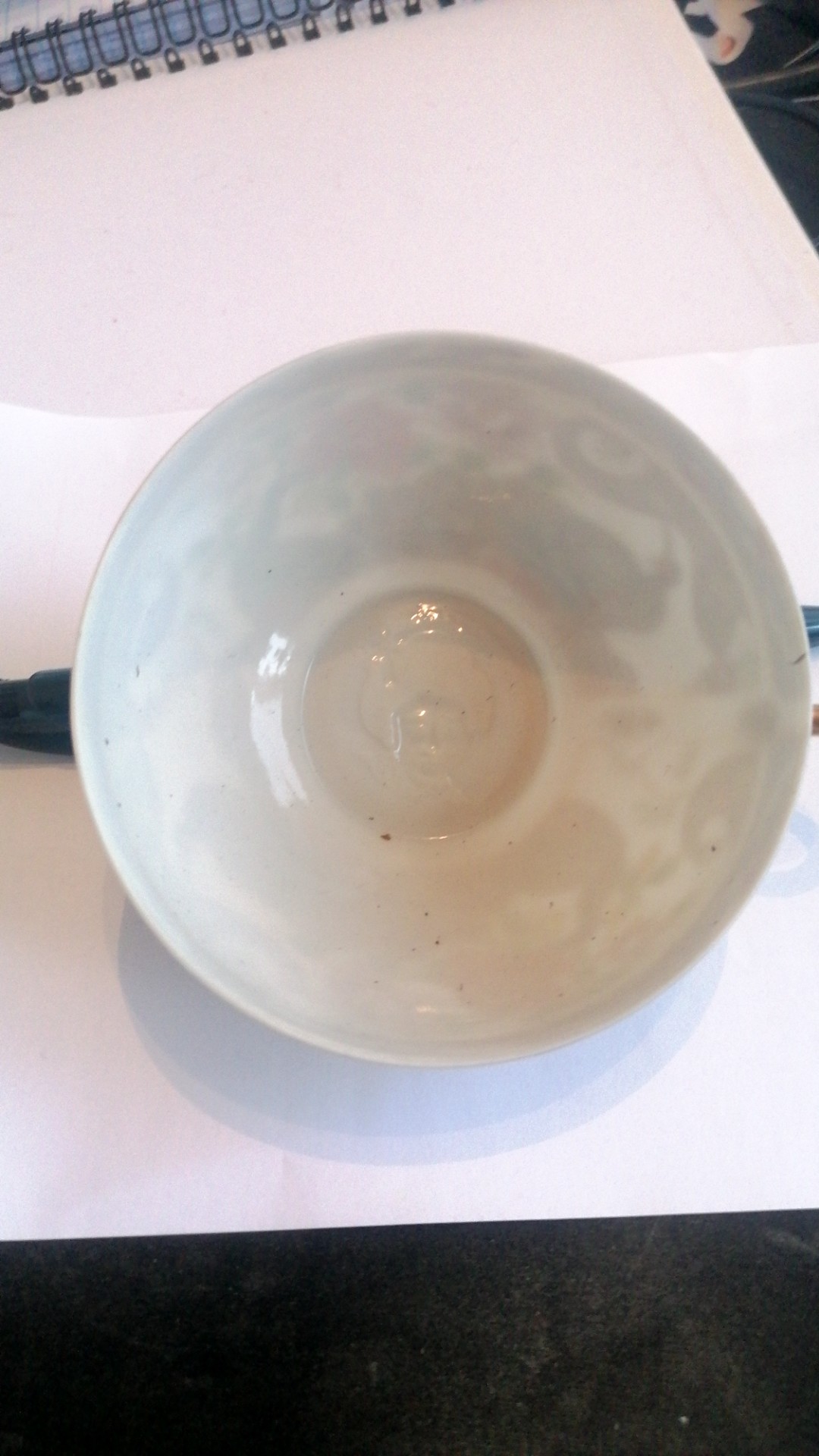
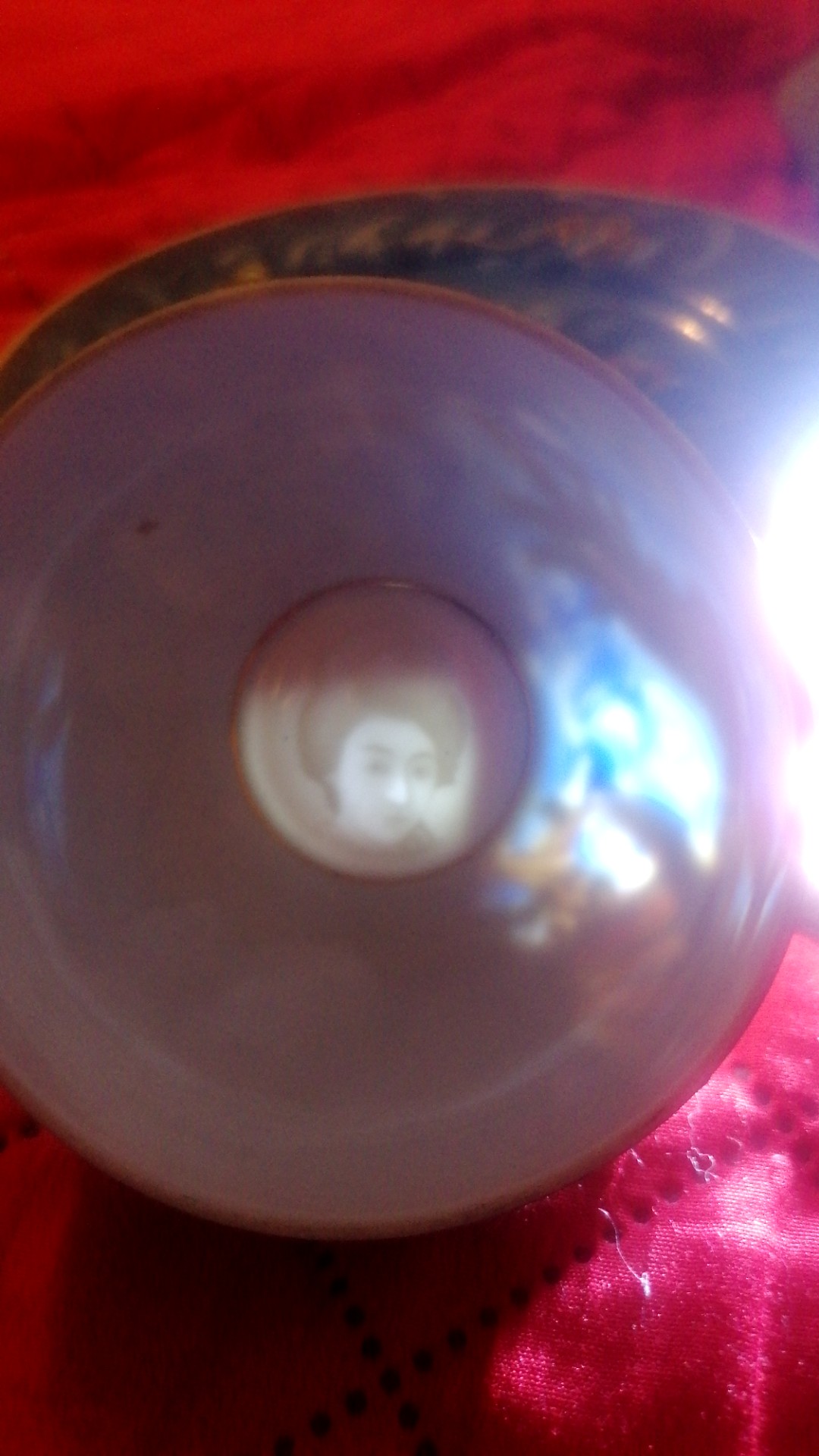
This appears to be a porcelain teacup, likely intended for individual service, decorated with an intricate floral pattern and a stylized border, accented with gilt details. The shape is a traditional bowl-form cup with a small, delicate handle. It suggests a decorative rather than purely functional everyday use.
CULTURAL ECHOES
Where This Object Echoes
The floral motifs and intricate borders are reminiscent of Chinese export wares, which influenced Western ceramic decoration for centuries.
The decorative style, while perhaps not antique, draws on the Chinoiserie trend where European manufacturers adopted idealized Chinese aesthetics.
Ritual & Ceremonial Use
- •Afternoon tea service, a formalized social ritual involving specific teaware.
- •Gift-giving, as individual decorative cups or sets are commonly given for celebrations.
Meaning Through Time
Porous porcelain teacups symbolized exotic luxury and refinement, imported from or inspired by the East.
With mass production, such teacups became more accessible, representing domesticity, hospitality, and everyday elegance.
HISTORICAL STORY
DID YOU KNOW?
Tea cups like this often originated from tea sets that varied in size: demi-tasse for espresso, teacups for regular tea, and bouillon cups for broth, each with distinct capacities and shapes.
The use of gilding on porcelain, while beautiful, requires a specific firing process after the main glaze, making it a more labor-intensive and costly decoration technique.
MATERIAL & CONDITION
Surface
The cup exhibits a glossy, smooth porcelain glaze, likely over the transfer-printed or hand-painted floral decoration. The handle and rim show notable gilding. The interior appears uniformly glazed with some minor specks, possibly from manufacturing or residue.
Weight & Feel
Given its size and material, the teacup would feel relatively lightweight but delicate, consistent with fine porcelain designed for comfortable handling.
Condition
The exterior appears to be in good condition with vibrant colors and intact gilding. The interior shows minor wear or possibly small manufacturing imperfections in the glaze. There are no visible chips, cracks, or significant crazing, though these can be difficult to ascertain fully from images.
RARITY ANALYSIS
Standard antiques commonly found at estate sales and flea markets. Plentiful supply meets modest demand.
Typical Characteristics
- Moderate production runs
- Common at estate sales
- Entry-level collectibles
EXPERT ANALYSIS
Furniture Historian & Restoration Specialist
The confidence level is good for general identification based on visible characteristics, but without a maker's mark or more detailed views of the decoration technique, specific attribution and precise dating remain open.
KEY EVIDENCE
- 1The presence of a traditional bowl-form cup with a small handle is typical for teacups.
- 2Elaborate floral decoration and gilding indicate a decorative or semi-formal use.
- 3The interior's clean, white glaze suggests a porcelain or fine ceramic body.
- 4The style of decoration, though general, hints at East Asian influence or Chinoiserie.
UNCERTAINTIES
- •Lack of visible maker's mark or identifying backstamp.
- •Difficulty in determining manufacturing technique (hand-painted vs decal) from images alone.
- •Uncertainty regarding the age due to prevalent decorative styles across eras.
WHAT WOULD IMPROVE CERTAINTY
- →Clear photograph of the underside of the cup, specifically looking for any stamps, marks, or signatures.
- →Close-up image of the decoration to assess if it is hand-painted, transfer-printed, or a decal.
- →Measurement of the cup's diameter and height to better understand its specific function (e.g., teacup, coffee cup).
ESTIMATED VALUE
Updated: Feb 27, 2026
- Market comparables from auctions & retail
- Condition, completeness & craftsmanship
- Current collector demand & trends
- Low = quick sale, high = patient seller
For informational purposes only, not a formal appraisal.
ABOUT DECORATIVE OBJECTS
Ceramics, silver, porcelain, glassware, and decorative arts.
Browse all Decorative ObjectsSHARE THIS CURIOSITY
Have your own curiosities to discover?
Scan Your Curiosity
COMMENTS
No comments yet. Be the first to share your thoughts!
Sign in to leave a comment