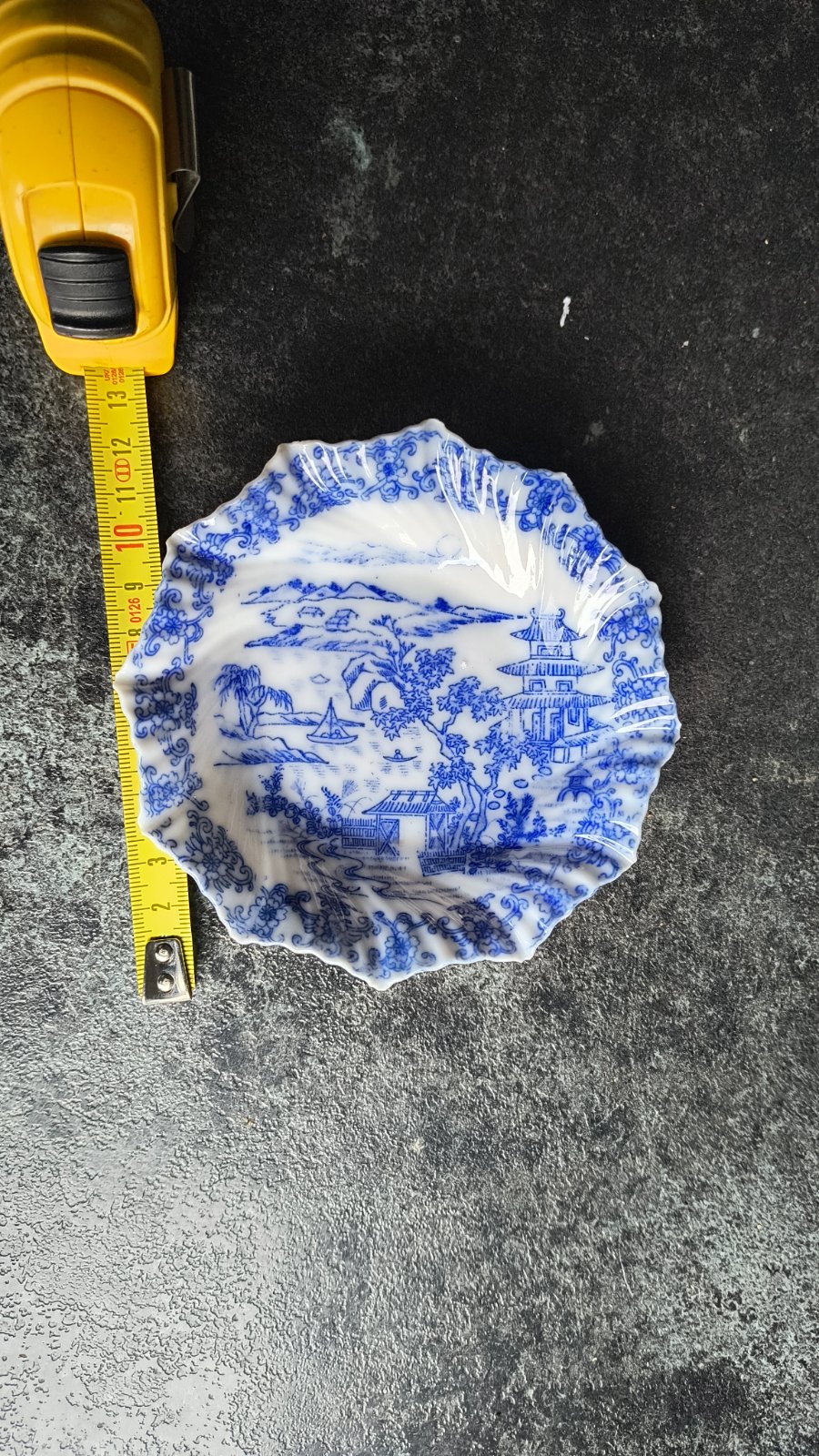
Blue and White Transferware Shell-Form Pin Dish
QUICK FACTS
Categories
Era
Early to Mid 20th Century
Origin
🌍 International
Rarity
Average (4/10)
Discovered
Feb 28, 2026
1 day ago
DESCRIPTION
This appears to be a small, shell-shaped decorative dish, likely intended as a pin dish or for small trinkets. It features a classic underglaze blue and white transferware decoration depicting an idealized Asian landscape scene, often referred to as 'chinoiserie' or 'Willow-pattern' style, though it's not the exact Willow pattern. The scalloped, fluted rim adds to its decorative appeal, a common design element for smaller porcelain or earthenware items from the late 19th to mid-20th century.
CULTURAL ECHOES
Where This Object Echoes
The original inspiration for blue and white ceramics and the landscape motifs, which were then adapted and reinterpreted by European factories.
Many English potteries pioneered and mass-produced transferware with similar 'chinoiserie' landscape designs for domestic and export markets.
Ritual & Ceremonial Use
- •Domestic display: Often placed on dressing tables or mantelpieces as an aesthetic accent.
- •Gift-giving: Small, decorative items like these were common, affordable gifts for various occasions.
Meaning Through Time
A popular, affordable decorative item, often part of souvenir collections or everyday household decor, evoking exoticism.
An antique or vintage collectible valued for its craftsmanship, historical interest, and decorative appeal, often appealing to collectors of blue and white wares.
HISTORICAL STORY
DID YOU KNOW?
Transfer printing, which likely produced this decoration, revolutionized ceramic production in the 18th century, allowing complex designs to be applied consistently and economically, making decorative wares accessible to a broader market.
The 'chinoiserie' style, characterized by exoticized East Asian motifs, was a recurring trend in European decorative arts for centuries, reflecting a blend of admiration and fantastical interpretation rather than strict accuracy.
MATERIAL & CONDITION
Surface
The surface exhibits a glossy, white glaze with a vibrant cobalt blue transfer-printed decoration. The molded, fluted body creates an undulating, shell-like texture, which is effectively highlighted by the subtle variations in the intensity of the blue underglaze within the recesses.
Weight & Feel
Given its small size and likely ceramic composition (either porcelain or earthenware), this dish would feel lightweight, yet possess a certain ceramic heft, sturdy enough for its intended ornamental purpose.
Condition
The item appears to be in relatively good condition, consistent with 'minor wear'. There are no immediately obvious chips or cracks visible from the provided images, which is positive for older ceramics. The transfer print remains clear and intact.
RARITY ANALYSIS
Typical antique shop fare. Requires some searching but regularly available. This is where most genuine antiques fall.
Typical Characteristics
- Standard antique shop items
- Regularly available
- Moderate collector interest
EXPERT ANALYSIS
Decorative Arts Specialist
The visual evidence strongly points to this being a common type of transferware decorative ceramic dish. My confidence is high regarding its general classification, but slightly tempered by the lack of maker's marks for a specific attribution.
KEY EVIDENCE
- 1Decorative form: Shell-shaped, fluted rim.
- 2Decoration method: Underglaze blue transfer print, visible consistency.
- 3Pattern: Chinoiserie-style landscape with pagodas and boats.
- 4Material: Ceramic body (porcelain or refined earthenware) with a glossy glaze.
UNCERTAINTIES
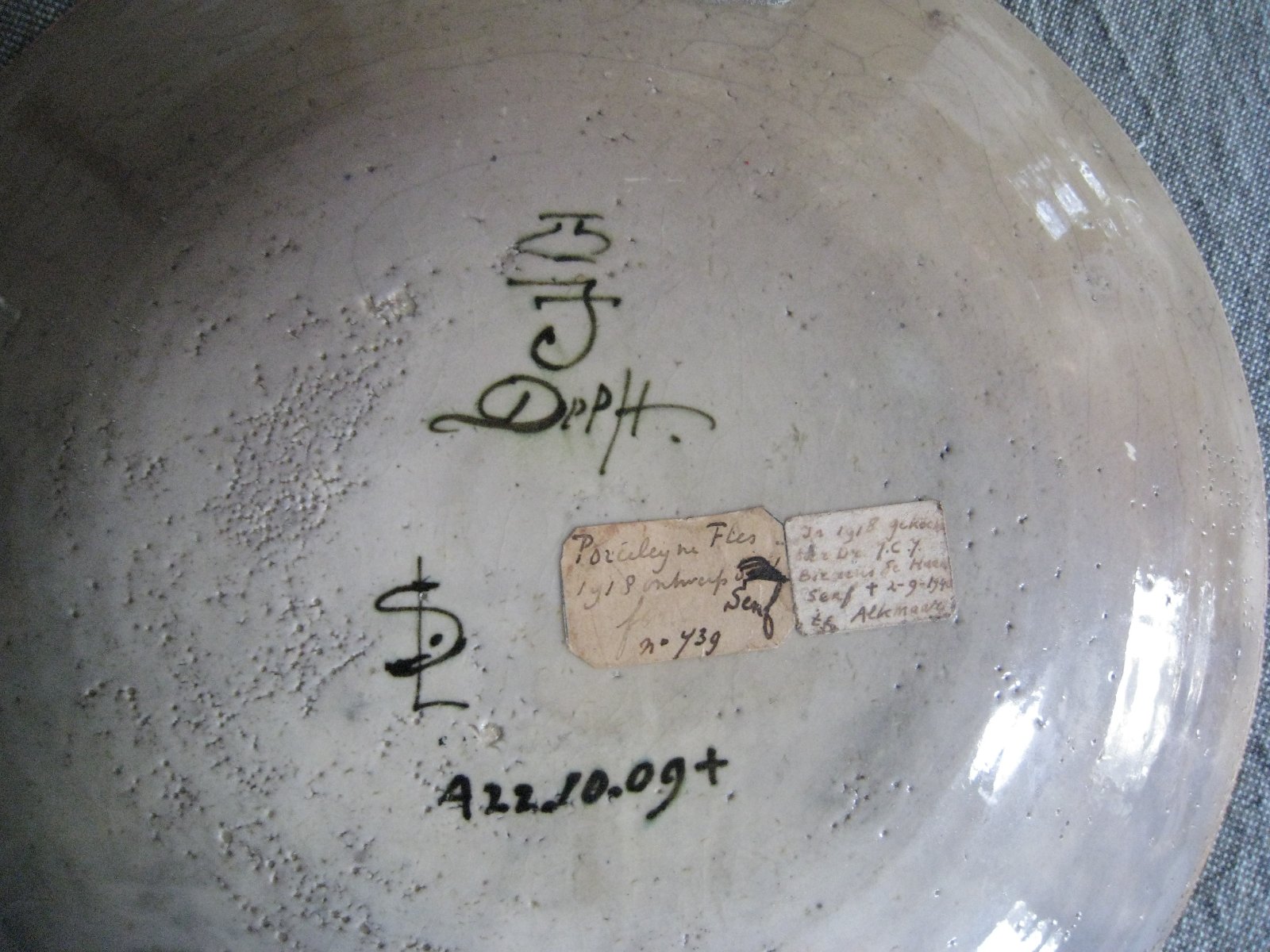
- •Absence of manufacturer's mark or identifying backstamp, which limits precise attribution.
WHAT WOULD IMPROVE CERTAINTY
- →Examine the reverse side for any manufacturer's marks, impressed numbers, or faint backstamps.
- →Perform a UV light test to check for any invisible repairs, especially along the rim.
- →Gently tap the dish with a fingernail to listen for a clear ring, which indicates no hidden cracks.
ESTIMATED VALUE
Updated: Feb 28, 2026
- Market comparables from auctions & retail
- Condition, completeness & craftsmanship
- Current collector demand & trends
- Low = quick sale, high = patient seller
For informational purposes only, not a formal appraisal.
CONTEXT ANALYSIS
How your provided context compares with Curiosa.com scanner findings.
What Aligned
- User stated 'Original/Authentic', which aligns with the visual evidence suggesting a period decorative ceramic and not a modern reproduction.
- User indicated 'Minor wear', which is consistent with the visible surface condition showing no significant damage.
ABOUT DECORATIVE OBJECTS
Ceramics, silver, porcelain, glassware, and decorative arts.
Browse all Decorative ObjectsSHARE THIS CURIOSITY
Have your own curiosities to discover?
Scan Your Curiosity
COMMENTS
No comments yet. Be the first to share your thoughts!
Sign in to leave a comment