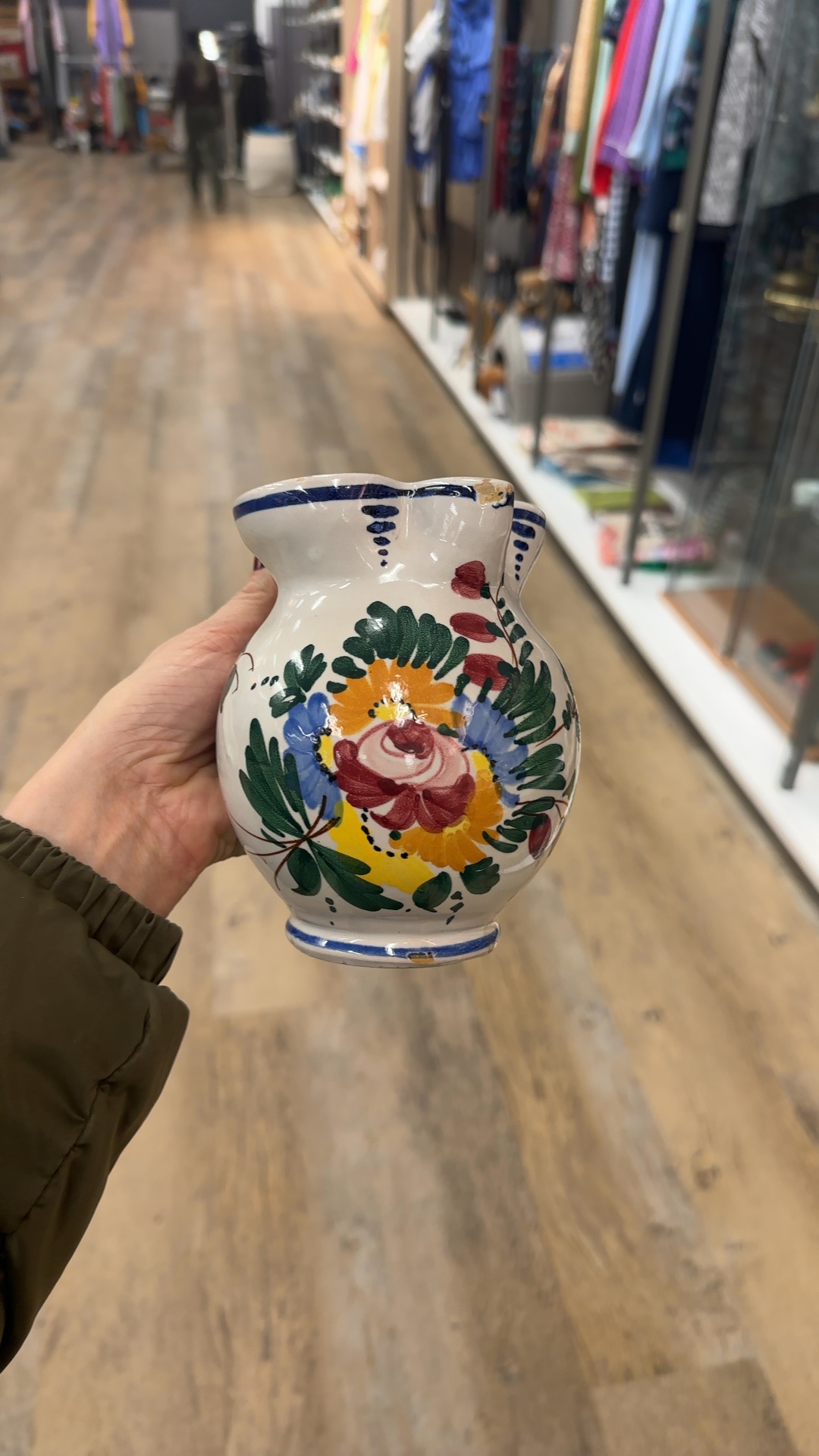
Mid-20th Century Italian Maiolica Faience Pitcher
Estimated value
$15 - $45Rarity
Ordinary(3/10)Category
Ceramics & PotteryEra
Circa 1950-1970Origin
🇮🇹 ItalyAuthenticity
MID-20TH CENTURY ITALIAN MAIOLICA FAIENCE PITCHER: IDENTIFICATION
A small hand-painted earthenware pitcher characterized by a tin-glazed white ground decorated with a polychrome floral 'rose' bouquet. The vessel features a pinched trefoil-style spout, a simple loop handle, and hand-applied blue banded accents on the rim and footrim. The floral arrangement utilizes high-saturation pigments of ochre yellow, cadmium red, and cobalt blue, applied with rapid, expressive brushwork typical of mid-century Italian regional potteries.
Compare with other ceramic pieces in the archive: Chinese Blue & White 'Ginger Jar' Vase, Style of Kangxi Period, Mid-century Neoclassical souvenir vase, Korean Buncheong-style Glazed Stoneware Jar, Joseon Dynasty Type.
PRODUCTION & FIRING
COLLECTOR NOTES
A 2 mm loss on the spout reveals the reddish-orange earthenware body (paste), confirming the low-firing temperature of approximately 1,000 degrees Celsius used in this type of pottery.
SCARCITY
Standard antiques commonly found at estate sales and flea markets. Plentiful supply meets modest demand.
Rarity 3/10. Curiosa currently catalogues 175 ceramics items at rarity 3 or higher.
Typical Characteristics
- Moderate production runs
- Common at estate sales
- Entry-level collectibles
Confidence Factors
- Construction and paste are entirely consistent with 20th-century Italian export faience
- Wear patterns and glaze characteristics align with the mid-century manufacturing era
CERAMICIST'S ASSESSMENT
Ceramics Historian & Kiln Specialist
High confidence in the identification of the regional type and era due to the highly standardized mid-century Italian decorative style and visible paste characteristics.
KEY EVIDENCE
- 1Tin-glaze opacity and texture are characteristic of Italian faience
- 2Exposed earthenware paste at spout shows traditional iron-rich clay
- 3Hand-painted brushstrokes indicate speed-oriented atelier production
- 4Blue-banded footrim decoration is a standard regional identifier
UNCERTAINTIES
- •Absence of a visible maker's mark (often 'Italy' followed by a number) on the base reduces specific workshop attribution
WHAT WOULD IMPROVE CERTAINTY
- →Provide a high-resolution photo of the underside/base to check for ink-stamps or incised 'Italy' marks
- →Perform a tap test to listen for a 'dull thud,' which would indicate hairline cracks not visible to the eye
CONDITION & GRADE
Grading breakdown
Condition is downgraded due to the visible structural chip at the spout, which significantly impacts the value for collectors compared to mint examples.
Condition
Visually confirms a significant chip on the leading edge of the spout exposing the porous ceramic body. Minor glaze abrasions are present on the footrim and handle grip.
CERAMICS MARKET VALUE
Updated: May 11, 2026
Who buys this
Casual collectors of colorful Mediterranean pottery or individuals looking for decorative kitchen accents.
What increases value
- •The density and quality of the hand-painted floral decoration
- •Presence of an original maker's mark on the base
What lowers value
- •The spout chip significantly lowers value for discerning ceramics collectors
- •Crazing (fine crackling) of the glaze if exposed to temperature shifts
What makes top-tier examples
- •Attribution to a known workshop like Bitossi or Cantagalli
- •Presence of a complete service set rather than a solitary vessel
Grade & condition
Condition of the spout, clarity of the floral painting, and lack of internal staining.
Rarity & demand
For informational purposes only, not a formal appraisal.
SIMILAR CURIOSITIES
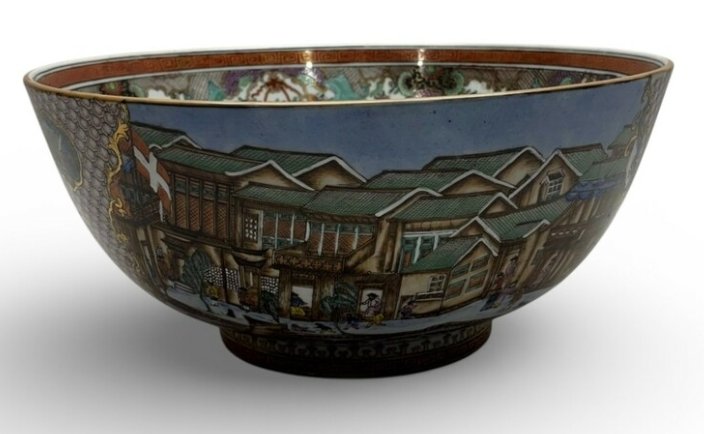
Chinese Export Porcelain 'Hong' Punch Bowl
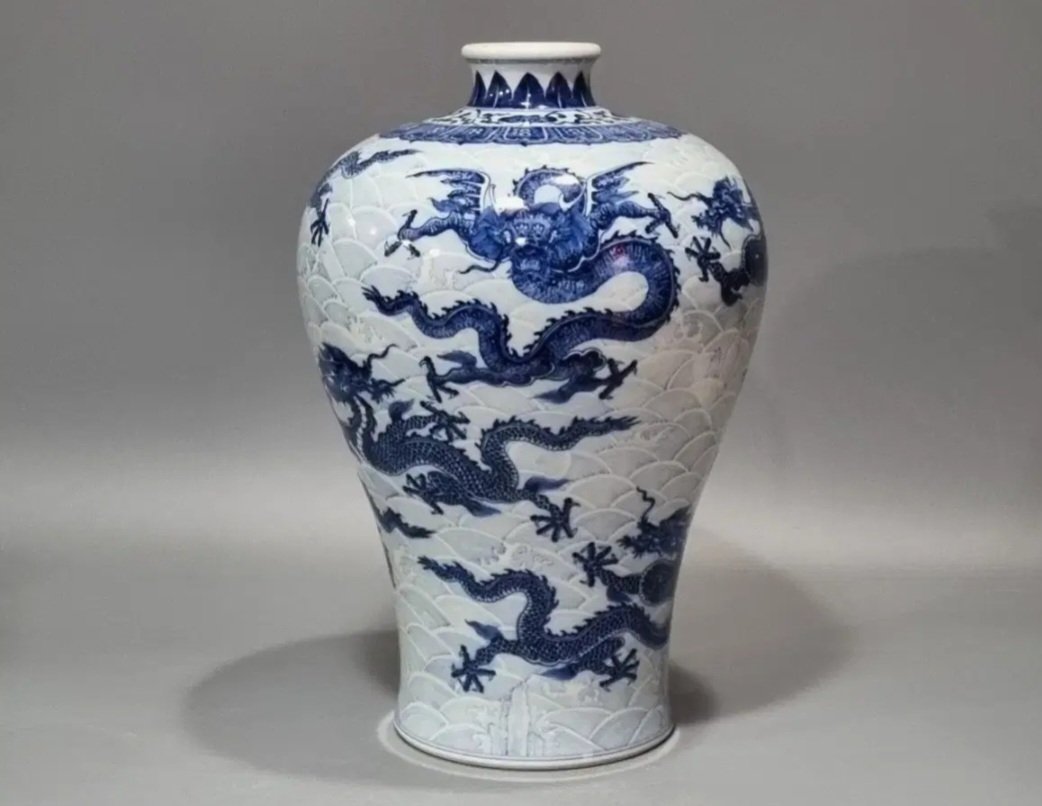
Chinese Blue and White 'Dragon' Meiping Vase, Qianlong Mark
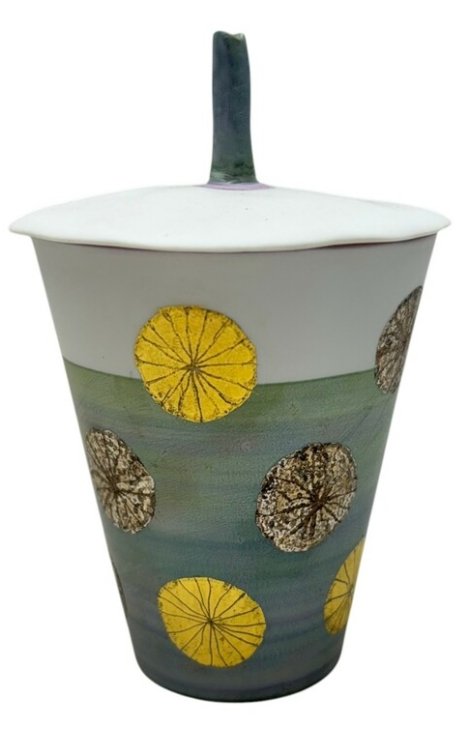
Arne Åse contemporary porcelain lidded vessel
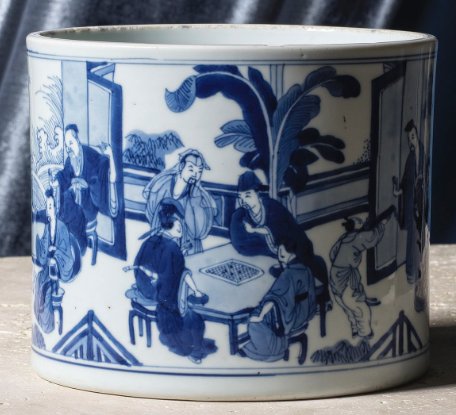
Blue and White Porcelain Bitong (Brush Pot)
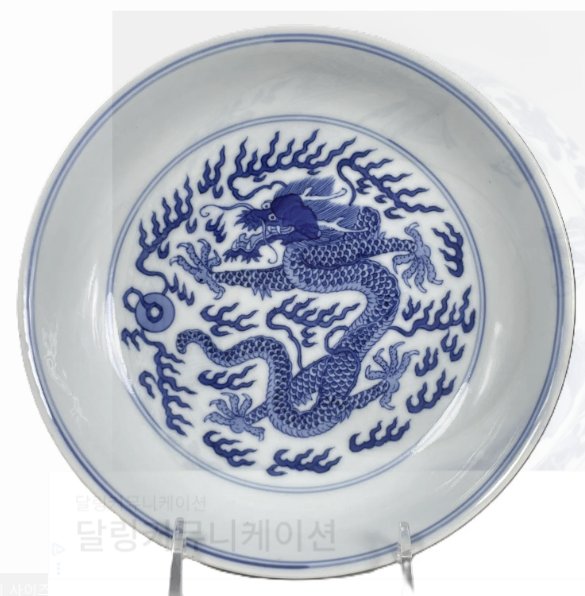
Chinese Blue and White 'Dragon' Dish
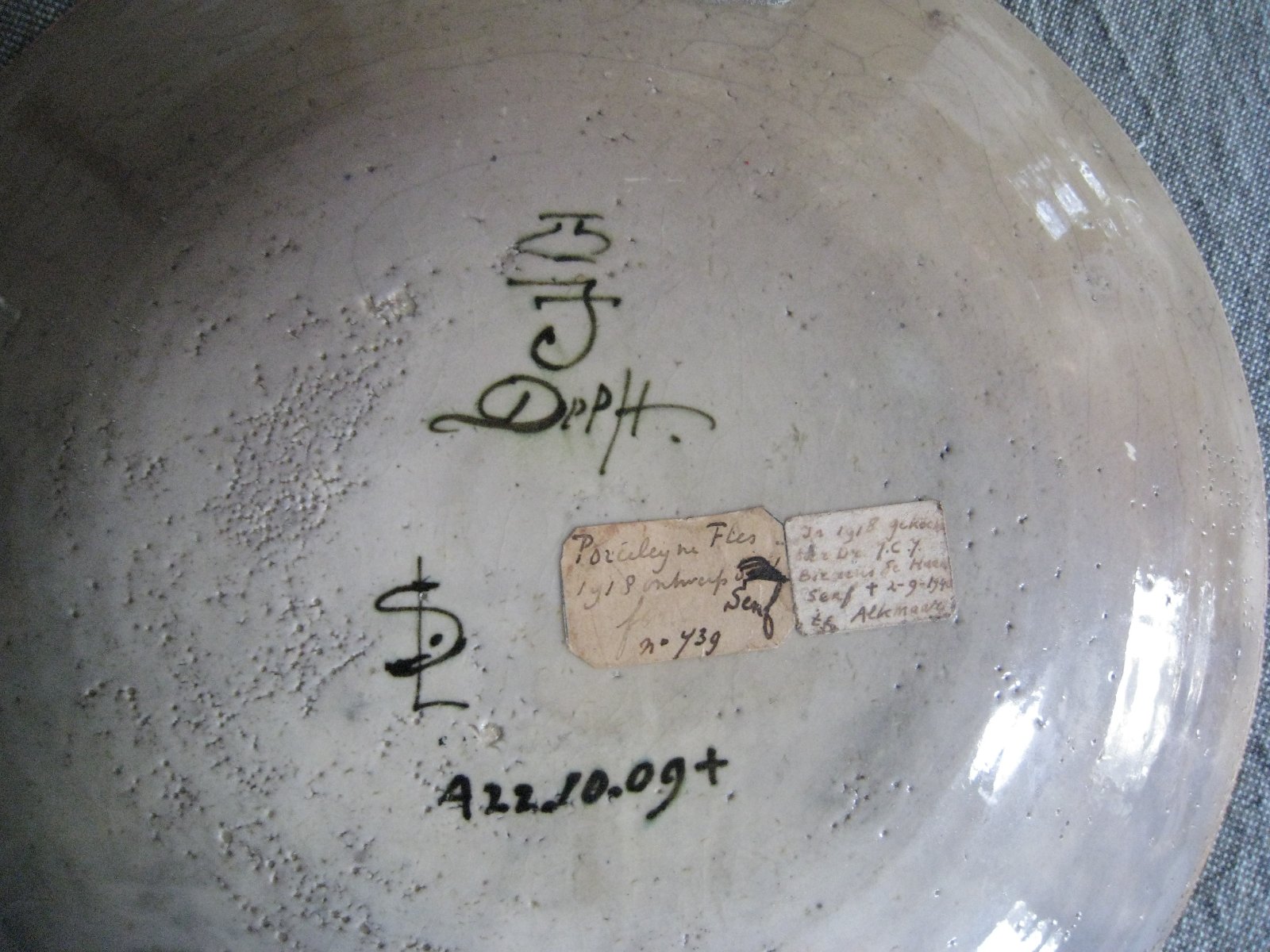
De Porceleyne Fles Delft Charger/Plate with Handwritten Marks
ABOUT CERAMICS & POTTERY
Pottery, porcelain, stoneware, earthenware, and kiln-fired objects.
Ceramics & Pottery value and rarity guideSHARE THIS CURIOSITY
Have your own curiosities to discover?
Scan Your Curiosity
COMMENTS
No comments yet. Be the first to share your thoughts!
Sign in to leave a comment