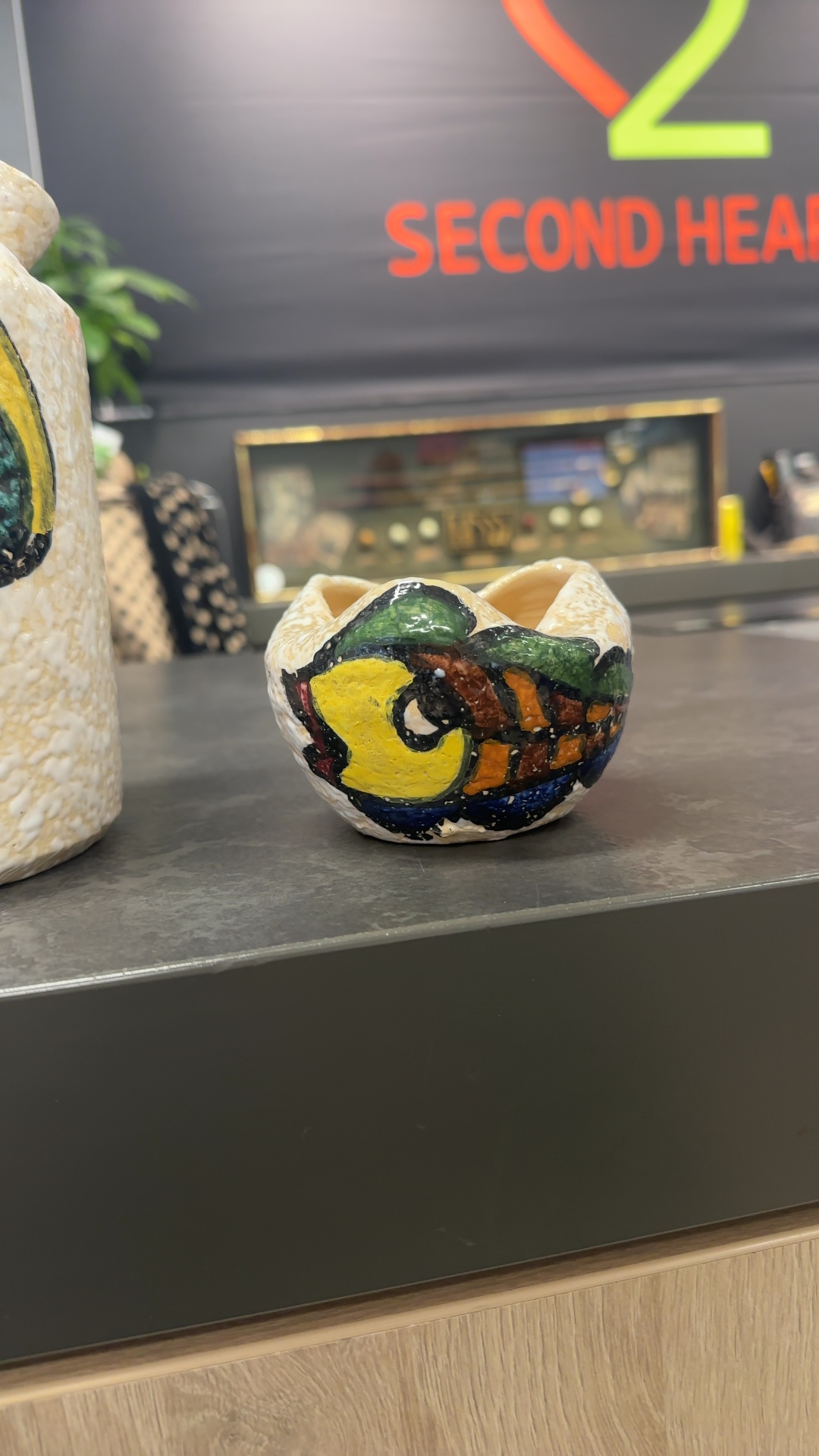
Mid-Century Modern Italian Studio Pottery Bowl
Estimated value
$35 - $85Rarity
Ordinary(3/10)Category
Ceramics & PotteryEra
Circa 1960–1975Origin
🇮🇹 ItalyAuthenticity
MID-CENTURY MODERN ITALIAN STUDIO POTTERY BOWL: IDENTIFICATION
A small earthenware bowl featuring a hand-pinched, biomorphic rim and a polychrome underglaze decoration of a stylized fish. The exterior exhibits a heavily textured crater or volcano glaze with a cream-topped 'orange peel' finish, typical of mid-20th century Italian experimental workshops. The fish motif is executed in vibrant yellow, emerald green, and cobalt blue glazes, outlined with thick black manganese-based slip.
Compare with other ceramic pieces in the archive: Alabaster Urn-Shaped Vase, Han Dynasty Style Glazed Ceramic Boar Figurine, Chinese Blue and White 'Three Friends of Winter' Stem Cup, Ming Style.
CROSS-CULTURAL PARALLELS
Where This Object Echoes
The rejection of symmetrical industrial forms in favor of organic, hand-manipulated shapes.
Ritual & Ceremonial Use
- •Mid-century cocktail culture, where small stylized bowls served as 'nutteries' or ash-receptacles during social gatherings.
Meaning Through Time
A symbol of 'La Dolce Vita' and accessible European sophistication for the burgeoning middle-class export market.
PRODUCTION & FIRING
SCARCITY
Standard antiques commonly found at estate sales and flea markets. Plentiful supply meets modest demand.
Rarity 3/10. Curiosa currently catalogues 173 ceramics items at rarity 3 or higher.
Typical Characteristics
- Moderate production runs
- Common at estate sales
- Entry-level collectibles
Confidence Factors
- Glaze chemistry and application techniques are highly consistent with 1960s Italian export production
- The biomorphic form is characteristic of authentic mid-century period studio techniques
CERAMICIST'S ASSESSMENT
Ceramics Historian & Kiln Specialist
Identification of the 'granulare' glaze and specific fish motif is high, though the lack of a visible base mark prevents a definitive attribution to a specific workshop like Bagni or Fanciullacci.
KEY EVIDENCE
- 1Crater glaze technique distinctive to Italian workshops like Fratelli Fanciullacci
- 2Polychrome fish motif executed in standard mid-century Italian palette (Yellow, Cobalt, Emerald)
- 3Hand-pinched irregular rim indicative of studio-scale production rather than factory slip-casting
- 4Manganese-style black slip outlining is a hallmark of the Florentine school of the 1960s
UNCERTAINTIES
- •Absence of a visible base mark (common in small export pieces but limits specific workshop attribution)
WHAT WOULD IMPROVE CERTAINTY
- →Inspect the base for an incised 'Italy' mark or a three-digit shape number
- →Examine the 'vase' to the left in the image for matching hallmarks, as they appear to be a set
- →Perform a tap-test to check for the dull thud associated with earthenware versus the ring of stoneware
CONDITION & GRADE
Condition
The rim shows no major structural fractures, though the coarse glaze texture makes microscopic 'flea bites' common. The interior glaze appears intact with no significant crazing or staining indicative of heavy liquid use.
Weight & feel
Estimated at 150-250 grams; likely a dense earthenware body with a substantial feel relative to its approximately 10cm diameter.
CERAMICS MARKET VALUE
Updated: May 11, 2026
Who buys this
Mid-century modern decor enthusiasts and collectors of Italian 'Bitossi-era' export ceramics.
What increases value
- •Vibrancy of the polychrome fish decoration
- •Integrity of the textured glaze (absence of large chips)
- •Association with a recognized workshop if a mark is found on the base
What lowers value
- •Lacks a signature or 'Italy' stamp which typically adds 20-30% to retail value
- •Small size limits it to a 'filler' piece in a larger collection
What makes top-tier examples
- •Clearly legibility of the artist's brushwork in the slip-trailing
- •Extreme contrast between the rough exterior and smooth interior
Grade & condition
Presence of surface chips in the fragile crater glaze and clarity of the painted motif.
Rarity & demand
For informational purposes only, not a formal appraisal.
SIMILAR CURIOSITIES
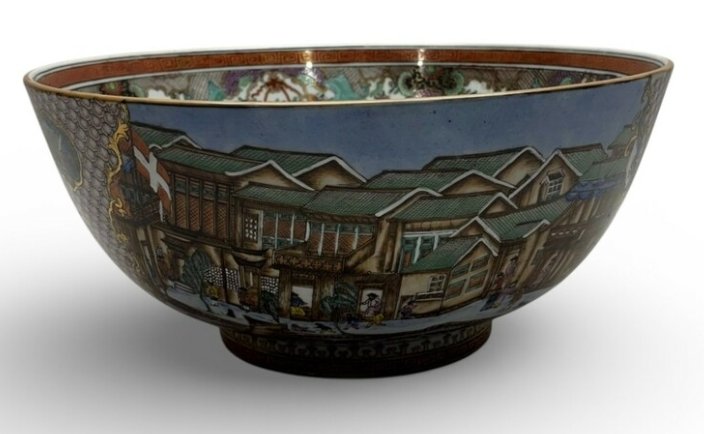
Chinese Export Porcelain 'Hong' Punch Bowl
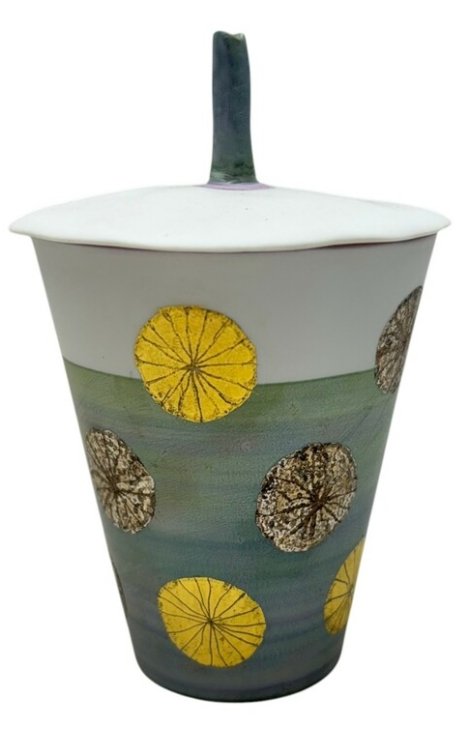
Arne Åse contemporary porcelain lidded vessel
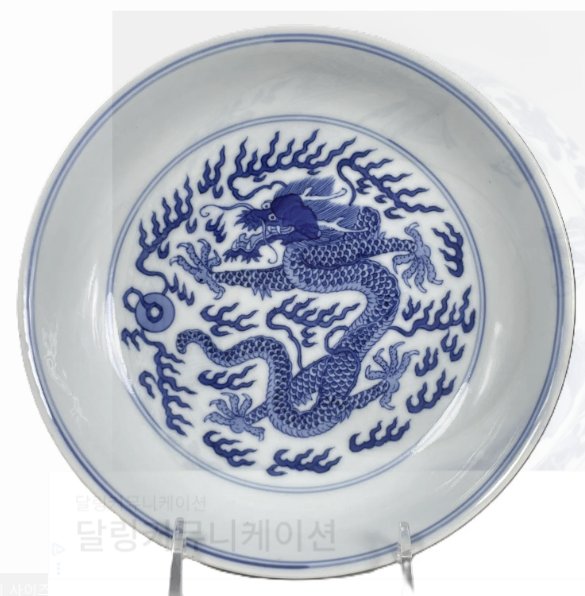
Chinese Blue and White 'Dragon' Dish
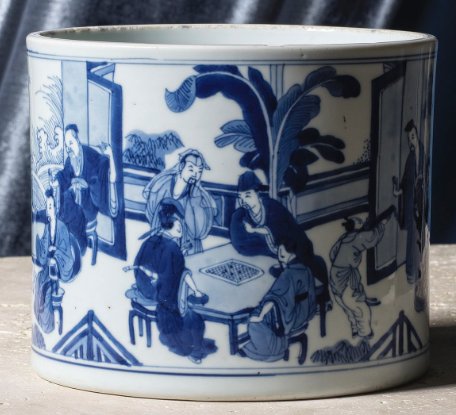
Blue and White Porcelain Bitong (Brush Pot)
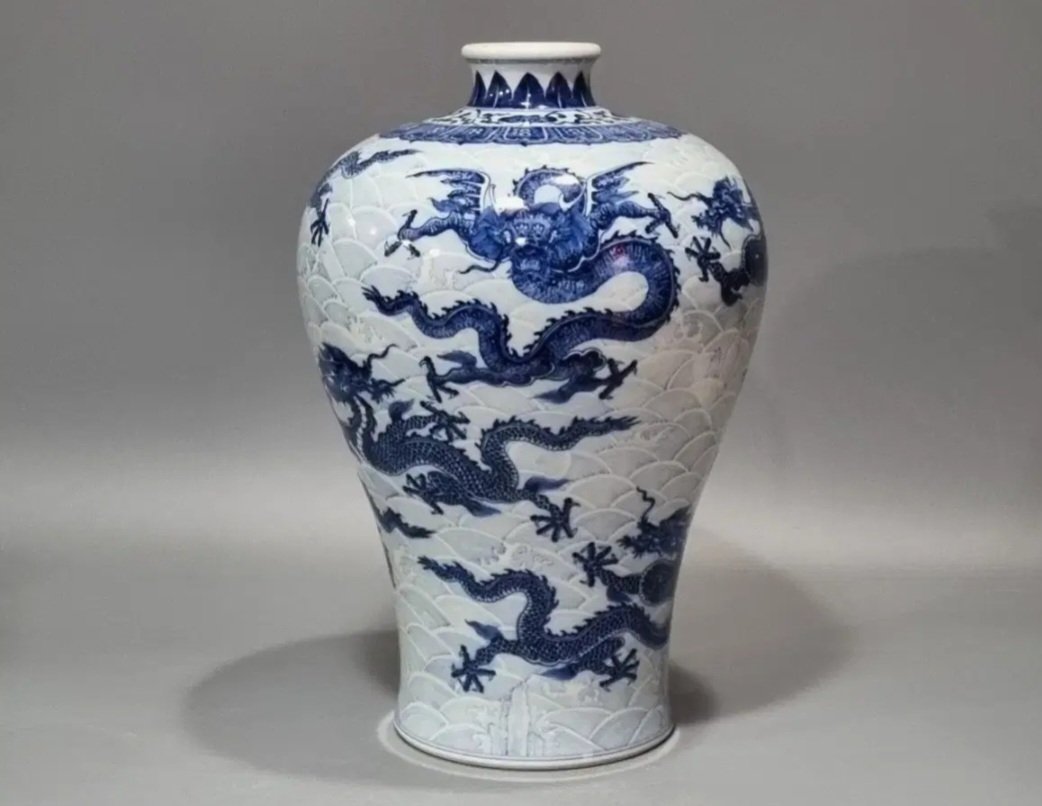
Chinese Blue and White 'Dragon' Meiping Vase, Qianlong Mark
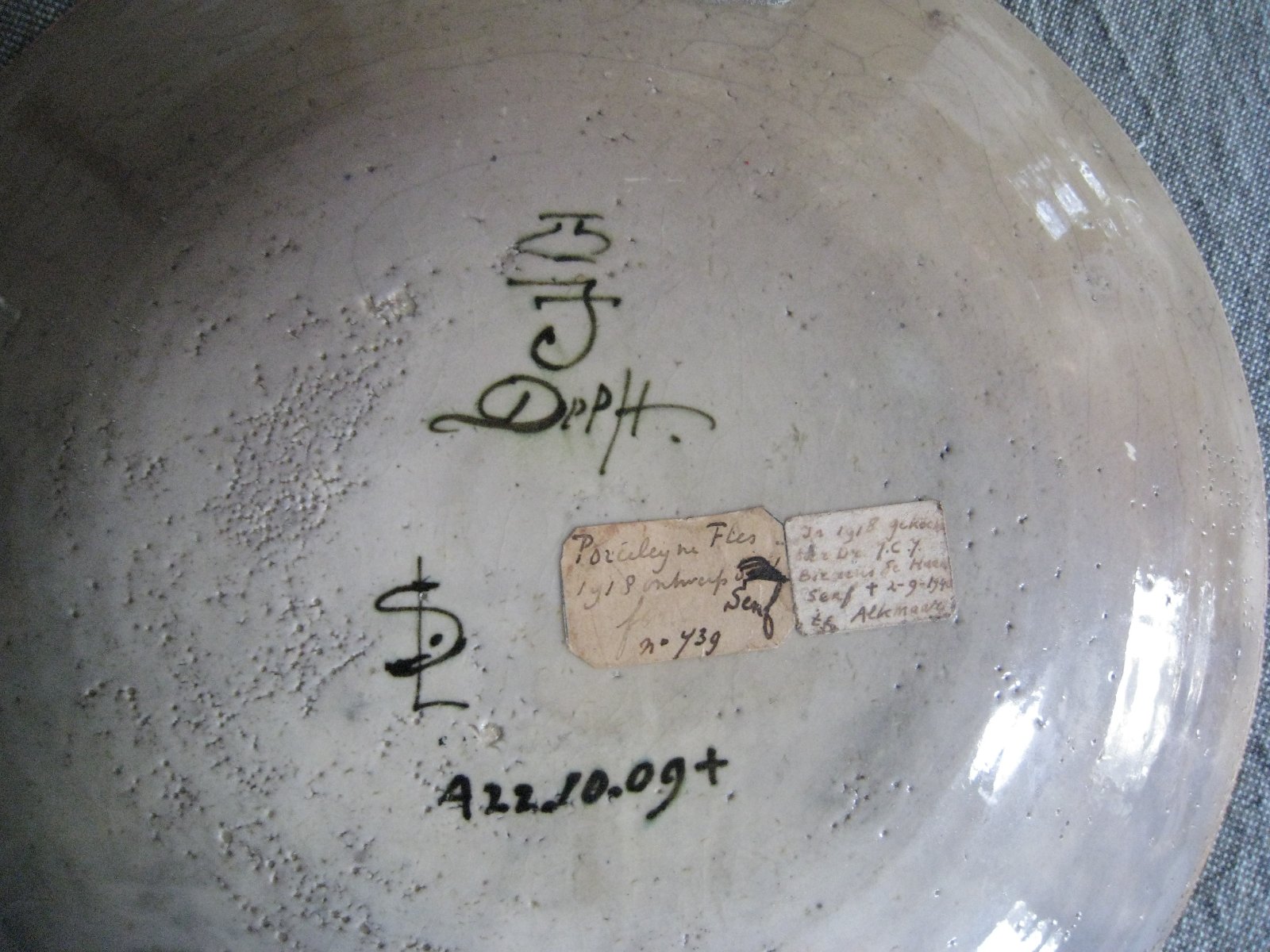
De Porceleyne Fles Delft Charger/Plate with Handwritten Marks
ABOUT CERAMICS & POTTERY
Pottery, porcelain, stoneware, earthenware, and kiln-fired objects.
Ceramics & Pottery value and rarity guideSHARE THIS CURIOSITY
Have your own curiosities to discover?
Scan Your Curiosity
COMMENTS
No comments yet. Be the first to share your thoughts!
Sign in to leave a comment